
For anyone planning a trip to the Big Apple, understanding the ins and outs of transportation is paramount to a seamless and enjoyable experience. Among the myriad options available, the iconic yellow cabs of New York City stand out, not just as a convenient way to get around but also as a quintessential part of the city’s vibrant charm. From zipping through bustling streets to making a grand arrival at a luxury hotel, taxis offer a unique blend of convenience and classic New York flair. However, the question on every visitor’s mind, especially those mindful of their travel budget, is often: “How much do taxis actually cost in New York City?”
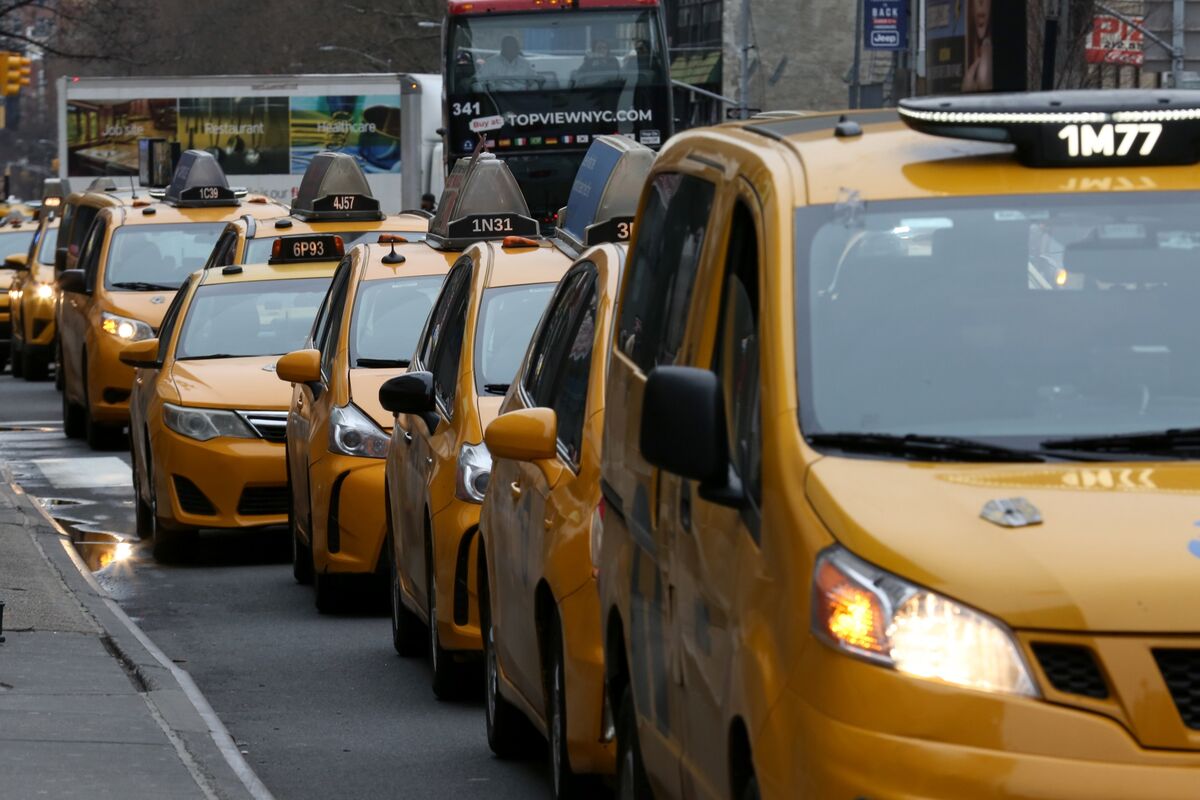
Navigating the taxi fare structure in NYC can seem daunting at first glance, but it’s built on a clear, metered system with specific surcharges and flat rates for certain destinations. This comprehensive guide will break down the costs, offer insights into when to opt for a cab, and provide valuable tips to ensure your taxi journeys are as smooth as they are memorable, all while keeping the diverse needs of travelers – from budget-conscious adventurers to luxury seekers – in mind. We’ll explore how taxi costs factor into your overall travel lifestyle, whether you’re hopping between famous landmarks like the Empire State Building and Central Park, or needing reliable transport to and from your chosen accommodation, be it a boutique hotel in Greenwich Village or a sprawling resort in another borough.
Understanding the NYC Taxi Fare Structure
The base of New York City taxi fares is governed by a metered system, ensuring transparency and consistency across all licensed yellow cabs. This system combines a base fare with charges for distance traveled and time spent, accounting for both movement and standstill traffic. Beyond the standard meter, various surcharges can apply, depending on the time of day, day of the week, and specific travel circumstances, making it crucial to understand these components to anticipate your total cost.
Standard Metered Fares
At the heart of the NYC taxi fare is a set structure that every driver must adhere to. The meter starts running the moment you step into the cab, displaying the initial cost, which then incrementally increases based on a combination of distance covered and time elapsed. This blended approach is particularly effective in a city like New York, where traffic can significantly impact travel time even over short distances.
Currently, the standard fare components are as follows:
- Initial Meter Drop: The moment your journey begins, there’s a base fare, typically around $3.00.
- Per 1/5 Mile (or 60 seconds of waiting/slow travel): For every 1/5 of a mile traveled, or every 60 seconds the taxi is stopped or traveling below 12 miles per hour, an additional charge is added. This incremental charge is usually around $0.70. This system ensures drivers are compensated for time stuck in notorious Manhattan traffic, and passengers get a fair rate for distance covered.
- Minimum Fare: Although not always explicitly stated as a minimum, the combination of the initial drop and the first few increments ensures a baseline cost for even the shortest rides.
These figures are subject to change and are set by the New York City Taxi & Limousine Commission (TLC). Always check the latest rates posted inside the cab or on the TLC website for the most current information. For travelers staying at various accommodations across the city, from a suite near Times Square to an apartment in Brooklyn, these base fares will be the foundation of their travel expenses.
Surcharges and Additional Fees
While the metered fare covers the basics, several surcharges can add to the final cost of your taxi ride. Being aware of these additional fees can help you budget accurately and avoid any surprises.
- Peak Hour Surcharge (Monday-Friday, 4:00 PM – 8:00 PM): During the busiest evening rush hour, an additional $2.50 surcharge is applied. This period is when many locals are commuting home and tourists are heading to Broadway shows or dinner, leading to increased demand and congestion.
- Night Surcharge (8:00 PM – 6:00 AM): Traveling late at night or in the early morning incurs a $1.00 surcharge. This covers the less convenient hours for drivers and often applies when visitors are returning from evening attractions or nightlife.
- New York State Congestion Surcharge (South of 96th Street in Manhattan): A significant addition in recent years is the congestion surcharge. For all taxi trips that begin, end, or pass through Manhattan south of 96th Street, an additional $2.50 is applied. This fee is aimed at reducing traffic congestion in the busiest parts of the city and funding public transit improvements.
- New York State Sales Tax Surcharge: A small 50-cent surcharge for sales tax is also added to every trip.
- Tolls: If your journey requires crossing a bridge or tunnel that charges a toll (e.g., the Queensboro Bridge, Lincoln Tunnel), the passenger is responsible for reimbursing the driver for the exact toll amount. These are added to your final fare.
- Credit Card Surcharge (Optional, for driver): While not explicitly a passenger surcharge, drivers sometimes include a small fee for credit card transactions. However, this is largely mitigated by the fact that all NYC taxis are legally required to accept credit card payments without an additional fee to the passenger. Any displayed fare on the meter is the maximum a driver can charge before tolls and mandated surcharges.
Factoring in these surcharges is crucial for accurate budgeting, particularly for those staying at hotels in prime Manhattan locations or planning late-night outings to places like Rockefeller Center or the Museum of Modern Art.
Special Fares: JFK Airport and Newark Liberty International Airport
Airport transfers are a frequent reason for travelers to use taxis, and New York City has specific flat-rate policies for journeys to and from its major airports. This simplifies budgeting for arrivals and departures, especially when carrying luggage or traveling with family.
-
JFK Airport Flat Rate (to/from Manhattan): A fixed rate applies for trips between John F. Kennedy International Airport (JFK) and Manhattan. This flat fare is currently $70.00. However, it’s essential to remember that several additional fees are still applied on top of this flat rate:
- New York State Congestion Surcharge: $2.50 (for trips to/from Manhattan south of 96th Street).
- New York State Sales Tax Surcharge: $0.50.
- Peak Hour Surcharge (Monday-Friday, 4 PM – 8 PM): $5.00 (This is a specific peak hour surcharge for JFK trips, different from the standard $2.50).
- Tolls: Any applicable tolls (e.g., MTA tunnel tolls) are added.
- Tip: Standard gratuity is expected (usually 15-20%).
Therefore, a taxi ride from JFK to a Manhattan hotel could easily exceed $80-$90, especially during peak hours.
-
LaGuardia Airport (LGA) Fares: Unlike JFK, there is no flat rate for trips to and from LaGuardia Airport. Fares are metered, plus applicable surcharges (congestion, sales tax, peak hour, night) and tolls. Given LaGuardia’s proximity to Manhattan and parts of Queens and The Bronx, a metered fare often works out to be quite reasonable, depending on traffic. A typical ride to midtown Manhattan might range from $35-$50, plus surcharges and tip.
-
Newark Liberty International Airport (EWR) Fares: Newark Liberty International Airport is located in New Jersey, which complicates taxi fares. New York City taxis are permitted to take passengers to Newark, but it’s typically more expensive due to cross-state regulations and tolls. The fare from Manhattan to EWR is usually the metered fare plus a $20.00 surcharge, all tolls (including the Holland Tunnel or Lincoln Tunnel round trip), and the New Jersey surcharges. Expect these rides to be upwards of $100-$120, excluding tip. For journeys from EWR to NYC, it is often more practical and cost-effective to use a New Jersey licensed taxi, car service, or public transit options like AirTrain Newark combined with NJ Transit trains to Penn Station.
These special airport fares are vital for tourists arriving with luggage, perhaps heading straight to a high-end Manhattan hotel like The Plaza Hotel or Waldorf Astoria, and seeking the most direct route to begin their New York City experience.
When to Choose a Taxi in New York City
While New York City boasts an unparalleled public transportation system, there are distinct scenarios where a taxi ride offers superior convenience, efficiency, or simply a more comfortable and iconic experience. Understanding these situations can help you make informed decisions about your travel budget and maximize your time in the city.
Convenience and Accessibility

Taxis truly shine in terms of door-to-door convenience and accessibility, especially when compared to the subway or bus system.
- With Luggage: For travelers arriving at Penn Station or the Port Authority Bus Terminal, or heading to/from airports, hauling heavy luggage through crowded subway stations with stairs and turnstiles can be a nightmare. A taxi provides a direct, stress-free route to your hotel or accommodation, making it an excellent choice for a smooth check-in or departure.
- Late Nights or Early Mornings: When the subway runs less frequently, or you’re out late exploring Broadway shows, nightlife in SoHo, or simply enjoying a quiet dinner, taxis offer a safe and readily available mode of transport. Hailing a cab after a performance can save significant time and provide peace of mind.
- Bad Weather: On rainy, snowy, or extremely cold days, the thought of walking to a subway station or waiting for a bus can be unappealing. Taxis offer immediate shelter and warmth, allowing you to stay dry and comfortable while still reaching your destination efficiently. This is especially true when moving between famous landmarks or cultural attractions like the Metropolitan Museum of Art.
- Mobility Needs: For individuals with mobility challenges or those traveling with small children in strollers, taxis provide a much more accessible option than navigating public transit, which may involve stairs, long walks, and crowded spaces. Many modern cabs are also wheelchair accessible.
Navigating Different Boroughs
While the subway primarily serves Manhattan, Brooklyn, Queens, and The Bronx, cross-borough travel, especially outside of Manhattan’s core, can sometimes be circuitous via public transport.
- Specific Destinations: If you’re heading to a specific address in an outer borough, like Coney Island in Brooklyn, Yankee Stadium in The Bronx, or Citi Field in Queens, a taxi might offer a more direct and quicker route, particularly if your starting point is not directly on a convenient subway line. This can be especially true for exploring diverse local culture and food scenes in neighborhoods less accessible by train.
- Group Travel: When traveling in a group of 3-4 people, the cost of a taxi often becomes comparable to, or even less than, individual subway fares, especially for longer distances or when factoring in the convenience. Sharing a cab can be a cost-effective and comfortable solution for family trips or business stays where multiple delegates need to reach the same destination.
Taxis vs. Ride-Sharing vs. Public Transit
Choosing the best mode of transport often comes down to balancing cost, convenience, and specific travel needs.
- Public Transit (Subway & Bus): Undeniably the most budget-friendly option, public transit is perfect for extensive sightseeing if you don’t mind walking, crowds, and potential transfers. A single ride on the subway or bus typically costs $2.90. For long-term stays or extensive exploration of landmarks, an unlimited MetroCard can be an excellent investment. However, it lacks door-to-door service and can be challenging with luggage or at odd hours.
- Ride-Sharing (Uber, Lyft): Uber and Lyft offer flexibility and often competitive pricing, especially for non-peak hours or longer distances where taxi flat rates don’t apply. Their surge pricing, however, can make them significantly more expensive than taxis during high demand (e.g., bad weather, rush hour, major events). They also offer different service levels, from budget-friendly shared rides to luxury sedans, catering to various lifestyle travel preferences.
- Taxis: Yellow cabs sit comfortably in the middle. They offer guaranteed metered pricing (with clear surcharges), no surge pricing, and are readily available across Manhattan and increasingly in other boroughs. They are regulated by the city, providing a layer of trust and safety. For short to medium distances within Manhattan or specific airport transfers, taxis often present the best balance of cost and convenience, particularly during peak times when ride-sharing apps might inflate prices.
Ultimately, the choice depends on your priorities. For a true New York City experience, a taxi ride is often worth the extra cost for its unparalleled convenience and iconic status.
Tips for a Smooth Taxi Experience in NYC
Ensuring a pleasant and hassle-free taxi ride in New York City involves more than just knowing the fares. A few practical tips regarding payment, safety, and etiquette can significantly enhance your travel experience.
Paying Your Fare
Understanding payment options and tipping customs is essential for a smooth transaction.
- Payment Methods: All licensed yellow cabs in New York City are required to accept cash and major credit/debit cards. The back seat of every cab is equipped with a screen that allows you to pay securely with a card. This screen also displays the fare breakdown, offers tipping options, and provides a receipt via email or printout. While cash is always accepted, using a card is often more convenient and leaves a digital record of your transaction.
- Tipping Etiquette: Tipping your taxi driver is customary and expected in New York City. A standard tip is usually 15-20% of the total fare before tolls and surcharges, though you can adjust based on service quality. If a driver goes above and beyond (e.g., helps with heavy luggage, provides excellent navigation), a higher tip is appreciated. The in-cab payment screens usually offer pre-calculated tip percentages (15%, 20%, 25%) for ease.
- Receipts: Always take a receipt, especially if you’re traveling for business or need to expense the ride. The in-cab system can email it directly to you, making record-keeping easy. The receipt will show the medallion number, date, time, and fare details, which are crucial if you accidentally leave an item behind.
Safety and Etiquette
While New York City taxis are generally safe, a few tips can ensure a more secure and respectful journey.
- Hailing a Cab: To hail a yellow cab, simply stand at the curb and look for a cab with its rooftop light illuminated (indicating it’s available). A lit medallion number means it’s off-duty. Raise your hand to signal. Avoid hailing in bus stops or restricted zones.
- Check the Meter: Ensure the meter is on and clearly visible when your trip begins. It should show the initial base fare. If it’s not on, politely ask the driver to activate it.
- Share Your Destination Clearly: Provide your destination clearly, including the street address and cross street if possible, especially for less common locations or in less familiar boroughs like Staten Island. This helps the driver plan the best route and avoids confusion.
- Trust the Driver’s Route (Generally): NYC taxi drivers are usually very familiar with the city’s intricate network of streets. While you can suggest a route, trust their judgment for efficiency. They often know the shortcuts and traffic patterns that navigation apps might miss.
- Respectful Conduct: Treat your driver with respect. Avoid eating messy food, smoking, or engaging in loud conversations that might distract them. Keep your feet off the seats.
- Lost and Found: If you realize you’ve left something in a cab, contact the New York City TLC Lost & Found. Providing the medallion number (from your receipt) or details about the cab and time of day can significantly increase your chances of recovering lost items.
By following these guidelines, you can ensure your taxi rides contribute positively to your overall New York City travel experience, whether you’re exploring famous landmarks like Federal Hall and Wall Street, or reflecting at the 9/11 Memorial & Museum.
The New York City Taxi: An Icon of Big Apple Travel
Beyond their functional role, New York City taxis, with their unmistakable yellow hue, are a celebrated symbol of the Big Apple. They feature prominently in countless movies, TV shows, and photographs, embodying the city’s fast-paced energy and unique character. Riding in a yellow cab isn’t just a means of transport; for many, it’s an experience in itself – a quintessential part of any NYC itinerary, whether you’re a first-time tourist or a seasoned visitor.
From the moment you hail a cab on a bustling Manhattan street to the swift, often exhilarating, journey through the urban jungle, the experience is uniquely New York. Taxis connect you directly to the heart of the city’s tourism, bringing you face-to-face with the vibrant street life, the towering architecture, and the endless buzz of activity. They are an integral part of the city’s “lifestyle,” facilitating everything from luxury travel to quick, efficient trips for business stays.
While considering the costs is important for budget travel, the value of a taxi often extends beyond the monetary fare. It includes the unparalleled convenience of direct, door-to-door service, especially when time is of the essence or comfort is a priority. For families exploring attractions like the Statue of Liberty or catching a show near Times Square, the ease of a taxi ride can be invaluable. For those enjoying a luxury travel experience, a taxi offers a seamless transition between exclusive restaurants, high-end boutiques, and sophisticated hotels. Even for independent adventurers, a single taxi ride can provide a quick break from walking or public transit, allowing for a moment of relaxed observation as the city rushes by outside the window.
In conclusion, understanding how much taxis cost in New York City involves grasping a straightforward metered system augmented by specific surcharges and flat rates for airport transfers. While they may not always be the cheapest option, particularly compared to the subway system, the convenience, speed, and undeniable iconic status of a yellow cab often make it a worthwhile expense. By being aware of the fare structure, planning for surcharges, and utilizing practical tips, you can confidently integrate taxi rides into your New York City travel plans, enhancing your overall experience of this incredible city. So go ahead, hail a cab, and let the pulse of New York guide you through its enchanting streets, from the Hudson River to the East River.
LifeOutOfTheBox is a participant in the Amazon Services LLC Associates Program, an affiliate advertising program designed to provide a means for sites to earn advertising fees by advertising and linking to Amazon.com. Amazon, the Amazon logo, AmazonSupply, and the AmazonSupply logo are trademarks of Amazon.com, Inc. or its affiliates. As an Amazon Associate we earn affiliate commissions from qualifying purchases.