
Navigating the bustling metropolis of New York City is an essential part of any visit, and at the heart of this urban exploration lies its iconic subway system. More than just a mode of transportation, the New York City Subway is a vital artery, connecting millions of residents and tourists to every corner of the five boroughs. Understanding its fare structure is fundamental for anyone planning a trip, whether you’re aiming for a quick hop between attractions or a comprehensive exploration of the city’s diverse neighborhoods. This guide delves into the costs associated with using the subway, offering clarity on how to budget for your journeys and make the most of this indispensable service.
Understanding the Fare System
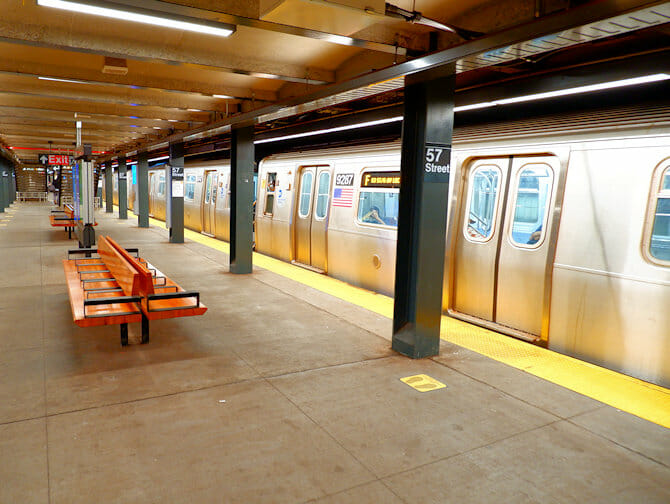
The New York City Subway operates on a simple, yet highly effective, pay-per-ride system. This means that regardless of the distance you travel, the fare remains the same for a single journey. This uniformity simplifies planning for travelers, allowing them to focus on their itinerary rather than complex zone-based pricing. The fare system is managed by the Metropolitan Transportation Authority (MTA), the agency responsible for public transportation in the New York metropolitan area.
Single Ride Fares
The standard fare for a single subway ride is a fixed amount. As of recent updates, this fare is set to be a convenient and accessible price point for most travelers. This single fare grants you unlimited transfers between subway lines within the system and also allows for free transfers to MTA buses within a two-hour window of your initial subway swipe. This flexibility is a significant advantage, especially when planning multi-stop days or when needing to combine subway and bus travel to reach your final destination. For instance, if you exit the subway and need to take a bus to reach a specific landmark like Times Square or a museum on Museum Mile, the transfer is included in your initial fare. This integrated approach makes the New York City Subway system incredibly efficient for exploring the city.
Payment Methods
Paying for your subway ride has become increasingly convenient with modern payment options. While cash was once the primary method, the advent of the OMNY (One Metro New York) system has revolutionized how riders pay. OMNY allows you to tap your contactless credit or debit card, smartphone, or wearable device directly at the turnstile. This eliminates the need to purchase a MetroCard beforehand, streamlining the boarding process. For those who prefer traditional methods or are not equipped with contactless payment options, MetroCards are still available for purchase at vending machines located in most subway stations. These machines accept cash and credit cards. You can choose to purchase a pay-per-ride MetroCard, on which you can load any amount, or opt for a 7-day Unlimited Ride MetroCard for frequent use.
Unlimited Ride Options and Savings
For visitors planning an extended stay or those who anticipate frequent subway use, unlimited ride options offer significant cost savings. These passes are designed to provide convenience and affordability for avid explorers of the city.
The 7-Day Unlimited Ride MetroCard
The 7-day Unlimited Ride MetroCard is a popular choice for tourists and short-term residents. This card allows for unlimited subway and local bus rides for a period of seven consecutive days, starting from the first time you use it. The cost of this card is a fixed price, which, when divided by the number of anticipated rides, often proves to be much more economical than purchasing single-fare tickets. For example, if you plan on using the subway multiple times a day to visit attractions like the Statue of Liberty, Central Park, or explore neighborhoods like Greenwich Village, the 7-day unlimited pass quickly pays for itself. It removes the need to constantly check your balance or purchase new tickets, allowing for spontaneous travel and a more immersive experience of New York.
The 30-Day Unlimited Ride MetroCard
For longer stays or for those who will be residing in New York for an extended period, the 30-day Unlimited Ride MetroCard offers even greater value. Similar to the 7-day pass, this card provides unlimited subway and local bus rides for a full month. The per-day cost is significantly lower than the 7-day option, making it an ideal choice for students, interns, or anyone spending a considerable amount of time in the city. This pass is particularly beneficial if your travel plans include extensive exploration of areas like Brooklyn, Queens, or The Bronx, where daily subway use can accumulate rapidly.
OMNY Fare Capping

A notable feature of the OMNY system is its fare capping. For individuals using OMNY to pay per ride with a contactless card or device, there is a weekly fare cap. After a certain number of paid rides within a Monday-to-Sunday week, any subsequent rides become free for the remainder of that week. This effectively functions like a 7-day unlimited pass without the need to purchase one in advance. This is particularly advantageous for visitors who are unsure of their daily usage, as it automatically provides the best value without upfront commitment. If you find yourself using the subway frequently during a particular week, you will automatically benefit from the fare cap, ensuring you don’t overspend on your rides.
Special Fares and Discounts
While the standard fares apply to most riders, certain groups are eligible for reduced fares, making the New York City Subway system more accessible to a wider range of individuals.
Reduced-Fare Program
The MTA offers a Reduced-Fare Program for eligible individuals. This program is primarily designed for seniors (aged 65 and older) and individuals with qualifying disabilities. Those who qualify can obtain a Reduced-Fare MetroCard or can register for OMNY with their reduced-fare benefits applied. The reduced fare is a specific percentage lower than the standard single ride fare, providing significant savings for these groups. Applicants typically need to provide proof of age or disability to be eligible for this program. This initiative underscores the MTA’s commitment to ensuring public transportation is accessible to all residents and visitors of New York.
Youth Fares
Young people also benefit from discounted fares on the New York City Subway. Students under a certain age, typically those in grades K-12, are eligible for a reduced fare when traveling to and from school or during off-peak hours. These fares are often purchased through school-issued passes or can be accessed via specific fare cards. The aim is to make commuting to educational institutions affordable for families. This policy supports young learners in their educational pursuits, encouraging them to use public transportation for their daily commutes.
Planning Your Subway Budget
Effectively budgeting for subway travel in New York involves understanding your travel patterns and choosing the most cost-effective payment method. A little planning can go a long way in saving money and ensuring a smoother travel experience.
Estimating Your Daily Usage
To determine the best fare option, consider how many times you anticipate using the subway each day. If you plan on visiting multiple attractions across different boroughs, such as the Metropolitan Museum of Art, the American Museum of Natural History, or venturing to Coney Island, you might be making four to six rides per day. In such scenarios, a 7-day Unlimited Ride MetroCard or leveraging the OMNY fare cap would likely be the most economical choice. For more leisurely days with fewer transit needs, paying per ride using OMNY or a pay-per-ride MetroCard offers more flexibility.
Considering Your Itinerary and Length of Stay
Your itinerary and the duration of your stay are crucial factors in your budget. For a short, weekend trip to New York, a few single rides might suffice. However, if you’re spending a week or more, exploring beyond Manhattan into areas like Queens or visiting family in Brooklyn, an unlimited pass becomes highly advantageous. Don’t forget to factor in potential travel to and from airports, though some airport connections may have separate fares or surcharges depending on the specific route. For instance, reaching JFK Airport via the AirTrain involves an additional fare on top of the regular subway fare.

Utilizing Fare Calculators and Apps
Several mobile applications and online resources can assist you in planning your subway journeys and estimating costs. Official MTA apps and third-party transit apps often provide real-time schedules, route planning, and fare information. Some can even help you track your spending and suggest the most cost-effective pass based on your projected travel. By using these tools, you can make informed decisions about whether to purchase a single ride, load value onto a MetroCard, or rely on the OMNY system’s fare capping to manage your subway expenses efficiently during your visit to the vibrant city of New York.
LifeOutOfTheBox is a participant in the Amazon Services LLC Associates Program, an affiliate advertising program designed to provide a means for sites to earn advertising fees by advertising and linking to Amazon.com. Amazon, the Amazon logo, AmazonSupply, and the AmazonSupply logo are trademarks of Amazon.com, Inc. or its affiliates. As an Amazon Associate we earn affiliate commissions from qualifying purchases.