
The art of preparing a perfect steak often evokes images of bustling New York City steakhouses or the serene satisfaction of a backyard grill. Yet, for the discerning traveler or the home chef seeking to recreate a gourmet experience, mastering the New York Strip steak in the oven offers an unparalleled blend of convenience and culinary excellence. This method is especially appealing when you find yourself in an exquisitely appointed apartment rental abroad, a luxury villa overlooking a breathtaking landscape, or simply wish to elevate a quiet evening at home into a special occasion.
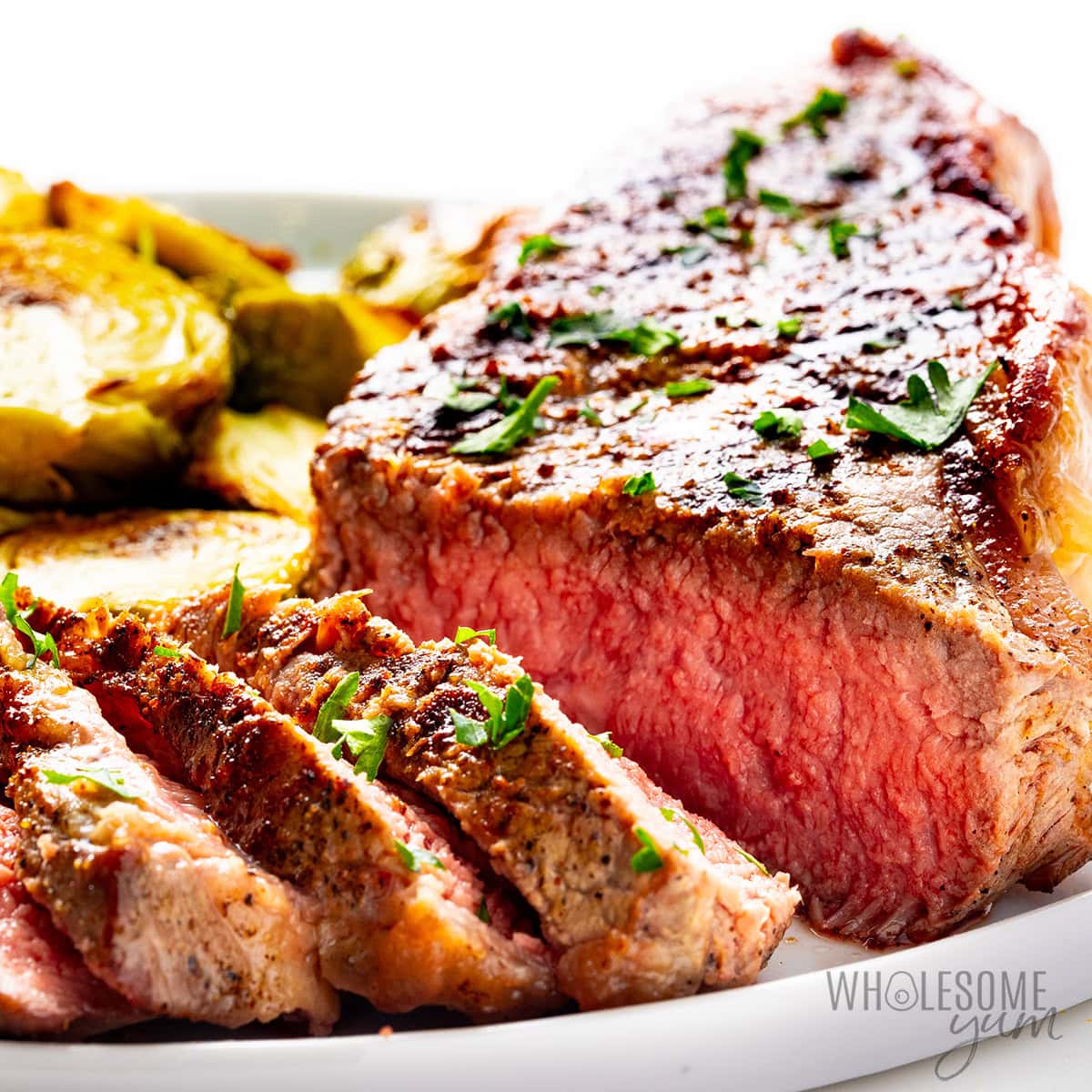
On a platform dedicated to exploring destinations, hotels, tourism, and sophisticated lifestyle choices, discussing the oven-cooked New York Strip isn’t merely about a recipe; it’s about the experience it unlocks. Imagine settling into a beautifully furnished suite after a day of exploring Paris, craving a substantial, perfectly cooked meal without the fuss of complex preparations or the need to venture out. The oven method, combining an initial sear with controlled roasting, delivers a juicy, tender, and flavorful steak that rivals those found in high-end fine dining restaurants. It’s an essential skill for anyone who appreciates the finer things in life, whether on a business trip or a leisurely family vacation.
The Allure of the New York Strip: A Culinary Journey
The New York Strip, also known as a Kansas City Strip or Strip Loin, is a cut celebrated for its ideal balance of tenderness and robust beefy flavor. Unlike the more marbled Ribeye or the lean Filet Mignon, the New York Strip offers a delightful chew and a satisfying richness that makes it a favorite among connoisseurs. Its distinctive fat cap, when rendered properly, contributes significantly to its succulence and taste. Learning to prepare this iconic cut in the oven provides not just a meal, but a skill that enhances your ability to create memorable culinary moments wherever your travels take you, from a quaint boutique hotel with kitchen access to a grand resort with self-catering options.
Why the Oven Method? Convenience Meets Quality for the Discerning Traveler
While grilling offers a smoky char and pan-searing alone provides a crisp crust, the oven method (specifically, a reverse sear or a sear-then-roast approach) is a champion of consistency and control. It’s particularly advantageous when you’re in an unfamiliar kitchen, perhaps in a rented accommodation in Rome or a serviced apartment in London, where outdoor grilling might not be an option, and open flames could be a concern. The oven ensures even cooking throughout the steak, eliminating cold spots and guaranteeing your desired level of doneness without constant vigilance. This means less stress and more time to enjoy your travel experiences or unwind after a busy day. Moreover, it allows for hands-off cooking for a significant portion of the process, freeing you up to prepare side dishes, pour a glass of Bordeaux, or simply relax.
Sourcing Your Steak: Global Flavors at Your Fingertips
The quality of your steak is paramount, and this often connects directly to the local culture and culinary landscape of your current location. Whether you’re in Buenos Aires, renowned for its exceptional beef, or a high-end butcher shop in Tokyo offering pristine cuts, sourcing the best possible meat is part of the adventure. Look for a steak that is at least 1.5 inches thick, with good marbling (the white flecks of fat within the muscle) and a vibrant red color. Brands like Angus are widely recognized for quality, while in certain regions, you might even find premium Wagyu or other local specialties. Don’t be afraid to ask local experts at markets or specialty stores for recommendations; it’s an opportunity to engage with the tourism aspect of food and discover unique regional offerings. Remember, a thicker steak is crucial for the oven method as it allows for a beautiful sear before slow-roasting without overcooking the interior.
Preparing Your Steak for Oven Perfection
Achieving a perfectly cooked New York Strip in the oven requires attention to detail, beginning long before it touches a pan. These initial steps are where the foundation of flavor and texture is built, ensuring a truly unforgettable meal.
Essential Ingredients and Tools: Equipping Your Culinary Command Center
One of the beauties of cooking steak in a well-equipped kitchen, whether in a high-end hotel suite or a self-catering villa, is having the right tools at your disposal. For this method, you’ll need:
- A heavy-bottomed, oven-safe pan: A Cast Iron Skillet is ideal for its superior heat retention and distribution, creating that enviable crust. Alternatively, a stainless steel pan can work.
- Meat thermometer: Absolutely crucial for accuracy, ensuring your steak is cooked to your preferred doneness without guessing. This is a small investment that pays dividends in perfectly cooked meats, a standard for even the finest restaurants.
- Tongs: For easy handling and turning.
- Foil: For resting the steak.
- High smoke point oil: Grapeseed, avocado, or canola oil are excellent choices. Olive oil has a lower smoke point and isn’t ideal for searing.
- Quality steak: As discussed, 1.5 to 2 inches thick is recommended.
- Coarse sea salt and freshly cracked black pepper: The simplest seasonings often yield the best results.
The Art of Seasoning: Simple Elegance
Seasoning a New York Strip should be straightforward, allowing the beef’s natural flavors to shine. Think of it as enhancing, not masking.
- Bring to Room Temperature: About 30-60 minutes before cooking, remove your steak from the refrigerator. This allows for more even cooking, preventing the exterior from overcooking while the interior remains cold. This is a common practice in top culinary establishments worldwide.
- Pat Dry: Use paper towels to thoroughly pat the steak dry on all sides. Moisture is the enemy of a good sear, as it creates steam rather than a crust. This step cannot be overstated for achieving that coveted golden-brown exterior.
- Season Generously: Liberally season both sides of the steak with coarse sea salt and freshly cracked black pepper. Don’t be shy; a thick steak can handle a good amount of seasoning. Some chefs also like a touch of garlic powder or onion powder, but for a classic New York Strip, salt and pepper are often sufficient. Consider how in different cultures, seasoning can vary; a steak in Milan might be seasoned differently than one in San Francisco, but the principle of enhancing the natural flavor remains.
Mastering the Oven Technique: From Sear to Serve
The magic of the oven method lies in the combination of initial high-heat searing for flavor and crust, followed by gentle roasting in the oven for even doneness. This technique minimizes the risk of overcooking and locks in juices, perfect for a celebratory meal during your luxury travel experiences.
The Perfect Sear: Cast Iron and High Heat
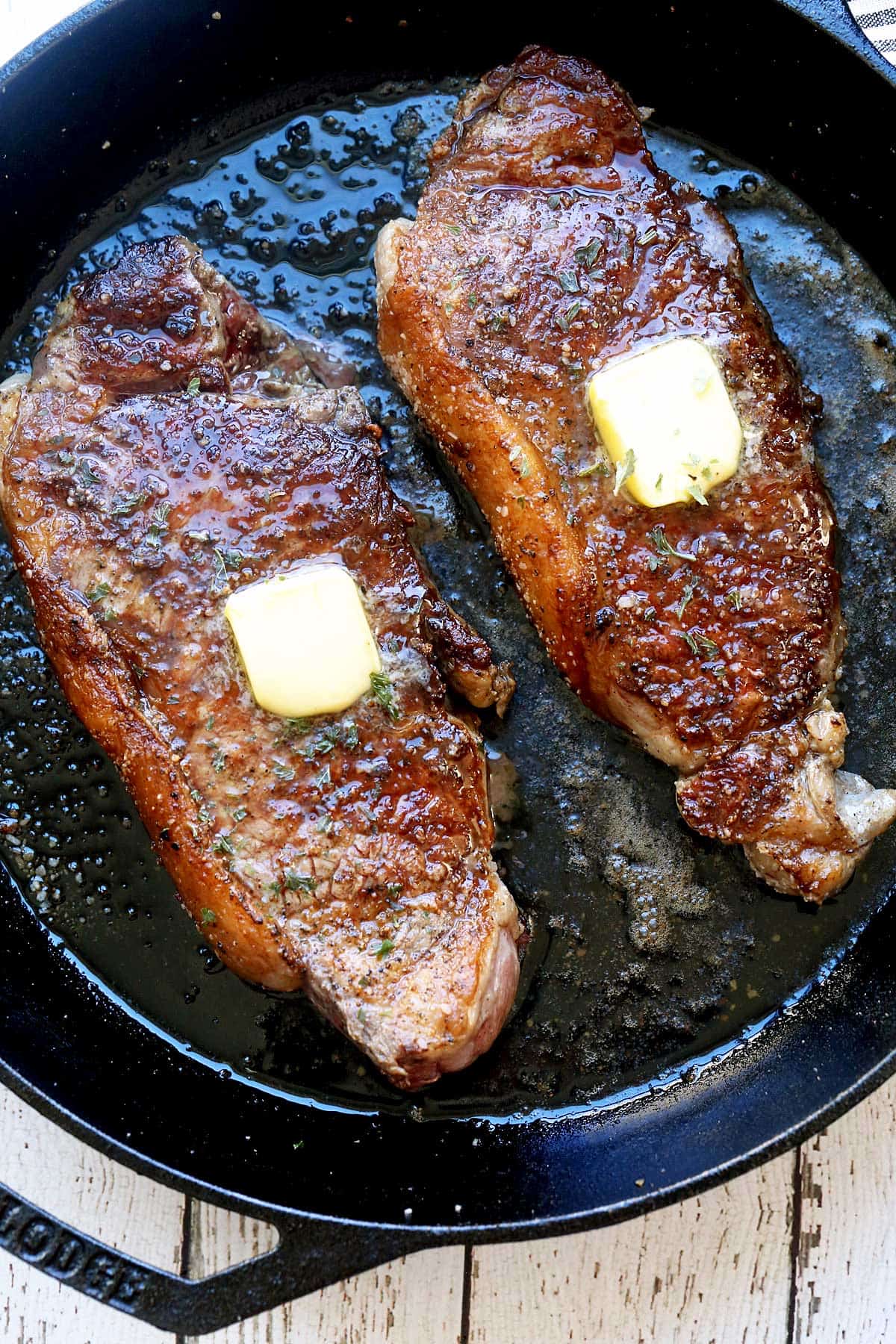
This is where the magic begins, creating that beautiful, flavorful crust that is characteristic of a great steak.
- Preheat Oven: Preheat your oven to 400°F (200°C).
- Heat the Pan: Place your Cast Iron Skillet (or other oven-safe pan) on the stovetop over high heat for 5-7 minutes until it’s screaming hot. You want to see wisps of smoke. This is critical for an instant, hard sear.
- Add Oil: Add a tablespoon or two of your high smoke point oil to the hot pan. Swirl to coat.
- Sear the Steak: Carefully place the seasoned steak into the hot pan. Sear for 2-3 minutes per side until a deep brown crust forms. Don’t move the steak during this time; let the heat do its work. For the fat cap on the side, use tongs to hold the steak on its side for 1-2 minutes to render some of the fat and add flavor. This initial searing process is vital for the Maillard reaction, which develops rich, complex flavors on the steak’s surface, a technique universally appreciated in gastronomy.
Oven Roasting for Desired Doneness
Once seared, the steak moves to the oven to finish cooking gently and evenly. This step is where your meat thermometer becomes your best friend.
- Transfer to Oven: Immediately transfer the pan with the seared steak into the preheated 400°F (200°C) oven.
- Roast: Cook for 5-10 minutes, depending on the thickness of your steak and your desired doneness. Use a meat thermometer inserted into the thickest part of the steak (avoiding bone or fat) to monitor the internal temperature.
- Rare: 120-125°F (49-52°C)
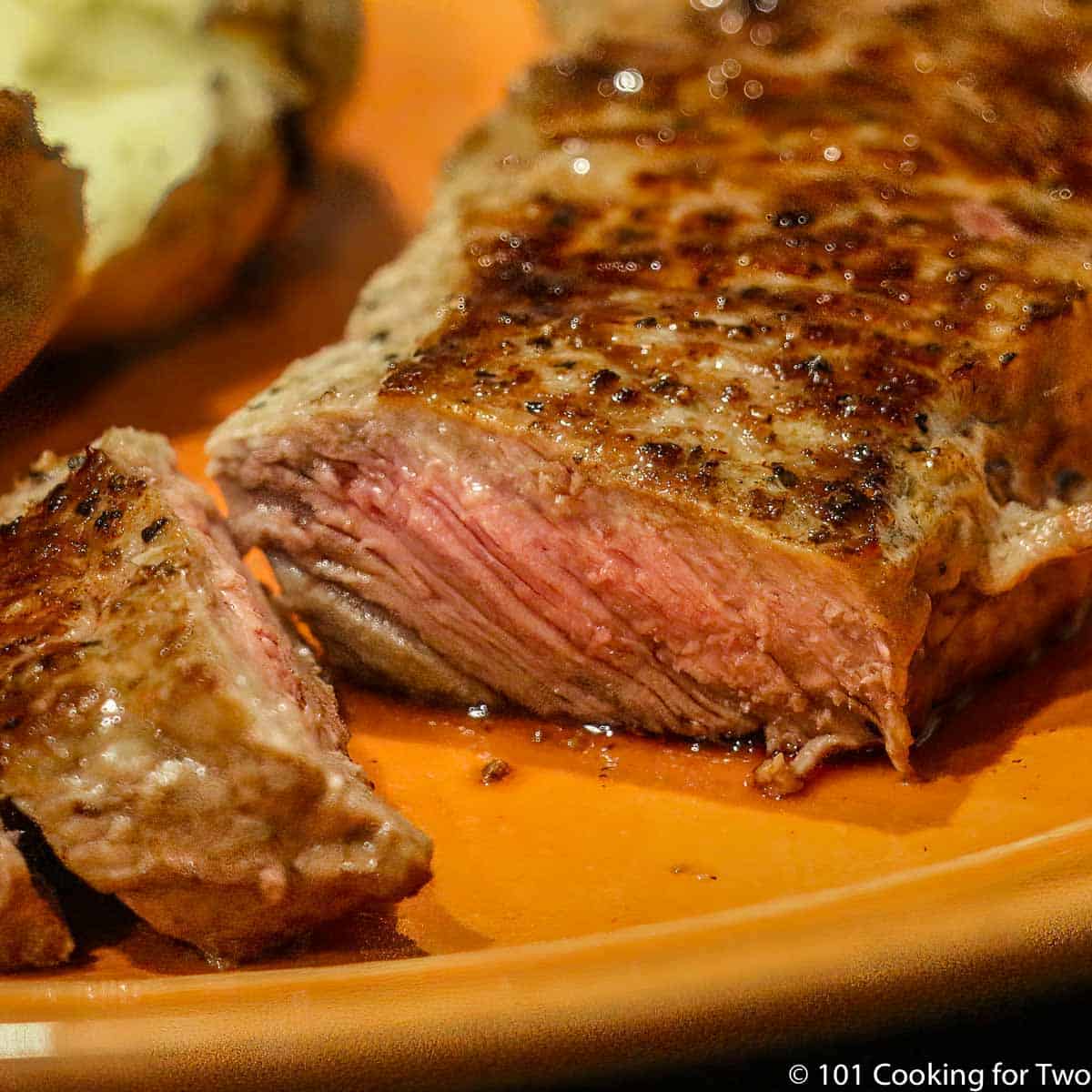
- Medium-Rare: 130-135°F (54-57°C) – Often considered ideal for New York Strip
- Medium: 135-140°F (57-60°C)
- Medium-Well: 140-145°F (60-63°C)
- Well-Done: 150°F+ (66°C+)
- Note: The temperature will rise another 5°F (3°C) while resting, so remove the steak slightly before your target temperature.
- Optional Basting: For extra flavor and moisture, you can add a knob of butter, a sprig of fresh rosemary or thyme, and a smashed garlic clove to the pan during the last few minutes of roasting. Tilt the pan and spoon the melted butter and aromatics over the steak, a technique often used by chefs in top resorts to impart nuanced flavors.
The Indispensable Rest: Patience is a Virtue
This step is arguably as crucial as the cooking itself. Skipping it will result in a less juicy steak, no matter how perfectly it was cooked.
- Remove from Oven: Once the steak reaches your desired internal temperature, carefully remove the pan from the oven.
- Transfer and Tent: Transfer the steak to a cutting board or plate. Tent it loosely with aluminum foil. Do not wrap it tightly, as this will steam the crust.
- Rest: Allow the steak to rest for at least 5-10 minutes (10-15 minutes for thicker cuts). During this time, the juices, which have been driven to the center of the steak during cooking, redistribute throughout the meat, resulting in a tender, incredibly juicy steak. This resting period is a non-negotiable step for any master chef, whether preparing a meal in Sydney or Dubai.
Elevating Your Steak Experience: Pairings and Presentation
A perfectly cooked New York Strip is a star in its own right, but thoughtful pairings and presentation can transform it into a truly memorable meal, reminiscent of a five-star dining experience. This is where the lifestyle aspect of our website truly comes into play, enhancing your travels and home experiences.
Complementary Sides: A Global Palate
The choice of side dishes can wonderfully complement the rich flavor of your steak. Consider options that add texture, color, and contrasting flavors.
- Classic Comfort: Creamy mashed potatoes, often found in traditional American steakhouses.
- Green Elegance: Roasted asparagus, sautéed green beans with garlic, or a simple crisp green salad with a vinaigrette. These lighter options balance the richness of the steak, a common pairing in European culinary tours.
- Hearty Roots: Roasted root vegetables like carrots or parsnips, or a baked potato with all the fixings.
- Sauces: While a great New York Strip needs little more than its own juices, a simple pan sauce made from the rendered fat, a splash of broth or red wine, and a touch of butter can be a delightful addition. A classic béarnaise or peppercorn sauce also works beautifully.
Wine Pairings: From Vineyard to Table
No fine steak dinner is complete without the perfect wine pairing. The robust flavor of a New York Strip calls for a wine that can stand up to its intensity without overpowering it.
- Cabernet Sauvignon: A classic choice, particularly from Napa Valley or Bordeaux, with its firm tannins and dark fruit notes, complements the steak’s richness perfectly.
- Merlot: A softer, fruitier alternative that still has enough body to pair well.
- Syrah/Shiraz: Known for its bold, spicy notes, which can create an exciting contrast with the savory steak.
- Malbec: Especially from Argentina, offering a rich, velvety texture and dark fruit flavors that are a natural match for beef.
- Sparkling Wine: For a truly celebratory touch, a glass of Champagne can cut through the richness and cleanse the palate, adding an unexpected but delightful flair.
Bringing the Fine Dining Experience Home (or to Your Travel Accommodation)
Mastering the oven-cooked New York Strip is more than just learning a recipe; it’s an investment in your culinary independence and a way to elevate your travel experiences. Whether you’re staying in a chic Ritz-Carlton resort with a private kitchen, a charming Four Seasons villa, or a modern Hyatt Regency apartment, the ability to prepare a perfectly cooked steak transforms an ordinary evening into an extraordinary one.
This skill allows you to enjoy gourmet quality without relying on restaurant reviews or fixed dining schedules. It offers the freedom to create an intimate, personalized meal, perhaps accompanied by local ingredients discovered during your adventures, or enjoyed with a breathtaking view from your temporary home, be it overlooking the Eiffel Tower or the serene Mediterranean Sea. In a world where accommodation booking often prioritizes amenities, having a kitchen equipped to prepare such a dish adds immense value to your stay. It encourages a deeper engagement with your surroundings and allows you to curate truly bespoke travel moments.
So, the next time you dream of a perfectly cooked steak, remember that the journey from raw cut to culinary masterpiece is just a few steps away, achievable right in your oven. It’s a testament to how simple yet profound techniques can transform a meal, bringing the luxury of global fine dining to your personal space, wherever that may be in the world. Enjoy the process, savor the results, and let your culinary skills be another passport to unforgettable experiences.
LifeOutOfTheBox is a participant in the Amazon Services LLC Associates Program, an affiliate advertising program designed to provide a means for sites to earn advertising fees by advertising and linking to Amazon.com. Amazon, the Amazon logo, AmazonSupply, and the AmazonSupply logo are trademarks of Amazon.com, Inc. or its affiliates. As an Amazon Associate we earn affiliate commissions from qualifying purchases.