
The sizzle of a perfectly grilled steak is more than just a sound; it’s an invitation to a culinary experience that resonates deeply with the spirit of travel and the pursuit of exquisite flavors. While exploring vibrant New York and its iconic landmarks offers unparalleled experiences, sometimes the greatest adventure lies in bringing a taste of those destinations directly to your own backyard. The New York Strip Steak, a cut celebrated for its robust flavor and ideal texture, embodies a piece of culinary heritage from the United States. Its name itself evokes images of bustling steakhouses and sophisticated dining in the heart of Manhattan. This guide isn’t just about cooking a steak; it’s about mastering a skill that enhances your lifestyle, whether you’re hosting an elegant evening at home, enjoying the amenities of a luxury villa on holiday, or simply craving an authentic taste that transports you. Get ready to transform a simple cut of beef into a memorable feast, one perfectly grilled stripe at a time, connecting food, culture, and the joy of discovery.
The Allure of the New York Strip: A Culinary Journey
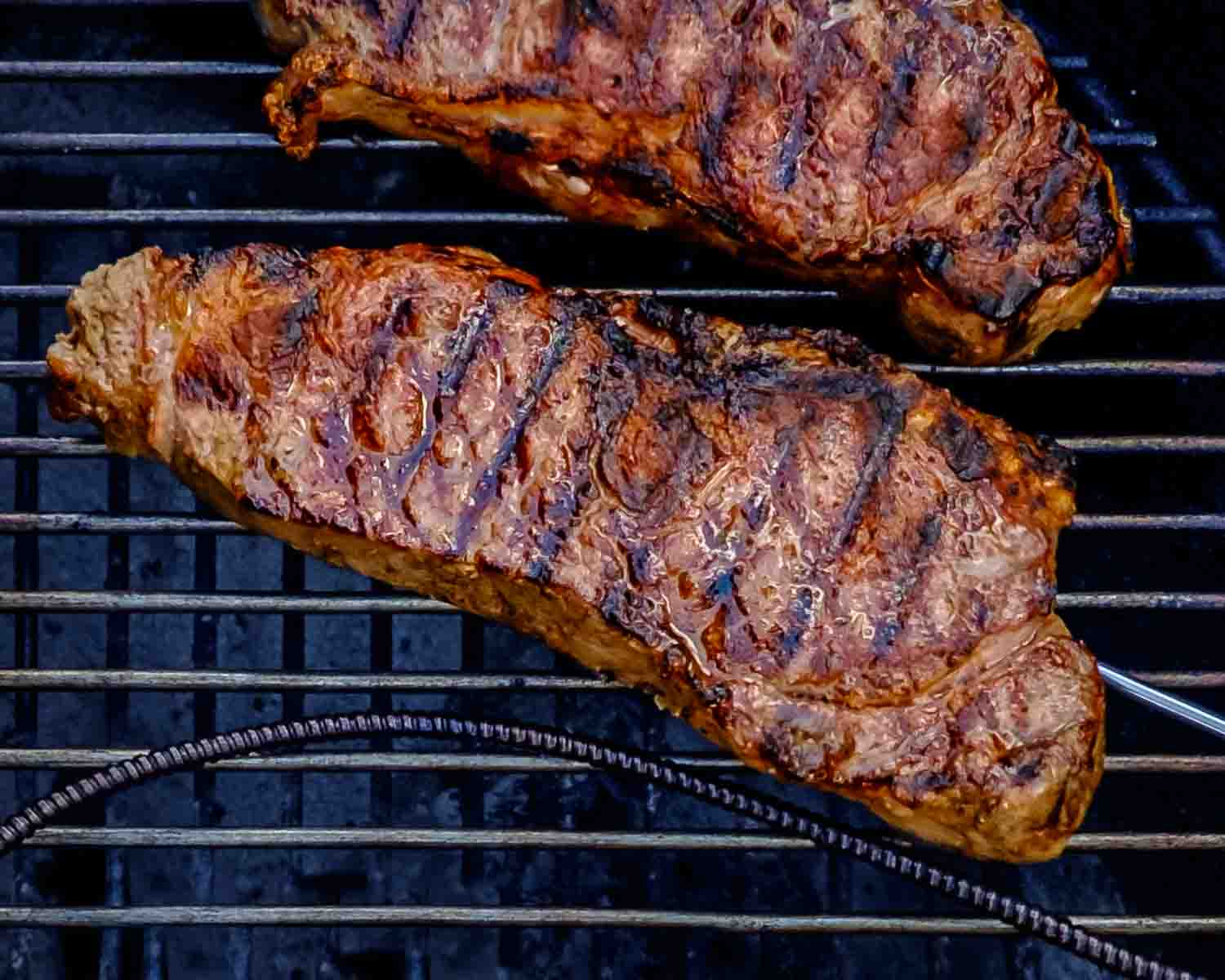
The New York Strip, often referred to as a Kansas City Strip, Club Steak, or Sirloin, is more than just a cut of beef; it’s a narrative of American culinary evolution and a testament to the nation’s rich gastronomic landscape. For travelers, understanding the origins and cultural significance of such dishes deepens the appreciation of local food and tourism. It’s a quintessential steakhouse staple, known for its fine grain, generous marbling, and a perfect balance of tenderness and chewiness. Located along the short loin, adjacent to the tenderloin, this boneless cut delivers a robust beefy flavor that stands up beautifully to the intense heat of a grill. Its popularity stretches far beyond the bustling avenues of New York, finding its place on menus in luxury hotels and fine dining resorts across the globe, a true icon of culinary lifestyle.
Tracing its Origins: From Butcher Shops to Global Tables
The story of the New York Strip is intertwined with the history of grand steakhouses that emerged in the United States during the 19th and early 20th centuries. While its exact birthplace is debated, New York City claims a strong association, particularly with iconic establishments that popularized grilling robust cuts of beef. Imagine the atmosphere in a historic Manhattan steakhouse, where discerning diners would gather, perhaps after a day of exploring Central Park or visiting world-renowned museums. The steak became synonymous with quality, indulgence, and the burgeoning American lifestyle. Today, this cut is revered not just in its homeland but has become a global culinary ambassador. From sophisticated restaurants in Paris to beachfront resorts in Southeast Asia, the New York Strip represents a universal language of gourmet grilling, often featured as a highlight of international food festivals and culinary tours. It’s a testament to how specific local food items can transcend borders and become integral to global gastronomy, offering a taste of culture regardless of your physical destination.
Why the Grill? Embracing the Outdoor Lifestyle
Grilling a New York Strip is not just a cooking method; it’s an integral part of the outdoor lifestyle for many, particularly when considering travel and accommodation choices. Whether you’re at a boutique hotel with a rooftop grill, a vacation rental villa equipped for al fresco dining, or camping at a scenic national park, the grill offers a unique smoky flavor and a beautiful crust that ovens simply cannot replicate. The high, direct heat sears the exterior quickly, locking in juices and creating that desirable char. This process not only enhances the flavor profile but also connects us to a more primal, communal way of preparing food, often associated with relaxing experiences and family trips. It’s an activity that can be enjoyed almost anywhere, from urban patios to serene natural landscapes, making it a versatile skill for any traveler or home chef seeking to infuse their meals with a sense of adventure and local culture.
Mastering the Grill: Essential Steps for a Perfect New York Strip
Achieving steakhouse quality at home or during your travels, perhaps at a well-equipped apartment rental or long-term stay accommodation, is entirely within reach. The secret lies in understanding the fundamentals and respecting the quality of your ingredients. This section will guide you through the process, ensuring your New York Strip is always a highlight, a testament to culinary expertise and good taste, perfectly aligning with a luxury travel ethos.
Selecting Your Prime Cut: Quality Matters
The foundation of a great grilled steak begins with selecting the right cut. For a New York Strip, look for a steak that is at least 1 to 1.5 inches thick. This thickness is crucial for achieving a beautiful sear on the outside while maintaining a juicy, tender interior. Observe the marbling—the streaks of fat running through the lean meat. Excellent marbling is a hallmark of flavor and tenderness. When traveling, consider sourcing your meat from reputable local butchers, a fantastic way to engage with local culture and discover regional specialties. In some destinations, like Argentina or Japan, the quality of beef is itself a tourist attraction and a key part of the culinary experience. For the ultimate luxury lifestyle experience, seek out USDA Prime or equivalent grades internationally, or even specialty cuts like Wagyu for an unparalleled richness. Remember, a good steak needs little embellishment, so invest in quality.
The Art of Seasoning: Simple Elegance
A quality New York Strip doesn’t require complex marinades. Simplicity is key to allowing the natural, robust beef flavor to shine.
- Pat Dry: Before anything else, pat your steak thoroughly dry with paper towels. Excess moisture on the surface hinders searing and prevents that coveted crust.
- Generous Salt: Season generously with coarse sea salt or kosher salt. Don’t be shy; a thick steak can handle a good amount of salt, which also helps draw out moisture and create a better crust.
- Freshly Ground Black Pepper: Follow with freshly ground black pepper.
- Optional Enhancements: For a subtle boost, a light dusting of garlic powder or onion powder can be added. Some chefs even suggest a light coat of olive oil before seasoning to help the spices adhere.
For the best results, season your steak at least 40 minutes before grilling, or even better, overnight in the refrigerator (uncovered) to allow the salt to penetrate and tenderize the meat. This dry brining method is a simple yet effective tip for elevating your grilling technique.
Achieving the Perfect Sear: Heat and Technique
The sear is where the magic happens, creating a flavorful, crispy crust.
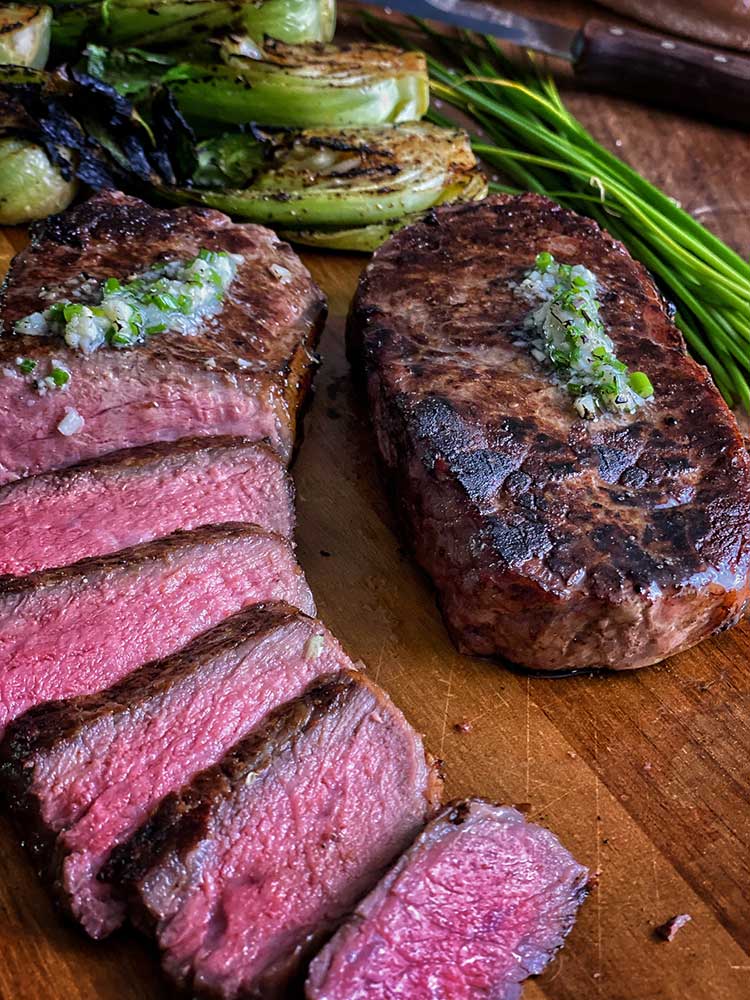
- Preheat Your Grill: This is non-negotiable. Whether gas or charcoal, get your grill screaming hot—aim for temperatures around 450-500°F (232-260°C). For charcoal, establish two zones: a hot direct heat zone and a cooler indirect heat zone.
- Clean and Oil Grates: Clean your grates thoroughly with a wire brush, then lightly oil them with a high smoke point oil (like grapeseed or canola) to prevent sticking.
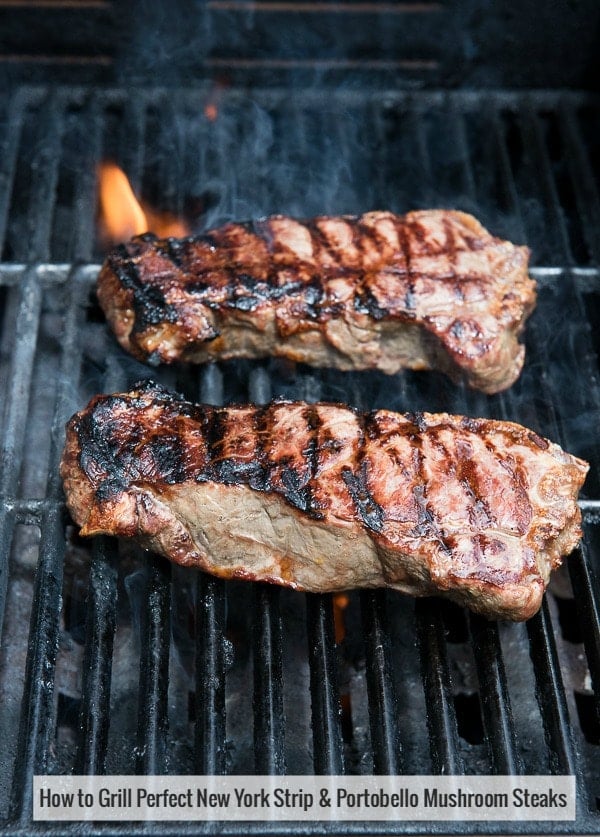
- Direct Heat Initial Sear: Place the seasoned steak directly over the hottest part of the grill. For a perfect cross-hatch, sear for 2-3 minutes, then rotate the steak 90 degrees and sear for another 2-3 minutes. Flip the steak and repeat on the other side. This initial high-heat exposure develops a rich, brown crust through the Maillard reaction.
Temperature and Doneness: A Culinary Precision
After the initial sear, move your New York Strip to the cooler, indirect heat zone of the grill to finish cooking to your desired doneness. This prevents the exterior from burning while the interior reaches temperature. The only way to truly know your steak’s doneness is with an instant-read meat thermometer. Insert it into the thickest part of the steak, avoiding the bone.
Doneness Guide (Internal Temperature):
- Rare: 125-130°F (52-54°C)
- Medium-Rare: 130-135°F (54-57°C) – Often considered ideal for New York Strip
- Medium: 135-140°F (57-60°C)
- Medium-Well: 140-145°F (60-63°C)
- Well-Done: 150°F+ (66°C+)
Remember, the steak’s temperature will rise by 5-10°F (3-5°C) during resting (carryover cooking), so remove it from the grill a few degrees before your target temperature. This precision is a key tip for any aspiring chef, whether at home or managing catering for a business stay event.
The Crucial Rest: Enhancing Flavor and Juiciness
This is perhaps the most overlooked, yet vital, step in grilling a perfect steak. Once your New York Strip reaches its target temperature, remove it from the grill and place it on a cutting board, ideally tented loosely with foil. Allow it to rest for at least 5-10 minutes. During grilling, the muscle fibers contract, pushing the juices to the center of the steak. Resting allows these juices to redistribute throughout the meat, resulting in a more tender, flavorful, and juicy bite. Cutting into the steak too soon will result in a dry, less enjoyable experience, watching precious juices escape onto your board. This simple practice is an essential part of the culinary guides for meat preparation.
Enhancing Your Grilling Experience: Beyond the Plate
Grilling a New York Strip is not merely about the cooking process; it’s an opportunity to curate an entire sensory experience that complements your culinary adventure. Whether you’re entertaining guests at your home or enjoying the bespoke services and amenities of a luxury resort, these elements elevate the meal from good to unforgettable, reflecting a discerning lifestyle.
Pairing Perfection: Wines and Sides for Your Steak
The robust flavor of a grilled New York Strip demands equally bold companions.
- Wine Pairings:
- Cabernet Sauvignon: This classic pairing is a match made in heaven. A full-bodied Cabernet Sauvignon from Napa Valley, Sonoma, or a Left Bank Bordeaux in France offers tannins that cut through the richness of the steak, enhancing both flavors. Many travelers plan entire tours around these renowned wine regions.
- Syrah/Shiraz: Whether a spicy Rhône from France or a fruit-forward Shiraz from Australia, these wines offer peppery notes and a hearty structure that beautifully complements grilled beef.
- Malbec: From the high altitudes of Argentina, a Malbec brings dark fruit flavors and a smooth finish, a fantastic choice for richer cuts of meat. Experiencing wine tastings in these South American vineyards is a popular travel experience.
- Side Dishes:
- Classic Comforts: Creamed spinach, garlic mashed potatoes, or crispy roasted asparagus are timeless steakhouse sides that elevate the meal.
- Grilled Vegetables: For a lighter, complementary option, grill seasonal vegetables like bell peppers, zucchini, corn on the cob, or portobello mushrooms alongside your steak. These can often be found fresh at local markets, providing a delightful cultural experience while traveling.
- Sauces: A simple pan sauce made with red wine, butter, and herbs, or a classic béarnaise or chimichurri, can add an extra layer of flavor without overpowering the steak.
Grilling in Style: Incorporating it into Your Travels
Imagine the pleasure of grilling your own New York Strip while overlooking the Mediterranean Sea from your private villa in Italy, or on the patio of a suite at a five-star resort in Hawaii. This isn’t just a fantasy; many accommodations and travel experiences cater to this desire for personalized culinary enjoyment.
- Villa and Apartment Rentals: Opting for self-catering accommodations often means access to fully equipped kitchens and outdoor grilling areas. This offers the freedom to experiment with local ingredients, like fresh seafood or artisanal cheeses found in vibrant European markets, alongside your grilled steak, turning cooking into a delightful activity.
- Resort Amenities: Many luxury resorts and boutique hotels now feature outdoor kitchens, BBQ pits, or even private chef services where you can learn grilling techniques. These experiences are often highlighted in travel guides and positive hotel reviews.
- Culinary Tours and Cooking Classes: Beyond just eating, immersive culinary tours in destinations like Thailand, Italy, or Mexico can teach you how local grilling traditions and flavors can be incorporated into your repertoire, adding another layer to your understanding of food culture.
From Manhattan Grills to Global Adventures: Bringing Flavors Home
The ultimate joy of mastering the grilled New York Strip is the ability to recreate that exquisite taste and memorable experience no matter where you are. It’s about taking the culinary inspiration from your travels – whether it’s the robust flavors of South American beef, the precision of Japanese grilling, or the simple elegance of European presentation – and integrating it into your home lifestyle. This skill becomes a part of your personal travelogue, a delicious reminder of destinations visited and cultures explored. Through cooking, you continuously engage with the world, bringing its diverse flavors and traditions to your table, making every meal an adventure.
LifeOutOfTheBox is a participant in the Amazon Services LLC Associates Program, an affiliate advertising program designed to provide a means for sites to earn advertising fees by advertising and linking to Amazon.com. Amazon, the Amazon logo, AmazonSupply, and the AmazonSupply logo are trademarks of Amazon.com, Inc. or its affiliates. As an Amazon Associate we earn affiliate commissions from qualifying purchases.