
Navigating the intricate network of bridges, tunnels, and parkways that define the New York metropolitan area can be a quintessential part of experiencing the Empire State. Whether you’re a tourist eager to explore iconic landmarks like the Statue of Liberty or a business traveler en route to a crucial meeting, understanding how to pay tolls is paramount to a smooth and efficient journey. The state of New York employs a sophisticated toll collection system, primarily relying on electronic tolling and, in some instances, cash payments. This guide will demystify the process, ensuring you’re well-prepared for your travels across bridges and through tunnels operated by entities such as the Metropolitan Transportation Authority (MTA) and the Port Authority of New York and New Jersey.
Understanding New York’s Toll System
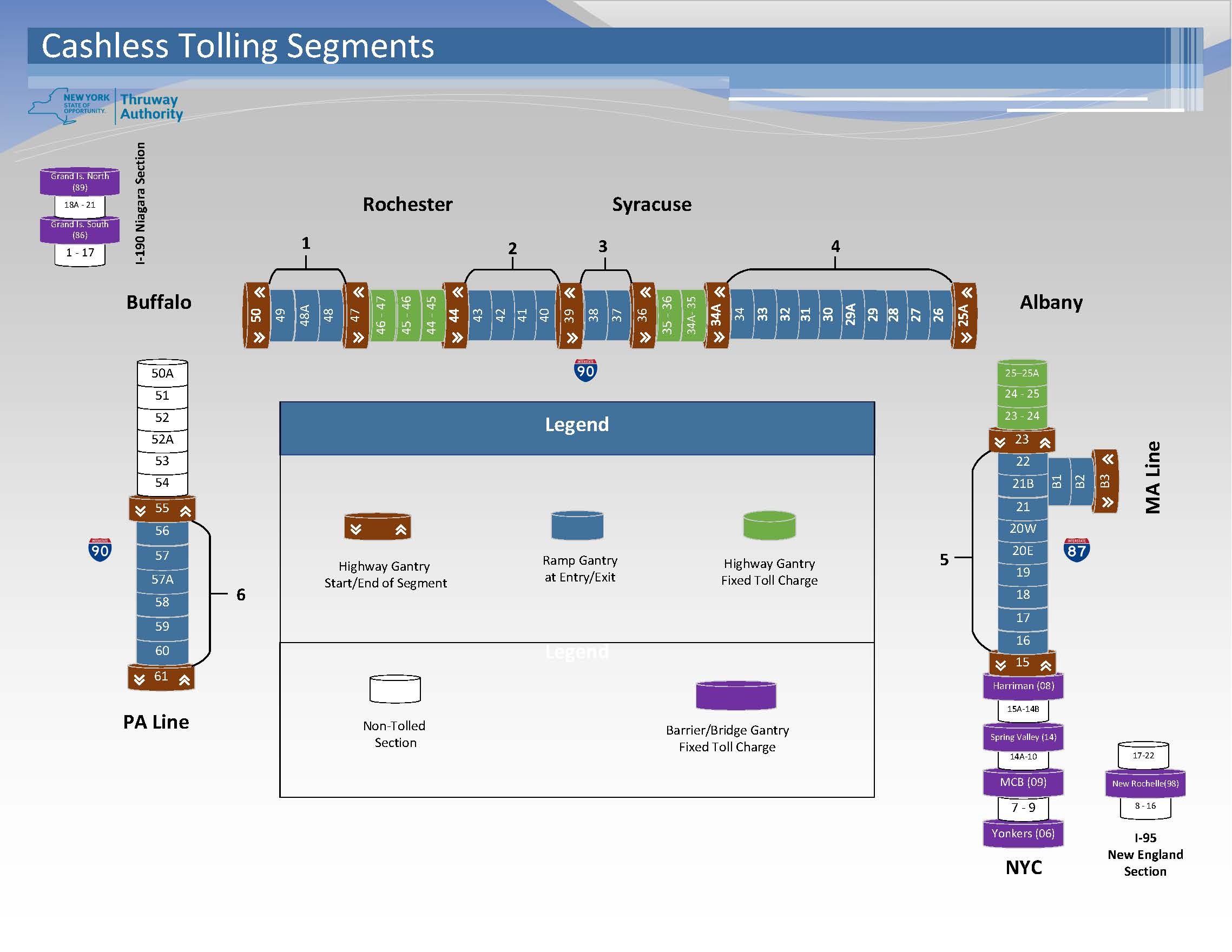
New York’s toll infrastructure is designed to facilitate traffic flow and reduce congestion. Over the years, there has been a significant shift towards cashless tolling, a method that streamlines the payment process for drivers and contributes to environmental benefits by reducing idling vehicles. Recognizing the different types of toll collection methods and the specific facilities that employ them is the first step in mastering New York’s toll payment landscape.
Cashless Tolling: The Dominant Method
Cashless tolling, also known as all-electronic tolling (AET), is the predominant method for paying tolls on most major arteries in New York. This system utilizes overhead gantries equipped with sensors and cameras to record vehicles passing through. There are no toll booths or cashiers; instead, tolls are collected through one of two primary mechanisms:
EZ-Pass: The Preferred Electronic Toll Transponder
The EZ-Pass is the most convenient and widely accepted electronic toll collection device in New York and across many northeastern states. By mounting an EZ-Pass transponder on your vehicle’s windshield, tolls are automatically deducted from your linked prepaid account as you pass through designated toll points. This method offers the fastest and most seamless experience, often coming with discounted toll rates compared to other payment methods. To obtain an EZ-Pass, you can register online through the official EZ-Pass website, by phone, or at authorized retail locations. It’s crucial to ensure your transponder is properly registered and that your account has sufficient funds to avoid any potential violations.
Tolls By Mail / Tolls By Plate: The Alternative for Non-EZ-Pass Users
For drivers who do not have an EZ-Pass transponder, New York utilizes a “Tolls By Mail” or “Tolls By Plate” system. In this scenario, the cameras capture your license plate number, and a bill is mailed to the registered owner of the vehicle. The bill will typically include the toll amount, plus administrative fees. It’s essential to pay these bills promptly to avoid late fees and escalating penalties. You will receive these bills at the address associated with your vehicle’s registration with the Department of Motor Vehicles. While this system eliminates the need for an immediate payment at the time of passage, it is generally more expensive than using an EZ-Pass due to administrative surcharges. The MTA and the Port Authority of New York and New Jersey both utilize variations of this system for drivers without transponders.
Bridging the Gap: Tolls on Key Structures
Understanding which specific bridges and tunnels fall under the cashless tolling umbrella is vital. This knowledge helps in preparing the correct payment method and avoiding unexpected charges.
Major Bridges with Cashless Tolling
The Metropolitan Transportation Authority (MTA) operates numerous bridges throughout New York City and its surrounding areas, all of which have transitioned to cashless tolling. This includes iconic crossings such as the Verrazzano-Narrows Bridge connecting Brooklyn and Staten Island, the Triborough Bridge (now officially the Robert F. Kennedy Bridge), the Bronx-Whitestone Bridge, and the Throgs Neck Bridge, linking Bronx and Queens. Similarly, the Port Authority of New York and New Jersey manages critical crossings like the George Washington Bridge, which connects New York City with Fort Lee, New Jersey, the Outerbridge Crossing connecting Staten Island to Perth Amboy, New Jersey, and the Bayonne Bridge linking Staten Island to Bayonne, New Jersey. All these facilities operate on a cashless system.
Tunnels with Cashless Tolling
The MTA also operates the two major East River tunnels: the Queens-Midtown Tunnel and the Hugh L. Carey Tunnel (formerly the Brooklyn-Battery Tunnel). Both have fully embraced cashless tolling. The Port Authority of New York and New Jersey operates the Lincoln Tunnel and the Holland Tunnel, which also use cashless tolling. For these tunnels, the direction of travel will determine the tolling point and the entity responsible for collection.
Paying Your Tolls: Practical Steps and Considerations
Successfully navigating New York’s toll system requires proactive planning and a clear understanding of the payment options available to you. Whether you’re a local resident or a visitor exploring attractions like Times Square or heading upstate to the Adirondack Mountains, being prepared can save you time and money.
For EZ-Pass Holders: The Seamless Experience
If you are an EZ-Pass holder, your experience will be largely automated.
- Transponder Placement: Ensure your EZ-Pass transponder is correctly mounted on your vehicle’s windshield, typically behind the rearview mirror. Consult your transponder’s instructions for optimal placement to ensure it’s read accurately by the overhead gantries.
- Account Management: Regularly check your EZ-Pass account balance. Most users opt for automatic replenishment, where funds are added to your account when your balance falls below a certain threshold. This prevents potential issues with insufficient funds, which can lead to violations.
- Vehicle Information: Ensure that the vehicle registered with your EZ-Pass account is the one you are currently driving. If you are using a rental car or a different vehicle, you may need to add it to your account temporarily or consider using the “Tolls By Mail” option.
For Non-EZ-Pass Holders: Managing Tolls By Mail
If you do not have an EZ-Pass transponder, you will be subject to the “Tolls By Mail” system.
- License Plate Recognition: Cameras will capture your license plate, and a bill will be mailed to the address on file with your state’s Department of Motor Vehicles.
- Timely Payment: It is imperative to pay these bills promptly upon receipt. The mailing process can take some time, so be aware of the grace period provided before late fees are applied.
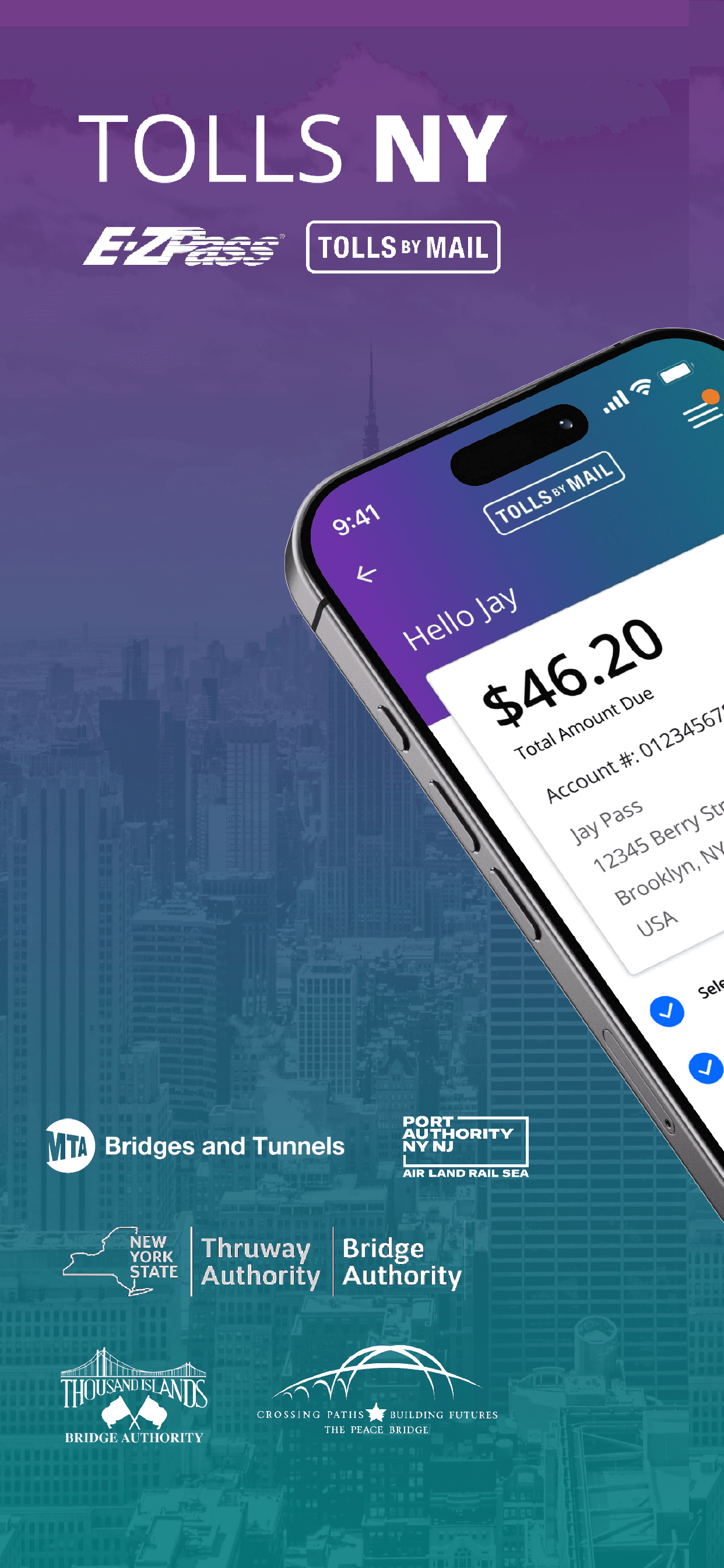
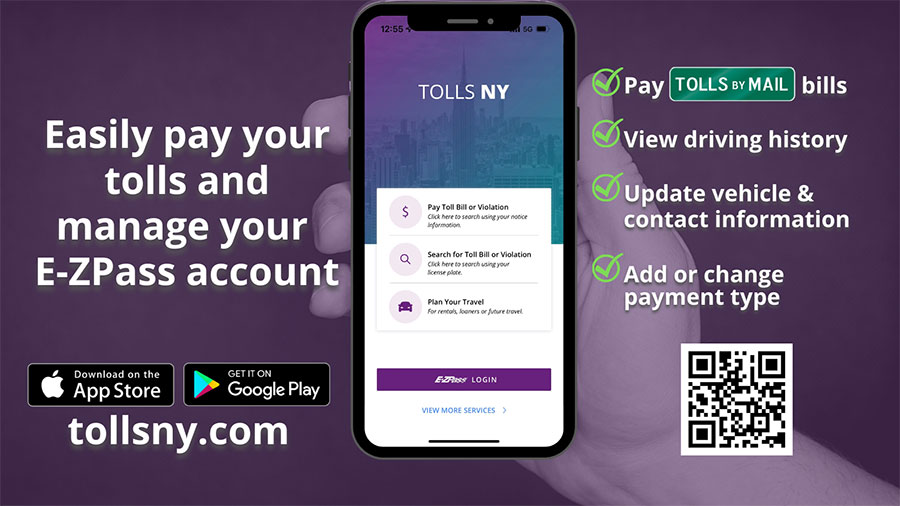
- Online Payment Options: Both the MTA and the Port Authority of New York and New Jersey offer online portals where you can view and pay your tolls. You can often set up an account using your license plate number to manage and pay outstanding bills.
- Potential Surcharges: Be aware that tolls paid through this method typically include administrative fees, making it a more expensive option than using an EZ-Pass.
Avoiding Toll Violations and Penalties
Understanding and adhering to New York’s toll payment regulations is crucial to avoid incurring penalties. Violations can quickly escalate, leading to significant financial burdens and potential issues with your vehicle registration.
Understanding Violations
A toll violation occurs when a toll is not paid within the designated timeframe. For cashless tolling systems, this can happen if:
- Your EZ-Pass transponder is not read correctly due to improper placement, a low battery, or insufficient funds in your account.
- You fail to pay a “Tolls By Mail” invoice within its due date.
- Your license plate is unreadable, preventing the billing system from identifying your vehicle.
Consequences of Non-Payment
The consequences of toll violations can be severe and include:
- Late Fees: Initial late fees are typically applied shortly after the initial payment deadline.
- Increased Fines: If the violation remains unpaid, further escalating fines will be added. These can far exceed the original toll amount.
- Collection Agencies: Unpaid tolls and penalties may be turned over to a collection agency, impacting your credit score.
- Vehicle Registration Suspension: In some cases, persistent non-payment can lead to the suspension of your vehicle’s registration with the Department of Motor Vehicles. This means you would be unable to legally operate your vehicle until the outstanding debts are settled.
Strategies to Prevent Violations
Proactive measures are the best defense against toll violations:
- Get an EZ-Pass: If you plan to drive in New York frequently, investing in an EZ-Pass is the most cost-effective and convenient solution.
- Maintain Your Account: Regularly check your EZ-Pass account balance and ensure your payment method is up-to-date.
- Keep Your Vehicle Information Current: Ensure that your vehicle’s license plate information is correctly registered with your EZ-Pass account.
- Address Mail Promptly: If you receive a “Tolls By Mail” notice, deal with it immediately. Visit the relevant authority’s website to confirm the bill and make the payment.
- Verify Toll Charges: If you believe you have received a violation notice in error, contact the issuing authority immediately to dispute the charge. Providing proof of payment or explaining the circumstances can help resolve the issue.
Planning Your Journey: Tolls and Destination Access
When planning your itinerary in New York, factoring in toll costs and knowing how they affect your access to various destinations is a smart move. From the bustling streets of Manhattan to the scenic landscapes of the Hudson Valley, tolls are an integral part of the regional transit system.
Integrating Tolls into Your Travel Budget
Tolls in New York can add up, especially if your travel plans involve crossing multiple bridges or tunnels daily.
- Estimate Costs: Use online toll calculators provided by the MTA or the Port Authority of New York and New Jersey to estimate the toll expenses for your planned routes. This is especially useful if you’re planning excursions to popular spots like Jones Beach State Park or driving to events at Yankee Stadium.
- Consider EZ-Pass Discounts: If you anticipate significant toll usage, the savings from an EZ-Pass can be substantial. This is particularly relevant for visitors staying in New Jersey and commuting into New York City.
- Factor in Rental Car Tolls: If you’re renting a car, inquire about their toll payment policies. Many rental companies offer toll transponders for an additional daily fee, which can simplify the process but also increase costs. Alternatively, you can request to use your own EZ-Pass if permissible.
Navigating to Popular Attractions
Many of New York’s most famous attractions are accessible via tolled routes.
- Manhattan Access: Crossing into Manhattan from surrounding boroughs or New Jersey often involves tolls on bridges like the George Washington Bridge or tunnels like the Holland Tunnel or Lincoln Tunnel.
- Long Island Excursions: Traveling to popular Long Island destinations such as Jones Beach State Park or the Hamptons may involve tolls on bridges like the Verrazzano-Narrows Bridge.
- Staten Island and Brooklyn: Accessing Staten Island from Brooklyn, for example, requires payment on the Verrazzano-Narrows Bridge.
By familiarizing yourself with these payment methods and proactively planning your routes, you can ensure your travels through New York are as smooth and enjoyable as possible, allowing you to focus on the incredible experiences the state has to offer.
LifeOutOfTheBox is a participant in the Amazon Services LLC Associates Program, an affiliate advertising program designed to provide a means for sites to earn advertising fees by advertising and linking to Amazon.com. Amazon, the Amazon logo, AmazonSupply, and the AmazonSupply logo are trademarks of Amazon.com, Inc. or its affiliates. As an Amazon Associate we earn affiliate commissions from qualifying purchases.