
New York – a name that conjures images of vibrant cityscapes, breathtaking natural wonders, and a relentless pursuit of opportunity. From the dazzling lights of Times Square to the serene majesty of the Adirondack Mountains, the Empire State offers an unparalleled tapestry of experiences for travelers, residents, and those seeking to merge work with an enriching lifestyle. Whether you’re dreaming of a temporary stay, a working holiday, or a permanent relocation, understanding the nuances of life and employment in this dynamic state is crucial. One such nuance, often overlooked by visitors but vital for anyone considering professional engagement, is the concept of “at-will employment.”
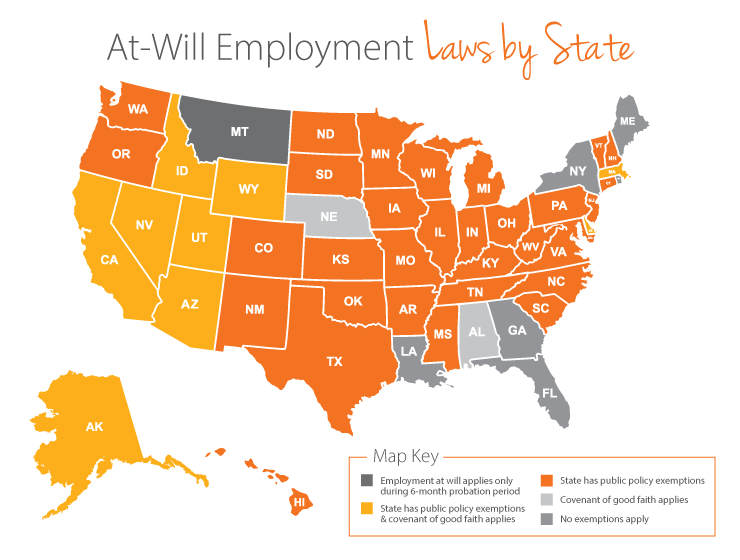
For many, New York represents a land of career dreams, a place where ambition can truly take flight. But what are the underlying legal frameworks that govern this bustling professional landscape? Is New York an at-will state? The simple answer is yes, like the majority of the United States. However, beneath this straightforward declaration lies a layered system of exceptions, protections, and practical implications that can significantly shape one’s experience, from job security to the overall work-life balance. For those exploring New York not just as a tourist destination but as a potential hub for extended stays, career development, or even a new chapter, grasping this fundamental aspect of employment law is as important as knowing where to find the best local food or the most charming boutique hotels. This article delves into the specifics of at-will employment in New York, exploring how it impacts job seekers, employers, and the very fabric of the state’s vibrant tourism and lifestyle sectors, offering insights that bridge legal understanding with practical advice for an unforgettable New York experience.
Understanding At-Will Employment in New York
The concept of at-will employment is a cornerstone of labor law in most United States jurisdictions, and New York is no exception. While it might sound daunting, understanding its core principles and the protections that accompany it is essential for anyone considering working or even establishing a long-term base in the state. For travelers eyeing an extended visit or digital nomads contemplating a temporary work setup, this knowledge can be just as valuable as researching accommodation options or mapping out must-see landmarks.
The Core Principle: Freedom to Hire and Terminate
At its heart, at-will employment signifies a mutual freedom in the employment relationship. It means that, in the absence of a specific contract or legal exception, an employer can terminate an employee for any reason, no reason, or even a morally questionable reason, so long as it’s not an illegal reason. Conversely, an employee is also free to leave their job at any time, for any reason, without notice (though providing notice is generally considered professional courtesy and is often expected). This bilateral freedom is designed to foster flexibility in the labor market, allowing businesses to adapt quickly to economic changes and individual employees to pursue better opportunities without being tied down by long-term commitments.
In New York, this principle applies broadly across industries, from the bustling corporate offices of Manhattan’s Financial District to the seasonal hospitality roles in the Finger Lakes region. For employers, it offers agility in managing their workforce, enabling them to hire and scale operations based on demand, which is particularly relevant in dynamic sectors like tourism and hospitality. Consider a luxury resort like The St. Regis New York or a restaurant near Broadway; the ability to adjust staffing levels quickly can be critical for maintaining service quality during peak travel seasons or adapting to economic downturns. For potential employees, this flexibility can mean easier access to temporary or seasonal work, which might be attractive for those on extended travel plans or individuals looking to gain experience in a new field without the burden of long-term contractual obligations. It’s a double-edged sword: while it offers flexibility, it also places a greater emphasis on individual performance and adaptability.
Key Exceptions and Employee Protections
While at-will employment is the default, it’s crucial to understand that it is not absolute. New York provides significant protections for employees, ensuring that certain reasons for termination are strictly illegal. These exceptions are vital safeguards, protecting workers from arbitrary or discriminatory practices and reinforcing the state’s commitment to fair labor practices.
Foremost among these protections are anti-discrimination laws. Employers in New York cannot terminate an employee based on their membership in a protected class. This includes, but is not limited to, race, creed, color, national origin, sexual orientation, gender identity or expression, military status, sex, disability, age, marital status, or familial status. These robust protections ensure that everyone, whether a lifelong resident or a newcomer exploring opportunities, has an equal chance to succeed based on merit, not prejudice. For example, someone seeking employment in a high-profile New York City establishment, whether it’s a tech startup in Silicon Alley or a historical venue like the Metropolitan Museum of Art, is protected by these laws.
Another significant exception involves retaliation. Employers cannot fire an employee for engaging in legally protected activities, such as whistleblowing, reporting illegal activity (like wage theft or unsafe working conditions), filing a complaint about discrimination, or participating in a workplace investigation. These protections are designed to encourage transparency and accountability, crucial for maintaining a healthy work environment. Furthermore, public policy exceptions also prevent terminations that would violate a fundamental public policy, such as firing an employee for refusing to commit an illegal act.
Finally, explicit employment contracts and collective bargaining agreements (union contracts) supersede the at-will doctrine. If an employee has a written contract that specifies the terms of employment, including the duration or conditions for termination, those terms will govern the employment relationship. Similarly, employees who are part of a union are typically covered by a collective bargaining agreement that outlines specific “just cause” requirements for termination, providing a much higher degree of job security than at-will employment. While many jobs in the vibrant New York economy are at-will, particularly in growing sectors, a significant portion of the workforce, especially in established industries, benefits from these contractual protections. Understanding these exceptions is crucial for anyone evaluating their professional prospects and overall lifestyle planning in the Empire State.
Lifestyle and Career Implications for Visitors and New Residents
For many, the allure of New York extends beyond its iconic landmarks and vibrant cultural scene. It’s a place where career aspirations can merge with an exciting lifestyle, attracting digital nomads, temporary workers, and those contemplating a full relocation. Understanding the at-will nature of employment, coupled with the state’s robust employee protections, is key to successfully navigating the job market and planning your stay, whether for a short working visit or a long-term settlement.

Navigating the Job Market in a Dynamic State
New York’s job market is one of the most diverse and competitive in the world, renowned for its opportunities in finance, tech, media, arts, and, crucially for our audience, the extensive tourism and hospitality sectors. The at-will employment framework plays a significant role here, fostering an environment where businesses can adapt quickly, leading to both a high turnover rate and a constant influx of new opportunities.
For individuals seeking temporary work, perhaps during an extended travel experience, this dynamism can be advantageous. Seasonal positions in resorts, hotels, restaurants, and attractions, particularly in destinations like Saratoga Springs or near Niagara Falls, are often readily available. Even in New York City, the constant ebb and flow of visitors to places like the Empire State Building or Central Park creates demand for flexible staffing. Digital nomads looking to establish a temporary base might find short-term projects or contract roles easier to secure, leveraging the fluidity that at-will employment offers. However, it also means a greater emphasis on networking and continuously refining skills to remain competitive. Businesses, ranging from historic institutions like the former Waldorf Astoria to modern co-working spaces, benefit from this flexibility, allowing them to optimize their workforce to meet market demands. For the job seeker, it underscores the importance of having a strong resume, being proactive in applications, and understanding the specific demands of the New York labor landscape.
Planning Your Stay: From Short Trips to Long-Term Accommodation
The implications of at-will employment extend beyond the workplace, directly influencing decisions about accommodation and overall lifestyle planning in New York. If you’re considering a long-term stay with the intention of working, understanding your employment security is paramount when making significant financial commitments, such as signing a lease for an apartment.
For those planning a “working holiday” or an extended visit, options like serviced apartments (e.g., AKA Wall Street), extended-stay hotels, or even co-living spaces can offer more flexibility than traditional long-term leases, aligning well with the less certain nature of at-will employment. These types of accommodation often cater to individuals who need short-to-medium term housing, providing amenities and community that support a mobile or temporary professional lifestyle.
Conversely, if you’re aiming for a more permanent relocation, understanding the job market’s fluidity should inform your financial planning. Building an emergency fund and carefully vetting potential employers for their company culture and stability become even more important. Many newcomers choose to start with temporary accommodation to get a feel for the job market before committing to a long-term lease in a specific neighborhood in Brooklyn or Manhattan. Whether your journey to New York is driven by luxury travel or a budget-conscious pursuit of new opportunities, a clear understanding of at-will employment will empower you to make informed decisions about your professional path and living arrangements, ensuring a smoother transition and a more enjoyable experience in the Empire State.
The Broader Economic Landscape: Tourism and Business in New York
New York’s economy is a colossal engine, driving innovation, culture, and global business. The state’s employment laws, particularly the at-will doctrine, play a subtle yet significant role in shaping this landscape, especially within the thriving tourism and hospitality sectors that are so central to its identity. Understanding this connection provides valuable context for anyone engaging with New York, whether as a visitor, a business owner, or a potential long-term resident.
How At-Will Employment Shapes the Hospitality Sector
The hospitality industry, encompassing everything from world-renowned hotels like The Plaza Hotel to countless restaurants and attractions, is inherently dynamic and often seasonal. Peak travel periods, major events, and even daily fluctuations in visitor numbers mean that staffing needs can change rapidly. In this environment, at-will employment provides businesses with crucial flexibility. Hotels, resorts, and tour operators can quickly scale their workforce up during busy seasons, such as summer when tourists flock to the Statue of Liberty or holiday periods in New York City, and then adjust staffing levels down during quieter times. This adaptability is critical for maintaining financial viability and service excellence without the heavy burden of lengthy severance processes typical in non-at-will jurisdictions.
From an employee perspective within the New York hospitality industry, this often translates to a diverse range of job opportunities, from part-time roles ideal for students or those supplementing their income, to full-time positions that may carry less long-term security but offer valuable experience in a high-paced, customer-focused environment. Many workers in this sector move between establishments, gaining varied skills and connections. The emphasis on excellent service, a hallmark of New York hospitality, is also influenced by this system; employees are often incentivized to perform at their best to secure their positions and advance their careers. This dynamic contributes to the overall vibrant and competitive nature of the state’s tourism economy, ensuring that visitors generally receive high-quality service across the board, from boutique hotels to major resorts.
Investing in New York’s Future: Landmarks and Development
The flexibility offered by at-will employment also contributes to New York’s reputation as a global hub for business and innovation. The ease with which companies can establish, expand, or pivot their operations, adjusting their workforce as needed, is often cited as a factor in attracting investment and fostering economic growth. This economic vitality, in turn, directly impacts the development and maintenance of the very landmarks and infrastructure that draw millions of visitors annually.
Consider the continuous development in New York City, from the preservation efforts for historical sites like the Brooklyn Bridge to the construction of new architectural marvels along the Hudson River. These projects, along with the thriving arts and cultural institutions that define New York’s lifestyle, are all supported by a robust and adaptable economy. Businesses are more willing to invest and create jobs when they have the flexibility to manage their human resources effectively. This environment encourages entrepreneurship and innovation, leading to a constant evolution of the state’s offerings, from new attractions and experiences to cutting-edge hotels and dining establishments. For those looking to settle in New York, this implies a strong and continuously evolving job market, albeit one that demands resilience and adaptability. The at-will framework, while requiring individuals to be proactive in managing their careers, ultimately underpins a dynamic economy that supports New York’s status as a world leader in tourism, commerce, and culture.
In conclusion, understanding that New York is an at-will state is far more than a legal technicality; it’s a key piece of the puzzle for anyone looking to truly engage with the Empire State. While it offers employers flexibility and creates a dynamic job market, it’s balanced by comprehensive employee protections against discrimination and retaliation. For travelers extending their stays, digital nomads, or those dreaming of a new life in New York, this knowledge empowers informed decisions about career paths, accommodation, and overall lifestyle planning. Embrace the dynamism, understand the safeguards, and New York will undoubtedly offer an unparalleled journey of opportunity and unforgettable experiences.
LifeOutOfTheBox is a participant in the Amazon Services LLC Associates Program, an affiliate advertising program designed to provide a means for sites to earn advertising fees by advertising and linking to Amazon.com. Amazon, the Amazon logo, AmazonSupply, and the AmazonSupply logo are trademarks of Amazon.com, Inc. or its affiliates. As an Amazon Associate we earn affiliate commissions from qualifying purchases.