
For anyone planning a visit to the vibrant metropolis of New York City, understanding local laws and customs is paramount for a safe and enjoyable experience. One question that occasionally arises, perhaps due to popular culture portrayals or general curiosity about large urban centers, pertains to the legality of prostitution. To be unequivocally clear: prostitution is illegal in New York City and across New York State. While global attitudes and legal frameworks surrounding sex work vary widely, the stance within the five boroughs remains firmly against it, with significant legal consequences for both individuals offering and receiving sexual services for compensation, as well as those who facilitate such activities. This comprehensive guide aims to shed light on the legal realities, historical context, and broader societal implications of prostitution in the Big Apple, ensuring travelers are well-informed and can navigate their journey responsibly and safely.

The appeal of New York City lies in its iconic landmarks like the Statue of Liberty and Empire State Building, its world-class entertainment on Broadway, the diverse culinary scene, and the endless cultural experiences from museums like the Metropolitan Museum of Art and the Museum of Modern Art to the serene landscapes of Central Park. Visitors come from every corner of the globe to immerse themselves in its unique energy. Therefore, understanding and respecting the local legal framework is an integral part of responsible tourism, ensuring that your memories of this incredible destination are positive and untarnished by legal complications or involvement in activities that can have serious social repercussions.
The Legal Landscape: Understanding Prostitution Laws in New York
The legal framework governing prostitution in the United States is complex, primarily due to state-specific laws. While some jurisdictions, notably certain counties in Nevada, have legalized and regulated brothels, this is an exception rather than the rule. For the vast majority of the country, including all of New York State, prostitution remains illegal. This prohibition extends to every corner of New York City, from the bustling streets of Manhattan to the diverse neighborhoods of Brooklyn, Queens, The Bronx, and Staten Island.
A Clear Prohibition: New York State and City Laws
New York State penal law explicitly outlaws various activities related to sex work. These laws target not only the individuals offering sexual services for money but also those who seek to purchase them, and anyone who facilitates such transactions. The primary statutes include:
- Prostitution (New York Penal Law § 230.00): This offense applies to a person who engages or agrees or offers to engage in sexual conduct with another person in return for a fee. It is generally classified as a Class B misdemeanor.
- Patronizing a Prostitute (New York Penal Law § 230.02, § 230.03, § 230.04): These statutes cover individuals who pay, offer to pay, or agree to pay a fee to another person for the purpose of engaging in sexual conduct. Depending on various factors, such as the age of the prostitute, this can range from a Class A misdemeanor to a Class D felony, particularly if the person is a minor.
- Promoting Prostitution (New York Penal Law § 230.15, § 230.20, § 230.25, § 230.30): These are more serious charges aimed at individuals who profit from or facilitate the prostitution of others. This includes pimping, operating brothels, or providing premises for prostitution. The severity of these charges varies significantly, from Class D felonies to Class B felonies, depending on the degree of promotion and the number of individuals involved.
- Permitting Prostitution (New York Penal Law § 230.40): This applies to individuals who own or control a premises and knowingly permit it to be used for prostitution. This is typically a Class A misdemeanor.
It’s crucial for travelers to understand that law enforcement in New York City actively enforces these laws. While approaches may shift with different administrations and priorities, the legal framework itself remains steadfastly against commercial sex acts. The city’s commitment to combating human trafficking and exploitation often drives these enforcement efforts, extending beyond simple misdemeanor charges to more severe felony prosecutions for those involved in organized prostitution rings.
Penalties and Consequences for Offenders
The penalties for prostitution-related offenses in New York can be substantial, impacting both visitors and residents alike.
- Misdemeanors: Class B misdemeanors can result in up to three months in jail, a fine of up to $500, or both. Class A misdemeanors carry a potential sentence of up to one year in jail, a fine of up to $1,000, or both. For a first-time offense of prostitution or patronizing a prostitute, probation and community service are also common outcomes.
- Felonies: Felony charges, particularly for promoting prostitution or patronizing a minor, carry much harsher sentences, including several years in state prison and significantly higher fines. For example, a Class D felony can lead to 2 to 7 years in prison, while a Class B felony can result in 5 to 25 years.
- Criminal Record: Even a misdemeanor conviction results in a criminal record, which can have long-lasting implications. This can affect future employment opportunities, housing applications, and professional licenses.
- Immigration Consequences: For non-citizens, any criminal conviction, especially one involving a “crime of moral turpitude” (which many prostitution-related offenses are considered), can lead to severe immigration consequences, including denial of visas, deportation, or inadmissibility to the United States. This is a particularly critical point for international travelers to consider.
- Public Humiliation: Beyond the legal penalties, individuals arrested for these offenses may face public exposure, which can lead to social stigma and personal distress.
The ramifications extend far beyond a simple fine; they can profoundly alter an individual’s life and future prospects. This makes adherence to local laws not just a matter of compliance, but also of personal protection.
The Evolving Debate: Decriminalization and Social Impact
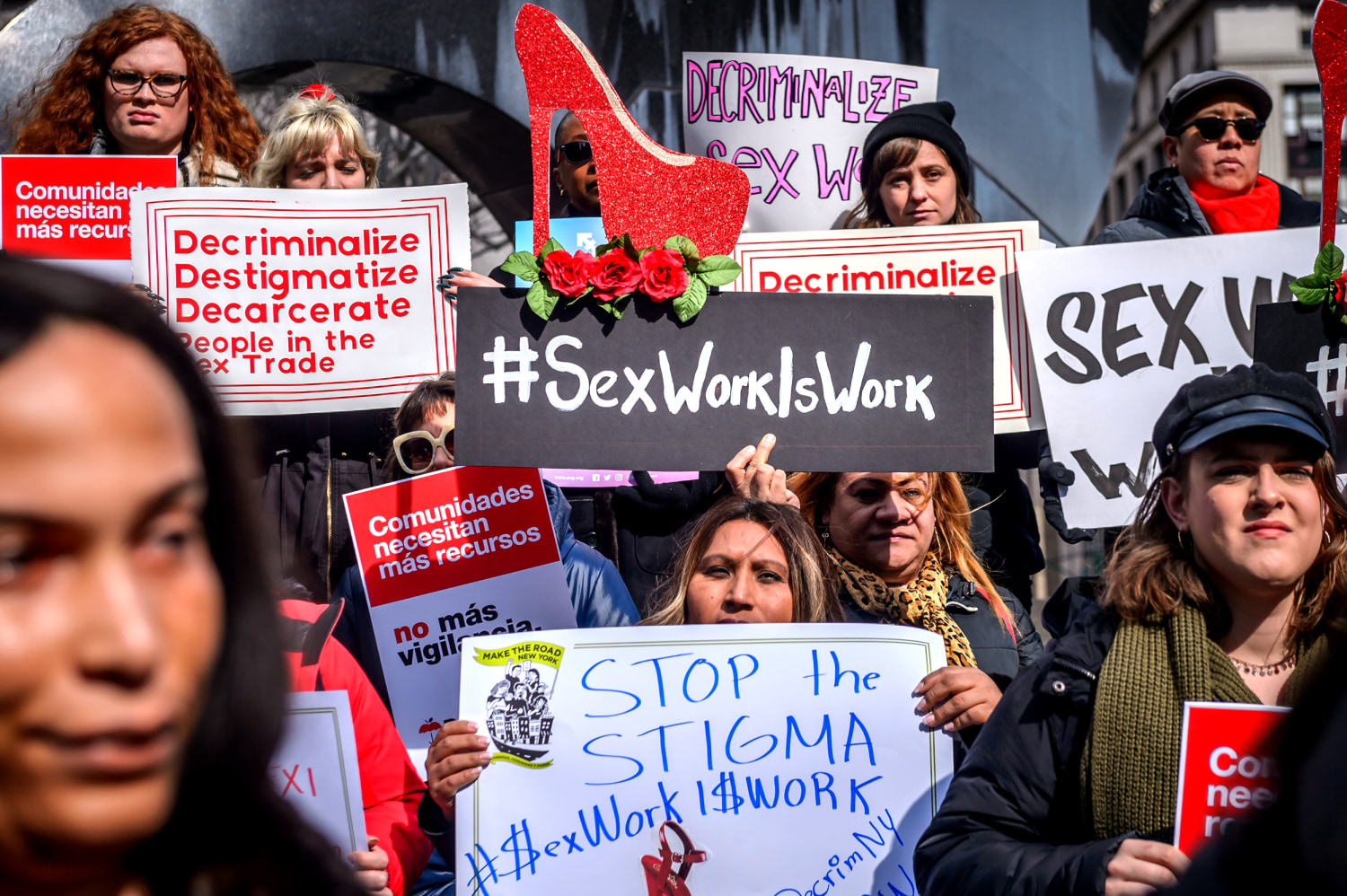
The legal stance on prostitution is not static; it is constantly influenced by social attitudes, political debates, and advocacy efforts. In New York, as in many other places, there’s an ongoing discussion about whether the current prohibitory model is the most effective approach to managing the complex issues surrounding sex work.
Historical Context and Shifting Perspectives
Historically, laws concerning prostitution in the United States have often reflected prevailing moral codes and public health concerns. Early laws often targeted sex workers themselves, viewing them as moral transgressors. Over time, there has been a gradual shift in some progressive circles to recognize the exploitation inherent in commercial sex and to focus more on the buyers and traffickers, rather than solely on the sellers, many of whom are victims of circumstance or coercion.
New York City has seen its share of legislative changes reflecting these evolving perspectives. For instance, in 2021, New York State repealed a controversial penal law that made “loitering for the purpose of prostitution” a crime. This law, often criticized as the “walking while trans” ban, disproportionately targeted transgender women of color and was seen by many as a tool for discriminatory policing. Its repeal was a significant step, signaling a legislative intent to move away from criminalizing individuals perceived as sex workers and instead focus on broader issues of safety and exploitation. While this particular change did not legalize prostitution itself, it illustrates the dynamic nature of these laws and the ongoing push for reforms that prioritize human rights and reduce harm.
Navigating the Complexities: Arguments for and Against Decriminalization
The debate around decriminalization, legalization, or full abolition of prostitution is highly complex, with passionate arguments on all sides.
- Arguments for Decriminalization: Proponents of decriminalization argue that removing criminal penalties for consenting adults involved in sex work would make the industry safer. They suggest it would empower sex workers to report violence and exploitation without fear of arrest, improve public health outcomes by allowing for easier access to healthcare and STI prevention, and reduce the stigma associated with sex work. Decriminalization, unlike legalization (which implies government regulation and licensing), typically means removing criminal laws against adult sex work but not necessarily making it a fully recognized and regulated industry.
- Arguments Against Decriminalization/For Abolition: Opponents, often aligned with abolitionist viewpoints, argue that any form of commercial sex, whether legal or illegal, inherently involves exploitation, particularly of vulnerable populations. They highlight the undeniable links between prostitution and human trafficking, asserting that decriminalization or legalization would only serve to legitimize and expand the market for sexual exploitation, making it harder to combat trafficking and help victims. They advocate for a “Nordic Model” approach, which criminalizes the buyers of sex and those who profit from it (pimps, brothel owners) while decriminalizing and offering support services to individuals who sell sex.
In New York, the conversation continues to evolve. While decriminalization has been proposed and debated, it has yet to gain enough traction to alter the fundamental legal status of prostitution. The city’s leaders and policymakers grapple with balancing public safety, human rights, and the prevention of exploitation, recognizing the profound social implications of any legislative change in this area.
Responsible Tourism: Staying Safe and Legal in the Big Apple
For travelers visiting New York City, the best approach is always to adhere to local laws and engage in responsible, ethical tourism. The city offers an overwhelming array of legitimate attractions and experiences that are far more rewarding and safe than dabbling in illegal activities.
Prioritizing Your Safety and Legal Compliance
As a visitor, your primary goal should be to enjoy the vast cultural, historical, and entertainment offerings of New York City while ensuring your personal safety and legal compliance.
- Know the Law: Always remember that prostitution is illegal in New York City. Engaging in such activities carries significant legal risks, including arrest, fines, jail time, and for international visitors, potential deportation or future denial of entry into the United States.
- Be Aware of Your Surroundings: While New York City is generally safe, like any large metropolis, it has areas where illicit activities might occur. Exercise caution, especially at night, and be wary of unsolicited approaches or unusual propositions. Stick to well-lit, populated areas, especially tourist-heavy spots like Times Square, Fifth Avenue, or near Grand Central Terminal, where safety measures are more prevalent.
- Avoid Risky Situations: If you find yourself in a situation that feels uncomfortable or suspicious, remove yourself immediately. Do not engage with individuals offering illegal services. Your safety and well-being should be your top priority.
- Report Suspicious Activity: If you witness what appears to be human trafficking or exploitation, or any other illegal activity, do not hesitate to report it to local law enforcement (by calling 911 in an emergency, or a non-emergency line for less urgent matters). The New York City Police Department (NYPD) and other agencies are dedicated to combating these crimes.
- Embrace Legitimate Experiences: New York City thrives on its vibrant, legal economy. Explore famous landmarks, enjoy world-class dining in Greenwich Village or Harlem, stroll across the Brooklyn Bridge, wander through Central Park, or discover the art on the High Line. Support local businesses, artists, and cultural institutions. These activities not only enrich your travel experience but also contribute positively to the local community and economy, embodying the true spirit of responsible tourism.

Addressing the Roots: Human Trafficking and Exploitation
Beyond the legalities, it’s vital for travelers to understand the profound human cost often associated with illegal prostitution. The underground nature of sex work frequently makes individuals vulnerable to exploitation, coercion, and human trafficking. Many individuals involved in prostitution are victims, trapped in cycles of abuse and desperation.
- Understanding the Connection: Illegal prostitution often serves as a significant component of human trafficking networks. These networks exploit vulnerable individuals, including minors, runaways, and those facing economic hardship, forcing them into sexual servitude. By engaging in illegal sex work, even unknowingly, one can inadvertently support these exploitative systems.
- Support for Victims: New York City has numerous organizations and government agencies dedicated to assisting victims of human trafficking and providing support services, including shelter, counseling, and legal aid. Recognizing the signs of trafficking and knowing where to report it is a crucial aspect of responsible citizenship and tourism.
In conclusion, while the allure of New York City is undeniable, the city maintains a clear and firm legal stance against prostitution. For any traveler, the most enriching and trouble-free experience will always come from respecting local laws, prioritizing personal safety, and immersing oneself in the myriad legitimate attractions this incredible city has to offer. By choosing responsible tourism, visitors can ensure their trip to the Big Apple is memorable for all the right reasons, contributing positively to its vibrant culture and community.
LifeOutOfTheBox is a participant in the Amazon Services LLC Associates Program, an affiliate advertising program designed to provide a means for sites to earn advertising fees by advertising and linking to Amazon.com. Amazon, the Amazon logo, AmazonSupply, and the AmazonSupply logo are trademarks of Amazon.com, Inc. or its affiliates. As an Amazon Associate we earn affiliate commissions from qualifying purchases.