
For travelers planning a visit to the sprawling metropolis of New York City, understanding its unique administrative structure can sometimes be a point of curiosity. Among the city’s five iconic boroughs, Manhattan stands out not just as a global epicenter of finance, culture, and innovation, but also for its distinctive identity as both a borough and a county. The simple answer to the question “What county is Manhattan New York City in?” is New York County. This dual role is a fascinating aspect of the city’s framework, reflecting centuries of history and development. While visitors often navigate Manhattan by its famous neighborhoods and attractions, knowing its county designation provides a deeper appreciation for its place within the broader context of New York State and the United States.
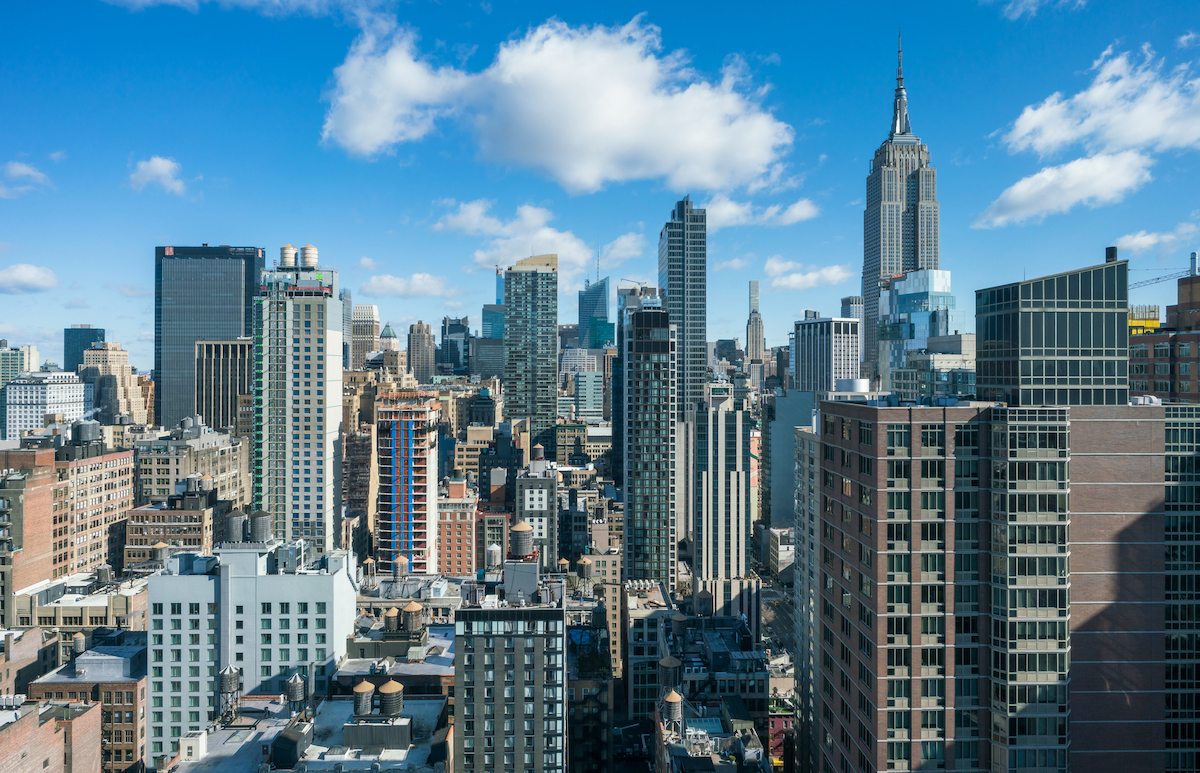
Beyond its administrative label, Manhattan is a world unto itself, offering an unparalleled array of travel experiences, luxurious accommodations, and a vibrant lifestyle that captivates millions annually. From its towering skyscrapers to its serene green spaces, its historic streets to its cutting-edge art scenes, Manhattan embodies the very essence of urban tourism. This article delves into the specifics of Manhattan’s county status, explores its rich history, highlights its must-see landmarks, and guides prospective visitors through its diverse neighborhoods and accommodation options, all while embracing the spirit of discovery that drives every great journey.
The Dual Identity of Manhattan: Borough and County
The administrative geography of New York City is unique, often leading to questions from those unfamiliar with its setup. Unlike many other major American cities where city and county boundaries are distinct or where a city might be entirely within one county, New York City is composed of five boroughs, each of which is coextensive with a separate county. This system evolved over time, consolidating various towns and counties into the mega-city we know today.
Understanding New York City’s Administrative Structure
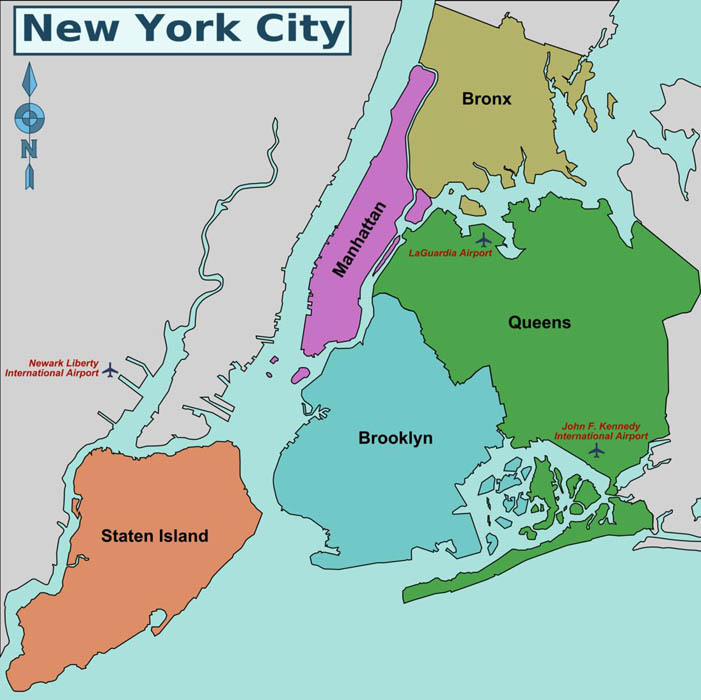
New York City is famously made up of five boroughs: Manhattan, Brooklyn, Queens, The Bronx, and Staten Island. Each of these boroughs serves as a distinct administrative division within the city, but also carries its own county designation.
- Manhattan is officially New York County.
- Brooklyn is Kings County.
- The Bronx is Bronx County.
- Queens is Queens County.
- Staten Island is Richmond County.
This means that when you are in Manhattan, you are simultaneously in the borough of Manhattan and New York County. The county designation primarily pertains to legal and governmental functions, such as the court system and specific state-level administrative divisions, while the borough designation is more commonly used in everyday language and by the city’s municipal government. This dual identity doesn’t impact a traveler’s experience significantly but understanding it adds a layer of depth to appreciating the city’s complex organization. It underscores Manhattan’s central role as the historical and geographical heart of the five boroughs, even as the larger city encompasses a vast and diverse region stretching across the Hudson River and East River.
A Glimpse into Manhattan’s Historical Significance
The island of Manhattan has a history as rich and dynamic as its present-day landscape. Its story began long before European settlers arrived, as the ancestral home of the Lenape people. In 1626, the Dutch purchased the island and established the colony of New Amsterdam, laying the groundwork for what would become one of the world’s most influential cities. The strategic location at the mouth of the Hudson River made it a vital port for trade and commerce, attracting a diverse population and fostering rapid growth.
Over centuries, Manhattan transformed from a colonial outpost into a burgeoning city, eventually becoming the nucleus of New York City itself. Its history is etched into its very fabric, from the narrow, winding streets of Lower Manhattan to the grand boulevards of its midtown and uptown districts. It witnessed the birth of the United States as a nation, played a pivotal role in the American Revolution, and served as the nation’s capital briefly. The island’s strategic importance, coupled with its burgeoning economic power, ensured its continuous development as a global hub. Today, this historical legacy continues to draw visitors eager to explore the roots of this magnificent island, from its colonial past to its modern marvels, making every street and building a potential landmark in its own right.
Manhattan as a Premier Global Travel Destination
More than just a geographical and administrative entity, Manhattan is a dream destination for travelers worldwide. It represents the quintessential urban experience, a place where iconic landmarks stand shoulder-to-shoulder with cutting-edge cultural institutions, and where every neighborhood offers a distinct flavor of the global melting pot that is New York City. The allure of Manhattan lies in its relentless energy, its endless possibilities, and its ability to continually reinvent itself while preserving its storied past.
Iconic Landmarks and Attractions
No visit to New York City is complete without exploring Manhattan’s constellation of world-famous landmarks. These architectural marvels and cultural institutions are not merely tourist spots; they are symbols of human ambition, creativity, and resilience.

- Empire State Building: An enduring symbol of New York City’s skyline, this Art Deco masterpiece offers breathtaking panoramic views from its observation decks. A visit here is a journey through history, celebrating its role in popular culture and as a testament to early 20th-century engineering.
- Statue of Liberty: Standing proudly on Liberty Island, this colossal neoclassical sculpture, a gift from France, represents freedom and democracy. Combined with a visit to Ellis Island, it offers a poignant look at the immigrant experience in the United States.
- Times Square: Known as “The Crossroads of the World,” Times Square dazzles with its colossal digital billboards, bustling crowds, and the vibrant energy of Broadway Theaters. It’s an unforgettable sensory experience, especially at night.
- Central Park: A sprawling urban oasis, Central Park offers a tranquil escape from the city’s hustle and bustle. Designed by Frederick Law Olmsted and Calvert Vaux, it features picturesque landscapes, walking paths, lakes, and attractions like the Central Park Zoo and the Bethesda Terrace.
- Broadway Theaters: The pinnacle of live theatrical entertainment, Broadway offers world-class musicals and plays that draw audiences from every corner of the globe. Experiencing a Broadway show is a quintessential New York experience.
- Museums: Manhattan is home to some of the world’s most renowned museums, including the Metropolitan Museum of Art (The Met), the Museum of Modern Art (MoMA), the American Museum of Natural History, and the Guggenheim Museum. Each offers a treasure trove of art, history, and scientific discovery.
- Rockefeller Center: A complex of 19 commercial buildings, famous for its Art Deco architecture, its Christmas tree lighting, ice-skating rink, and the “Top of the Rock” observation deck, offering stunning views of Midtown Manhattan and beyond.
- 9/11 Memorial & Museum: A poignant and powerful tribute to the victims of the September 11, 2001 attacks, offering a space for remembrance, reflection, and education.
These landmarks, among countless others like Grand Central Terminal, Wall Street, and Fifth Avenue, paint a picture of Manhattan as a destination rich in history, culture, and unforgettable sights.
Diverse Neighborhoods and Local Culture
Beyond the major attractions, Manhattan’s true charm lies in its distinct neighborhoods, each with its own character, history, and local culture. Exploring these areas offers a glimpse into the everyday life of New Yorkers and provides a more authentic travel experience.
- Greenwich Village: Known for its bohemian past, tree-lined streets, and historic brownstones, “The Village” is a hub for independent shops, cozy cafes, and live music venues. It was a birthplace of counterculture movements and continues to exude a unique, artistic vibe.
- SoHo: Famous for its cast-iron architecture, cobblestone streets, and high-end boutiques, SoHo (South of Houston Street) is a shopper’s paradise. It also boasts numerous art galleries and trendy restaurants, making it a vibrant place to explore.
- Harlem: A neighborhood steeped in African American history and culture, Harlem is renowned for its gospel choirs, soul food restaurants, historic theaters like the Apollo Theater, and beautiful brownstones. Its rich heritage and vibrant community spirit are captivating.
- Financial District: The historic birthplace of New York City, the Financial District is dominated by Wall Street, the New York Stock Exchange, and other financial institutions. Amidst the skyscrapers, you’ll find colonial-era churches, the 9/11 Memorial & Museum, and the vibrant waterfront.
- Upper East Side: Synonymous with luxury and elegance, this residential neighborhood is home to upscale boutiques on Madison Avenue, grand mansions, and a stretch of world-class museums along “Museum Mile.”
From the historic charm of Lower Manhattan to the residential calm of the Upper West Side, each neighborhood offers a distinct cultural tapestry. Food enthusiasts can embark on culinary journeys through Chinatown and Little Italy, while art lovers can discover hidden galleries in Chelsea. This rich diversity ensures that every visit to Manhattan can uncover something new and exciting, tailored to individual interests and preferences.
Navigating Accommodation and Lifestyle in Manhattan
Planning a trip to Manhattan involves more than just selecting sights; it’s about immersing oneself in a particular lifestyle and finding the perfect place to stay that complements the desired experience. Whether seeking opulent luxury, budget-friendly options, or a local residential feel, Manhattan offers an unparalleled range of choices for every type of traveler.
Finding the Perfect Stay: Hotels and Beyond
Accommodation in Manhattan is as varied as its population, ranging from ultra-luxury hotels to charming boutique properties and practical extended-stay apartments. Choosing where to stay often depends on budget, desired amenities, and proximity to specific attractions or neighborhoods.
- Luxury Hotels: For those seeking an indulgent experience, Manhattan boasts some of the world’s most iconic luxury hotels. The historic Plaza Hotel overlooking Central Park offers timeless elegance, while the Ritz-Carlton Central Park provides unparalleled service and sophisticated comfort. Other notable options include the St. Regis New York, the Four Seasons Hotel New York Downtown, and the Mandarin Oriental, New York, each offering lavish suites, exquisite dining, and world-class amenities like spas and concierge services. These properties cater to guests looking for an opulent retreat, often with stunning views and prime locations.
- Boutique and Mid-Range Hotels: Manhattan excels in providing unique boutique hotel experiences that offer character and personalized service. Hotels in neighborhoods like SoHo, Greenwich Village, or the Meatpacking District often blend stylish design with a more intimate atmosphere. Mid-range hotels, frequently found in Midtown Manhattan or near transportation hubs, offer comfortable rooms and essential amenities at a more accessible price point, ideal for business travelers or families.
- Apartments and Long-Term Stays: For longer visits, or for those desiring more space and the convenience of a kitchen, serviced apartments and vacation rentals are an excellent choice. Options range from stylish short-term apartment rentals in various neighborhoods to extended-stay hotels designed for business travelers or families on longer trips. Websites and platforms specializing in accommodation booking offer a wide comparison, allowing travelers to review options and secure a stay that feels like a home away from home.
- Budget-Friendly Options: While Manhattan has a reputation for being expensive, budget-conscious travelers can still find suitable accommodation. Hostels, particularly in neighborhoods like the Lower East Side or close to major subway lines, offer dormitory-style or private rooms at lower rates. Additionally, some hotels outside the absolute prime tourist areas or those offering smaller rooms can provide more affordable options without sacrificing location or safety.
When booking, it’s always advisable to consider the proximity to subway stations, specific attractions, and the overall vibe of the neighborhood to ensure the accommodation enhances your travel experience. Online reviews and comparisons are invaluable tools for making an informed decision.
The Manhattan Lifestyle: From Luxury to Local
To experience Manhattan truly is to embrace its lifestyle, which is as diverse as its population. From high-octane business days to leisurely cultural evenings, the island pulses with an energy that is uniquely its own.
- Dining and Nightlife: Manhattan is a global culinary capital, offering everything from Michelin-starred fine dining experiences to casual street food vendors and a dizzying array of international cuisines. Food tourism is a major draw, with celebrity chef restaurants, hidden speakeasies, and vibrant food markets around every corner. The nightlife is legendary, encompassing everything from rooftop bars with spectacular views to intimate jazz clubs in Harlem and bustling nightclubs in the Meatpacking District.
- Shopping: From the flagship stores on Fifth Avenue and Madison Avenue to the trendy boutiques of SoHo and the unique finds in Greenwich Village, Manhattan is a shopper’s paradise. Whether seeking luxury brands, vintage treasures, or local artisan crafts, the island caters to every taste and budget.
- Culture and Arts: Beyond its famous museums and Broadway shows, Manhattan’s cultural scene is incredibly rich. Off-Broadway and Off-Off-Broadway theaters offer experimental and independent productions, while music venues host everything from classical concerts at Carnegie Hall to indie rock shows in intimate clubs. Art galleries abound, particularly in Chelsea and the Lower East Side, showcasing both established and emerging artists.
- Transportation: Navigating Manhattan is made easy by its comprehensive public transportation system. The subway is the most efficient way to travel, running 24/7 and connecting all parts of the island and beyond. Taxis and ride-sharing services are also widely available, while walking or cycling through neighborhoods like Central Park or along the Hudson River Park provides unique perspectives.
- Tips for Experiencing Manhattan: To truly enjoy Manhattan, embrace its pace. Walk whenever possible to discover hidden gems, utilize the subway to cover longer distances, and don’t be afraid to venture beyond the most popular tourist spots. Engaging with locals, trying diverse cuisines, and attending a neighborhood event can enrich your travel experience and provide insights into the authentic Manhattan lifestyle. Whether on a family trip, a business stay, or a luxury getaway, Manhattan offers an unparalleled blend of excitement, culture, and opportunity.
In conclusion, Manhattan is much more than just a borough; it is New York County, a historical stronghold, a cultural beacon, and a global travel destination that promises an unforgettable journey. Its dual identity, vibrant lifestyle, and endless attractions solidify its status as one of the world’s most compelling places to explore.
LifeOutOfTheBox is a participant in the Amazon Services LLC Associates Program, an affiliate advertising program designed to provide a means for sites to earn advertising fees by advertising and linking to Amazon.com. Amazon, the Amazon logo, AmazonSupply, and the AmazonSupply logo are trademarks of Amazon.com, Inc. or its affiliates. As an Amazon Associate we earn affiliate commissions from qualifying purchases.