
Welcome to New York State, a destination that beckons with its unparalleled diversity, from the urban majesty of New York City to the serene beauty of the Adirondacks and the breathtaking spectacle of Niagara Falls. Whether you’re planning a luxurious escape, a budget-friendly family adventure, a business trip, or an immersive cultural tour, understanding the financial landscape is key to a smooth and enjoyable experience. One critical aspect of this landscape, often overlooked until the bill arrives, is sales tax. For travelers, tourists, and anyone exploring the Empire State, comprehending “What is Sales Tax in New York State?” is fundamental for accurate budgeting and avoiding unwelcome surprises.
Sales tax is essentially a consumption tax imposed by a government on the sale of goods and services. It’s a percentage of the purchase price added at the point of sale. While it might seem like a minor detail, these percentages can add up, especially on significant expenses like accommodation, dining, and shopping. For a state as economically vibrant and geographically varied as New York, sales tax isn’t a single, uniform rate across the board. It’s a complex interplay of state-mandated rates and local surcharges, making it imperative for visitors to understand how it applies to their typical travel expenditures. This comprehensive guide will help you navigate the nuances of sales tax in New York State, ensuring you can plan your trip, manage your finances, and immerse yourself in all the state has to offer with confidence and clarity.
The Essentials of Sales Tax for Travelers in New York
Embarking on a journey through New York State is an exciting prospect, filled with opportunities for unforgettable moments. However, just as you’d plan your itinerary around must-see landmarks and desirable accommodations, it’s equally important to factor in the financial realities, particularly when it comes to sales tax. Understanding the foundational structure of sales tax in the state, along with what items and services commonly purchased by travelers are subject to it, is a crucial step in preparing your travel budget.
Understanding the Base Rate and Local Additions
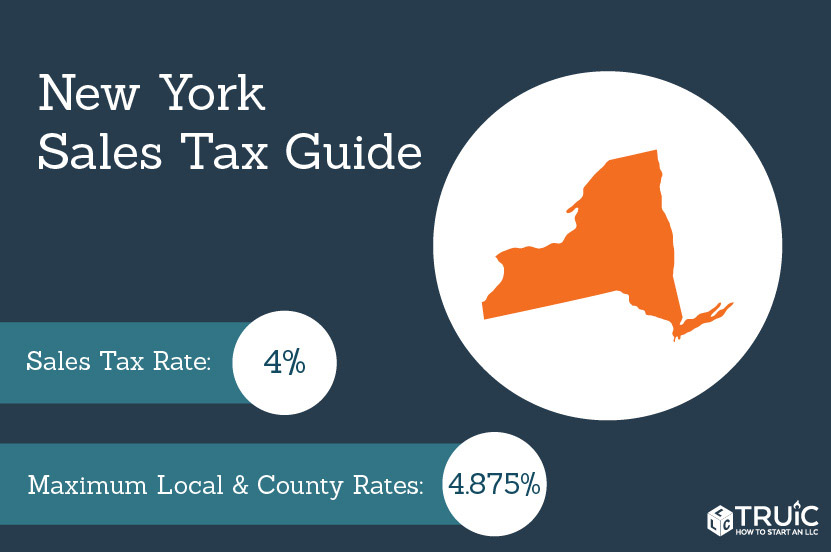
At its core, New York State imposes a statewide sales tax rate of 4%. This is the baseline, the minimum sales tax you would expect to pay on taxable goods and services. However, this is just the beginning. What truly makes sales tax in New York variable and, at times, perplexing for visitors, is the significant role played by local sales taxes. Counties and some cities have the authority to levy their own additional sales taxes, which are then added to the state’s 4%. This means the total sales tax rate can differ considerably depending on where you are in the state.
Perhaps the most famous example of this local variation is New York City. Within the five boroughs (Manhattan, Brooklyn, Queens, The Bronx, and Staten Island), the combined state and local sales tax rate currently stands at 8.875%. This comprises the 4% state tax, a 4% New York City tax, and a 0.875% Metropolitan Commuter Transportation District (MCTD) surcharge. This rate significantly impacts the cost of a shopping spree on Fifth Avenue, a meal in Greenwich Village, or a stay at a hotel like the Marriott Marquis in Times Square.
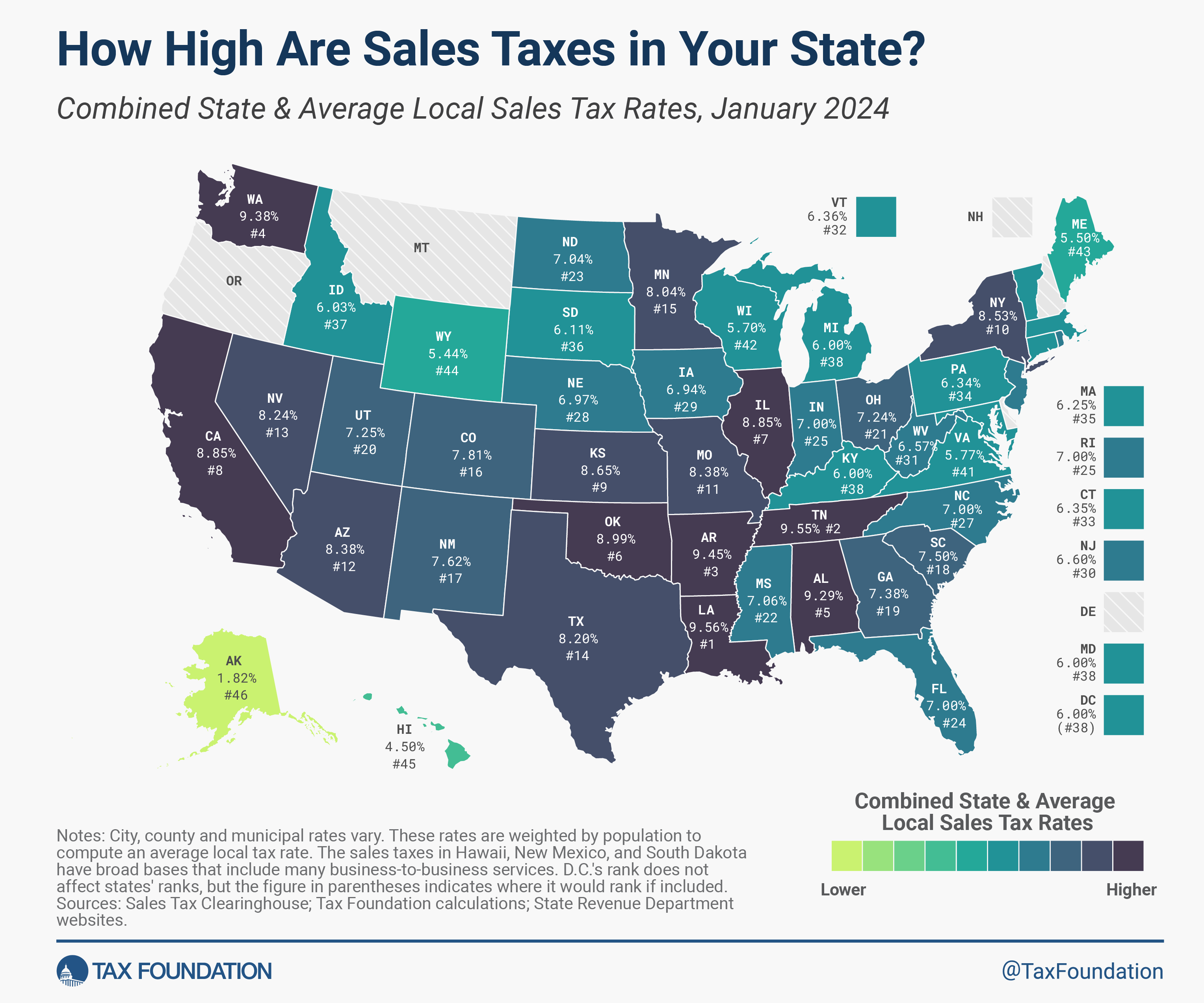
Beyond the metropolis, other regions also exhibit varied rates. For instance, Long Island, encompassing Nassau County and Suffolk County, typically has a combined sales tax rate of 8.625%. Upstate cities like Buffalo often see rates around 8.75%, while the capital city of Albany and its surrounding Albany County also fall into a similar range. These differences, while seemingly small, can add hundreds of dollars to the total cost of a longer trip or a high-value purchase, underscoring the importance of checking the specific rate for your chosen destination within New York State. This regional variability is a key element for any traveler to grasp when mapping out their itinerary and budget.
What You’ll Pay Sales Tax On (Common Traveler Expenses)
For most visitors, the sales tax will apply to a wide array of purchases and services that form the core of any travel experience. Being aware of these common taxable items can help you anticipate costs more accurately.
-
Accommodation: When booking your stay, whether it’s a luxurious resort, a cozy bed and breakfast, an apartment rental, or a standard hotel room, the base room rate is subject to sales tax. In addition to state and local sales taxes, you might also encounter occupancy taxes (also known as hotel taxes or tourism taxes), which are specific to accommodation and can vary widely by city and county. For example, a stay at The Ritz-Carlton New York, NoMad would include both sales tax and New York City’s hotel occupancy tax on top of the room rate.
-
Dining Out: Eating is an integral part of any travel experience, from grabbing a quick slice of pizza to indulging in a gourmet meal. Prepared food and beverages sold by restaurants, delis, cafes, and even vending machines are generally subject to sales tax. So, whether you’re enjoying a famous New York City bagel, a hearty upstate dinner, or a drink at a rooftop bar, you’ll see sales tax added to your bill.
-
Shopping & Souvenirs: Most retail purchases fall under the purview of sales tax. This includes clothing and footwear over a certain price threshold (more on this exemption later), electronics, books, jewelry, and, of course, all those memorable souvenirs you pick up from gift shops at attractions like the Statue of Liberty, the Metropolitan Museum of Art, or local artisan markets. A shopping spree at Woodbury Common Premium Outlets will certainly involve sales tax on many of your purchases.
-
Entertainment & Attractions: Your tickets for a Broadway show in the Theater District, admission to a museum, a theme park, a concert, or even a sightseeing tour boat are typically subject to sales tax. Planning to visit a historical site in Albany or take a boat cruise around Manhattan? Factor in the sales tax on your entry fees.
-
Transportation: While public transportation fares (like MTA subway and bus fares in New York City) are generally exempt, sales tax usually applies to car rentals. Other transportation-related services, such as parking garage fees or certain ride-sharing services, might also include sales tax, though these services often have their own specific surcharges and fees that are separate from sales tax.
Navigating Exemptions: Where You Might Save
While sales tax is a constant consideration for travelers in New York State, it’s not universally applied to every single purchase. Understanding key exemptions can be beneficial for budget-conscious visitors, offering opportunities to save a little extra, particularly when it comes to shopping or grocery runs. Knowing what items are exempt helps paint a more complete picture of your travel expenditures.
Clothing and Footwear Under $110
One of the most noteworthy and advantageous sales tax exemptions for shoppers in New York State pertains to clothing and footwear. If an item of clothing or footwear is sold for under $110, it is exempt from the statewide 4% sales tax and any local sales tax. This means that if you purchase a pair of shoes for $109.99, you will pay no sales tax on that item anywhere in New York State, including New York City.
However, it’s crucial to understand that this exemption applies on a per-item basis. If you buy a shirt for $50 and a pair of pants for $70, both would be exempt because each item is under $110. But, if you buy a single coat for $150, that item would be fully taxable, meaning both the state and local sales tax rates would apply to the entire $150. This exemption can be a significant benefit for travelers looking to refresh their wardrobe or pick up fashion items, particularly in shopping hubs like SoHo or outlet centers. It encourages visitors to explore the diverse fashion offerings without the immediate added cost of sales tax on smaller purchases.
Food and Beverage Exceptions
The application of sales tax to food and beverages can be a bit nuanced, primarily differentiating between unprepared food meant for home consumption and prepared food designed for immediate consumption, often in a restaurant or similar setting.
-
Unprepared Food: Most basic, unprepared food items sold in grocery stores, supermarkets, or farmers’ markets are exempt from sales tax. This includes staples like milk, bread, fresh fruits and vegetables, uncooked meats, and packaged goods that require further preparation. For travelers on a budget or those staying in accommodations with kitchenettes, purchasing groceries for some meals can lead to savings, not just on the food itself but also by avoiding sales tax.
-
Prepared Food: Conversely, prepared foods, such as hot meals from a deli, sandwiches, salads from a salad bar, and restaurant meals, are generally taxable. The distinction often comes down to whether the food is ready for immediate consumption and if it’s typically eaten on the premises or intended for quick takeaway. For instance, a coffee and a pastry purchased at a cafe for immediate consumption would be taxed, while a bag of coffee beans from a grocery store would not. Similarly, a whole cheesecake from a bakery might be exempt, but a single slice served in a restaurant would be taxable. Understanding this distinction is key to managing your food budget effectively.
Other Notable Exemptions
Beyond clothing and basic foodstuffs, a few other categories of items and services are commonly exempt from sales tax in New York State, though their relevance to the average tourist might be less direct.
- Prescription Medications and Medical Supplies: These essential health items are exempt from sales tax, which is a standard exemption across many states to ensure access to healthcare.
- Newspapers and Periodicals: Printed news publications are typically exempt, reflecting a policy to encourage access to information.
- Services: Generally, pure services are not subject to sales tax in New York State. This means that professional services like legal advice, accounting, or medical consultations are not taxed. However, when a service involves the sale of tangible personal property, or if it’s a “repair service” that includes parts, the tangible components or the entire service might become taxable. For travelers, this primarily means that things like massage therapy or tour guide services (if purely service-based) would likely be exempt, but if they involve products (e.g., a spa treatment with take-home products), the product portion would be taxable.
While these exemptions offer avenues for minor savings, the vast majority of purchases a tourist will make – from a souvenir mug at the Empire State Building to a craft beer in Brooklyn – will include sales tax. Being mindful of these nuances, however, empowers you to make informed spending decisions throughout your New York State adventure.
Practical Tips for Budgeting and Enjoying Your New York Trip
Armed with a better understanding of sales tax in New York State, you’re now better equipped to plan your trip effectively. Beyond just knowing the rates and exemptions, incorporating this knowledge into your budgeting and spending habits can significantly enhance your travel experience, ensuring there are no financial surprises to dampen your spirits.
Always Account for Sales Tax in Your Travel Budget
This is perhaps the most critical piece of advice for any traveler. When you see a price tag for an item, a menu price for a meal, or a quoted rate for a hotel room, remember that this is almost never the final price you will pay. The sales tax, and often other local taxes or fees, will be added on top.
For example, if you’re budgeting $200 per night for a hotel in New York City, that $200 will effectively become closer to $225-$230 once state and city sales tax (8.875%) and the New York City hotel occupancy tax (5.875% + a flat $3.50 per room per night) are applied. That’s a significant difference that, if not accounted for, can quickly deplete your spending money. The same applies to restaurant bills: a $50 dinner in Buffalo could easily turn into $54.38 with an 8.75% sales tax.
When planning your activities, dining experiences, and shopping excursions, make a habit of adding an estimated 9-10% to the listed prices for general purchases within major urban areas. For rural parts of the state, a 7-8% buffer might suffice. This proactive approach will prevent sticker shock at checkout and allow you to allocate your funds more accurately across various aspects of your trip. Consider using a simple spreadsheet or a budgeting app to track your expected expenses, making sure to include a separate line item for estimated taxes.
Review Your Receipts Carefully
Once you’ve made a purchase, especially for larger items, accommodation, or meals, take a moment to review your receipt. This is not just about checking for overcharges on items but also about understanding the various taxes and fees that have been applied.
On a hotel bill, for instance, you might see separate line items for:
- The room rate.
- New York State sales tax.
- Local sales tax (e.g., New York City sales tax).
- Occupancy tax (also called hotel tax or tourism tax), which is distinct from sales tax and can have its own varying rate.
- Resort fees or destination fees (common in many resorts and upscale hotels, like The William Vale in Brooklyn, which cover amenities like Wi-Fi or fitness center access, and these fees themselves may also be subject to sales tax).
Understanding each charge can help you clarify your spending and ensure you’re not being charged incorrectly. If you notice an discrepancy or have questions about a particular charge, politely inquire with the staff. Most establishments are happy to explain the breakdown of costs. This diligence helps you stay on budget and can even identify errors that might save you money.
Maximizing Your Savings (Legally)
While sales tax is an unavoidable part of most transactions, a smart traveler can leverage the existing exemptions to maximize their savings.
- Mind the $110 Clothing Exemption: If you plan on doing some shopping, especially for clothing and footwear, be strategic. Purchasing individual items under $110 will save you the entire sales tax amount. This is particularly advantageous for buying multiple smaller items rather than one expensive piece, as each item is assessed individually. This strategy can be especially rewarding in fashion-forward areas or large shopping complexes.
- Embrace Grocery Shopping: For those staying in apartments, villas, or accommodations with kitchen facilities, opting for groceries for some meals instead of dining out every time can lead to significant savings. Not only are the raw ingredients typically cheaper, but they are also exempt from sales tax, unlike prepared restaurant meals. Exploring local markets like Chelsea Market for fresh produce can be a delightful and cost-effective way to experience local culture.
- Look for Bundled Packages: Sometimes, travel packages that include multiple attractions, tours, or even flights and hotel stays might have their taxes calculated differently or less visibly, potentially offering a slightly better overall value. While not always a direct sales tax saving, it can simplify budgeting. However, always compare the bundled price against individual component costs, including estimated taxes, to ensure it’s truly a better deal.
By integrating these practical tips into your travel planning and spending habits, you can navigate the financial aspects of your New York State adventure with greater ease and confidence. Understanding “What is Sales Tax in New York State?” isn’t just about avoiding surprises; it’s about smart travel, allowing you to focus more on the incredible experiences that await you, from the bright lights of Times Square to the serene landscapes of the Finger Lakes.
In conclusion, New York State’s sales tax system, with its combination of a state base rate and varying local additions, presents a crucial element for any traveler’s budget. While the statewide rate is 4%, the actual rate you pay can fluctuate significantly depending on your specific location, reaching as high as 8.875% in New York City. This tax applies to a wide range of common tourist expenditures, including hotel stays, restaurant meals, most shopping, and admission to attractions.
However, intelligent travelers can take advantage of key exemptions, such as the sales tax waiver on clothing and footwear priced under $110 per item, and the exemption for unprepared food items purchased at grocery stores. By understanding these nuances, budgeting effectively by always factoring in sales tax, carefully reviewing receipts, and making informed choices about purchases, you can minimize financial surprises and enhance your overall travel experience. New York State offers an incredible tapestry of experiences, from world-class landmarks and vibrant cultural scenes to serene natural beauty. Armed with this knowledge, you can explore every corner of it confidently, ensuring your focus remains on creating unforgettable memories rather than unexpected costs. Enjoy your journey through this magnificent state!
LifeOutOfTheBox is a participant in the Amazon Services LLC Associates Program, an affiliate advertising program designed to provide a means for sites to earn advertising fees by advertising and linking to Amazon.com. Amazon, the Amazon logo, AmazonSupply, and the AmazonSupply logo are trademarks of Amazon.com, Inc. or its affiliates. As an Amazon Associate we earn affiliate commissions from qualifying purchases.