
When contemplating a visit to New York, whether it’s the bustling metropolis of New York City or the serene landscapes of New York State, understanding its population is key to grasping the essence of this vibrant region. The sheer number of people living, working, and thriving here profoundly shapes every aspect of the travel experience, from the availability of accommodation and the diversity of cuisine to the energy of its landmarks and the pace of life. Far from being a mere statistic, the population is the pulsating heart that makes New York an unparalleled destination for tourism and lifestyle exploration.

Unpacking the Numbers: New York City and New York State
To truly appreciate New York, we must first distinguish between its two primary geographical entities and their respective populations. While often used interchangeably, New York City and New York State represent vastly different scales of human habitation and diverse living environments. These demographic distinctions are fundamental to understanding the varying types of experiences a visitor might encounter.
The Metropolitan Heartbeat: New York City’s Vibrant Demographics
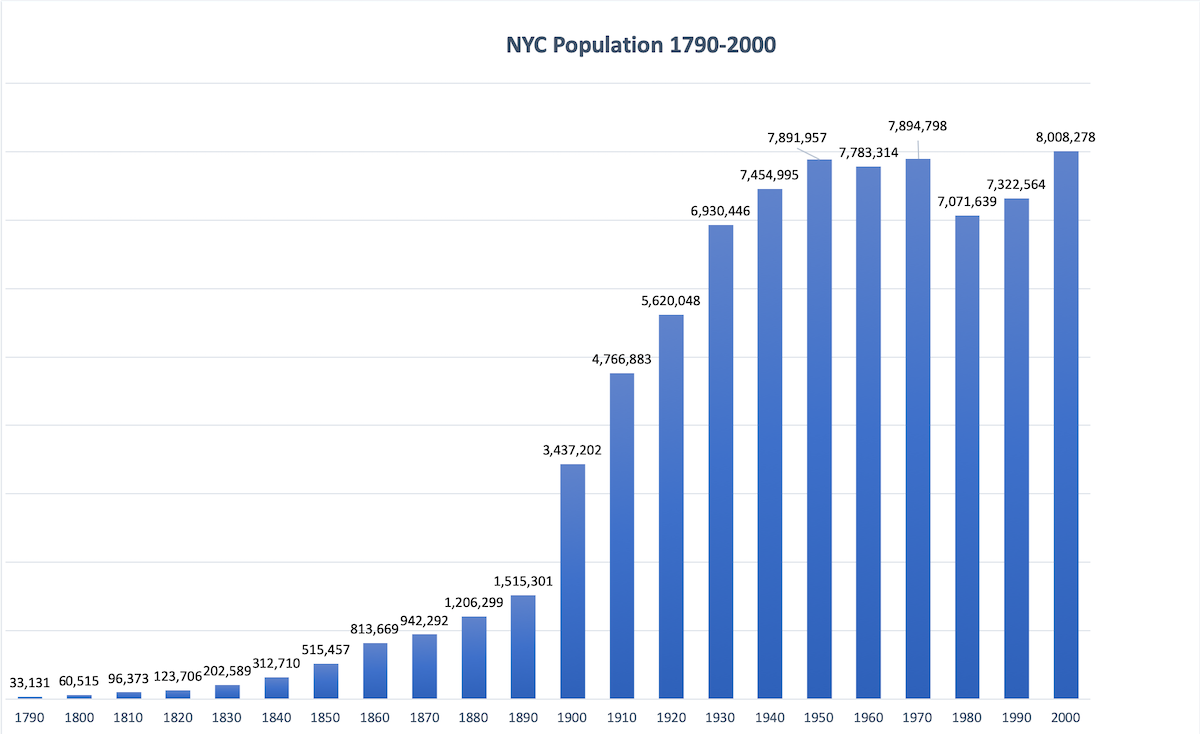
At the core of the state, and indeed a global icon, is New York City. This incredible urban center, comprising five distinct boroughs—Manhattan, Brooklyn, Queens, The Bronx, and Staten Island—boasts a population of over 8.5 million residents. This makes it the most populous city in the United States and one of the world’s largest megacities. The density is astounding, especially in Manhattan, where towering skyscrapers house millions within a relatively small area.
This immense population is not only about numbers but also about an extraordinary tapestry of diversity. New York City is a melting pot of cultures, languages, and traditions, with residents hailing from virtually every corner of the globe. Over 800 languages are spoken here, contributing to an unparalleled cultural richness that manifests in its food scene, arts, and neighborhoods. For travelers, this means an endless array of authentic experiences, from savoring global cuisine in Flushing, Queens to exploring the historic streets of Greenwich Village in Manhattan or the vibrant communities of Brooklyn. The city’s demographic vibrancy ensures that there is always something new to discover, reflecting the dynamic nature of its inhabitants.
Beyond the City: Understanding New York State’s Diverse Populace
Stepping beyond the confines of New York City, New York State encompasses a vast and varied landscape, home to a total population of approximately 20 million people. This figure naturally includes New York City and its extensive metropolitan area, which spills into neighboring counties and states, forming one of the world’s largest urban agglomerations. However, a significant portion of the state’s population resides in its more rural and suburban regions, offering a stark contrast to the urban intensity.
Upstate New York features smaller cities like Buffalo, Rochester, Syracuse, and Albany (the state capital), each with its own distinct charm and community feel. These areas are characterized by lower population densities, sprawling natural beauty, and a more relaxed pace of life. Regions such as the Hudson Valley, the Adirondacks, and the Finger Lakes are rich in scenic landscapes, charming small towns, and outdoor activities. The population distribution here influences everything from the availability of boutique hotels and resorts catering to nature lovers, to the types of local culture and food one might encounter. For instance, while New York City is a hub for Michelin-starred dining, upstate regions often pride themselves on farm-to-table restaurants and local breweries, reflecting their agrarian roots and tight-knit communities.
How Population Shapes the New York Travel Experience
The dense and diverse population of New York, particularly within its urban core, is not just a backdrop for travel; it is an active participant in shaping every aspect of a visitor’s journey. From the vibrant street life to the efficient transportation systems, the presence of millions of people dictates the rhythm and character of the city and its surrounding areas.
A Melting Pot of Culture and Cuisine
The sheer number and diversity of New York’s population are perhaps most evident and celebrated in its cultural and culinary scenes. The myriad ethnic groups that call New York home have each contributed their traditions, languages, and, most notably for travelers, their food. This results in an unparalleled gastronomic landscape where one can literally “eat their way around the world” without ever leaving the five boroughs. From authentic Italian pastries in Little Italy to spicy Sichuan cuisine in Chinatown, and from delectable Korean BBQ in Koreatown to world-class fine dining in Manhattan, the choices are endless. This diversity isn’t limited to food; it permeates art galleries, music venues, and festivals throughout the year, offering travelers rich insights into global cultures and traditions.
Beyond the specific ethnic enclaves, the vibrant population supports a thriving arts and entertainment scene. Broadway wouldn’t be Broadway without millions of potential theatergoers, and the numerous museums like the Metropolitan Museum of Art or the Museum of Modern Art rely on a substantial local and tourist population to sustain their vast collections and ambitious programs. This synergy between residents and visitors creates a continuously evolving cultural environment that is both deeply rooted and incredibly forward-thinking.
Navigating the Urban Landscape: Transportation and Density
The sheer population density, particularly in New York City, has necessitated one of the most comprehensive and efficient public transportation networks in the world. The subway system, a sprawling network of lines covering all five boroughs, moves millions of people daily, making it incredibly convenient for travelers to access virtually any attraction or neighborhood. Buses, commuter rails, and ferries further enhance connectivity, allowing both residents and tourists to navigate the urban landscape with relative ease, despite the intense crowds.

However, this density also means that travelers should be prepared for a fast-paced environment and crowded spaces, especially at popular landmarks like Times Square or during rush hour on public transport. Planning ahead, utilizing off-peak hours for visits, and embracing the energetic hustle are all part of the authentic New York experience. The constant flow of people contributes to the city’s iconic vibrancy, turning every street corner into a potential scene from a movie, and every walk into an opportunity for people-watching.
Accommodation and Lifestyle in a Densely Populated Hub
The significant population of New York has a direct and profound impact on the availability, variety, and cost of accommodation, as well as on the diverse lifestyles that flourish within its borders. Travelers benefit from an extensive range of options, but also need to navigate the realities of high demand.
Finding Your Stay: From Luxury Hotels to Budget Apartments
Given the immense resident and transient populations, New York City offers an unparalleled array of accommodation options to suit every preference and budget. From opulent luxury hotels like the Ritz-Carlton Central Park or the St. Regis New York, offering five-star amenities and unparalleled service, to trendy boutique hotels in SoHo or Brooklyn, the choices are vast. For those seeking a more local experience or a longer stay, thousands of apartments and villas are available for short-term rental, providing a sense of home away from home.
However, the high population density and constant influx of tourists mean that demand for quality lodging is consistently high. This often translates to higher prices compared to other major cities, especially in prime Manhattan locations. Smart booking strategies, such as utilizing comparison websites, reading reviews, and considering accommodation in outer boroughs or just outside the core city limits, can help travelers find suitable options within their budget. For example, Long Island City in Queens offers excellent access to Manhattan via a short subway ride and often features more affordable, modern hotels. The competitive market, driven by millions of residents and visitors, also fosters innovation in the hospitality sector, leading to a constant refresh of new hotel concepts and unique stay experiences.
The New York Lifestyle: Embracing the Energy
The lifestyle in New York is undeniably shaped by its population, characterized by a fast pace, constant motion, and an emphasis on self-reliance and innovation. For many, the New York lifestyle embodies ambition, culture, and a distinct sense of individuality. This energetic atmosphere extends to every corner of the city, influencing everything from fashion trends to the latest culinary movements.
For travelers, embracing this lifestyle means diving into the rhythm of the city. Whether it’s a luxury travel escape involving high-end shopping on Fifth Avenue and Michelin-starred dining, a budget travel adventure exploring free attractions like Central Park and grabbing street food from a vendor, or a family trip taking in the sights of the Bronx Zoo, the constant buzz is infectious. Business stays are also a significant part of the equation, with the city’s status as a global financial and commercial hub drawing professionals from around the world. The 24/7 nature of New York, where businesses operate late into the night and public transport runs round the clock, is a direct consequence of its immense and active population, ensuring that there’s always something happening, no matter the hour.
Population’s Role in New York’s Landmarks and Attractions
The very existence, grandeur, and enduring popularity of New York’s most iconic landmarks and attractions are deeply intertwined with its massive population. These structures and institutions were often conceived to serve millions, drawing on the collective energy and aspirations of the people, and continue to thrive due to a constant stream of local and global visitors.
Iconic Structures Built for Millions
Many of New York’s most famous landmarks were built at a scale commensurate with its burgeoning population, designed to awe and serve a vast populace. The Statue of Liberty, for instance, stood as a beacon of hope for millions of immigrants arriving at Ellis Island, representing the promise of a new life in a diverse nation. Its enduring presence continues to symbolize freedom and democracy to global visitors. Similarly, the Empire State Building, a marvel of early 20th-century engineering, became an icon of human ambition, its observation decks offering panoramic views to millions annually, showcasing the sprawling urban landscape it dominates.
The Brooklyn Bridge, connecting Manhattan and Brooklyn, was a monumental undertaking designed to facilitate the movement of people and commerce between the rapidly growing boroughs. Today, it remains a heavily utilized thoroughfare and a beloved spot for tourists and locals alike. Even modern landmarks such as the One World Trade Center (also known as the Freedom Tower) and the adjacent 9/11 Memorial & Museum stand as tributes to resilience and remembrance, drawing millions to reflect on history and hope. Other popular viewing platforms like Top of the Rock at Rockefeller Center, Summit One Vanderbilt, and The Edge at Hudson Yards continue to attract crowds, all testament to the enduring appeal of the city’s magnificent architecture, built to impress and serve a dense populace.
Events, Arts, and Entertainment for a Global Audience
The large population also ensures a constant demand for events, arts, and entertainment, allowing New York to host an unparalleled variety of shows, performances, and festivals. From world-renowned Broadway shows that draw millions of theatergoers annually to major sporting events at Madison Square Garden, the opportunities for recreation are boundless. Lincoln Center, home to the Metropolitan Opera and the New York City Ballet, offers classical arts for a sophisticated audience. Meanwhile, Radio City Music Hall hosts everything from popular concerts to the famous Christmas Spectacular starring the Rockettes.
Outdoor spaces like Central Park and The High Line become stages for free concerts, film screenings, and art installations, accessible to millions. The sheer number of people living in and visiting New York provides the audience and financial support necessary to sustain such a rich and diverse tapestry of cultural offerings. This vibrant ecosystem of events and attractions not only enriches the lives of residents but also establishes New York as a premier destination for tourism, drawing visitors eager to experience the energy and dynamism that only a metropolis of this scale can offer.
In conclusion, the population of New York is far more than a mere numerical count; it is the very soul of the region. It dictates the incredible diversity of its culture and cuisine, shapes the robust transportation infrastructure, drives the dynamic accommodation market, and fuels the relentless energy of its unique lifestyle. For any traveler looking to understand and truly immerse themselves in what makes New York unforgettable, starting with an appreciation for its people is the most insightful journey of all.
LifeOutOfTheBox is a participant in the Amazon Services LLC Associates Program, an affiliate advertising program designed to provide a means for sites to earn advertising fees by advertising and linking to Amazon.com. Amazon, the Amazon logo, AmazonSupply, and the AmazonSupply logo are trademarks of Amazon.com, Inc. or its affiliates. As an Amazon Associate we earn affiliate commissions from qualifying purchases.