
The question “What is the zip code of New York?” is a common one, especially for those planning a visit or contemplating a move to this iconic metropolis. However, the answer is not as straightforward as one might expect for a single city. Unlike smaller towns or even some other major cities, New York City does not have a single, overarching zip code. Instead, it is a vast and intricate urban tapestry, home to hundreds of distinct zip codes, each meticulously delineating neighborhoods, communities, and even specific buildings within its five sprawling boroughs.

Understanding New York City’s zip code landscape is not just a matter of postal efficiency; it’s a key to unlocking the city’s diverse character, planning an unforgettable travel itinerary, finding the perfect accommodation, and truly immersing oneself in the local lifestyle. From the bustling streets of Manhattan to the artistic enclaves of Brooklyn, the multicultural mosaic of Queens, the green expanses of The Bronx, and the suburban charm of Staten Island, each area boasts its own unique identity, often encapsulated by its specific postal code.
The Urban Tapestry: Unraveling New York City’s Zip Code Landscape
At its core, a zip code (Zone Improvement Plan code) is a system used by the United States Postal Service to more efficiently route mail. In a city as large and densely populated as New York City, these five-digit codes serve as vital geographic identifiers. They help to break down the immense urban area into manageable segments, influencing everything from parcel delivery to census data, and, crucially for travelers and residents alike, defining distinct neighborhood boundaries. The sheer number of zip codes—over 400 within the city limits—is a testament to New York’s vastness and incredible diversity.
For visitors, recognizing that a single “New York zip code” doesn’t exist is the first step in effective trip planning. Instead, one must think in terms of neighborhood-specific zip codes, which often correlate directly with the character, attractions, and amenities of a particular area. A zip code in Midtown will signify a completely different experience than one in Greenwich Village or Williamsburg. This geographical segmentation is what gives New York City its multifaceted appeal, offering a myriad of “cities within a city” to explore.
A Borough-by-Borough Glimpse
Each of New York City’s five boroughs contributes its own flavor to the urban tapestry, and their zip codes reflect this unique composition.
-
Manhattan: The most famous and densely populated borough, Manhattan is a powerhouse of commerce, culture, and iconic landmarks. Its zip codes typically range from 10001 to 10282, though some specific codes exist for large institutions.
- Areas like Midtown (e.g., 10036 for Times Square, 10017 for Grand Central Terminal area) are characterized by towering skyscrapers, Broadway theaters, and major corporate headquarters. Here, you’ll find world-renowned attractions like the Empire State Building, Rockefeller Center, and countless luxury hotels.
- The Financial District (e.g., 10005, 10006) caters to a fast-paced business crowd, while also offering historical sites and access to the Staten Island Ferry for views of the Statue of Liberty and Ellis Island.
- Uptown, the Upper East Side (e.g., 10021, 10028) and Upper West Side (e.g., 10023, 10024) offer a blend of residential elegance, cultural institutions like museums, and the expansive greenery of Central Park.
- Downtown neighborhoods like Greenwich Village (10014), SoHo (10012), and Tribeca (10013) are known for their bohemian roots, art galleries, upscale boutiques, and vibrant dining scenes. Further north, Harlem (e.g., 10027, 10030) offers a rich historical and cultural experience.
-
Brooklyn: Often considered Manhattan’s trendier, more residential counterpart, Brooklyn is a hub of creativity, diverse communities, and vibrant street life. Its zip codes generally begin with 112xx.
- Williamsburg (11211, 11249) is famous for its hipster culture, indie music venues, and bustling food scene.
- DUMBO (11201) offers stunning views of the Manhattan skyline and the Brooklyn Bridge, while Park Slope (11215) is known for its brownstones and family-friendly atmosphere.
- Further south, Coney Island (11224) provides nostalgic amusement park fun and beach access.
-
Queens: The largest borough by area and the most ethnically diverse urban area in the world, Queens offers an incredible array of global cuisines and cultural experiences. Zip codes here often start with 111xx, 113xx, 114xx, and 116xx.
- Long Island City (11101, 11106) boasts modern high-rises, waterfront parks, and contemporary art museums, with easy access to Manhattan.
- Astoria (11102, 11105) is known for its Greek heritage, thriving restaurant scene, and proximity to studios.
- Flushing (11354, 11355) is a vibrant Chinatown alternative, offering authentic Asian cuisine and culture, and is home to Flushing Meadows-Corona Park, site of the US Open and the Queens Museum.
-
The Bronx: The birthplace of hip-hop and home to significant green spaces, The Bronx offers a unique blend of urban grit and natural beauty. Zip codes typically begin with 104xx.
- Visitors can explore the historic Yankee Stadium (10451), the vast Bronx Zoo, and the tranquil New York Botanical Garden (both largely within 10458).
-
Staten Island: The most suburban of the boroughs, Staten Island is accessible via the famous Staten Island Ferry, which offers free views of the Manhattan skyline and the Statue of Liberty. Its zip codes generally start with 103xx. While less frequented by tourists than other boroughs, it offers parks, historic villages, and a more relaxed pace.
Navigating New York City as a Traveler: The Zip Code Advantage
For travelers, understanding the concept of multiple zip codes is invaluable for efficient trip planning and maximizing the New York experience. It allows for a more targeted approach to exploring the city’s myriad attractions, finding suitable accommodations, and diving deep into local culture.
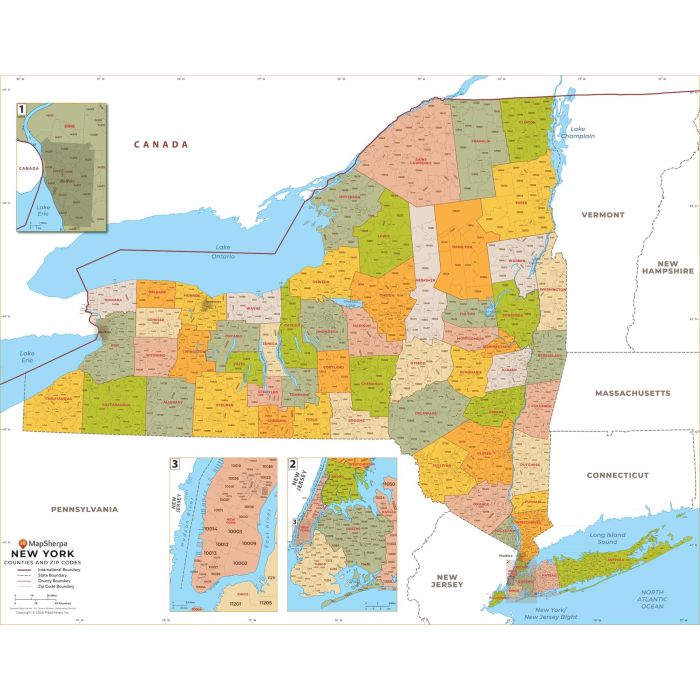
Travel guides often categorize attractions by neighborhood, which implicitly aligns with zip code divisions. If your interest lies in the theater district, you’d focus on Midtown zip codes. For art and bohemian vibes, you’d look to SoHo or Greenwich Village in Manhattan, or perhaps Williamsburg in Brooklyn. Knowing the specific zip code of your desired destination can also help with navigation apps, ride-sharing services, and local delivery services, ensuring you arrive precisely where you intend to be.
Choosing Your New York Accommodation by Zip Code
One of the most significant applications of zip code knowledge for visitors is in selecting accommodation. New York City offers an astonishing array of lodging options, from ultra-luxury resorts to charming boutique hotels, budget-friendly hostels, and private apartment rentals. The price, style, and atmosphere of your stay will largely depend on the zip code you choose.
-
Luxury and Convenience: Zip codes in Midtown (e.g., 10019, 10036) or the Upper East Side (e.g., 10021) often host iconic hotels like the Plaza Hotel, St. Regis, or various upscale properties from chains like Marriott, Hilton, and Hyatt. These areas offer unparalleled access to major attractions, high-end shopping, and fine dining, albeit at a premium price. They are ideal for business travelers seeking proximity to corporate hubs or tourists wanting to be in the heart of the action.
-
Boutique and Trendy: For a more unique or artistic experience, consider zip codes in SoHo (10012), Tribeca (10013), or Greenwich Village (10014). These areas are known for their charming streets, independent boutiques, vibrant nightlife, and smaller, design-focused hotels. Similarly, Williamsburg (11211) in Brooklyn has become a hotspot for trendy hotels and apartment rentals, offering a distinctly local vibe with easy subway access to Manhattan.
-
Budget-Friendly Options: While budget is a relative term in New York City, more affordable accommodations can often be found in zip codes further from the prime Manhattan core. Parts of Long Island City (11101) in Queens or specific areas in Brooklyn (like parts of Bushwick or Bedford-Stuyvesant) offer competitive rates with excellent public transport links. Researching specific zip codes on booking platforms will reveal price variations and help you find a stay that aligns with your financial plan and desired experience.
-
Long-Term Stays: For those considering a longer visit or relocation, zip codes become even more critical for understanding local amenities, school districts, and community character. Many online real estate and rental platforms heavily utilize zip codes to filter searches, allowing users to compare rental prices, proximity to parks (Central Park, Prospect Park), and access to public transportation within specific neighborhoods.
Lifestyle and Living: More Than Just an Address
Beyond mere postal functions and travel logistics, zip codes in New York City are shorthand for entire lifestyles. They represent the socio-economic, cultural, and demographic fabric of a neighborhood, painting a vivid picture for anyone looking to understand or experience the city.
-
Local Culture and Community: Each zip code often corresponds to a unique community with its own local culture, events, and distinct atmosphere. From the vibrant street fairs and ethnic festivals in Queens to the artistic performances in Greenwich Village or the historical significance of Harlem, zip codes help define these cultural enclaves. They influence where you’ll find specific types of cuisine—be it the authentic dim sum of Chinatown (10013) or the vibrant Indian food scene in Jackson Heights (11372)—and where you can discover unique local businesses.
-
Budget vs. Luxury Travel & Living: The zip code of a location in New York is a strong indicator of its cost of living and, by extension, the budget required for travel within that area. The astronomical rents and luxury services found in Upper East Side zip codes (e.g., 10021) contrast sharply with the more accessible pricing in parts of The Bronx or deeper Brooklyn. This allows travelers to tailor their experiences, whether they seek a lavish escape, a comfortable family trip, or an authentic budget adventure. Understanding these financial distinctions by zip code is crucial for planning an economically viable trip or assessing relocation costs.
-
Family-Friendly vs. Business Hubs: Zip codes also delineate areas suitable for different life stages and purposes. Families might gravitate towards zip codes in Park Slope (11215) in Brooklyn or parts of Queens known for their good schools, parks, and quieter residential streets. Business professionals, on the other hand, might prioritize zip codes in the Financial District (10005) or Midtown (10022) for convenient access to corporate offices and transportation hubs. Even within the city, a specific zip code can signify a vibrant nightlife district or a serene, leafy residential enclave.

Beyond the Digits: The Spirit of New York
While the practical utility of zip codes in New York City is undeniable, it’s important to remember that these five-digit identifiers are merely tools to help organize an incredibly complex and dynamic metropolis. They help us pinpoint locations, understand demographics, and plan our travels and lives with greater precision.
However, the true magic of New York lies beyond these numbers. It resides in the vibrant energy of its streets, the diverse faces of its residents, the countless stories whispered through its historic architecture, and the endless possibilities that greet you around every corner. Whether you’re chasing the bright lights of Times Square, savoring ethnic cuisine in Flushing, exploring the artistic avenues of SoHo, or simply enjoying a peaceful stroll through Central Park, your experience will be shaped by the unique spirit of each specific neighborhood.
So, while there isn’t one single zip code for New York, there’s a richness in its multitude of codes—each one a gateway to a different facet of this extraordinary global city. Embracing this complexity is part of understanding and loving the very essence of New York City.
LifeOutOfTheBox is a participant in the Amazon Services LLC Associates Program, an affiliate advertising program designed to provide a means for sites to earn advertising fees by advertising and linking to Amazon.com. Amazon, the Amazon logo, AmazonSupply, and the AmazonSupply logo are trademarks of Amazon.com, Inc. or its affiliates. As an Amazon Associate we earn affiliate commissions from qualifying purchases.