
New York is a global icon, a vibrant tapestry of cultures, towering landmarks, and endless possibilities. For travelers venturing into this colossal metropolis, understanding the seemingly mundane concept of a zip code transforms from a simple postal identifier into an indispensable tool for navigation, accommodation selection, and an immersive tourism experience. More than just a five-digit number, a New York zip code serves as a unique geographical fingerprint, delineating neighborhoods, influencing lifestyle costs, and guiding visitors to the very heart of their desired adventure. Whether you’re planning a luxurious escape, a budget-friendly family trip, or a business stay, knowing the specific zip codes for different areas of New York City can profoundly impact your travel planning, helping you pinpoint everything from the best hotels to hidden culinary gems.

In a city as vast and diverse as New York, where each borough and neighborhood boasts its own distinct character, zip codes offer a granular level of detail that goes far beyond what a general city map can provide. They help travelers not only find their way but also understand the local dynamics, from the cost of living to the prevalent cultural influences. For instance, a zip code in the Financial District speaks volumes about its corporate atmosphere, while one in Greenwich Village immediately evokes images of bohemian charm and historic brownstones. This article will delve into the multifaceted role of New York zip codes, illustrating how they can be leveraged to enhance every aspect of your visit, from initial planning to experiencing the authentic pulse of the city.
Navigating New York’s Diverse Landscape with Zip Codes
The sheer scale of New York City can be daunting for first-time visitors. Spanning five distinct boroughs – Manhattan, Brooklyn, Queens, The Bronx, and Staten Island – and comprising hundreds of neighborhoods, navigating this urban labyrinth requires more than just a street address. This is where New York zip codes become an invaluable asset, providing a structured geographical framework that simplifies everything from locating specific attractions to understanding local demographics and amenities. For the discerning traveler, mastering the zip code system is akin to unlocking a secret map, revealing the intricate layers of the city’s diverse landscape.
Understanding the NYC Zip Code System
The postal system in the United States utilizes a five-digit numerical code, commonly known as a ZIP Code (Zone Improvement Plan). In New York City, these codes are typically organized with the first three digits often identifying a larger region or borough, while the last two digits narrow down to a specific post office or delivery area within that region. For instance, most of Manhattan begins with 100xx, Brooklyn typically with 112xx, and Queens with 111xx or 113xx. This systematic arrangement allows for efficient mail delivery but, more importantly for travelers, provides a clear demarcation of neighborhoods and their associated characteristics.
Consider Manhattan, the most densely populated borough and home to many of New York City’s iconic sights. Zip codes here are highly localized, often representing just a few city blocks or a distinct neighborhood. For example, 10001 covers a significant portion of Midtown Manhattan, encompassing Herald Square and parts of the Garment District. Moving further north, 10023 defines a part of the Upper West Side, known for its residential charm and proximity to Central Park. Similarly, 10012 designates SoHo and NoHo, areas renowned for their artistic flair, cast-iron architecture, and upscale boutiques. Understanding these numerical divisions empowers travelers to make informed decisions about where to stay, eat, and explore, ensuring they immerse themselves in the specific atmosphere they seek. The local administration and emergency services also rely heavily on these divisions, ensuring that resources are deployed effectively to specific zones, which indirectly contributes to the overall safety and organization visitors experience.
Zip Codes as Travel Planning Tools
For anyone planning a trip to New York, zip codes transcend their postal function to become powerful travel planning tools. They offer a precise way to locate destinations, plan itineraries, and understand the logistical implications of various choices. When researching attractions or restaurants, noting their zip code can immediately tell you about their general location within the city, helping you group activities efficiently and minimize travel time.
Imagine a visitor keen on experiencing Broadway shows and the electrifying energy of Times Square. Knowing that these iconic spots fall primarily within the 10036 zip code instantly guides their search for nearby hotels or dining options, ensuring they are right in the heart of the action. If their interest shifts to world-class museums, they might look to the 10028 zip code, home to the Metropolitan Museum of Art on the Upper East Side, or 10019 for the Museum of Modern Art (MoMA) in Midtown.
Furthermore, zip codes can help connect specific experiences with their geographical homes. Want to explore the historic cobblestone streets and independent boutiques of Greenwich Village? You’ll be focusing on zip codes like 10014. If a visit to Wall Street and the Statue of Liberty is on the agenda, the 10004 zip code (for the ferry departure point in Lower Manhattan) and surrounding areas will be your guide. By integrating zip codes into their initial research, travelers can create more coherent and enjoyable itineraries, ensuring they spend less time commuting and more time experiencing the magic of New York.
Accommodation and Lifestyle: Zip Codes as Your Guide
One of the most critical aspects of any travel experience is finding the perfect place to stay, a decision often dictated by budget, desired amenities, and proximity to specific interests. In New York, zip codes serve as a powerful differentiator in the world of accommodation and lifestyle, providing insights into everything from the average cost of a room to the local vibe of a neighborhood. Understanding these geographical markers allows travelers to align their lodging choices with their overall lifestyle preferences and financial plans, ensuring a seamless and enjoyable visit.
Finding Your Ideal Stay: Hotels and Accommodation by Zip Code
The diverse range of hotels, apartments, resorts, and hostels in New York City can be overwhelming. However, by leveraging zip codes, travelers can efficiently narrow down their options based on location, price point, and the type of experience they seek. Different zip codes often correspond to vastly different real estate markets, which directly impacts the cost and style of accommodation available.
For instance, if luxury and exclusivity are paramount, a search within the 10021 or 10028 zip codes on the Upper East Side might lead to renowned establishments like The St. Regis New York or The Plaza Hotel (though The Plaza is 10019, bordering Central Park). These areas are synonymous with high-end boutiques, upscale dining, and proximity to cultural institutions. Conversely, a traveler on a tighter budget might explore zip codes in outer boroughs like Brooklyn (e.g., 11201 for Downtown Brooklyn or 11211 for Williamsburg) or Queens (e.g., 11101 for Long Island City), where hotels or Airbnb apartments often offer better value while still providing excellent access to Manhattan via public transport.
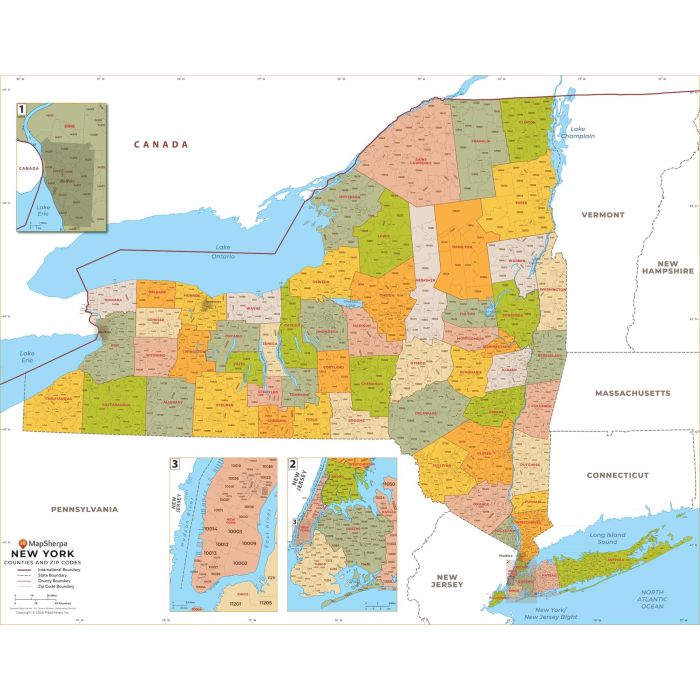
Even within Manhattan, zip codes delineate distinct lodging profiles. The 10036 zip code, encompassing Times Square and the Theater District, is replete with large chain hotels like the Marriott Marquis or Hilton properties, ideal for those seeking convenience to tourist hotbeds. Meanwhile, the 10011 zip code covering Chelsea and parts of the West Village offers more boutique hotels and a vibrant arts scene. Understanding these nuances through zip codes empowers travelers to book accommodation that truly enhances their desired New York experience, considering not just the room itself but also the neighborhood ecosystem it belongs to, including local amenities and transportation links.
Lifestyle and Budget: A Zip Code Perspective
Beyond just lodging, zip codes in New York are powerful indicators of lifestyle and budgetary considerations. The city’s immense diversity means that different postal codes cater to vastly different preferences, whether for luxury travel, budget exploration, family trips, or focused business stays.
For those pursuing a luxury travel experience, zip codes like 10019 or 10022 in Midtown Manhattan are prime choices, offering access to high-end shopping on Fifth Avenue, gourmet dining, and proximity to iconic venues like Carnegie Hall. These areas come with a premium price tag, reflecting the exclusive services and ambiance. In contrast, budget travelers might gravitate towards zip codes in neighborhoods like Bushwick, Brooklyn (11237), or parts of Harlem (10027, 10030), where more affordable accommodation, diverse food options, and a vibrant local culture offer a rich experience without breaking the bank.
Family trips often prioritize safety, green spaces, and kid-friendly attractions. Zip codes adjacent to Central Park (like 10024 or 10025 on the Upper West Side) or those in residential areas of Brooklyn near Prospect Park (e.g., 11215 for Park Slope) would be ideal, providing quieter streets and access to playgrounds and museums. Business travelers, on the other hand, would likely focus on zip codes in the Financial District (10005, 10006) or Midtown Manhattan (10017, 10036) for their proximity to corporate offices, convention centers, and excellent transportation hubs.
The culinary landscape also varies dramatically by zip code. A foodie exploring 10013 in Tribeca or 10003 in the East Village will find an abundance of trendy restaurants and diverse cuisines, from Michelin-starred establishments to casual eateries. Meanwhile, 10002 in the Lower East Side offers a mix of historic eateries and vibrant nightlife. By considering the zip code, visitors can tailor their New York adventure to perfectly match their individual lifestyle and budget, ensuring a personalized and deeply satisfying visit.
Zip Codes and the Tourism Experience in New York
Beyond the practicalities of finding accommodation and navigating, New York zip codes are integral to shaping the overall tourism experience. They help travelers efficiently explore famous landmarks and attractions, but also guide them off the beaten path to uncover local culture, hidden gems, and authentic experiences. For those looking to truly immerse themselves in the city’s spirit, understanding the distinct character associated with each postal code is key.
Exploring Landmarks and Attractions by Postal Code
New York City is a treasure trove of world-renowned landmarks and attractions, each with its own unique postal code that acts as a precise locator. For sightseers, clustering visits to attractions within the same or adjacent zip codes can optimize time and enhance the overall experience. This strategic approach minimizes travel between sites, allowing for more in-depth exploration and enjoyment.
Consider the classic Manhattan itinerary. A visitor interested in grand architecture and breathtaking views might focus on zip codes like 10001 for the Empire State Building or 10020 for Rockefeller Center and its observation deck, Top of the Rock. These areas are conveniently close, making it easy to visit both in a single day. Moving to 10004 places you squarely in Lower Manhattan, the departure point for ferries to the Statue of Liberty and Ellis Island, as well as home to the 9/11 Memorial & Museum. A quick walk or subway ride from there can take you to the bustling heart of the Financial District, defined by zip codes such as 10005 and 10006, where you can see Wall Street and the iconic Charging Bull.
Museum enthusiasts can plan their cultural journey by focusing on specific zip codes. The 10028 zip code on the Upper East Side is home to the renowned Metropolitan Museum of Art and other “Museum Mile” institutions. A short distance away, 10019 in Midtown hosts the Museum of Modern Art. Even outside Manhattan, zip codes guide visitors to borough-specific attractions; for instance, 11238 in Brooklyn leads to the Brooklyn Botanic Garden and Brooklyn Museum. By utilizing zip codes, visitors can craft an efficient and enriching itinerary, ensuring they make the most of their precious time in New York.

Beyond the Map: Cultural Immersion and Local Tips
The utility of New York zip codes extends far beyond simple geographic mapping; they are gateways to cultural immersion, offering clues about the local flavor, hidden gems, and authentic experiences that define a neighborhood. Each zip code can tell a story about the community it encompasses, from its culinary traditions to its artistic leanings and even its demographic makeup. This granular detail allows travelers to venture beyond typical tourist traps and discover the true pulse of the city.
For example, a zip code like 10002 in the Lower East Side not only points to a historic neighborhood but also suggests a vibrant arts scene, eclectic boutiques, and a rich history of immigration reflected in its diverse food options and historic synagogues. Exploring 10013 in Chinatown or 10012 for Little Italy immediately immerses visitors in distinct cultural enclaves with their own unique culinary offerings and traditions. These are areas where you can find authentic dim sum, traditional Italian pastries, and bustling street markets—experiences that epitomize local tourism.
Local tips often revolve around specific neighborhoods, which are easily identifiable by their zip codes. Want to find the best jazz clubs? Focus on 10027 in Harlem. Looking for indie music venues and trendy cafes? Williamsburg (11211) in Brooklyn is your destination. Even considerations like safety or the general ‘vibe’ of an area can be broadly associated with its zip code. While generalization should be avoided, local residents often discuss neighborhoods by their postal codes, signifying their distinct identities. By paying attention to these geographical identifiers, travelers can tap into a deeper, more nuanced understanding of New York, moving beyond the superficial to genuinely experience its multifaceted character and discover local activities that might otherwise remain hidden. This approach enriches the overall travel experience, transforming a simple visit into an unforgettable journey of discovery.
In conclusion, the seemingly simple concept of a zip code in New York is, in reality, a powerful navigational and experiential tool for any traveler. From strategically planning your visits to iconic landmarks and attractions to securing the perfect accommodation that aligns with your budget and desired lifestyle, zip codes offer a structured lens through which to view the city. They unlock insights into local culture, food scenes, and neighborhood characteristics, transforming an ordinary trip into an extraordinary tourism adventure. By embracing this knowledge, visitors can navigate the diverse landscape of New York City with confidence, ensuring a comprehensive, enjoyable, and deeply immersive experience tailored to their unique preferences. So, as you plan your next journey to the Big Apple, remember that understanding “What Is Zip Code New York?” is the first step to truly discovering everything this magnificent city has to offer.
LifeOutOfTheBox is a participant in the Amazon Services LLC Associates Program, an affiliate advertising program designed to provide a means for sites to earn advertising fees by advertising and linking to Amazon.com. Amazon, the Amazon logo, AmazonSupply, and the AmazonSupply logo are trademarks of Amazon.com, Inc. or its affiliates. As an Amazon Associate we earn affiliate commissions from qualifying purchases.