
Planning a trip to the Silver State? Whether you’re drawn to the vibrant nightlife of Las Vegas, the serene beauty of Lake Tahoe, or the rugged landscapes of its national parks, one of the most fundamental — yet often overlooked — details is understanding the local time. Knowing the current time in Nevada is more than just a trivial fact; it’s a critical piece of information that dictates everything from flight schedules and hotel check-ins to restaurant reservations and the timing of your planned excursions. It influences your sleep patterns, your travel budget (especially with timed activities), and ultimately, the seamless flow of your entire adventure.
This comprehensive guide delves into the specifics of Nevada’s time zones, highlighting how these details impact your travel plans and offering invaluable tips for maximizing your experience in this diverse United States destination. From luxurious resort stays to adventurous road trips, mastering the clock is your first step towards an unforgettable Nevada journey.
Understanding Nevada’s Time Zones: A Traveler’s Prerequisite
Before you even begin to research hotels or attractions, understanding Nevada’s time zones is paramount. While most of the state adheres to a single time zone, there’s a noteworthy exception that could catch unprepared travelers off guard.
The Dominant Pacific Time Zone
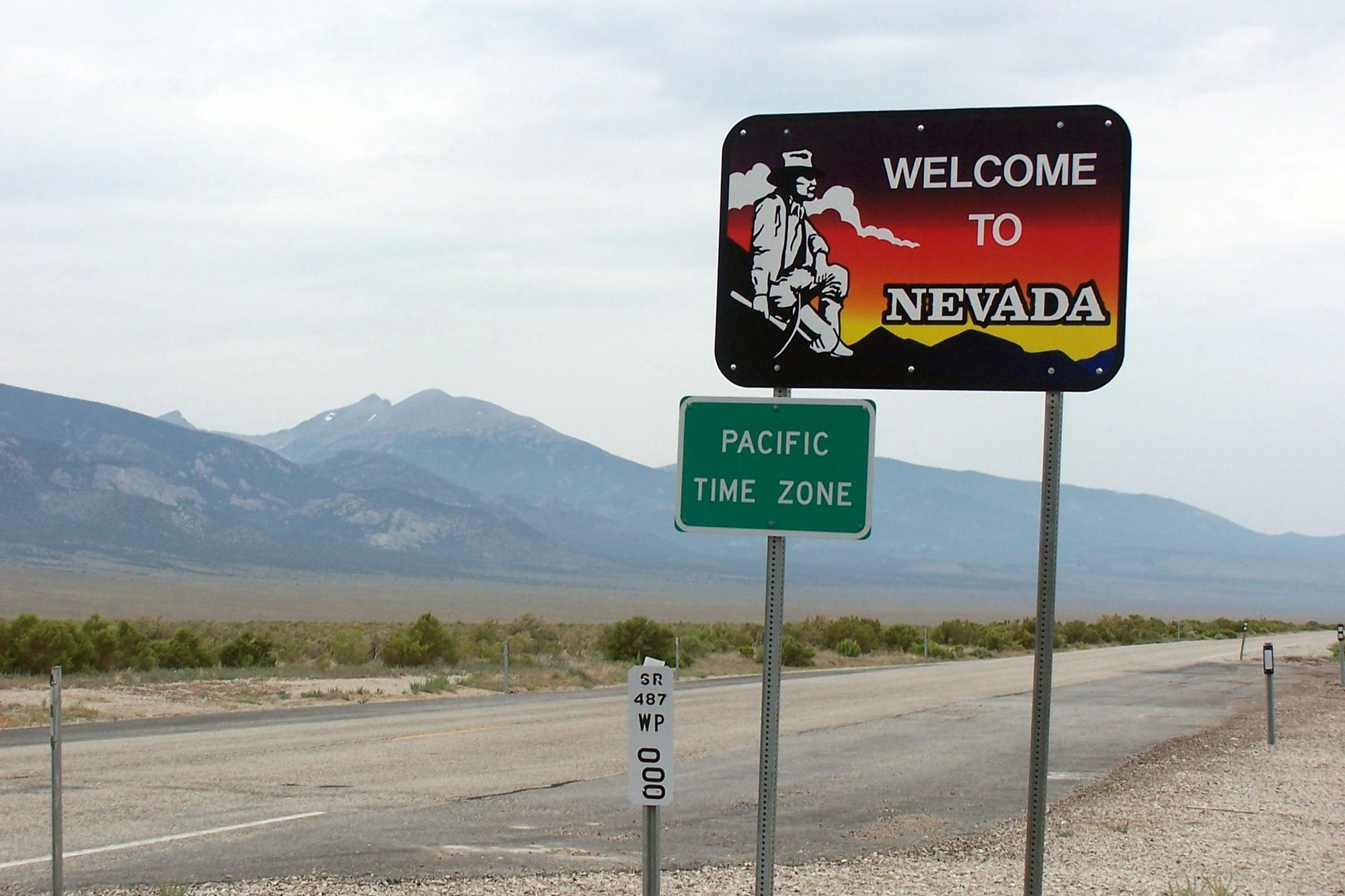
The vast majority of Nevada, including its major urban centers like Las Vegas and Reno, operates on Pacific Standard Time (PST) during the winter months. PST is UTC-8, meaning it is eight hours behind Coordinated Universal Time.
However, like most of the United States, Nevada observes Daylight Saving Time (DST). From the second Sunday in March until the first Sunday in November, the clocks spring forward by one hour, shifting the state to Pacific Daylight Time (PDT). PDT is UTC-7. This transition is crucial for travelers to remember, as it can affect flight times, scheduled events, and coordination with friends or family in other time zones. The official time zone identifier used by many systems for this region is often PST8PDT. This means that if you’re traveling to Las Vegas in July, it will be PDT, but if you visit in December, it will be PST. This shift is especially important if you are crossing state lines from areas that do not observe Daylight Saving Time, such as parts of Arizona.

The Exceptional Case of West Wendover
Here’s where things get interesting for the keen traveler. While virtually all of Nevada is on Pacific Time, the small city of West Wendover, located on the eastern border with Utah, observes Mountain Standard Time (MST) during winter and Mountain Daylight Time (MDT) during Daylight Saving Time. This means West Wendover is one hour ahead of the rest of Nevada.
This unique situation stems from its close economic and social ties to the larger city of Wendover in Utah, which is firmly in the Mountain Time Zone. To facilitate commerce and daily life between the two border towns, West Wendover was granted an exemption to align with Utah’s time. For anyone driving across Nevada or planning a stop in the eastern part of the state, particularly near the Utah border, remembering this time change is crucial to avoid missing appointments or confusing booking times.
Why Time Matters for Your Nevada Itinerary
Beyond avoiding confusion, understanding time zones is integral to successful travel planning in Nevada.
- Flight and Transportation Schedules: All domestic flights to and from Nevada will adhere to the local time, so knowing whether you’re landing in PST or PDT is vital for timely arrivals and connections.
- Accommodation Bookings: Check-in and check-out times for hotels, resorts, and apartments are always based on local time. Missing a check-in window due to a time zone miscalculation can lead to frustration and potential extra costs.
- Activity and Tour Reservations: From Las Vegas show tickets and grand dining reservations to guided tours of the Hoover Dam or Red Rock Canyon National Conservation Area, all scheduled activities operate on local time. A one-hour error could mean missing a once-in-a-lifetime experience.
- Coordination with Travel Companions: If your group is arriving from different time zones or meeting up at specific times, clear communication about Nevada’s current time is essential.

Navigating Nevada’s Iconic Destinations by the Clock
Nevada’s diverse landscape offers an incredible array of destinations, each with its own rhythm and optimal times for exploration.
Las Vegas: The City That Never Sleeps (On Pacific Time)
Las Vegas, the entertainment capital of the world, runs entirely on Pacific Time (PST/PDT). This is crucial for visitors flocking to its famous Strip and downtown.
- Show Times & Dining: Evening shows at Bellagio, Caesars Palace, or The Venetian Resort Las Vegas are precisely timed, as are reservations at world-class restaurants. Be mindful of the Daylight Saving Time shift if your visit spans that period, as a “7 PM show” might feel like 6 PM to your body clock if you’re coming from the east.
- Gambling & Nightlife: Casinos and nightclubs operate 24/7, so the clock is less about opening hours and more about when you want to experience them. However, for those arriving from distant time zones, managing jet lag to fully enjoy the late-night scene is key.
- Day Trips: When planning excursions from Las Vegas to nearby landmarks like the Hoover Dam, Red Rock Canyon National Conservation Area, or Valley of Fire State Park, factor in travel time relative to your chosen activities, ensuring you return to Las Vegas in time for evening plans. A trip to the Grand Canyon West Rim, located in Arizona (which observes MST but largely does not observe Daylight Saving Time), can introduce a one-hour time difference that savvy travelers must account for.
Reno and Lake Tahoe: High Sierra Adventures
In northern Nevada, Reno and the Nevada side of Lake Tahoe also adhere to Pacific Time. This region offers a different kind of lifestyle, focused on outdoor activities, natural beauty, and a vibrant arts scene.
- Skiing & Outdoor Recreation: Ski resorts, hiking trails, and lake activities have specific operating hours. Knowing the correct time ensures you hit the slopes during prime conditions or embark on your hike with ample daylight.
- Cross-Border Activities: Lake Tahoe straddles Nevada and California. Since both states observe Pacific Time and Daylight Saving Time similarly, there’s no time change when crossing the state line around the lake, simplifying travel between charming towns on both sides. However, if driving into California further west, the time zone remains the same.
- Historic Towns: Exploring towns like Carson City (the state capital), Virginia City, or Genoa means adhering to their local business hours, which are all within Pacific Time.
Eastern Nevada: Exploring the Mountain Time Fringe
For those venturing into eastern Nevada, the time zone situation becomes critical, particularly around West Wendover.
- Great Basin National Park: If your itinerary includes Great Basin National Park near Ely, you’ll still be on Pacific Time. However, if you’re traveling from or through West Wendover, remember to adjust your clocks by an hour as you head west into the rest of Nevada or east into Utah.
- Remote Road Trips: Nevada’s “Cowboy Country” and vast expanses, including the Extraterrestrial Highway near Area 51, operate on Pacific Time. While less time-sensitive than urban areas, knowing the time is still important for fuel stops, dining, and reaching remote accommodations before dark. Cities like Elko and areas around the Ruby Mountains also follow Pacific Time.
Planning Your Nevada Adventure: Accommodation, Activities, and More
A well-planned trip to Nevada requires careful consideration of timings, especially when dealing with bookings and cross-state excursions.
Seamless Bookings: Timing Your Stays and Experiences
When researching accommodation for your trip, always confirm the check-in and check-out times in local Nevada time. Many online booking platforms will display times in your local zone, which can lead to confusion if not double-checked against the destination’s time.
- Flight Arrivals: If flying into McCarran International Airport in Las Vegas or Reno-Tahoe International Airport, remember that arrival times shown on your ticket are in local destination time. Plan your airport transfer and initial activities accordingly.
- Hotel Check-ins: Most hotels have standard check-in times (e.g., 3 PM or 4 PM). If you’re arriving from a different time zone, factor in potential jet lag or an early arrival fee if you need access to your room sooner. Conversely, maximize your last day by knowing the check-out time and planning accordingly.
- Tour Departures: Whether it’s a helicopter tour over the Grand Canyon, a boat trip on Lake Tahoe, or a ghost tour in Virginia City, tours operate on strict schedules. Confirm the departure time and recommended arrival window (usually 15-30 minutes prior) in local Nevada time.
Day Trips and Border Hops: Cross-Time Zone Considerations
Nevada’s central location in America’s southwest makes it an excellent base for exploring neighboring states. However, these excursions often involve crossing time zones.
- Arizona: A popular day trip from Las Vegas is to the Grand Canyon or the scenic town of Kingman. Most of Arizona observes Mountain Standard Time (MST) year-round and does not observe Daylight Saving Time. This means that during Daylight Saving Time (March-November), Arizona is on the same time as Nevada (PDT in Nevada and MST in Arizona are the same UTC offset). However, during the winter months (November-March), when Nevada is on PST, Arizona (MST) will be one hour ahead of Nevada. This distinction is critical for tour timings and return travel.
- Utah: As discussed, Utah is entirely in the Mountain Time Zone, observing both MST and MDT. This means if you travel from Las Vegas to, say, St. George, Utah, you will gain an hour. Remember to reset your clock when crossing the border to avoid missing bookings or appointments.
- California, Idaho, Oregon: Trips to California and most of Oregon (including Portland) will keep you in the Pacific Time Zone, simplifying travel. However, if heading north into Idaho, you’ll generally encounter Mountain Time, meaning another hour gained.
Beyond the Clock: Embracing Nevada’s Diverse Lifestyle
While time zones dictate schedules, the overall pace and lifestyle in different parts of Nevada also vary significantly.
- Urban Energy vs. Rural Calm: Las Vegas and Reno maintain a dynamic pace, with events and activities stretching late into the night. In contrast, rural areas like Ely, Laughlin, or those near Great Basin National Park often adhere to a more relaxed rhythm, with earlier closing times for businesses and restaurants. Understanding this allows you to plan your days more realistically.
- Outdoor Adventures: For hiking in Mount Charleston or exploring the vastness near Death Valley National Park, timing is less about specific appointments and more about maximizing daylight, avoiding extreme heat (especially in summer), and planning for sunset. Even here, awareness of the local time helps gauge sunrise and sunset accurately.
Maximizing Your Nevada Experience: Practical Tips for Every Traveler
With the nuances of Nevada’s time zones in mind, here are some practical tips to ensure a smooth and enjoyable trip, regardless of your destination within the state.
Essential Gear and Digital Tools
Modern technology is your best friend when navigating time zones across North America.
- Smartphones and Smartwatches: Most smart devices automatically update to the local time zone when you connect to a cellular network or Wi-Fi. Ensure your device’s automatic time setting is enabled.
- World Clock Apps: Before you travel, set up a world clock on your phone that displays your home time zone, Nevada’s time zone, and any other relevant time zones for border-hopping (e.g., Arizona or Utah). This makes quick comparisons easy.
- Portable Chargers: Keep your devices charged! You don’t want to run out of battery just as you’re trying to figure out the local time or navigate to your next destination.
Adjusting to the Time Difference
Jet lag can significantly impact your travel experience, especially if you’re crossing multiple time zones.
- Gradual Adjustment: If possible, start adjusting your sleep schedule a few days before your trip. Shift your bedtime and wake-up time closer to Nevada’s local time.
- Hydration and Light Meals: Stay well-hydrated and eat light, healthy meals. Avoid heavy foods, excessive caffeine, and alcohol, which can exacerbate jet lag symptoms.
- Sunlight Exposure: Upon arrival, expose yourself to natural sunlight, especially in the morning. This helps reset your body’s internal clock.
- Sleep Discipline: Try to go to bed and wake up at consistent local times, even if you don’t feel tired. Napping strategically can help, but avoid long naps that interfere with nighttime sleep.
Local Insights: When to Experience Nevada
Beyond just knowing the time, understanding the best times of day or year for certain activities can profoundly enhance your tourism experience.
- Early Mornings for Nature: For hiking in Red Rock Canyon National Conservation Area or exploring Valley of Fire State Park, early mornings are ideal to beat the heat and crowds.
- Evenings for Entertainment: Las Vegas truly comes alive after dark, with shows, dining, and Fremont Street Experience starting in the late afternoon and continuing well into the night.
- Seasonal Considerations: Nevada’s climate varies dramatically. Summer in Las Vegas can be extremely hot, making indoor attractions or early morning/late evening outdoor activities preferable. Lake Tahoe is perfect for winter sports but also offers stunning summer recreation.
In conclusion, knowing “What is the time in Nevada?” is more than just a simple query; it’s the gateway to a well-organized and truly enjoyable travel experience. By understanding the dominant Pacific Time Zone, acknowledging the West Wendover exception, and factoring in Daylight Saving Time, you empower yourself to plan seamlessly. From booking your ideal accommodation to embarking on thrilling day trips and immersing yourself in the local culture, a mindful approach to the clock ensures that every moment of your Nevada adventure is spent exactly as you intended. So, set your watches, synchronize your plans, and prepare to explore all the wonders the Silver State has to offer!