
When one imagines the iconic skyline of New York City, a myriad of towering structures come to mind, each telling a story of ambition, innovation, and resilience. From the timeless Art Deco spires that defined an era to the sleek, modern glass towers pushing the boundaries of engineering, the city’s architectural landscape is a testament to its enduring spirit. For travelers planning a visit, understanding this vertical tapestry is not just about identifying the highest points; it’s about delving into the history, culture, and vibrant experiences that these magnificent landmarks offer.
The question, “What’s the tallest building in New York City?” is more than a simple query; it’s an invitation to explore the very essence of urban achievement in the United States. While the answer might seem straightforward today, the title of the tallest building has shifted hands many times throughout the decades, each transition marking a new chapter in the city’s development. From the architectural races of the early 20th century that brought us the Empire State Building and the Chrysler Building, to the tragic events of 9/11 and the subsequent rebirth, the skyline is a living monument.
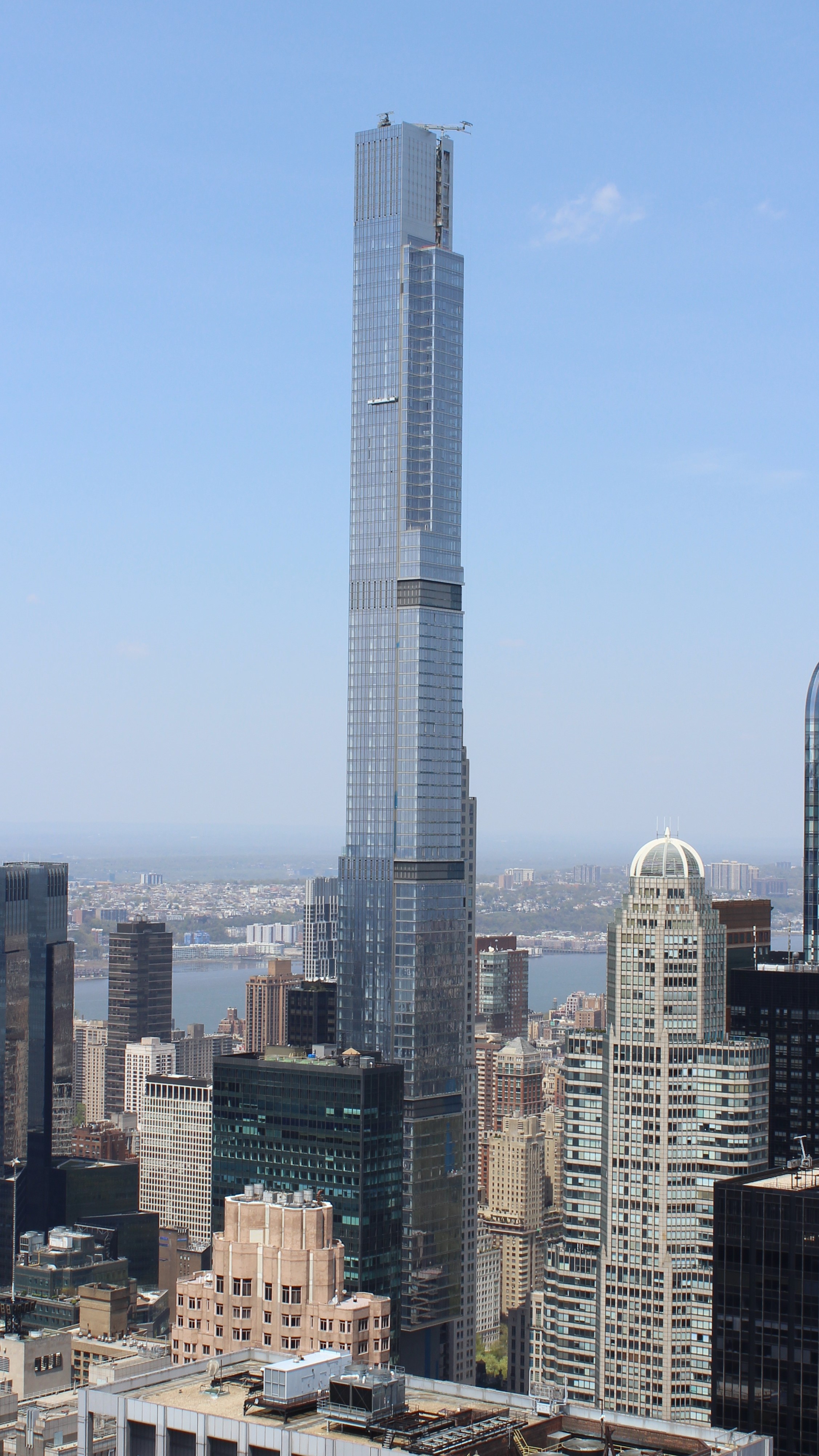
This guide will not only pinpoint the current reigning champion of the New York City skyline but will also take you on a journey through its most prominent vertical attractions. We’ll explore these architectural marvels from a traveler’s perspective, highlighting what makes them must-see destinations, where to find the best views, and how they contribute to the unparalleled tourism experience that New York offers. Whether you’re a history buff, an architecture enthusiast, a photography aficionado, or simply seeking breathtaking panoramic vistas, the skyscrapers of New York City promise an unforgettable adventure. We’ll delve into how these structures are more than just buildings; they are integral parts of the local culture, offering unique activities and luxury experiences, as well as inspiring tips for those on a budget.
The Pinnacle of the Skyline: One World Trade Center
Standing proudly in Lower Manhattan, the undisputed tallest building in New York City is One World Trade Center (OWTC). Soaring to a symbolic height of 1,776 feet (541 meters), a number chosen to commemorate the year of the signing of the Declaration of Independence, OWTC is not merely a skyscraper; it is a profound symbol of resilience, hope, and the unwavering spirit of New York City and its people. Completed in 2014, it anchors the rebuilt World Trade Center complex, rising from the very site that experienced unimaginable tragedy.
A Symbol of Resilience and Modern Architecture
The design of One World Trade Center, sometimes referred to as the Freedom Tower, is a masterclass in modern architecture and engineering. Designed by David Childs of Skidmore, Owings & Merrill, its form is a striking blend of functionality and symbolism. The base of the tower is an elegant cube, mirroring the dimensions of the original Twin Towers, while its facets rise and taper, culminating in a magnificent spire that reaches for the heavens. This spire, an integral part of its symbolic 1,776-foot height, houses broadcast antennae and acts as a beacon of light in the city’s skyline.
Beyond its imposing height, OWTC incorporates advanced sustainable design features, aiming for a high level of environmental responsibility. It’s an example of how modern construction can push the boundaries of green architecture. The building itself is primarily office space, but its significance extends far beyond its commercial purpose. It stands adjacent to the solemn 9/11 Memorial & Museum, creating a powerful precinct that honors the past while looking steadfastly towards the future. This area has become a poignant destination for travelers worldwide, offering a space for remembrance, reflection, and appreciation for the city’s enduring strength. Visiting the World Trade Center complex is a deeply moving experience that combines historical insight with contemporary architectural grandeur, making it a cornerstone of any New York City travel itinerary.
Visiting the Summit: The One World Observatory Experience
For tourists seeking to experience the sheer scale of One World Trade Center firsthand, the One World Observatory offers an unparalleled opportunity. Located on floors 100 to 102, this observation deck provides breathtaking 360-degree views of New York City and beyond. The journey to the top is an experience in itself, starting with the SkyPod elevators, which ascend 102 stories in just 47 seconds, showcasing a virtual time-lapse of New York’s evolution over centuries.
Once at the summit, visitors are greeted by expansive views that stretch across the Manhattan cityscape, across the Hudson River to New Jersey, and out to the Statue of Liberty and Ellis Island. The One World Observatory is more than just a viewing platform; it’s an immersive attraction. It features interactive exhibits, dining options, and an impressive digital skyline showing the city’s iconic landmarks. It’s an ideal spot for families, solo travelers, or couples looking for a romantic backdrop. Booking tickets in advance is highly recommended, especially during peak travel seasons, to secure your preferred entry time and avoid long queues. This experience truly encapsulates the “Lifestyle” aspect of travel, offering a premium way to engage with the city’s magnificence and create lasting memories.
A Legacy of Giants: Other Iconic Skyscrapers of New York
While One World Trade Center holds the title, the story of New York City’s vertical prowess is rich with other legendary skyscrapers, each with its own unique charm and history. These buildings are not just tall structures; they are integral parts of the city’s identity, famous landmarks, and crucial attractions for tourism, drawing millions of visitors annually.
Art Deco Marvels: Empire State Building and Chrysler Building
No discussion of New York City skyscrapers would be complete without revering the Empire State Building and the Chrysler Building. These two giants, locked in a fierce battle for the title of the world’s tallest building in the late 1920s and early 1930s, epitomize the grandeur and optimism of the Art Deco era.
The Empire State Building, completed in 1931, stood as the world’s tallest for nearly 40 years. Its distinctive spire and elegant setbacks make it instantly recognizable globally. Located in Midtown Manhattan, it remains one of the most beloved landmarks, offering two observation decks – the 86th floor and the 102nd floor – that provide spectacular views of the city. The romance and history associated with this building, from its cinematic appearances to its annual lighting ceremonies, make it a timeless attraction. It’s a quintessential New York experience, ideal for families and history enthusiasts.
Just a few blocks away, the Chrysler Building is a masterpiece of Art Deco design, renowned for its terraced crown adorned with stainless steel arches and eagles. While it no longer holds the title of the tallest and does not have a public observation deck, its exterior is a landmark in itself, a true architectural gem that inspires awe. Its distinctive features, such as the gargoyles modeled after Chrysler hood ornaments, are a testament to the era’s dedication to ornate detailing and bold statements. It’s a crucial stop for architectural walking tours, offering a glimpse into New York’s glamorous past.
Midtown’s Modern Wonders: Central Park Tower and Beyond

The competitive spirit of skyscraper construction never truly left New York City. Recent decades have seen an explosion of ultra-luxury residential towers, particularly along the southern edge of Central Park, dubbed “Billionaires’ Row.”
The Central Park Tower, completed in 2020, currently holds the distinction of being the tallest residential building in the world and the second-tallest building in the United States by roof height. Soaring to 1,550 feet (472 meters), its sleek, reflective facade houses opulent apartments and a Nordstrom flagship store at its base. While it doesn’t offer a public observation deck, its presence dramatically reshapes the Midtown Manhattan skyline, showcasing the pinnacle of luxury accommodation and modern engineering.
Other notable towers on Billionaires’ Row include Steinway Tower (111 West 57th Street), known for its incredibly slender profile, and 432 Park Avenue, recognized by its repeating square window pattern. These buildings represent a new era of urban living and luxury travel, with their sky-high residences offering unparalleled views and exclusive amenities. They cater to a lifestyle where panoramic vistas are a daily backdrop, influencing hotel trends and high-end tourism experiences throughout the city.
The Financial District’s Architectural Gems
Lower Manhattan, home to One World Trade Center, is not just about modern marvels. It’s also a district rich in historical skyscrapers that predate many of the Midtown giants. Buildings like the Woolworth Building, completed in 1913, were once the tallest in the world. Often referred to as the “Cathedral of Commerce,” its Gothic revival architecture stands in stark contrast to the sleek glass towers surrounding it. While its observation deck closed long ago, its stunning lobby occasionally hosts tours, revealing intricate mosaics and ornate detailing.
Nearby, 70 Pine Street, another exquisite Art Deco skyscraper from the 1930s, has been redeveloped into luxury residences and the lavish Hotel Barrière Fouquet’s New York, offering a high-end experience in a landmark building. The transformation of these historic structures into modern accommodation options reflects the evolution of New York City’s urban landscape, blending its rich past with contemporary luxury and meeting the demands of discerning travelers. Exploring Wall Street and its surroundings offers a unique blend of financial history, significant landmarks, and impressive architecture.
Experiencing New York’s Vertical Splendor
Beyond simply admiring these colossal structures, New York City offers myriad ways for travelers to immerse themselves in its vertical grandeur. From thrilling observation decks to hotels that promise sky-high views, the city’s skyscrapers are central to its travel and tourism appeal.
Best Views and Observation Decks
New York City boasts several world-class observation decks, each offering a distinct perspective on the urban jungle.
- One World Observatory: As mentioned, located at One World Trade Center, it offers unparalleled views of Lower Manhattan, the Statue of Liberty, and the bridges.
- Top of the Rock: Perched atop 30 Rockefeller Plaza within Rockefeller Center, this observatory is famous for its unobstructed views of the Empire State Building and Central Park. It offers multiple outdoor terraces, making it a fantastic spot for photography, especially around sunset.
- Empire State Building Observatories: Offering a classic New York City experience, the 86th and 102nd-floor decks provide iconic views, including the distant One World Trade Center. The historical significance adds an extra layer to the visit.
- The Edge: Located at Hudson Yards, The Edge is the highest outdoor sky deck in the Western Hemisphere. Its unique design features a glass floor and angled glass walls, providing an exhilarating, almost vertigo-inducing experience, with incredible views of the Hudson River and Midtown Manhattan.
- Summit One Vanderbilt: This relatively new observatory offers an immersive, multi-sensory experience with mirrored rooms and art installations, along with breathtaking views of landmarks like Grand Central Terminal and the Chrysler Building. It combines stunning vistas with contemporary art, making it a unique attraction for modern travelers.
Each observation deck offers a distinct vantage point and atmosphere, catering to different preferences and ensuring that every traveler finds their perfect high-altitude perspective of the city.
Hotels with a View: Elevating Your Stay
For those who wish to extend the skyscraper experience beyond a day trip, numerous hotels in New York City boast rooms and suites with incredible views of the skyline. Staying in a hotel that overlooks these magnificent structures adds a layer of luxury and immersion to any trip.
In Midtown, properties like The Peninsula New York, the Mandarin Oriental, New York (with its stunning views of Central Park and the Hudson River), or The St. Regis New York offer opulent accommodation with vistas of Fifth Avenue and iconic skyscrapers. Near Central Park, the Ritz-Carlton New York, Central Park and The Plaza Hotel provide classic luxury with picturesque urban backdrops.
In Lower Manhattan, hotels such as the Four Seasons Hotel New York Downtown or The Beekman, a Thompson Hotel, offer sophisticated stays with direct views of One World Trade Center, the Brooklyn Bridge, and the Statue of Liberty. These accommodations not only provide comfort and amenities but also integrate the city’s landmarks into the very fabric of your travel experience, transforming a simple room into a panoramic lookout. Booking a suite with a view can elevate a regular trip into a memorable luxury escape, making it a key consideration for those planning their accommodation.

Architectural Walking Tours and Photography Tips
For those deeply interested in the design and history of New York City’s skyscrapers, architectural walking tours are highly recommended. Organizations like the Skyscraper Museum or the Municipal Art Society of New York offer expert-led tours that delve into the fascinating stories behind these giants, from their construction challenges to their cultural impact. These tours often focus on specific neighborhoods like Midtown’s Art Deco masterpieces or the historic Financial District, providing in-depth knowledge that enhances appreciation for these structural marvels.
Photography enthusiasts will find endless opportunities to capture the grandeur of the New York City skyline. Some classic spots for stunning photographs include:
- Brooklyn Bridge Park: Offers iconic views of the Manhattan skyline, including One World Trade Center.
- Hoboken, New Jersey: Provides a panoramic perspective of the entire Manhattan skyline across the Hudson River.
- Long Island City, Queens: Gantry Plaza State Park offers another fantastic vantage point, especially at sunset.
- Top of the Rock or The Edge: Ideal for capturing the dense urban fabric and famous landmarks from above.
Capturing the dynamic interplay of light, shadow, and reflection on these glass and steel giants requires patience and planning, but the results are always rewarding, creating lasting visual memories of a trip to the city. Whether you’re a casual photographer or a professional, the architectural wonders of New York City offer an unparalleled muse.
In conclusion, New York City’s skyline is a dynamic canvas, constantly evolving yet deeply rooted in its storied past. One World Trade Center proudly stands as its tallest beacon, but it is surrounded by a symphony of other iconic skyscrapers, each contributing to the city’s unique charm and allure. Exploring these architectural giants offers a profound insight into the city’s history, culture, and enduring spirit, making it an essential part of any travel experience to this magnificent global destination.
LifeOutOfTheBox is a participant in the Amazon Services LLC Associates Program, an affiliate advertising program designed to provide a means for sites to earn advertising fees by advertising and linking to Amazon.com. Amazon, the Amazon logo, AmazonSupply, and the AmazonSupply logo are trademarks of Amazon.com, Inc. or its affiliates. As an Amazon Associate we earn affiliate commissions from qualifying purchases.