
New York City, often heralded as the “Capital of the World,” is a metropolis that beckons travelers with its unparalleled energy, iconic landmarks, and diverse cultural tapestry. However, experiencing the full grandeur of the Big Apple requires more than just a well-planned itinerary; it demands an understanding of its dynamic and often unpredictable weather. The temperature in New York City fluctuates dramatically across its four distinct seasons, each presenting a unique set of challenges and charms for visitors. From the biting cold of winter to the sweltering heat of summer, and the mild breezes of spring and autumn, the weather significantly influences everything from your packing choices to your daily activities, and even your accommodation preferences.
For those planning a trip, knowing what to expect from the thermometer is paramount. Is it a time for ice skating in Central Park or sunbathing at Coney Island? Will you need a heavy winter coat to stroll through Times Square or light layers for exploring Greenwich Village? This comprehensive guide delves into New York City’s climate, offering insights into what temperatures to anticipate throughout the year and how these conditions can shape your travel plans, tourism activities, and overall lifestyle experience in this vibrant city. Understanding the ebb and flow of New York’s weather will empower you to pack smartly, book wisely, and ultimately, make the most of your adventure in one of the world’s most exciting destinations.
Understanding New York City’s Climate: A Seasonal Guide
New York City experiences a humid continental climate, characterized by cold, snowy winters and hot, humid summers. Spring and autumn are generally mild and pleasant, making them popular times for tourism. Each season presents distinct advantages and considerations for travelers.
Winter Wonderland or Chilly Challenge? (December – February)
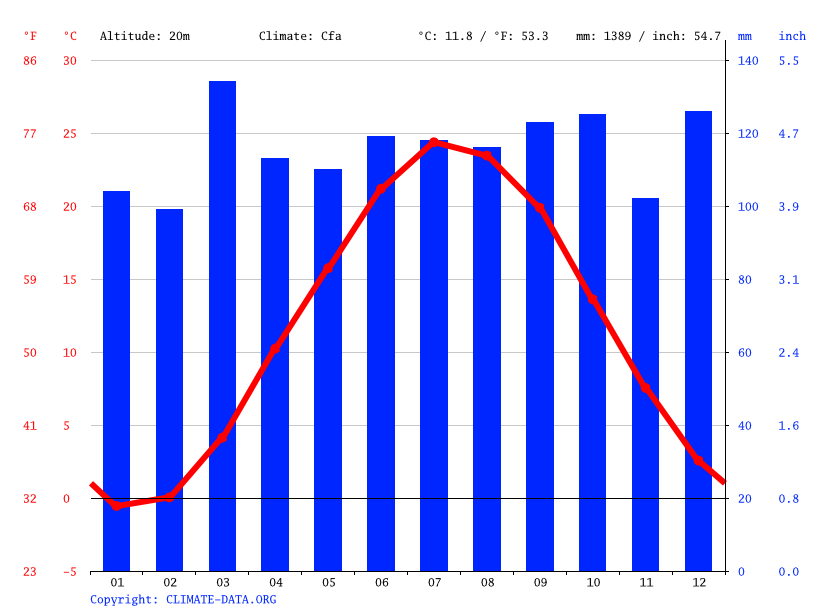
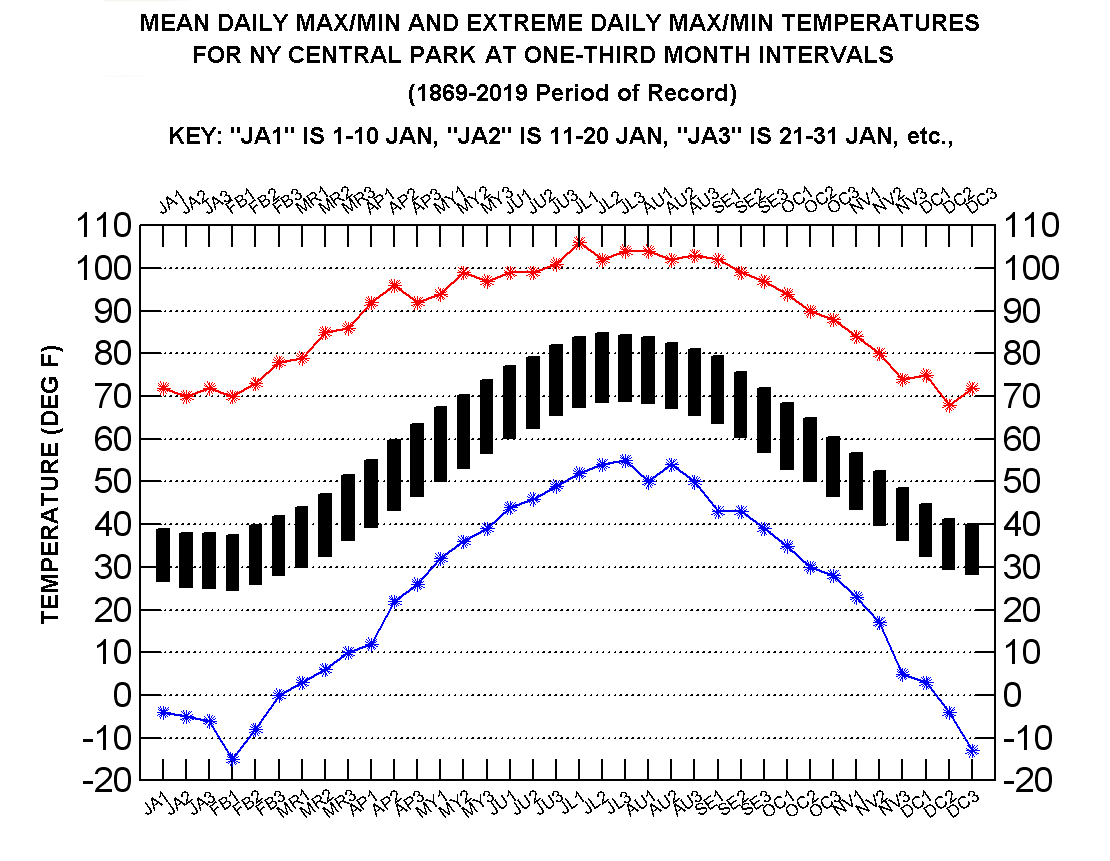
Winter in New York City can be enchanting, particularly during the holiday season. December sees average temperatures ranging from 30°F to 40°F (-1°C to 4°C), often dropping further in January and February, with averages hovering between 26°F and 38°F (-3°C to 3°C). Snowfall is common, transforming the urban landscape into a picturesque, if frigid, scene. The city embraces the cold with a festive spirit, offering a plethora of indoor activities and cozy experiences.
Travel & Tourism: Winter travel to New York is synonymous with holiday markets, ice skating at the Winter Village at Bryant Park or The Rink at Rockefeller Center, and marveling at the dazzling window displays along Fifth Avenue. It’s an ideal time to catch a Broadway show, explore world-class museums like the Metropolitan Museum of Art or the American Museum of Natural History, or enjoy a warm drink in a quaint café. Despite the cold, there’s an undeniable magic in the air, especially as the city prepares for New Year’s Eve in Times Square.
Accommodation & Lifestyle: Hotels during winter often offer competitive rates, especially after the New Year rush. Look for accommodations with excellent heating, cozy communal areas, and perhaps even indoor pools or spas to escape the chill. Many suites and apartments provide a comfortable base, allowing for a more authentic, local experience. Luxury travel in winter can involve staying at historic hotels like The Plaza Hotel or enjoying five-star amenities at the Four Seasons Hotel New York Downtown. Budget travelers can find deals, but ensure your chosen lodging is well-heated and conveniently located near public transport.
Spring’s Gentle Embrace (March – May)
As winter loosens its grip, New York City awakens with the arrival of spring. March can still be quite cool, with temperatures ranging from 35°F to 48°F (2°C to 9°C), but by April and May, the city blossoms. Average temperatures rise to 45°F-65°F (7°C-18°C), making it a wonderfully pleasant time to visit. The air is crisp, flowers begin to bloom in the city’s many parks, and outdoor activities become increasingly appealing.
Travel & Tourism: Spring is ideal for exploring New York’s outdoor attractions without the oppressive heat of summer crowds. Stroll through Central Park to see cherry blossoms, walk across the Brooklyn Bridge for stunning skyline views, or wander along The High Line. Outdoor dining begins to flourish, and street fairs, such as the Tribeca Film Festival, add to the city’s vibrant atmosphere. Nature enthusiasts can enjoy day trips to nearby botanical gardens.
Accommodation & Lifestyle: As the weather improves, demand for accommodation can increase, especially around spring break or major events. Booking in advance is advisable. Many boutique hotels in neighborhoods like SoHo or Chelsea offer charming experiences. Spring is an excellent time for family trips, with plenty of activities suitable for all ages.
Summer in the City: Heat and High Energy (June – August)
Summer in New York City is characterized by hot, humid weather, with average temperatures ranging from 70°F to 85°F (21°C to 29°C), often climbing into the 90s (32°C+) during heatwaves. Thunderstorms can occur, providing temporary relief. Despite the heat, the city buzzes with an undeniable energy, offering a wealth of outdoor festivals, rooftop bars, and waterside activities.
Travel & Tourism: When the temperatures soar, visitors often seek relief at city beaches like Rockaway Beach or Coney Island. Rooftop bars throughout Manhattan provide cool breezes and spectacular views, while boat tours around the Statue of Liberty or along the Hudson River offer a refreshing escape. Indoor attractions with air conditioning, such as the Museum of Modern Art (MoMA) or Grand Central Terminal, become popular havens. Outdoor concerts, free movie screenings in parks, and vibrant street life define the summer lifestyle.
Accommodation & Lifestyle: Air conditioning is a non-negotiable amenity for summer accommodation. Many modern hotels like the Arlo SoHo or Moxy NYC Chelsea are well-equipped to handle the heat, some even boasting rooftop pools. Consider staying in areas with easy access to public transportation to minimize time spent walking in the heat. Resorts outside the immediate city center might offer more spacious options and pool access.
Autumn’s Golden Glow (September – November)
Autumn is arguably the most beloved season in New York City, offering a perfect balance of comfortable temperatures and stunning natural beauty. September sees averages between 60°F and 75°F (15°C to 24°C), gradually cooling to 45°F-55°F (7°C-13°C) in November. The humidity drops, the air is crisp, and the foliage in parks and along tree-lined streets transforms into brilliant hues of red, orange, and gold.

Travel & Tourism: This season is ideal for extensive outdoor exploration. A walk through Central Park, a visit to the New York Botanical Garden in the Bronx, or a ferry ride to Ellis Island to see the Statue of Liberty are particularly enjoyable. Landmarks like the Empire State Building and One World Observatory offer panoramic views that are even more breathtaking with the fall colors. Halloween in Greenwich Village and the Macy’s Thanksgiving Day Parade are major draws. Fall is also a prime time for food tourism, with farmers’ markets brimming with seasonal produce.
Accommodation & Lifestyle: Due to its popularity, autumn is a peak season for travel, and accommodation can be pricier. Booking well in advance is highly recommended. Many hotels and apartments will be busy, but the pleasant weather makes walking around the city a joy, reducing reliance on public transport for short distances. It’s a fantastic time for both luxury travel and budget travel, as the sheer volume of activities caters to all interests and budgets.
Beyond the Thermometer: How Temperature Influences Your NYC Experience
The actual temperature is just one aspect of New York City’s climate. Factors like humidity, wind chill, and precipitation can significantly impact how a given temperature “feels” and how you plan your days.
Packing Smart for Every Season
Appropriate packing is crucial for a comfortable New York City experience.
- Winter: Layers are key. A heavy, waterproof winter coat, warm hat, gloves, scarf, and waterproof boots are essential. Thermal underwear can also be a lifesaver.
- Spring & Autumn: Versatility is important. Pack layers that can be added or removed, such as light jackets, sweaters, long-sleeved shirts, and comfortable walking shoes. An umbrella is always a good idea.
- Summer: Light, breathable clothing made from natural fabrics (cotton, linen) is best. Sunscreen, a hat, sunglasses, and comfortable sandals or sneakers are necessary. Bring a light jacket or cardigan for air-conditioned indoor spaces.
Regardless of the season, comfortable walking shoes are a must. New York City is best explored on foot, and you’ll log many miles navigating its streets and landmarks.
Activities and Attractions: Adapting to the Forecast
The weather forecast should be a daily check for any New York City visitor.
- Cold/Wet Days: Focus on indoor attractions. Dive into the collections at the Guggenheim Museum, explore the immersive experience of the 9/11 Memorial & Museum, or spend an afternoon shopping at Macy’s Herald Square. Catch a matinee Broadway show or explore the culinary delights of Chelsea Market.
- Mild/Sunny Days: Embrace the outdoors. Walk the entire length of The High Line, cycle around Governors Island, picnic in Washington Square Park, or take a ferry to see the Statue of Liberty and Ellis Island.
- Hot Days: Seek out air-conditioned comfort or water-based activities. Spend time in the cool halls of the New York Public Library, visit an interactive exhibit at the Intrepid Sea, Air & Space Museum, or head to Coney Island for amusement rides and the beach breeze.
Flexibility is key. Having a mix of indoor and outdoor plans allows you to adapt easily to unexpected changes in temperature or sudden downpours.
Choosing the Right Accommodation: Comfort in Any Climate
Your choice of accommodation can significantly impact your comfort, especially during extreme temperatures.
- Heating and Air Conditioning: Ensure your chosen hotel, apartment, or suite has reliable heating in winter and efficient air conditioning in summer. This is non-negotiable for a pleasant stay.
- Location: Proximity to subway stations is always beneficial, but even more so when the weather is unpleasant. Being able to quickly duck into public transport rather than walking long distances in the rain, snow, or extreme heat makes a huge difference.
- Amenities: In winter, a hotel with a cozy lobby, bar, or even a fireplace can be a welcome retreat. In summer, properties offering rooftop access, often with a pool or bar, provide a refreshing escape from the heat. Consider options like The William Vale or 1 Hotel Brooklyn Bridge for their stunning views and rooftop amenities. For business stays, amenities like 24-hour room service or a gym become more critical regardless of temperature.
Maximizing Your NYC Trip: Weather-Wise Tips and Tricks
Preparation and a little local insight can turn a potentially weather-challenged trip into an unforgettable New York City adventure.
Booking and Budgeting with Weather in Mind
- Shoulder Seasons: For the best balance of pleasant weather and fewer crowds, consider visiting during the shoulder seasons—late spring (April-May) or early autumn (September-October). While not strictly “off-peak,” these months offer some of the most comfortable temperatures for exploring.
- Off-Peak Winter: If you’re on a budget travel plan, January and February (after the holiday rush) can offer significantly lower prices on flights and accommodation. Be prepared for cold temperatures, but you’ll get to experience a different, quieter side of the city.
- Flexibility: If your schedule allows, try to be flexible with your travel dates. Keeping an eye on long-range forecasts can help you choose the week with the most favorable predicted weather within your desired season.
Local Insights and Real-Time Weather Updates
- Check Forecasts Regularly: Don’t just check the forecast once before you leave. Continuously monitor weather apps and local news for real-time updates, especially for sudden changes like summer thunderstorms or winter snow alerts.
- Embrace Spontaneity: New York City is a city of endless possibilities. If a sudden downpour ruins your outdoor plans, pivot to a nearby museum, a famous department store like Bloomingdale’s, or an impromptu Broadway lottery ticket line. The city offers incredible indoor experiences to match any outdoor attraction.
- Public Transportation: Master the subway system. It’s the most efficient way to get around, especially when walking outdoors is unpleasant due to heat, cold, or rain. Familiarize yourself with the MTA map and apps.
In conclusion, understanding “What’s the temperature in New York City, New York?” is far more than just checking a number on a weather app. It’s about recognizing the profound impact climate has on your entire travel experience—from the practicalities of packing and booking accommodation to the sheer enjoyment of exploring its iconic landmarks and diverse neighborhoods. Whether you’re planning a luxury travel escape or a budget-friendly adventure, a little preparation regarding New York’s dynamic temperatures will ensure your trip to the Big Apple is comfortable, enjoyable, and truly unforgettable, no matter the season. So, pack wisely, stay flexible, and prepare to immerse yourself in the vibrant life of this incredible global destination.
LifeOutOfTheBox is a participant in the Amazon Services LLC Associates Program, an affiliate advertising program designed to provide a means for sites to earn advertising fees by advertising and linking to Amazon.com. Amazon, the Amazon logo, AmazonSupply, and the AmazonSupply logo are trademarks of Amazon.com, Inc. or its affiliates. As an Amazon Associate we earn affiliate commissions from qualifying purchases.