
New York City, a metropolis synonymous with ambition, culture, and endless possibilities, thrives under the careful stewardship of its municipal leadership. Far from a purely political figure, the mayor of New York City plays a pivotal role in shaping not just the lives of its millions of residents, but also the experience of the countless tourists who flock to its iconic streets each year. Understanding “who is New York City mayor” isn’t merely about identifying a name; it’s about recognizing the individual at the helm of an economic, cultural, and travel powerhouse, whose decisions ripple through every aspect of the urban landscape – from public safety and infrastructure to the flourishing hospitality sector and the preservation of world-renowned landmarks.

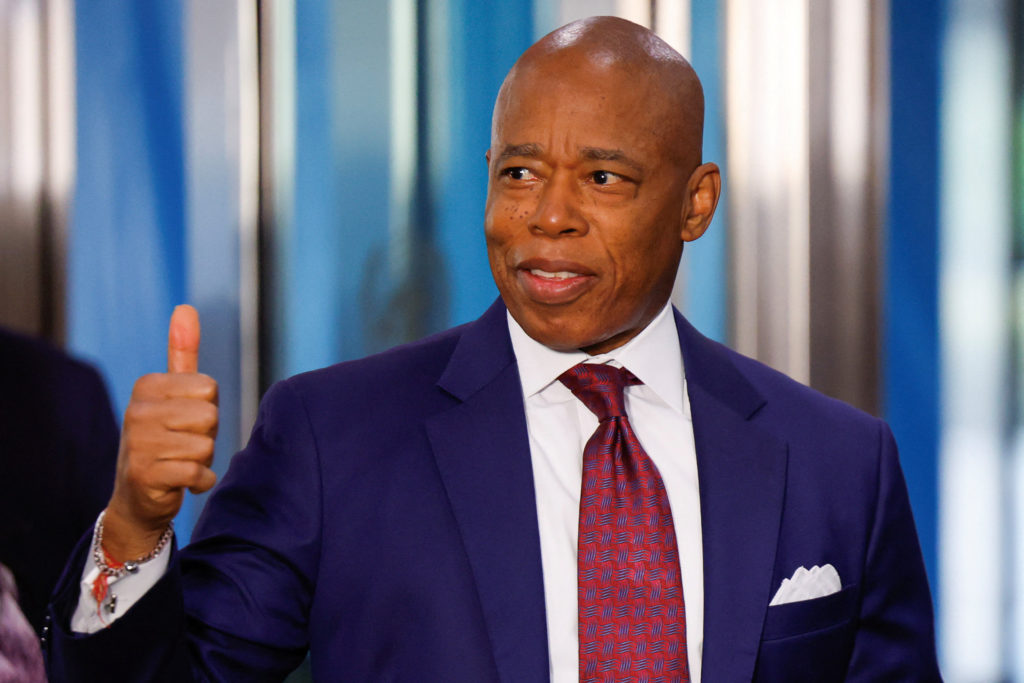
Currently, the distinguished office of New York City Mayor is held by Eric Adams. Sworn into office on January 1, 2022, Eric Adams brings a unique background to the role, having served previously as the Brooklyn Borough President and as a captain in the New York City Transit Police and subsequently the New York City Police Department. His tenure has been marked by a focus on public safety, economic recovery post-pandemic, and enhancing the city’s appeal for both residents and visitors. For anyone planning a trip to this vibrant destination, the mayor’s initiatives and the city’s governance directly influence the quality of their travel experience, from the cleanliness of public spaces to the vibrancy of its cultural institutions and the efficiency of its extensive transport networks.
The Mayor’s Role in Shaping a Global Metropolis
The mayor of New York City oversees an intricate municipal government that manages an extraordinary range of services and departments. This leadership is critical in maintaining the city’s status as a top global destination for travel, business, and cultural exchange. The daily decisions made in City Hall impact everything from zoning laws that dictate new hotel developments to budgeting for tourism marketing campaigns and ensuring the safety of millions.
Governance and Urban Development
Under mayoral leadership, the city engages in continuous urban development that directly affects its attractiveness to tourists. For instance, investments in public infrastructure, such as improvements to the subway system managed by the MTA or the expansion of green spaces like the High Line and maintenance of iconic parks like Central Park and Prospect Park in Brooklyn, enhance the visitor experience significantly. Mayoral policies on sustainability and environmental initiatives also contribute to making New York City a more appealing and comfortable place to explore. Public safety, a cornerstone of any successful urban environment, is a primary concern. The mayor’s strategies for policing and community engagement contribute to creating an environment where visitors feel secure navigating the city’s diverse neighborhoods at any time of day or night. Furthermore, urban planning decisions, such as the revitalization of neglected areas or the creation of new public squares, directly contribute to the city’s evolving landscape, offering new points of interest for repeat visitors and first-timers alike. Consider the transformation of areas like Hudson Yards, which emerged from an ambitious development plan, creating new attractions like The Vessel and a multitude of shopping and dining experiences.
Fostering Tourism and Economic Growth
A significant aspect of the mayor’s mandate is to support and grow the city’s tourism industry, which is a major economic driver. This involves working closely with NYC & Company, the city’s official destination marketing organization, to promote New York City internationally. Campaigns designed to attract visitors from around the globe directly benefit hotels, restaurants, cultural institutions, and local businesses. The administration also plays a role in facilitating major events and festivals, such as New York Fashion Week, the Macy’s Thanksgiving Day Parade (though not strictly a mayoral initiative, it relies heavily on city coordination), and various cultural celebrations across all five boroughs. These events not only draw immense crowds but also inject significant revenue into the local economy. Moreover, the mayor’s office can influence policies related to cultural funding, ensuring that world-class institutions like the Metropolitan Museum of Art, the Museum of Modern Art, and the American Museum of Natural History continue to thrive, offering unparalleled experiences to visitors. Economic development initiatives aimed at supporting small businesses and fostering a vibrant entrepreneurial spirit also indirectly enhance the tourist experience by diversifying dining, shopping, and entertainment options.
New York City: A Tourist’s Perspective Under Mayoral Leadership
New York City’s allure lies in its unparalleled array of attractions, cultural richness, and dynamic atmosphere. The mayor’s administration plays a crucial, though often unseen, role in preserving, promoting, and developing these aspects, ensuring that the city remains a dream destination for millions.
Iconic Landmarks and Attractions

The preservation and accessibility of New York City’s landmarks are paramount, and mayoral policies often underpin these efforts. Consider the maintenance of the Statue of Liberty and Ellis Island, the structural integrity of the Brooklyn Bridge, or the public safety measures in bustling areas like Times Square and Rockefeller Center. These are not merely static monuments but living parts of the city that require ongoing management and protection. The city government, through various departments, ensures that these sites are safe, clean, and accessible. From managing visitor flow to implementing security protocols, the administrative hand is ever-present. The lights of Broadway wouldn’t shine as brightly without the city’s support for the arts and entertainment sector, including crucial permitting processes and public safety oversight. Similarly, the historic appeal of the Empire State Building and Grand Central Terminal is safeguarded by landmark preservation commissions and city regulations. Even public art installations and outdoor exhibitions, which contribute significantly to the city’s cultural landscape, often require city permits and support.
Diverse Neighborhoods and Local Culture
New York City is a mosaic of distinct neighborhoods, each with its own character and cultural identity. From the sophisticated avenues of Manhattan to the artistic streets of Greenwich Village, the vibrant communities of Brooklyn, the sprawling diversity of Queens, the rich heritage of The Bronx, and the scenic vistas of Staten Island, each borough offers a unique glimpse into the city’s soul. Mayoral administrations play a vital role in preserving these local cultures through zoning laws that prevent over-development, funding for community programs, and supporting local businesses that form the backbone of these areas. This support extends to maintaining the unique culinary scenes found in districts like Chinatown, Little Italy, and Koreatown, ensuring a rich gastronomic experience for visitors. Cultural events, from street fairs in the Lower East Side to music festivals in Flushing Meadows Corona Park, are often organized with city permits and support, allowing tourists to immerse themselves in the authentic rhythms of New York City life. The mayor’s leadership can ensure that these diverse enclaves remain authentic and welcoming, preventing them from becoming homogenized or losing their charm. Institutions like the Brooklyn Botanic Garden, Bronx Zoo, and the Snug Harbor Cultural Center & Botanical Garden on Staten Island also benefit from city planning and support, offering unique attractions beyond the typical Manhattan highlights.
Accommodation and Lifestyle: The NYC Experience
The quality of accommodation and the overall lifestyle experience in New York City are directly influenced by municipal governance. From the proliferation of luxury hotels to the efficiency of public transit, mayoral decisions lay the groundwork for a visitor’s stay.
The Hotel Landscape and Hospitality Sector
New York City boasts one of the most dynamic and competitive hotel markets in the world, offering an extraordinary range of accommodation options. From ultra-luxury properties like The Plaza Hotel, the Waldorf Astoria, Four Seasons Hotel New York, The Peninsula New York, St. Regis New York and the Ritz-Carlton New York to trendy boutique hotels in areas like Soho and the West Village, and more budget-friendly options, there’s something for every traveler. The mayor’s administration impacts this sector through various regulations, including zoning laws for new constructions, licensing for short-term rentals, and policies affecting hotel taxes. These decisions can influence the availability, cost, and type of accommodation accessible to tourists. Furthermore, labor laws and economic development initiatives supported by the city government can shape the quality of service and the overall guest experience. A supportive and predictable regulatory environment encourages investment in new properties and the renovation of existing ones, ensuring that New York City continues to offer world-class hospitality.
Navigating the City: Travel and Transportation
One of the most defining aspects of visiting New York City is its unparalleled public transportation system. The MTA, which operates the subway and bus lines, is heavily influenced by city and state government funding and policy. Mayoral initiatives often target improvements in efficiency, safety, and accessibility of public transit, which are crucial for tourists navigating the vast city. Investments in new train cars, station upgrades, and enhanced security measures all contribute to a smoother and more pleasant travel experience. Access to the city’s major airports – JFK Airport, LaGuardia Airport, and Newark Liberty International Airport (though the latter is technically in New Jersey, its operations are deeply tied to NYC travel) – is also a critical area. The city government often collaborates on infrastructure projects and transit links to make arrival and departure seamless. Beyond public transit, mayoral policies impact other travel options, including taxi regulations, bike-sharing programs, and pedestrian-friendly initiatives, ensuring that visitors can explore the city safely and conveniently, whether on foot, by bike, or via traditional transportation methods. The famous Staten Island Ferry, which offers free rides past the Statue of Liberty, is another city-run service invaluable to tourists.
Lifestyle and Experiences
The lifestyle offered by New York City is its ultimate draw. From its unparalleled dining scene, offering everything from Michelin-starred restaurants to diverse street food at Chelsea Market, to its vibrant nightlife, world-class shopping on Fifth Avenue and in Soho, and an arts and entertainment calendar that never sleeps, the city provides an endless array of experiences. Mayoral policies directly or indirectly facilitate this dynamic environment. For example, health and safety regulations for restaurants, liquor licensing for bars and clubs, and permits for street performers or outdoor markets all contribute to the fabric of New York City’s lifestyle. Cultural funding supports renowned institutions like Carnegie Hall, Radio City Music Hall, and Lincoln Center, as well as smaller galleries and independent theaters. The city’s support for public spaces, events at Governors Island, and attractions like Coney Island ensures that there are always new and exciting things for visitors to discover. Even the historic significance of Wall Street and the solemn beauty of the September 11 Memorial & Museum at One World Trade Center within the Financial District are managed with significant city coordination, ensuring their continued presence and accessibility. The city also hosts a variety of museums, from the avant-garde exhibits at The Whitney Museum of American Art and the Guggenheim Museum to the historical insights of the Tenement Museum and Brooklyn Museum, or contemporary art at MoMA PS1. Entertainment options even extend to gaming, with places like Resorts World Casino New York City catering to a different kind of leisure activity. Even the presence of the United Nations Headquarters in New York City underscores the city’s global importance and adds another layer to its multifaceted lifestyle.
In conclusion, knowing “who is New York City mayor” is more than just a piece of civic trivia; it’s an insight into the leadership guiding one of the world’s most dynamic and sought-after travel destinations. Eric Adams’s administration, like those before it, plays an indispensable role in shaping the urban landscape, fostering a thriving tourism sector, ensuring public safety, and maintaining the cultural vibrancy that defines New York City. Every smooth subway ride, every clean park, every world-class museum, and every iconic landmark visited by millions has been, in some way, touched by the city’s governance. For travelers worldwide, the mayor’s leadership ensures that New York City remains an accessible, exciting, and unforgettable place to explore, offering a blend of history, innovation, and boundless energy that continues to captivate the imagination. A trip to the Big Apple is an immersion into a city constantly evolving, yet steadfast in its iconic appeal, largely due to the continuous efforts of its dedicated leadership.
LifeOutOfTheBox is a participant in the Amazon Services LLC Associates Program, an affiliate advertising program designed to provide a means for sites to earn advertising fees by advertising and linking to Amazon.com. Amazon, the Amazon logo, AmazonSupply, and the AmazonSupply logo are trademarks of Amazon.com, Inc. or its affiliates. As an Amazon Associate we earn affiliate commissions from qualifying purchases.