
The majestic Statue of Liberty, a colossal neoclassical sculpture standing proudly in New York Harbor, is more than just an awe-inspiring landmark; it’s a profound symbol of freedom, democracy, and an enduring friendship between two nations. Millions of travelers annually flock to New York City to witness this iconic monument, climb to its crown, or simply gaze upon its grandeur from a ferry. But beyond its undeniable visual impact and its status as a premier tourist attraction, there lies a rich history answering the question: why did France bestow such an extraordinary gift upon the United States?
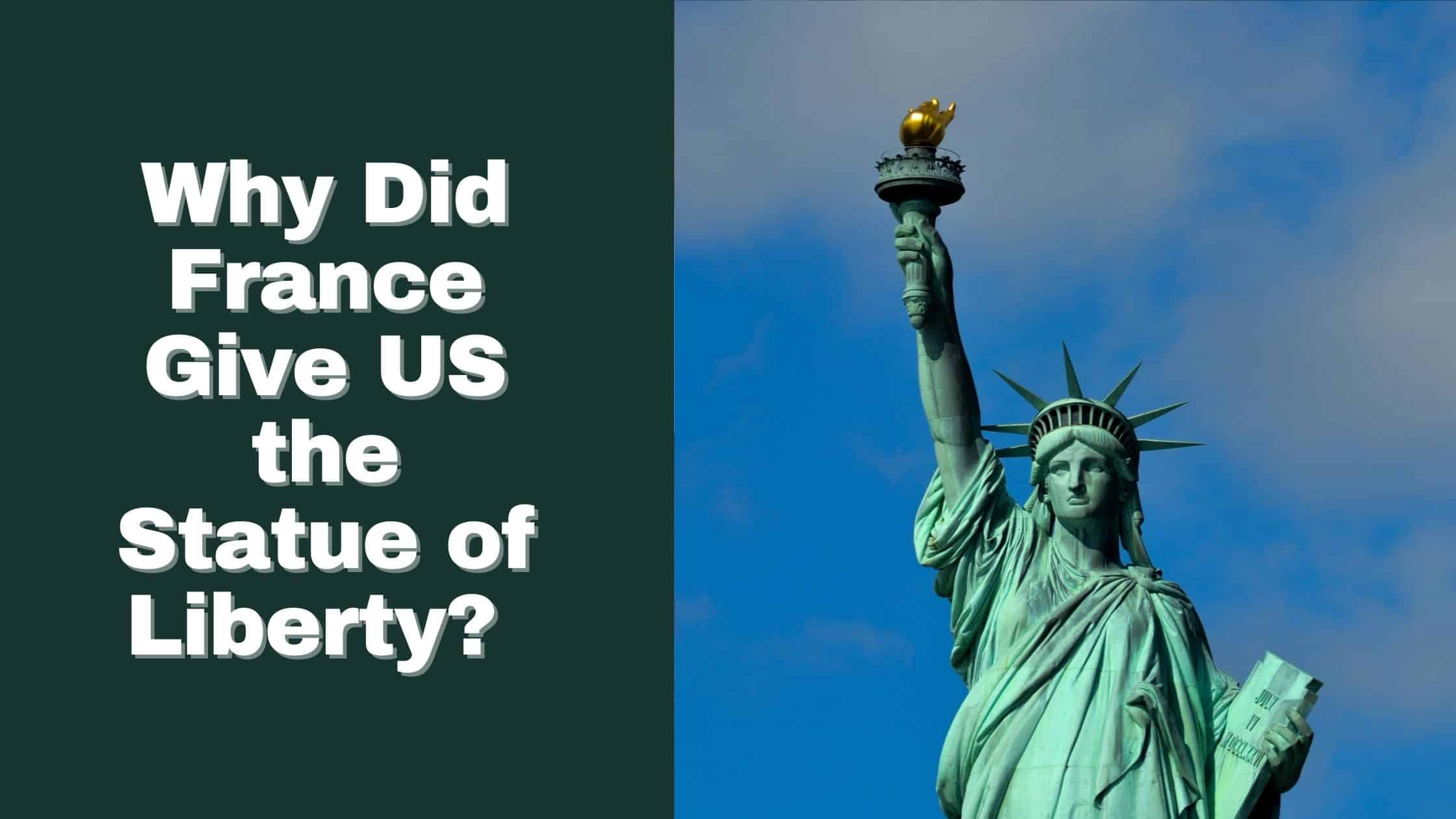
The story of the Statue of Liberty is one interwoven with shared ideals, political aspirations, artistic genius, and a monumental collaborative effort. It speaks to a moment in history when the bonds forged during the American Revolution were rekindled by a common belief in republican principles and the universal pursuit of liberty. For any traveler exploring historical landmarks, understanding the context behind this gift enriches the experience exponentially, transforming a sightseeing trip into a journey through international diplomacy and cultural exchange.
A Beacon of Franco-American Friendship: The Genesis of an Idea
The seeds of the Statue of Liberty were sown in the tumultuous political landscape of 19th-century France and the freshly reunified United States following the American Civil War. It wasn’t merely a spontaneous gesture but a carefully conceived project born from the vision of influential thinkers who saw in America a powerful example for their own nation’s future.
A Shared Vision for Liberty and Republicanism
The idea for a monument commemorating the alliance between France and the United States during the American Revolution was first proposed by Édouard René de Laboulaye, a prominent French jurist, abolitionist, and political thinker. In 1865, shortly after the end of the American Civil War and the abolition of slavery, Laboulaye hosted a dinner party near Versailles. It was here, amidst discussions of the stability and triumph of the American Union, that he voiced his belief that any monument raised to American independence should be a joint project of both nations.
Laboulaye was a fervent admirer of the United States’ republican institutions and deeply concerned about the political climate in France under the autocratic rule of Emperor Napoleon III. He saw the American experiment in self-governance as a beacon of hope and a model for democratic aspirations back home. A gift celebrating American liberty would subtly, yet powerfully, advocate for similar ideals in France, particularly as the country was on the cusp of transitioning from the Second Empire to the Third Republic. The statue was, therefore, not just a symbol of past friendship but a statement for the future of democratic governance on both sides of the Atlantic. This dual meaning makes the Statue of Liberty a fascinating landmark to explore for those interested in the intricate history of international relations and political philosophy.
The Artistic Genius: Crafting Lady Liberty
Among the guests at Laboulaye’s dinner was a young sculptor named Frédéric Auguste Bartholdi. Inspired by Laboulaye’s idea, Bartholdi dedicated himself to transforming this abstract concept into a tangible masterpiece. His vision for “Liberty Enlightening the World” began to take shape, combining classical elements with a powerful symbolic message.
Bartholdi traveled to the United States in 1871, where he immediately recognized the strategic importance of Bedloe’s Island (now known as Liberty Island) in New York Harbor as the ideal location for his monument. It was the gateway to America, the first sight for millions of immigrants arriving by sea. He envisioned a colossal female figure, her arm raised high, holding a torch of enlightenment, symbolizing progress and guiding light. In her left hand, she holds a tablet inscribed with the date July 4, 1776, marking American Independence. Crucially, at her feet lie broken shackles, representing freedom from oppression and tyranny – a poignant message for both nations.
To support the massive copper skin of the statue, an innovative internal structure was required. The renowned French engineer Gustave Eiffel, famous for his eponymous tower, was tasked with designing this intricate iron framework. Eiffel’s design allowed the copper skin to move independently, accommodating the stresses of wind and temperature changes, a testament to late 19th-century architectural ingenuity. This collaborative effort between an artist and an engineer truly brought the vision to life, creating one of the most recognized landmarks globally. For those who appreciate grand architecture and engineering marvels, a visit offers a chance to reflect on the audacity and skill involved in its creation.
From Dream to Reality: The Grand Undertaking
The journey from a dinner table conversation to the dedication of the Statue of Liberty was fraught with challenges, primarily logistical and financial. It required immense dedication, transcontinental cooperation, and the rallying of public support on an unprecedented scale.
The Transatlantic Fundraising Challenge
The original agreement between France and the United States was simple: France would fund and construct the statue itself, and the United States would be responsible for building its pedestal and assembling the monument upon arrival. While Laboulaye’s French-American Union raised considerable funds in France through public lottery, entertainment events, and private donations, the American side struggled.
Initial fundraising efforts in the United States for the pedestal lagged significantly. Despite the statue sections slowly arriving from France and sitting in crates on Bedloe’s Island, enthusiasm was not translating into sufficient donations. It was only through the intervention of Hungarian-American publisher Joseph Pulitzer that the tide turned. In 1885, Pulitzer, owner of the newspaper “The World,” launched a passionate fundraising campaign, appealing directly to the American public. He published daily updates of donations, no matter how small, shaming the wealthy for their lack of contribution and celebrating the generosity of ordinary citizens.
Pulitzer’s campaign was a masterclass in public engagement. Schoolchildren sent in pennies, working-class families contributed nickels and dimes, and communities across America rallied behind the cause. In just five months, Pulitzer’s efforts raised over $100,000 (equivalent to several million dollars today), primarily from donations of less than a dollar. This grassroots movement underscored the popular support for the monument, making it truly “of the people, by the people.” This story is a testament to how collective effort can bring even the most ambitious projects to fruition, a valuable lesson for any community development or tourism initiative.
Construction, Disassembly, and Journey Across the Atlantic
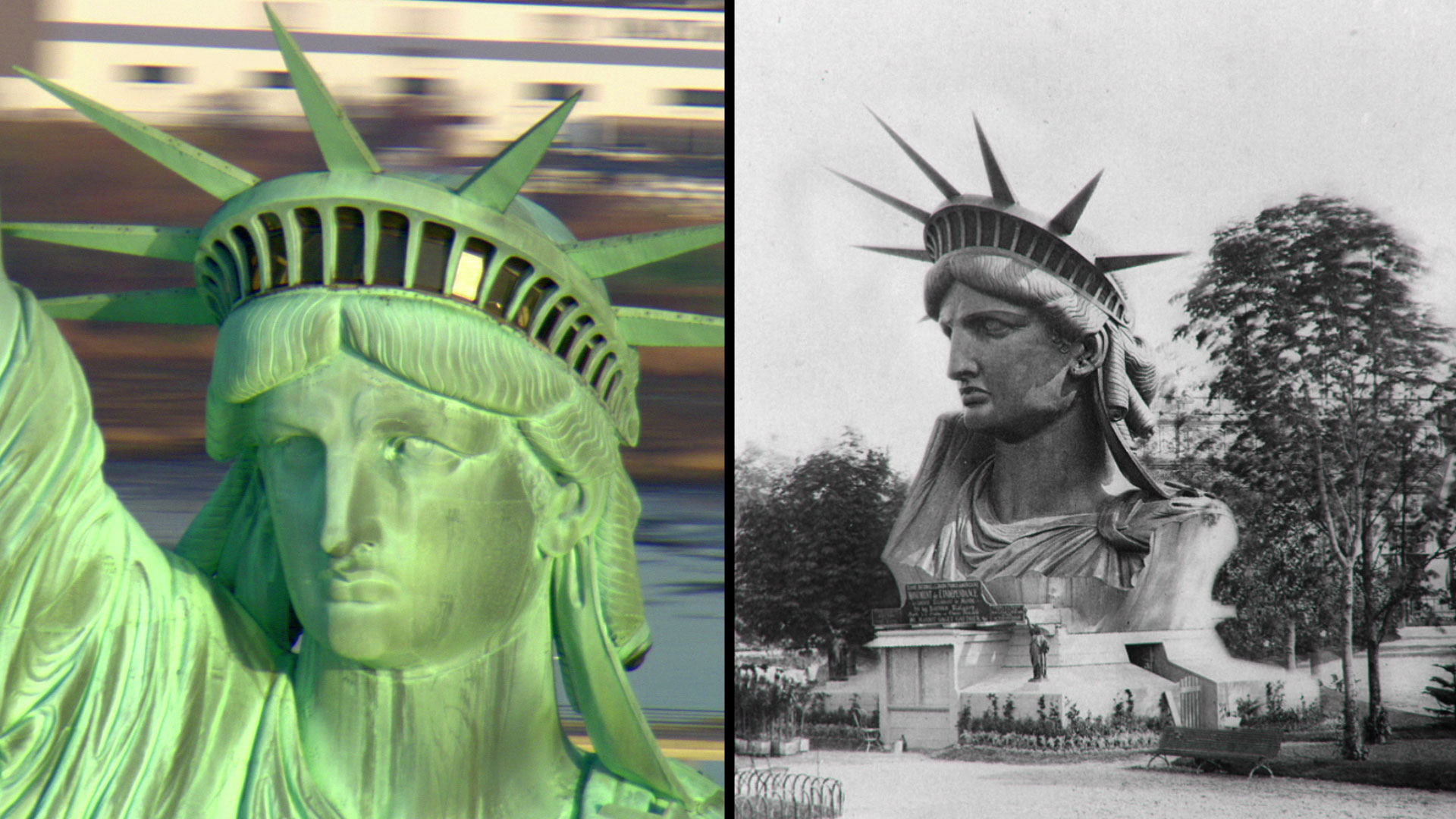
The construction of the Statue of Liberty was a monumental feat of engineering and craftsmanship, primarily carried out in Paris by skilled artisans. Bartholdi’s workshops became a hive of activity, with workers meticulously hammering sheets of copper over large wooden molds to create the statue’s skin. The internal iron framework, designed by Gustave Eiffel, was assembled and tested with the copper panels in Paris, allowing the public to witness portions of the grand statue taking shape, including the famous torch arm.
Once completed in France in 1884, the statue stood towering over the rooftops of Paris for several months. Then came the painstaking process of disassembling the colossal figure into 350 individual pieces, which were packed into 214 crates for their transatlantic journey. In May 1885, the French frigate Isère departed Rouen, France, carrying its precious cargo. Its arrival in New York Harbor on June 17, 1885, was met with immense fanfare, as crowds gathered to welcome the fragments of their future icon.
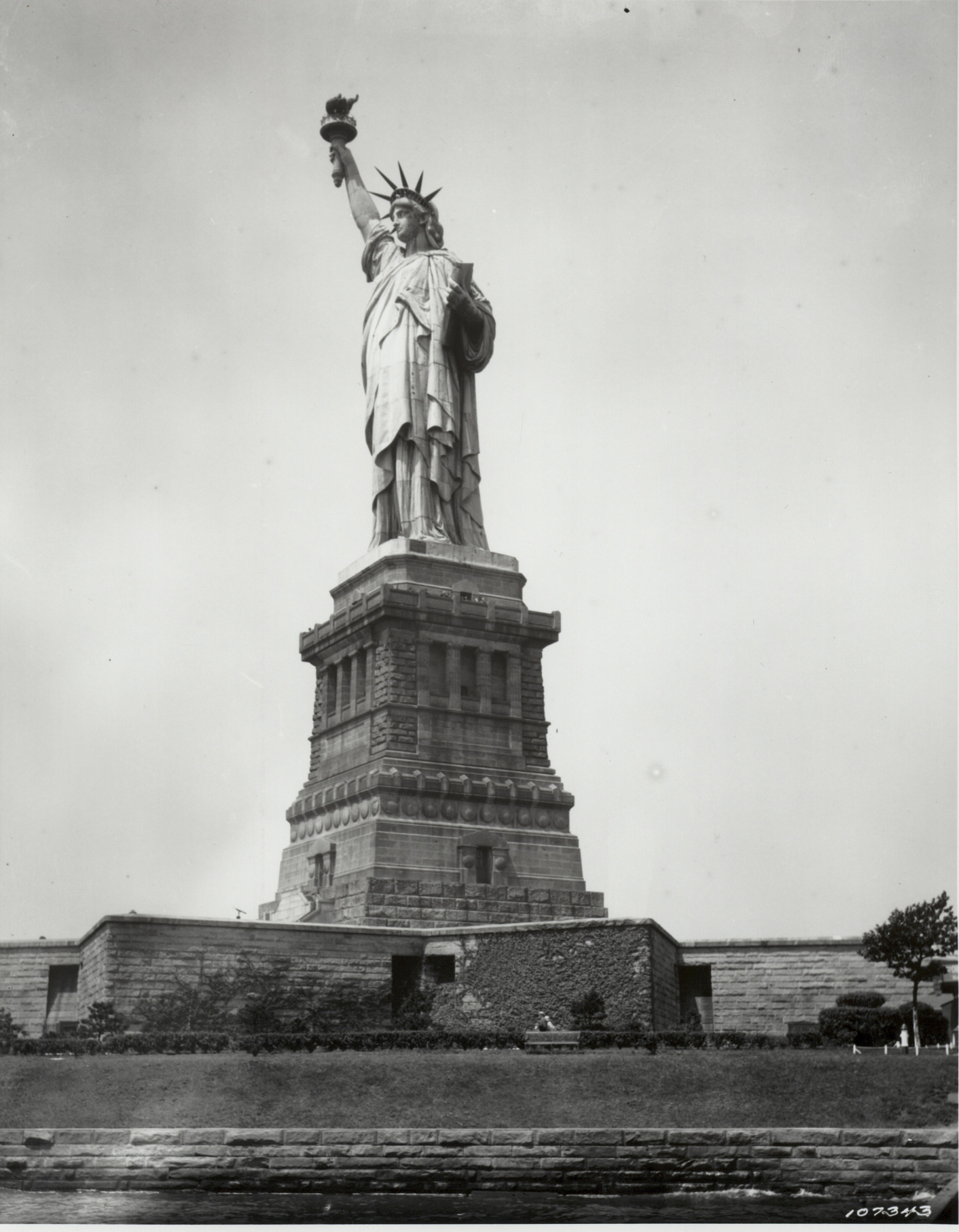
Over the next year, the pieces were painstakingly reassembled on top of the newly completed pedestal on Liberty Island. The statue was officially dedicated on October 28, 1886, in a grand ceremony presided over by President Grover Cleveland and witnessed by thousands of onlookers. This remarkable journey from concept to construction, shipment, and reassembly stands as a testament to human determination, international collaboration, and engineering prowess, offering a compelling narrative for history buffs and casual tourists alike.
Lady Liberty’s Enduring Legacy: A Global Icon and Must-Visit Landmark
Since its dedication, the Statue of Liberty has evolved beyond its original intent as a symbol of Franco-American friendship to become a universal beacon of hope and a cornerstone of the American identity. Its appeal as a landmark is undeniable, drawing visitors from every corner of the globe.
A Welcome to Millions: Symbol of Hope and Immigration
For millions, the Statue of Liberty became the first glimpse of America, a shimmering promise of freedom and opportunity after arduous journeys across the ocean. Its location, directly adjacent to Ellis Island, the primary immigration inspection station for over 60 years, solidified its role as a welcoming mother figure. The statue’s powerful association with immigration was further immortalized by Emma Lazarus’ famous sonnet, “The New Colossus,” engraved on a bronze plaque inside the pedestal: “Give me your tired, your poor, / Your huddled masses yearning to breathe free…”
This transformation from a gift of political solidarity to a universal emblem of refuge and new beginnings has cemented the Statue of Liberty’s place in the global consciousness. It represents the best ideals of the United States – a land of liberty and opportunity for all. For travelers interested in local culture and the diverse fabric of America, exploring the historical narrative of the statue and Ellis Island provides profound insights into the nation’s foundational values and the human stories behind its development.
Experiencing the Icon: Travel Tips for Your Visit
Visiting the Statue of Liberty National Monument and Ellis Island is an essential experience for anyone traveling to New York City. This iconic destination caters to a wide range of lifestyles, from budget-conscious travelers to those seeking luxury experiences.
Getting There: The only way to access Liberty Island and Ellis Island is via the official ferry service, Statue City Cruises. Ferries depart from two main locations: Battery Park in Lower Manhattan, New York City, and Liberty State Park in Jersey City, New Jersey. Purchasing tickets in advance online is highly recommended, especially during peak travel seasons, to secure your preferred time slot and avoid long queues.
Ticket Options & Access: Standard tickets include round-trip ferry service and access to the grounds of both Liberty Island and Ellis Island. For those desiring a more immersive experience, reserve tickets that include access to the pedestal or the crown of the Statue of Liberty. Crown access is highly sought after and often sells out months in advance, requiring early booking. The climb to the crown is strenuous, involving 354 steps, but offers unparalleled views and a unique perspective on Bartholdi’s masterpiece.
Maximizing Your Visit:
- Time: Allocate at least 4-5 hours for a comprehensive visit to both islands, including ferry travel.
- Best Times to Visit: Early mornings on weekdays are ideal to avoid the largest crowds. Off-peak seasons (fall and winter, excluding holidays) also offer a more relaxed experience.
- Audio Tours: Free audio tours are available on both islands, providing fascinating historical context and stories.
- Photography: Don’t forget your camera! The views of the New York City skyline, New York Harbor, and the statue itself are truly breathtaking.
Accommodation and Lifestyle: When planning your trip to New York City to see Lady Liberty, consider your accommodation options carefully. Lower Manhattan offers a plethora of hotels, from luxury suites at establishments like The Ritz-Carlton or Conrad New York Downtown with stunning water views, to boutique hotels and budget-friendly options that provide easy access to Battery Park. For a unique experience, some hotels even offer rooms with direct views of the Statue of Liberty, allowing you to wake up to this iconic sight. Booking in advance is crucial, especially for popular times. Whether you’re planning a romantic getaway, a family trip, or a solo adventure, NYC offers accommodation tailored to every lifestyle and budget, ensuring your stay complements your exploration of this world-famous landmark. Consider a private boat tour for a luxurious and intimate view of the statue, or opt for the free Staten Island Ferry for a more budget-friendly, yet equally spectacular, glimpse of the monument from the water.
In conclusion, the Statue of Liberty stands as a towering testament to a unique friendship, a shared belief in freedom, and the power of human collaboration. It is a gift from France to New York City that transcends simple diplomacy, offering a universal message of enlightenment and hope that continues to resonate with visitors and citizens alike. Its profound history and iconic status make it not just a visual spectacle but a truly meaningful travel experience, solidifying its place as one of the world’s most cherished and historically significant landmarks.
LifeOutOfTheBox is a participant in the Amazon Services LLC Associates Program, an affiliate advertising program designed to provide a means for sites to earn advertising fees by advertising and linking to Amazon.com. Amazon, the Amazon logo, AmazonSupply, and the AmazonSupply logo are trademarks of Amazon.com, Inc. or its affiliates. As an Amazon Associate we earn affiliate commissions from qualifying purchases.