
New York City, often heralded as the concrete jungle where dreams are made, is undeniably one of the most exhilarating and iconic destinations on the planet. From the dazzling lights of Times Square to the serene pathways of Central Park, its magnetic appeal draws millions of visitors and aspirational residents each year. However, this global allure comes with a formidable price tag. For anyone planning a trip, considering a move, or simply curious, the question “Why is New York City so expensive?” is an unavoidable one. The answer lies in a complex interplay of geography, economics, demand, and an unparalleled lifestyle that few other places can rival. Understanding these underlying factors is key to appreciating the value, even amidst the high costs, of an experience in the Big Apple.

The Unrivaled Demand and Real Estate Market
At the heart of New York City’s high cost is a fundamental economic principle: supply and demand. Specifically, the insatiable demand for space and resources in one of the world’s most densely populated and economically vibrant cities drives prices sky-high.
High Cost of Living and Operating
The sheer volume of people who want to live, work, and visit New York City creates an environment where every resource, from a cup of coffee to an apartment lease, commands a premium. Businesses operating within the five boroughs face astronomical overheads. Commercial rents, labor costs, taxes, and the logistics of transporting goods into such a congested area all contribute to higher operating expenses. These costs are inevitably passed on to consumers in the form of higher prices for everything from groceries and retail goods to services and entertainment.
Consider the average worker in New York City. While salaries tend to be higher than the national average in the United States, the purchasing power is significantly eroded by the cost of living. This impacts everyone, from the local deli owner to the concierge at a luxury hotel, and in turn, influences the prices they charge or the wages they demand. For travelers, this translates into higher prices for souvenirs, dining out, and even basic necessities that might be cheaper elsewhere. The cost of living in Manhattan, for instance, can be more than double the national average, making it one of the most expensive places on Earth to call home.
The Scarcity of Space
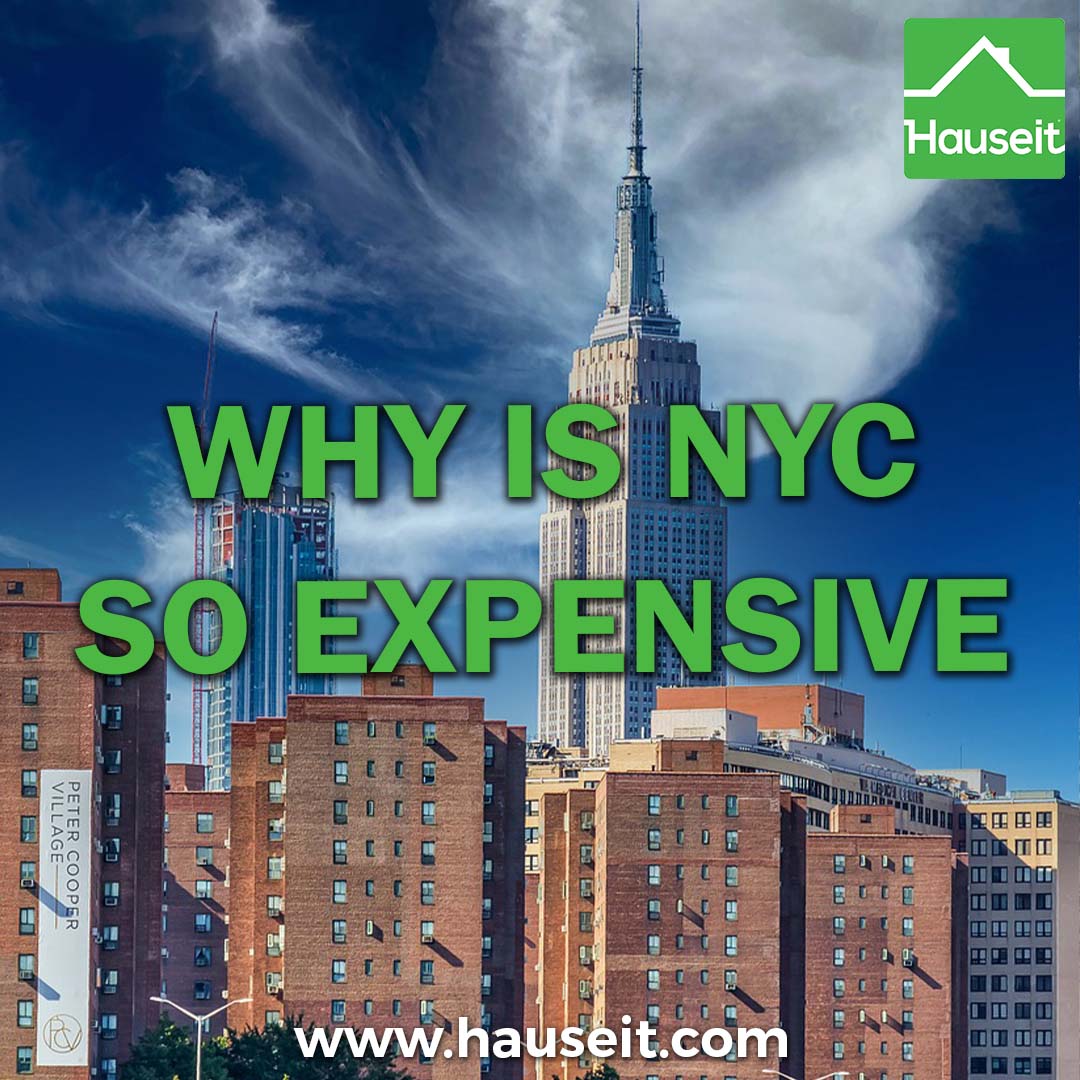
New York City’s unique geography plays a crucial role in its expense. Much of the city, particularly the economic powerhouse of Manhattan, is an island, limiting outward expansion. This geographical constraint means that space is an extremely finite and precious commodity. Every square foot of land, whether for residential, commercial, or hospitality use, is fiercely contested.
This scarcity directly impacts the real estate market, which is arguably the biggest driver of the city’s overall cost. Residential rents are notoriously high, with even small apartments commanding prices that would secure a sprawling home in many other parts of the country. This upward pressure on residential costs extends to commercial properties, affecting everything from small businesses to large corporations. For the hospitality sector, this means that acquiring prime locations for hotels, resorts, or even boutique apartments comes at an extraordinary premium. A property in the heart of Midtown Manhattan or overlooking Central Park carries an astronomical land value, which is then reflected in the nightly rates for guests.
The vertical nature of New York City architecture, with its iconic skyscrapers, is a direct response to this space constraint. Building upwards maximizes the use of valuable land, but construction in such a dense environment is complex, lengthy, and expensive, adding another layer to the cost structure. The result is a cityscape where every inch is optimized for value, contributing to the feeling that every experience, every stay, every meal, carries a significant price.
Premium Pricing for World-Class Experiences
Beyond the fundamental costs of real estate and living, New York City offers a level of quality, diversity, and prestige in its experiences that often comes with a premium price tag. This applies across accommodation, dining, and its unparalleled array of attractions and entertainment.
Accommodation: From Luxury Suites to Boutique Stays
The hotel landscape in New York City is a microcosm of its broader expense. With millions of tourists flocking to the city annually, demand for accommodation is consistently high. This demand, coupled with the high cost of property acquisition and maintenance, pushes hotel rates significantly above national averages.
Luxury properties like The Plaza Hotel, The St. Regis New York, or the Ritz-Carlton Central Park offer unparalleled service, amenities, and prime locations, justifying their exorbitant nightly rates. These establishments cater to a clientele seeking exclusive experiences, from opulent suites overlooking Central Park to personalized concierge services. However, even mid-range hotels and more budget-friendly options like the Moxy Times Square or properties in Brooklyn or Queens can seem expensive compared to similar offerings in other major cities.
The cost isn’t just about the physical space; it’s also about the experience. Many hotels in New York City are historic landmarks themselves, requiring meticulous upkeep. They offer world-class amenities such as rooftop bars, fine dining restaurants, and state-of-the-art fitness centers, all of which contribute to the operational costs. Furthermore, many travelers seek specific locations – a room near Broadway for theatre enthusiasts, a suite on Fifth Avenue for shoppers, or a trendy hotel in SoHo for nightlife. These prime locations command premium prices. Even alternative accommodations like serviced apartments or boutique hotels found through comparison sites face the same underlying cost pressures, making long-term stays particularly challenging for the budget-conscious.
Dining: A Culinary Capital at a Cost
New York City is a global culinary capital, boasting an incredible array of restaurants, from Michelin-starred establishments to beloved neighborhood eateries and vibrant street food vendors. This gastronomic diversity is a huge draw for tourists and a cornerstone of local culture. However, dining out here is consistently more expensive than almost anywhere else.
The reasons are manifold. High commercial rents mean restaurants pay significantly more for their space. Labor costs are also higher, reflecting the city’s elevated cost of living. Ingredients, especially fresh produce and specialty items, often have to be sourced from further afield or are subject to the city’s general high prices. Many restaurants focus on unique, high-quality, or ethically sourced ingredients, further driving up costs.
A casual meal can easily cost $20-$30 per person, while a fine dining experience can quickly run into hundreds of dollars. Even local food trucks or delis, while offering more affordable options, are typically pricier than their counterparts in smaller cities. The tip culture in the United States, particularly in New York City, also adds an additional 15-20% to the bill, which often catches international visitors by surprise. Despite the cost, the sheer quality and variety of the dining scene remain a powerful draw, a testament to the city’s vibrant culinary identity.
Attractions and Entertainment: Broadway, Museums, and More
New York City’s roster of world-famous attractions and entertainment options is another significant contributor to its expense. Iconic landmarks, Broadway shows, and world-class museums offer unparalleled cultural and recreational experiences, but they come at a premium.
A single ticket to a popular Broadway show can cost upwards of $150-$200, with prime seats for hit musicals often reaching much higher. While discount tickets are available, they require planning and flexibility. Similarly, admission to renowned institutions like the Metropolitan Museum of Art or the Museum of Modern Art (MoMA) can be $25-$30 per person. While some offer “pay-what-you-wish” options or free days, these are often crowded and require advance knowledge.
Sightseeing attractions like the Empire State Building, One World Trade Center observatory, or a ferry ride to the Statue of Liberty also have significant entrance fees. These costs quickly accumulate, especially for families or longer trips. Even seemingly simple activities, like a ride on the New York City subway, are priced to reflect the extensive infrastructure and 24/7 service provided by the Metropolitan Transportation Authority. The demand for these premier experiences, driven by both local residents and global tourists, allows these venues to maintain their high pricing. The quality of the performances, the upkeep of historic buildings like Grand Central Terminal, and the curation of extensive collections all contribute to the operational costs, which are naturally passed on to the visitor.
The Influence of Tourism and Lifestyle
New York City’s status as a global hub for tourism, business, and fashion has a profound impact on its pricing structure, fostering both luxury and, paradoxically, innovative ways to experience the city on a budget.
The Global Appeal and Visitor Influx
The city’s reputation as a world-class destination means it constantly attracts a massive influx of tourists from every corner of the globe. This sustained high demand for everything from hotel rooms to restaurant reservations ensures that prices remain buoyant. Tour operators, accommodation providers, and attraction managers know that people are willing to pay a premium for the unique New York City experience. Events like New York Fashion Week, major conventions, or holiday seasons see prices surge even higher due to peak demand.
Furthermore, New York City is not just a tourist destination; it’s a global center for finance (Wall Street), media, fashion, and international diplomacy (United Nations). Business travelers often have corporate budgets, which can sustain higher-priced accommodations and services, indirectly pushing up the baseline for everyone else. The constant flow of international visitors, many accustomed to high prices in their own global cities, contributes to the perception and acceptance of New York City’s premium rates.
Luxury and High-End Living
New York City has cultivated a powerful image of luxury and high-end living. Areas like Upper East Side, Greenwich Village, and SoHo are synonymous with exclusive boutiques, designer brands, and sophisticated dining. This aspirational lifestyle drives significant spending, particularly among the wealthy residents and visitors who frequent these areas. High-end retail on Fifth Avenue, bespoke services, and luxury travel experiences are not just available; they are expected and sought after.
This luxury segment influences pricing across the board. When a city can command such high prices for its most exclusive offerings, it creates a general upward pressure on all goods and services. The presence of world-renowned luxury hotels like The Peninsula New York or the Mandarin Oriental, New York sets a benchmark for quality and price that filters down to other tiers of the market. This aspirational quality is a part of the city’s brand, and it inherently contributes to the overall cost, shaping expectations of quality and experience that come with a matching price tag.
Navigating New York on a Budget
Despite its reputation for expense, New York City also offers myriad ways to experience its wonders without completely breaking the bank. Budget travel strategies are essential for many who wish to explore this incredible destination. This involves careful planning around accommodation, food, and activities.
For accommodation, looking beyond Manhattan to vibrant boroughs like Brooklyn, Queens, or even parts of The Bronx can yield significant savings, especially if located near convenient subway lines. Hostel stays, guesthouses, or booking apartments well in advance can also reduce costs. When it comes to dining, leveraging happy hour deals, exploring the city’s incredible street food scene, grabbing a slice of pizza, or utilizing grocery stores for some meals can drastically cut food expenses.
Many of New York City’s best attractions are free or low-cost. Walking across the Brooklyn Bridge, strolling through Central Park, exploring the High Line, or simply wandering through diverse neighborhoods like Chinatown or Little Italy offers rich cultural experiences without an entry fee. Many museums offer free admission on certain days or evenings, or “pay-what-you-wish” policies, allowing visitors to engage with world-class art and history economically. The ferry to Staten Island provides iconic views of the Statue of Liberty and the Manhattan skyline for free. Public transportation, while not free, is an efficient and relatively inexpensive way to navigate the entire city, making a car largely unnecessary and saving on parking fees. The key to budget travel in New York City lies in research, flexibility, and a willingness to embrace local tips and experiences beyond the most obvious tourist traps.
Beyond the Price Tag: The Value Proposition
Ultimately, while New York City is undeniably expensive, its enduring appeal lies in the immense value it offers. It is a city of unparalleled opportunities, cultural richness, and vibrant energy that many find worth every penny. For travelers, the experiences are often once-in-a-lifetime: seeing a Broadway show, standing atop the Empire State Building, or simply soaking in the atmosphere of Times Square. For residents, it’s the access to world-class jobs, education, healthcare, and an inexhaustible array of entertainment and cultural events.
The high prices are a reflection of New York City’s status as a global leader in virtually every sector. It is a hub of innovation, creativity, and diversity, constantly evolving and offering something new to discover. The investment, whether for a short trip or a long-term stay, grants access to an experience unlike any other. While the question of its expense is valid and ever-present, the reasons behind it are deeply intertwined with what makes New York City so captivating and, for many, utterly irresistible.
LifeOutOfTheBox is a participant in the Amazon Services LLC Associates Program, an affiliate advertising program designed to provide a means for sites to earn advertising fees by advertising and linking to Amazon.com. Amazon, the Amazon logo, AmazonSupply, and the AmazonSupply logo are trademarks of Amazon.com, Inc. or its affiliates. As an Amazon Associate we earn affiliate commissions from qualifying purchases.