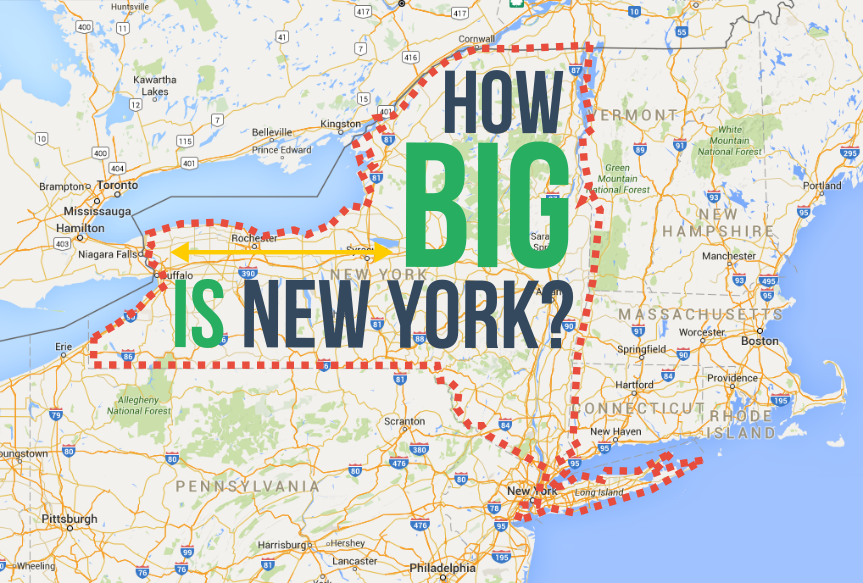
To ask “How big is New York?” is to pose a question far grander than a simple measurement of square miles or population density. It’s to inquire about the scope of human ambition, cultural diversity, and an unparalleled array of experiences compressed into one vibrant metropolis. New York, often called the “Big Apple,” is not just a city; it’s a universe, a global crossroads, and a dreamscape that has captivated visitors and residents for centuries. Its “bigness” manifests in its vast physical dimensions, the sheer volume of its population, the endless list of iconic landmarks, and the boundless opportunities for exploration, discovery, and self-reinvention.
This article delves into the multifaceted enormity of New York City, examining its geographical footprint, the distinct character of its boroughs, the richness of its cultural tapestry, and practical advice for navigating its overwhelming splendor. Whether you’re a first-time visitor planning your trip or a seasoned traveler seeking to deepen your understanding of this magnificent urban landscape, understanding the true scale of New York is the first step toward unlocking its magic.
The Geographical Giant: Unpacking New York’s Physical Dimensions
At its core, New York City is a city of islands and waterways, sprawling across a significant portion of southeastern New York State where the Hudson River meets the Atlantic Ocean. But numbers alone don’t paint the full picture of its imposing physical presence.
By the Numbers: Area and Population Density
Geographically, New York City encompasses approximately 302.6 square miles (783.8 square kilometers) of land area, with a total area of about 468.48 square miles (1,213.37 square kilometers) when including its extensive waterways. To put this in perspective, this makes it larger than many small countries and significantly bigger than other major global cities. For instance, London covers roughly 607 square miles (1,572 square kilometers) of land, and Paris is a compact 40.7 square miles (105.4 square kilometers) within its Périphérique ring. New York’s landmass is substantial, but it’s the way this space is utilized and populated that truly defines its scale.
With a population exceeding 8.8 million people, New York City is the most populous city in the United States and one of the most densely populated major cities in the world. Manhattan, in particular, holds the record for being one of the most densely populated islands globally, with over 72,000 residents per square mile. This incredible concentration of people contributes to the city’s ceaseless energy, its towering vertical architecture, and the palpable sense that something is always happening, everywhere, all at once. The sheer volume of people packed into its urban fabric creates a unique atmosphere of bustling activity, constant motion, and an astonishing mix of cultures.
The Five Boroughs: Each a World Apart
The true “bigness” of New York is best understood through its five distinct boroughs: Manhattan, Brooklyn, Queens, The Bronx, and Staten Island. Each borough is a microcosm of its own, boasting unique identities, histories, and attractions that contribute to the city’s overall immense scale. Exploring them is like visiting several different cities within one.
- Manhattan: The Iconic Core
Often what people picture when they think of New York, Manhattan is the smallest borough by land area but arguably the most impactful globally. It’s home to some of the world’s most recognizable landmarks: the Empire State Building, Times Square, Central Park, and Wall Street. Its skyline is a testament to vertical ambition, with skyscrapers piercing the clouds. From the vibrant theater district of Broadway to the upscale boutiques of Fifth Avenue, and the cultural institutions of Museum Mile to the historic charm of Greenwich Village, Manhattan is a whirlwind of activity, finance, fashion, and culture. - Brooklyn: Culture and Community
Across the iconic Brooklyn Bridge from Manhattan lies Brooklyn, the most populous borough and a hub of creativity and community. Once considered Manhattan’s quieter sibling, Brooklyn has blossomed into a global trendsetter with its own distinct neighborhoods like DUMBO, Williamsburg, and Bushwick, known for their art scenes, artisanal markets, and thriving culinary landscape. From the historic brownstones of Park Slope to the vibrant waterfront of Coney Island, Brooklyn offers a more relaxed yet equally dynamic experience, showcasing the city’s evolving cultural fabric. - Queens: Global Diversity
Queens is the largest borough by area and the most diverse urban area in the world, with over 130 languages spoken by its residents. This incredible melting pot is reflected in its diverse culinary scene, which offers an authentic taste of nearly every corner of the globe. From the vibrant Flushing neighborhood, a bustling hub for Asian cultures, to the Greek enclaves of Astoria, Queens provides an immersive cultural journey. It’s also home to major attractions like Flushing Meadows-Corona Park, site of the US Open tennis tournament and the Queens Museum. - The Bronx: Green Spaces and History
The Bronx, New York City’s northernmost borough, is unique as the only one connected to the U.S. mainland. It boasts a rich history and an abundance of green spaces, including the expansive Pelham Bay Park (the city’s largest park), the renowned Bronx Zoo, and the beautiful New York Botanical Garden. The Bronx is also the birthplace of hip-hop and home to the legendary Yankee Stadium, making it a significant destination for sports enthusiasts and cultural historians alike. - Staten Island: Tranquil Retreats
Often overlooked, Staten Island offers a quieter, more suburban experience, reachable by the famous (and free!) Staten Island Ferry. This pleasant journey provides stunning views of the Manhattan skyline and the Statue of Liberty. On the island, visitors can explore historic sites like Historic Richmond Town, tranquil parks, and the beautiful Snug Harbor Cultural Center & Botanical Garden, offering a refreshing contrast to the urban bustle.
A Universe of Experiences: Measuring New York’s Cultural and Experiential Scale
Beyond its physical boundaries, the “bigness” of New York is truly defined by the depth and breadth of its cultural offerings and experiences. It is a city that never sleeps because there’s simply too much to see, do, and taste.
Landmarks and Attractions: Endless Exploration
New York City is a treasure trove of iconic landmarks and attractions, each contributing to its colossal identity. From the solemn beauty of the 9/11 Memorial & Museum to the bustling energy of Grand Central Terminal and the glittering spectacle of Rockefeller Center, the list is virtually endless. Visitors can gaze upon masterpieces at the Metropolitan Museum of Art, delve into modern art at the Museum of Modern Art (MoMA), or explore natural wonders at the American Museum of Natural History.
The sheer number of parks, from the globally renowned Central Park to the elevated urban oasis of the High Line, provides green retreats amidst the concrete jungle. Architectural marvels like One World Trade Center and the historic St. Patrick’s Cathedral stand as testaments to the city’s diverse heritage and forward-looking vision. Each landmark not only draws millions of tourists but also serves as a vital part of the city’s everyday life, giving New York a dynamic, ever-changing personality.
Culinary Landscape: A World on a Plate
The culinary scene in New York City is as vast and diverse as its population. With thousands of restaurants, cafes, bars, and food stalls, the city offers an unparalleled gastronomic journey. From Michelin-starred fine dining establishments to humble street food vendors, every palate and budget is catered to. You can savor authentic Italian pasta in Little Italy, explore vibrant flavors in Chinatown, indulge in classic New York-style pizza, or discover cutting-edge fusion cuisine in a trendy Williamsburg eatery. Food markets like Chelsea Market and the various outdoor food festivals further emphasize the city’s immense culinary diversity, showcasing local producers and international delights side by side. This incredible edible landscape truly reflects the city’s global character.
Arts, Culture, and Entertainment: The Heartbeat of the City
New York is undeniably a global capital of arts, culture, and entertainment. The scale of its offerings is staggering. Broadway is synonymous with world-class theater, drawing millions to its glittering marquees for spectacular musicals and dramatic plays. Beyond Broadway, the Off-Broadway and Off-Off-Broadway scenes offer a more experimental and intimate theatrical experience, showcasing emerging talent and groundbreaking works.
Music thrives in countless venues, from legendary concert halls like Carnegie Hall and Radio City Music Hall to intimate jazz clubs in Greenwich Village and energetic dance clubs in Brooklyn. The city’s art galleries, particularly in Chelsea and the Lower East Side, exhibit everything from avant-garde installations to classical masterpieces. Festivals, parades, and cultural events celebrating every ethnicity and interest imaginable fill the calendar year-round, ensuring that the city’s cultural pulse never stops beating.
Navigating the Immensity: Practical Tips for Exploring the Big Apple
Given its vastness, exploring New York City can seem daunting. However, with a little planning, you can navigate its colossal landscape and make the most of your visit.
Getting Around: Mastering Public Transport
The most efficient way to conquer New York’s size is by utilizing its extensive and iconic public transportation system. The NYC Subway is a marvel of urban engineering, operating 24/7 and connecting nearly every corner of the city. While it might appear complex at first glance, a map and a MetroCard quickly become your best friends. Buses cover routes not reached by the subway and offer a chance to see the city above ground. Taxis and ride-sharing services are abundant but can be expensive and slow in traffic. For a unique and scenic perspective, don’t miss the Staten Island Ferry, offering free passage and breathtaking views of the Manhattan skyline and the Statue of Liberty. Walking is also an excellent way to experience individual neighborhoods up close, but be prepared for a lot of steps!
Planning Your Itinerary: Maximizing Your Time
To truly appreciate the “bigness” of New York without feeling overwhelmed, strategic planning is key. Group attractions by neighborhood or borough to minimize travel time. For instance, you could dedicate one day to exploring Midtown Manhattan ( Times Square, Rockefeller Center, Empire State Building), another to Downtown Manhattan ( Wall Street, 9/11 Memorial, Statue of Liberty), and separate days for Brooklyn’s charm or Queens’ global flavors. Factor in travel time between destinations, especially if you’re venturing between boroughs. Consider purchasing a city pass (like the New York Pass or CityPASS) if you plan to visit many popular attractions, as it can offer significant savings and streamline entry. Embrace the idea that you won’t see everything; instead, focus on experiencing the specific facets of New York that resonate most with your interests, whether it’s art, food, history, or simply soaking in the vibrant street life.
Accommodation Across the Metropolis: Your Home in the Big City
The sheer scale of New York means an equally vast array of accommodation options, catering to every budget and preference. Finding the right place to stay is crucial for enjoying your visit, providing a comfortable base from which to explore the city’s boundless offerings.
From Luxury Suites to Boutique Stays
New York City is home to some of the world’s most luxurious hotels, offering unparalleled service and amenities. Iconic establishments like The Plaza Hotel overlooking Central Park, the sophisticated St. Regis New York, or modern marvels like the Four Seasons Hotel New York Downtown provide an opulent experience. For those seeking something more intimate, boutique hotels in neighborhoods like SoHo or the West Village offer unique charm and personalized service. Beyond the high-end, the city also boasts a plethora of mid-range hotels, budget-friendly hostels, and short-term apartment rentals (especially outside Manhattan), ensuring that even budget-conscious travelers can find suitable lodging. The sheer volume of choices reflects the city’s “bigness” in accommodating millions of visitors each year.
Choosing Your Neighborhood: Location, Location, Location
Where you choose to stay will significantly impact your New York experience. Each neighborhood offers a different vibe and proximity to specific attractions. Staying in Midtown puts you at the heart of the action, close to Broadway and major landmarks, but it can be noisy and expensive. Downtown Manhattan offers a more historic feel with access to financial districts and vibrant nightlife. For a trendier, more artistic atmosphere with excellent dining, consider parts of Brooklyn like Williamsburg or DUMBO, which also often offer better value. Queens provides an even more authentic, local experience with diverse communities and more affordable options, especially if you’re willing to commute via subway. When considering accommodation, think about what kind of “big city” experience you’re seeking and choose a neighborhood that aligns with your travel style and budget.
In conclusion, “How big is New York?” is a question without a simple answer, because its size transcends mere physical dimensions. It is immense in its geography, boundless in its cultural tapestry, infinite in its experiences, and staggering in its population. This city embodies the very definition of a global metropolis, a place where dreams are forged, cultures converge, and the human spirit soars to dizzying heights. Its “bigness” is precisely what makes it one of the most exciting, challenging, and endlessly rewarding destinations on Earth.