
The question, “Are all drugs legal in [Oregon]?” often arises due to the state’s trailblazing approach to drug policy. For many planning a trip to this beautiful corner of the [Pacific Northwest], known for its lush forests, stunning coastline, and vibrant cities, understanding the nuances of these laws is crucial. The short answer is no; not all drugs are legal in [Oregon]. The reality is far more intricate, involving a mix of full legalization, decriminalization, and highly regulated therapeutic use. This guide aims to clarify [Oregon]’s unique legal landscape, particularly concerning substances, ensuring travelers can enjoy all that the state has to offer responsibly and knowledgeably, from its majestic [Crater Lake National Park] to the bustling streets of [Portland].
Understanding Oregon’s Progressive Drug Policies: Decriminalization vs. Legalization for Travelers
[Oregon] has consistently been at the forefront of progressive legislation, often setting precedents for other states in the [United States]. Its approach to drug policy is designed with a public health framework, aiming to reduce harm and divert individuals from the criminal justice system towards treatment and support. However, this innovative stance introduces complexities for visitors who might interpret headlines about “decriminalization” as “legalization.” It’s essential for travelers to distinguish between these terms to avoid legal complications during their stay.The Landmark Measure 110: Decriminalization, Not Legalization
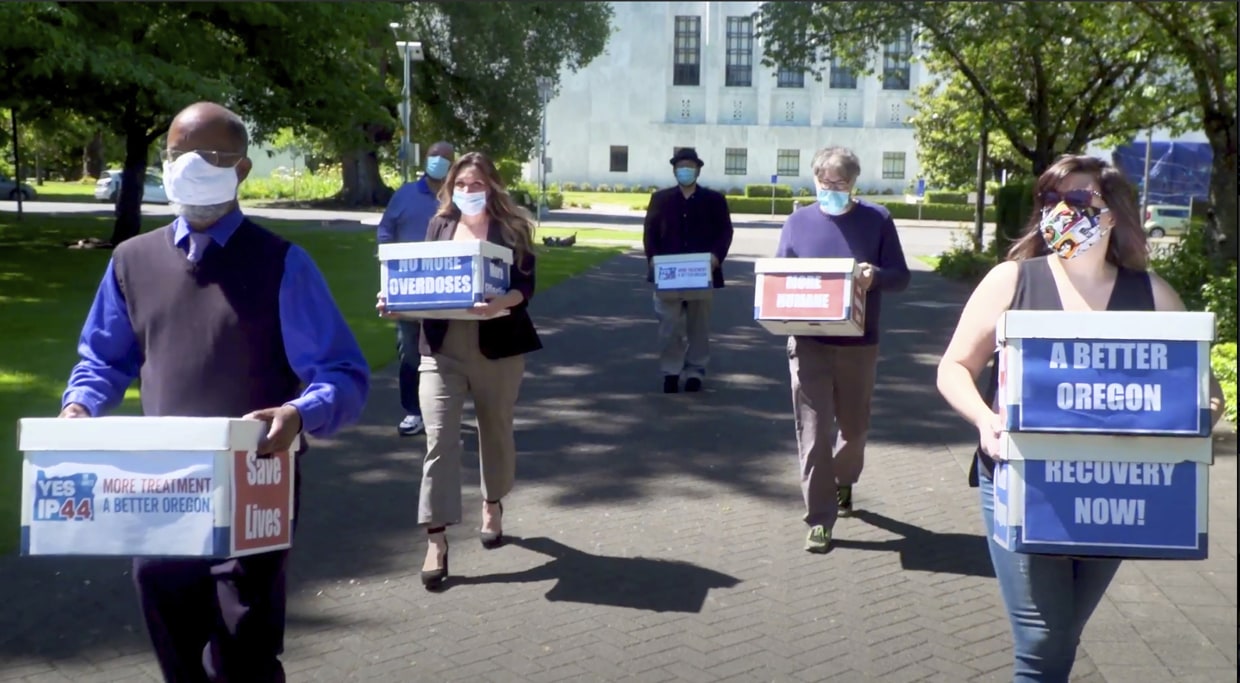
Passed by voters in 2020, [Measure 110] fundamentally altered how [Oregon] addresses personal possession of small amounts of illicit drugs. This ballot initiative reclassified possession of minor quantities of substances like heroin, methamphetamine, cocaine, and MDMA from a felony or misdemeanor to a Class E violation. What this means for a visitor to [Oregon] is a shift from potential criminal charges and jail time to a civil citation, typically carrying a maximum fine of $100. This fine can even be waived if the individual undergoes a health assessment and engages with addiction recovery services.
It is paramount for travelers to grasp this distinction: decriminalization does not equate to legalization. The substances themselves remain illegal. [Measure 110] primarily focuses on reducing the penalties for personal possession of small, user-level amounts. Selling, manufacturing, or possessing larger quantities of these substances still carries severe criminal penalties, including significant fines and lengthy prison sentences. Furthermore, public use of any illicit substance remains strictly prohibited and can lead to arrests or citations, regardless of [Measure 110]. For example, consuming these substances on a public street, in a park, or even discreetly outside a tourist attraction like the [Oregon Zoo] in [Portland] is against the law.
The policy shift is rooted in a public health strategy, aiming to funnel individuals towards treatment rather than incarceration. While this unique legal environment might be a talking point, it is not an invitation for recreational use without consequence for visitors. Travelers should proceed with caution, understanding that their actions can still lead to legal ramifications, disrupt travel plans, and impact future international travel eligibility. Respecting these boundaries ensures a smooth and enjoyable trip, whether you’re exploring the breweries of [Bend] or the serene landscapes of the [Columbia River Gorge].
Cannabis: A Different Story of Full Legalization
In stark contrast to the decriminalized status of other illicit substances, recreational cannabis has been fully legal in [Oregon] for adults aged 21 and over since 2015. This positions [Oregon] as one of several states in the [United States], including neighboring [California] and [Washington], where adult-use cannabis is a regulated industry. For tourists, this means that purchasing cannabis from state-licensed dispensaries is legal, straightforward, and generally accessible in cities like [Portland], [Eugene], and [Salem]. These dispensaries operate under strict state regulations, offering a wide range of products including flower, edibles, concentrates, and topicals.
However, even with full legalization, strict rules apply to cannabis consumption and possession. Consumption is generally restricted to private property. Smoking, vaping, or consuming cannabis edibles in public places—such as parks, sidewalks, restaurant patios, or even hotel balconies where it might be visible or bothersome to others—is prohibited and can result in fines. Many [hotels], [resorts], and other accommodation types also have their own strict policies prohibiting cannabis use on their premises, even within private rooms. It’s always advisable to check with your specific accommodation provider, whether it’s a boutique hotel in [Ashland] or a vacation rental on the [Oregon Coast].
Possession limits are also in place: typically, adults 21 and over can possess up to one ounce of usable marijuana, 16 ounces of solid cannabis edibles, 72 ounces of liquid edibles, and a certain number of plants (if cultivating, which is generally not relevant for tourists). Driving under the influence of cannabis is illegal and carries the same severe penalties as driving under the influence of alcohol, including fines, license suspension, and potential jail time.
Furthermore, transporting cannabis across state lines, even to other states where it is legal, remains a federal offense and is strictly forbidden. This means you cannot legally bring cannabis purchased in [Oregon] into [Idaho], [Nevada], or even fly with it, regardless of your destination. Portland International Airport and other transportation hubs have clear guidelines prohibiting the transport of cannabis. Travelers should be acutely aware of these federal restrictions to avoid serious legal consequences that could extend beyond their visit to [Oregon].
Beyond Cannabis: Emerging Substance Policies and Traveler Considerations
[Oregon]’s progressive stance extends beyond cannabis and [Measure 110], touching upon psychedelics, presenting another layer of complexity and innovation that travelers might encounter or hear about. Understanding these evolving policies is key to a responsible visit.Psychedelics: The Highly Regulated Frontier of Psilocybin
In 2020, [Oregon] also passed [Measure 109], which established a groundbreaking program for the supervised, therapeutic use of psilocybin, the psychoactive compound found in “magic mushrooms.” This is arguably the most cutting-edge drug policy in the [United States] and is often the subject of misunderstanding.
It is critically important to understand that [Measure 109] does not legalize recreational psilocybin. Instead, it creates a tightly regulated system for administering psilocybin services to adults aged 21 and older in licensed service centers, under the direct supervision of trained and licensed facilitators. These services are intended for therapeutic and personal growth purposes, often involving a structured program that includes preparation sessions, the administration session itself, and integration support afterward. It is designed as a wellness and mental health intervention, not a casual recreational activity.
For tourists, this means you cannot simply walk into a store and buy psilocybin mushrooms, nor can you use them recreationally in public or private settings. Access is highly controlled, requiring engagement with the state-regulated system. It’s not an experience to spontaneously add to your itinerary between visiting [Haystack Rock] at [Cannon Beach] and touring the wineries of the [Willamette Valley]. Attempting to purchase, possess, or use psilocybin outside of this strictly regulated system remains illegal and can lead to significant criminal charges. Visitors seeking to learn more about or potentially engage with psilocybin services should consult official [Oregon] Psilocybin Services program resources, understanding that it involves a significant commitment of time and resources.
Prescription Medications and Over-the-Counter Drugs: Standard Protocols

When it comes to prescription medications and common over-the-counter drugs, [Oregon] adheres to standard federal and state laws that are generally consistent across the [United States]. Travelers should always carry their prescription medications in their original containers with the pharmacy label intact. It is also highly advisable to have a copy of your prescription or a letter from your doctor, particularly for controlled substances or if you are carrying a larger quantity. This practice prevents any misunderstandings with law enforcement or airport security.
Over-the-counter medications are generally unrestricted, but common sense applies—do not carry excessive amounts that could suggest illicit intent or misrepresentation. If you have any doubts about a specific medication, it’s best to consult with your physician or pharmacist before traveling.
Navigating Oregon Responsibly: Essential Travel Tips
To truly enjoy the diverse offerings of [Oregon], from its vibrant urban centers to its serene natural landscapes, understanding and respecting its unique legal framework is paramount. Responsible travel extends beyond appreciating local culture; it includes adhering to local laws and prioritizing personal safety.
Staying Informed and Respecting Local Laws
The primary advice for any traveler to [Oregon] regarding its drug laws is to be well-informed and exercise personal responsibility. The concept of “decriminalized” does not mean “no consequences” or “legal for public consumption.” Public intoxication, regardless of the substance involved (alcohol, cannabis, or otherwise), can lead to legal issues, including fines and potential arrests. Ignorance of the law is never a valid defense, especially when visiting a jurisdiction with such distinctive regulations. Always seek reliable, up-to-date information from official [Oregon] state government websites or trusted legal resources, rather than relying solely on anecdotal accounts or outdated news stories. Laws can and do change, so staying updated is key.
For those considering accommodation, be aware that many [hotels] and [resorts] in cities like [Ashland], [Bend], or [Eugene] will have their own specific policies regarding cannabis consumption, even though it’s legal in the state. Many prohibit smoking of any kind (including cannabis) on their premises, and some may even ban vaping or the use of edibles in common areas or private rooms. It is always wise to check directly with your accommodation provider, whether you’ve booked a luxury suite in [Portland] or a cozy cabin in [Seaside] or [Lincoln City], to understand their rules and avoid potential penalties or eviction.
Prioritizing Personal Safety and Well-being
Beyond legal considerations, responsible travel intrinsically involves prioritizing your health and safety. Never accept substances from strangers, and be wary of unregulated products, particularly those sold outside of licensed dispensaries or service centers. If you choose to consume legal cannabis, do so in a private, safe environment, and be aware of its effects. Cannabis can impair judgment and reaction time, and edibles, in particular, can have delayed and potent effects.
Driving under the influence of any substance, including legal cannabis, is a serious offense in [Oregon]. It jeopardizes your life and the lives of others and will result in severe penalties, including hefty fines, license suspension, potential jail time, and a criminal record that could impact future travel. If you plan to consume, utilize public transportation, taxis, or rideshare services. Cities like [Portland] and [Eugene] have robust public transit options, while services like Uber and Lyft are widely available across major urban areas.
If you or someone you are with experiences an adverse reaction to a substance or needs assistance related to substance use, seek help immediately. Dial 911 for emergencies. [Oregon] has resources available for individuals struggling with substance use, and many jurisdictions have Good Samaritan laws that protect individuals who call for help in an overdose situation from prosecution for minor drug offenses. Your well-being is paramount, and seeking help is always the right choice.
Oregon’s Allure: Beyond the Headlines, A Destination for Every Traveler
While [Oregon]’s progressive drug laws garner significant attention, they represent only a small facet of what makes this [Pacific Northwest] gem a world-class travel destination. The true essence of [Oregon] lies in its unparalleled natural beauty, vibrant cultural scene, and the warmth of its communities.
Iconic Destinations and Natural Wonders Await
[Oregon] is an outdoor enthusiast’s paradise, offering a diverse array of landscapes that captivate every visitor. The rugged beauty of the [Oregon Coast] is legendary, home to iconic spots like [Haystack Rock] at [Cannon Beach], the dramatic basalt columns of [Thor’s Well] near [Cape Perpetua], and charming coastal towns perfect for exploration. Inland, the majestic peaks of the [Cascade Mountains] dominate the skyline, with [Mount Hood] standing as the state’s highest point, offering year-round recreation from skiing and snowboarding to hiking. [Crater Lake National Park], with its impossibly deep blue waters formed in the caldera of an ancient volcano, offers breathtaking vistas, scenic drives, and unique hiking opportunities. The [Columbia River Gorge] carves a stunning pathway through the [Cascade Mountains], boasting numerous waterfalls, including the famous [Multnomah Falls], and world-class windsurfing. Beyond the natural wonders, the bustling city of [Portland] is a hub of creativity, known for its vibrant arts scene, eclectic neighborhoods like the [Hawthorne District] and [Alberta Arts District], pioneering food truck culture, independent boutiques, and abundant craft breweries. Smaller cities like [Bend] offer high-desert adventures and a thriving craft beer scene, while [Ashland] is internationally renowned for the [Oregon Shakespeare Festival].
Culinary Delights, Craft Beverages, and Unique Experiences
[Oregon]’s culinary scene is a delight, emphasizing fresh, local ingredients and farm-to-table dining experiences. The [Willamette Valley] is internationally recognized for its world-class Pinot Noir wines, offering countless vineyards and tasting rooms for a luxurious day trip, complete with stunning views and exquisite pairings. The state is also a mecca for craft beer lovers, boasting a phenomenal density of innovative breweries across [Portland], [Bend], and beyond, cementing its reputation as a premier destination for beer tourism.Travelers can indulge in diverse food markets, explore innovative restaurants, or embark on a culinary tour tailored to their tastes. For the adventurous, there’s surfing on the coast, mountain biking through scenic trails, white-water rafting on the [Deschutes River], or cycling through picturesque landscapes. Whether you’re seeking a serene retreat, an adrenaline-fueled adventure, a sophisticated culinary journey, or a cultural immersion, [Oregon] delivers an unforgettable experience for every type of traveler.
[Oregon]’s approach to drug policy is undoubtedly progressive and unique. However, the notion that “all drugs are legal” is a significant misconception. While recreational cannabis is fully legal for adults and certain other substances have been decriminalized under [Measure 110], and psilocybin has a regulated therapeutic pathway through [Measure 109], strict laws and regulations remain in place. By staying informed, exercising personal responsibility, and respecting local laws and community standards, visitors can ensure a safe, enjoyable, and memorable journey through this remarkable corner of the [Pacific Northwest], allowing them to fully appreciate its natural beauty, vibrant culture, and unique charm. LifeOutOfTheBox is a participant in the Amazon Services LLC Associates Program, an affiliate advertising program designed to provide a means for sites to earn advertising fees by advertising and linking to Amazon.com. Amazon, the Amazon logo, AmazonSupply, and the AmazonSupply logo are trademarks of Amazon.com, Inc. or its affiliates. As an Amazon Associate we earn affiliate commissions from qualifying purchases.