
Oregon is renowned for its breathtaking natural landscapes, from the rugged coastline and majestic mountains to the verdant forests and crystal-clear rivers. This reputation for pristine wilderness often draws travelers seeking outdoor adventure and serene escapes. However, even in such an ecologically conscious state, questions can arise about the health of local waterways. One such question frequently posed by residents and visitors alike concerns Ash Creek, a picturesque waterway flowing through the heart of the Willamette Valley. Is Ash Creek in Oregon polluted? This article delves into the various facets of this critical query, exploring the creek’s significance, potential environmental challenges, and the ongoing efforts to safeguard its ecological integrity, all while connecting it to the broader themes of responsible travel and sustainable living in the Pacific Northwest.

The health of a creek like Ash Creek is more than just an ecological concern; it directly impacts the lifestyle of nearby communities, the appeal of local tourism, and the overall quality of life. For travelers, understanding the environmental status of a destination’s natural assets is increasingly important, influencing choices about where to visit, what activities to pursue, and how to minimize their footprint. This exploration aims to provide a comprehensive overview, equipping both potential visitors and locals with the knowledge to appreciate and protect this vital Oregon landmark.
Understanding Ash Creek’s Ecosystem and Importance
To truly grasp the question of pollution in Ash Creek, it’s essential to first understand its ecological and cultural significance. This seemingly small waterway plays a crucial role in its local environment and contributes to the larger aquatic networks of Oregon.
A Lifeline in the Willamette Valley
Ash Creek originates in the forested hills west of the Willamette Valley and flows eastward, passing through agricultural lands and the towns of Monmouth and Independence before emptying into the Willamette River. For centuries, it has been a vital resource, supporting diverse ecosystems and human settlements. Ecologically, Ash Creek provides critical habitat for various species, including native salmon and trout populations that rely on its cool, clean waters for spawning and rearing. The riparian zones along its banks—areas of vegetation bordering the water—are teeming with wildlife, from migratory birds to deer and smaller mammals, all dependent on the creek for water, food, and shelter. These areas also serve as natural filters, helping to mitigate runoff and maintain water quality.
For the communities of Monmouth and Independence, Ash Creek is more than just a hydrological feature; it’s a landmark deeply intertwined with local culture and recreation. It offers opportunities for fishing, wading, picnicking along its banks, and simply enjoying the tranquility of nature. Students from nearby Western Oregon University in Monmouth often utilize the creek for ecological studies, highlighting its role as a living laboratory. The creek’s health directly influences the recreational experiences available, impacting local tourism by attracting visitors who seek to engage with Oregon’s natural beauty. A clean and vibrant Ash Creek enhances the appeal of these towns as destinations for family trips, weekend getaways, and even longer stays.
Ash Creek’s Contribution to the Broader Willamette River System
The significance of Ash Creek extends beyond its immediate vicinity due to its connection to the larger Willamette River system. The Willamette River, a major tributary of the Columbia River Gorge, is a cornerstone of Oregon’s ecological and economic landscape, flowing through major urban centers like Salem and Portland. Small creeks like Ash Creek are integral arteries of this vast system, acting as conduits that transport water, sediment, and nutrients—and unfortunately, sometimes pollutants—from their headwaters to the main stem of the river.
The interconnectedness of water systems means that the health of Ash Creek directly affects the overall water quality of the Willamette River. Pollution entering Ash Creek can travel downstream, potentially impacting aquatic life, recreational opportunities, and even drinking water sources further along the Willamette River. This hydrological link underscores the importance of monitoring and protecting even smaller tributaries. Efforts to maintain the cleanliness of Ash Creek are therefore not just about preserving a local gem but are part of a broader commitment to safeguarding one of Oregon’s most vital natural resources, a commitment that appeals to responsible travelers and those interested in sustainable tourism.
Unpacking the Pollution Question: Sources and Concerns
When asking “Is Ash Creek in Oregon polluted?”, the answer is rarely a simple yes or no. Instead, it involves understanding the various potential sources of contamination and the specific pollutants that are of concern for this particular watershed.
Potential Sources of Contamination
The landscape through which Ash Creek flows presents several typical sources of non-point source pollution, meaning pollution that comes from diffuse sources rather than a single pipe.
One of the primary concerns in the Willamette Valley is agricultural runoff. The valley is a highly productive farming region, and water flowing over agricultural fields can pick up fertilizers, pesticides, and herbicides. These chemicals can then wash into Ash Creek, leading to elevated nutrient levels or the presence of harmful synthetic compounds. Livestock operations can also contribute fecal coliform bacteria to the creek if not properly managed.
Urban stormwater runoff from the towns of Monmouth and Independence is another significant factor. During rain events, water flows over impervious surfaces like roads, parking lots, and rooftops, collecting pollutants such as oil, grease, heavy metals from vehicles, pet waste, litter, and sediment. This contaminated runoff then enters the creek through storm drains, bypassing natural filtration systems. While there are no major heavy industries directly on Ash Creek, smaller commercial operations might contribute minor localized impacts if not strictly regulated.
Additionally, failing septic systems in more rural areas along the creek’s path can leach untreated wastewater into groundwater, which eventually makes its way into the creek. Even forestry practices in the upper reaches of the watershed, if not carefully managed, can lead to increased sedimentation and erosion, degrading water quality and aquatic habitats. The combined impact of these various sources creates a complex challenge for maintaining the creek’s health, affecting the very essence of its natural appeal for eco-conscious travelers and local recreation.
Key Pollutants of Concern
Based on the potential sources, several types of pollutants are typically monitored in waterways like Ash Creek:
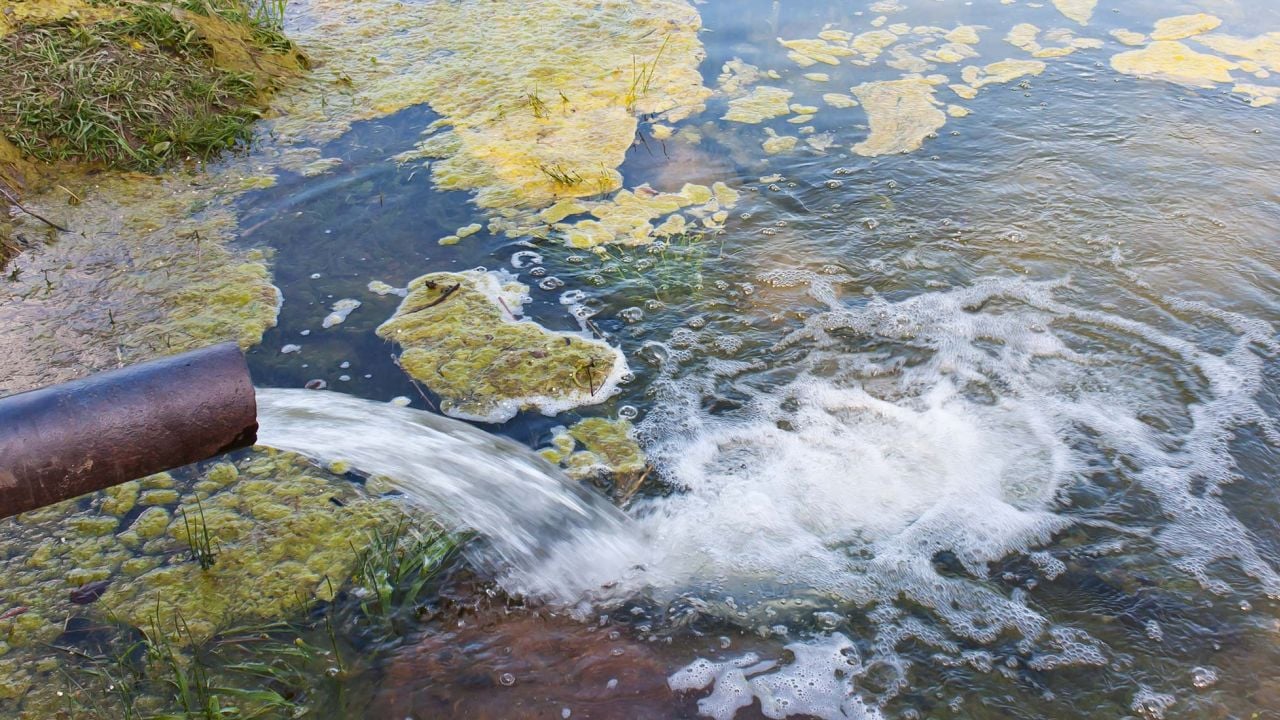
- Nutrients: Primarily nitrogen and phosphorus, originating from agricultural fertilizers, septic systems, and pet waste. Excess nutrients can lead to eutrophication, causing algal blooms that deplete oxygen levels when they decompose, creating “dead zones” harmful to fish and other aquatic organisms. This significantly impacts the creek’s ability to support salmon and trout.
- Bacteria: Fecal coliform and E. coli are common indicators of fecal contamination, usually from animal waste (livestock, pets, wildlife) or failing septic systems. High levels of these bacteria can pose health risks to humans who come into contact with the water, making swimming, wading, or even fishing potentially unsafe. This directly affects recreational tourism and family trips.
- Sediment: Fine soil particles washed into the creek from eroded banks, construction sites, agricultural fields, or logging operations. Excessive sediment can smother fish spawning beds, clog the gills of aquatic insects, reduce water clarity, and alter the creek bed, destroying habitat.
- Pesticides and Herbicides: Chemicals used in agriculture and residential landscaping can be toxic to aquatic life, impacting insects, fish, and the entire food web. Their presence can also make the water unsuitable for certain recreational uses.
- Temperature: While not a pollutant in the traditional sense, elevated water temperatures can stress cold-water species like salmon. Removal of riparian vegetation, which provides shade, can lead to increased water temperatures, particularly during summer months. This indirectly speaks to pollution and habitat degradation, affecting the long-term health of the ecosystem and its appeal as a natural landmark.
Understanding these specific pollutants helps agencies like the Oregon Department of Environmental Quality (ODEQ) and local groups tailor their monitoring and mitigation efforts, moving beyond a general concern to targeted solutions for a healthier Ash Creek.
Monitoring, Mitigation, and Community Efforts
Despite the potential for pollution, Ash Creek benefits from dedicated oversight and proactive community engagement. Various organizations and individuals are committed to monitoring its health and implementing strategies to ensure its long-term vitality.
Who Monitors Ash Creek’s Health?
The responsibility for monitoring the water quality of Ash Creek falls to a combination of state agencies, local organizations, and academic institutions, often in collaboration with citizen volunteers.
The primary governmental entity is the Oregon Department of Environmental Quality (ODEQ), which is mandated by the federal Clean Water Act to monitor the state’s waterways, assess their health, and implement programs to improve water quality. ODEQ periodically collects samples from Ash Creek to test for key pollutants such as bacteria, nutrients, dissolved oxygen, temperature, and pH. Their findings inform whether the creek meets water quality standards for designated uses like aquatic life support and recreation.
At a local level, watershed councils play a pivotal role. The Ash Creek Watershed Council, for instance, is a local non-profit organization dedicated to fostering healthy streams and rivers through education, restoration, and stewardship. They often conduct their own water quality monitoring, engage landowners in restoration projects, and organize community clean-up events. These councils are instrumental in translating broader environmental goals into tangible local actions, appealing to a sense of community and responsible living.
Academic institutions, such as Western Oregon University in Monmouth, also contribute significantly. Students and faculty frequently conduct research on local ecosystems, including Ash Creek, providing valuable scientific data and insights into the creek’s health. Citizen science initiatives, where trained volunteers collect data, further augment these efforts, demonstrating how local engagement can empower communities to protect their natural landmarks. These collaborative monitoring efforts provide a comprehensive picture of Ash Creek’s status, allowing for informed decision-making regarding its protection.
Strategies for a Healthier Ash Creek
Addressing the pollution concerns in Ash Creek involves a multi-pronged approach that combines regulatory measures, voluntary conservation practices, and community involvement.
For agricultural areas, the emphasis is on Best Management Practices (BMPs). These include promoting riparian buffers (planting native vegetation along stream banks) which act as natural filters, reducing runoff, and providing shade. Farmers are also encouraged to adopt practices like cover cropping, reduced tillage, and precision fertilizer application to minimize chemical and nutrient loss into waterways. Local agencies often provide financial and technical assistance to implement these sustainable farming techniques.
In urban and suburban areas, stormwater management is key. This involves implementing green infrastructure solutions such as rain gardens, permeable pavements, and vegetated swales that capture and filter stormwater before it reaches the creek. Educational campaigns are also vital to raise awareness among residents about responsible pet waste disposal, proper car maintenance to prevent oil leaks, and the environmental impact of household chemicals. Monmouth and Independence are continually exploring ways to upgrade their stormwater systems and educate their citizens on individual actions that contribute to creek health.
Restoration projects are also underway along Ash Creek. These can involve stabilizing eroded streambanks, removing invasive species, planting native trees and shrubs to restore riparian habitat, and improving fish passage by upgrading culverts. These projects not only improve water quality but also enhance the ecological resilience of the creek, making it a more attractive natural landmark.
Finally, community involvement is perhaps the most powerful tool. Volunteer clean-ups, educational workshops, and public awareness campaigns help foster a sense of stewardship among residents. This collective responsibility ensures that the efforts to keep Ash Creek clean are sustained over time, making it a shining example of how local action can safeguard natural assets for future generations and contribute to a lifestyle of environmental mindfulness.
Ash Creek and Responsible Tourism in Oregon
For travelers seeking to experience Oregon’s natural beauty, the status of waterways like Ash Creek is a crucial consideration. Responsible tourism not only minimizes negative impacts but also actively contributes to the preservation of the destination’s natural and cultural heritage.
Experiencing Ash Creek Responsibly
Visiting Ash Creek offers a wonderful opportunity to connect with Oregon’s diverse landscapes. Activities such as hiking along designated trails, birdwatching in the riparian zones, or enjoying a peaceful picnic by the water can be incredibly rewarding. However, engaging with this natural landmark requires a commitment to responsible practices.
Adhering to Leave No Trace principles is paramount. This means packing out all trash, staying on established trails to prevent erosion, respecting wildlife, and avoiding disturbing natural features. When fishing, ensure you have the proper licenses and adhere to local regulations to protect fish populations. If engaging in water recreation, be mindful of any public health advisories related to water quality, especially after heavy rainfall when bacteria levels might be elevated.
For accommodation, travelers looking to support sustainable practices might consider local hotels, resorts, or apartments that demonstrate environmental responsibility. While Ash Creek itself might not host large hotels, nearby Monmouth and Independence offer quaint options. For example, a boutique establishment like The Ash Creek Inn, or similar locally-owned guesthouses, might prioritize sustainable operations, offering visitors an opportunity to align their travel choices with their values. Booking accommodations that support local economies and practice eco-friendly operations contributes positively to the area’s overall sustainability efforts. Exploring local culture, food, and activities responsibly enhances the experience, turning a simple trip into a meaningful journey.

The Broader Picture: Oregon’s Commitment to Clean Water
Oregon has long prided itself on its progressive environmental policies and a strong collective commitment to natural resource protection. This commitment is evident in the ongoing efforts to monitor and restore waterways across the state, from iconic sites like Crater Lake National Park and Mount Hood to smaller, vital creeks like Ash Creek. Travelers play an integral role in supporting this ethos.
By choosing to visit destinations where environmental stewardship is valued and by actively participating in responsible tourism, visitors can reinforce the economic incentive for communities to maintain their natural assets. Supporting local businesses that champion sustainability, purchasing locally produced goods, and minimizing one’s carbon footprint while traveling are all ways to contribute positively. These choices reflect a growing global trend towards eco-tourism and sustainable lifestyle choices, where travel experiences are enriched by a conscious connection to the environment and local communities.
The question “Is Ash Creek in Oregon polluted?” therefore becomes more than just an inquiry about water quality; it’s an invitation to engage with a destination’s environmental narrative. It encourages travelers to be informed, to be respectful, and to contribute to the ongoing success of conservation efforts that ensure Oregon’s natural beauty remains vibrant for generations to come.
In conclusion, while Ash Creek, like many waterways in developed areas, faces ongoing challenges from various sources of pollution, it is also the focus of active monitoring, dedicated restoration efforts, and strong community stewardship. The current status suggests that while vigilance is always necessary, concerted efforts are being made to maintain and improve its health. For travelers planning their next Oregon adventure, visiting Ash Creek and its surrounding towns is an opportunity to witness these efforts firsthand and to contribute to a sustainable future for this beautiful part of the Willamette Valley. By choosing responsible travel and supporting local conservation initiatives, visitors can help ensure that Ash Creek continues to flow as a clean, healthy, and cherished landmark for years to come.
LifeOutOfTheBox is a participant in the Amazon Services LLC Associates Program, an affiliate advertising program designed to provide a means for sites to earn advertising fees by advertising and linking to Amazon.com. Amazon, the Amazon logo, AmazonSupply, and the AmazonSupply logo are trademarks of Amazon.com, Inc. or its affiliates. As an Amazon Associate we earn affiliate commissions from qualifying purchases.