
Portland, Oregon, often affectionately known as the “City of Roses,” boasts a reputation for its lush landscapes, verdant parks, and an abundance of thriving plant life. This botanical richness is no accident; it’s a direct reflection of Portland’s unique climate and, specifically, its USDA Plant Hardiness Zone. For seasoned gardeners, understanding this zone is crucial for cultivating a successful garden. However, for the myriad travelers, tourists, and lifestyle enthusiasts who visit Portland, this seemingly technical detail provides the key to unlocking a deeper appreciation for the city’s celebrated natural beauty, diverse attractions, and the very essence of its vibrant culture.
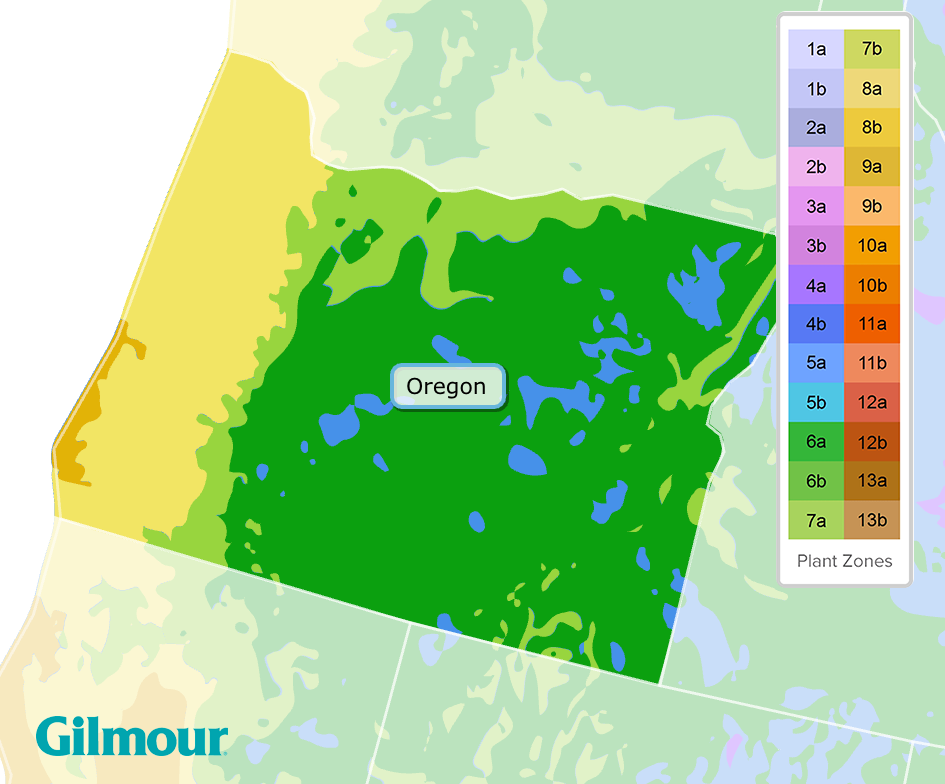
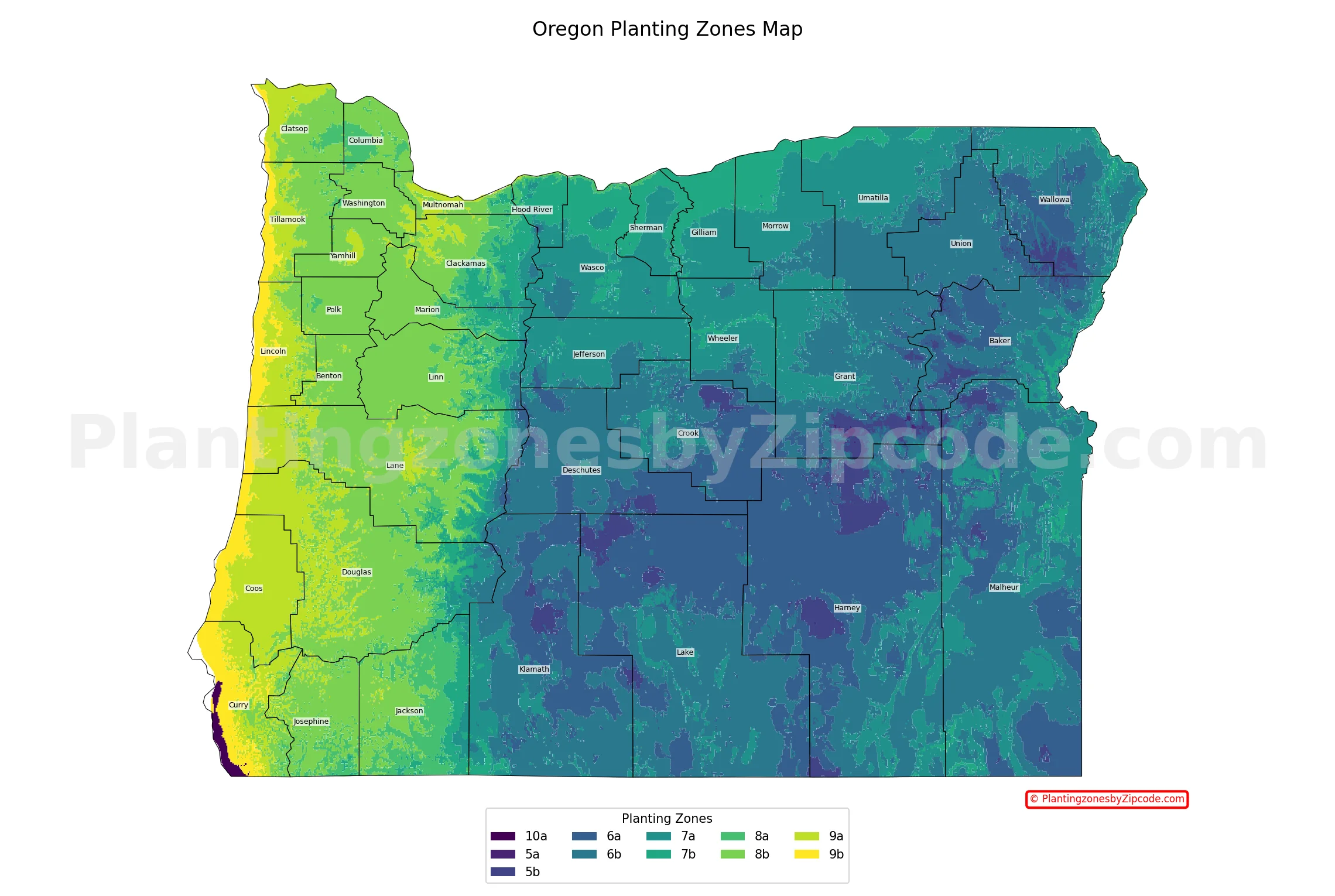
At its core, Portland, Oregon falls primarily within USDA Plant Hardiness Zone 8b, with some areas extending into 9a. This classification signifies a remarkably mild climate for the United States, particularly when considering its northern latitude. Zone 8b indicates average annual extreme minimum winter temperatures ranging from 15 to 20 degrees Fahrenheit (-9.4 to -6.7 degrees Celsius), while 9a is even milder, with lows between 20 and 25 degrees Fahrenheit (-6.7 to -3.9 degrees Celsius). These relatively temperate winters, combined with ample rainfall and warm, dry summers, create an almost ideal environment for an astonishing array of plants, from delicate roses and exotic rhododendrons to towering evergreens and abundant food crops.
For visitors, this translates into an immersive experience where nature is always within reach, influencing everything from the city’s iconic landmarks and public gardens to its renowned farm-to-table dining scene and the eco-conscious lifestyle embraced by its residents. Whether you’re planning a trip to explore famous botanical gardens, seeking a serene accommodation amidst green surroundings, or simply curious about what makes Portland so uniquely green, understanding its planting zone is the first step toward appreciating the city’s verdant charm.
Understanding Portland’s Unique Horticultural Climate
The foundation of Portland’s horticultural success lies in a combination of geographical factors and its specific climate classification. Delving into the details of the USDA Hardiness Zone and the influences shaping the Pacific Northwest environment reveals why this city is such a paradise for plants and people alike.
The USDA Hardiness Zone System Explained
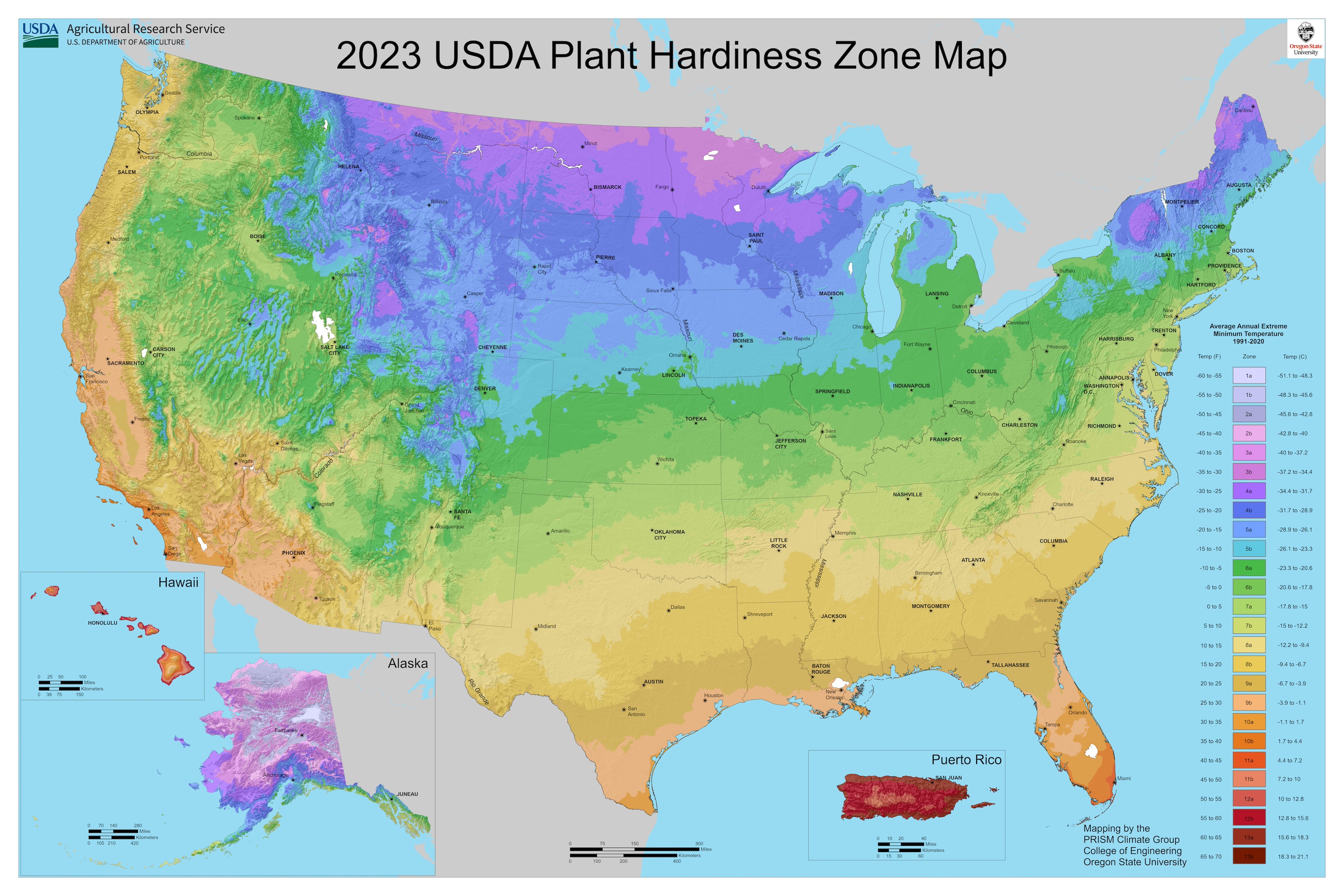
The United States Department of Agriculture (USDA) Plant Hardiness Zone Map is the standard by which gardeners and growers determine which plants are most likely to thrive at a specific location. The map divides North America into 13 zones, each representing a 10-degree Fahrenheit range of average annual extreme minimum winter temperatures. Each zone is further divided into ‘a’ and ‘b’ subzones, representing a 5-degree Fahrenheit difference. For Portland, the 8b/9a designation means that the city experiences relatively mild winters where temperatures rarely drop below 15-20°F (8b) or 20-25°F (9a). This is a crucial distinction, as it allows for the cultivation of a vast spectrum of plants that would perish in colder climates.
What does this imply for visitors? It means that throughout much of the year, even into late fall and early spring, Portland’s outdoor spaces remain vibrant and green. Travelers arriving from regions with harsh, snowy winters will find Portland’s temperate climate a refreshing change, enabling outdoor activities and garden visits well beyond typical peak seasons. The mildness also contributes to the longevity and diversity of blooms, extending the visual appeal of the city’s parks and gardens for a significant portion of the year.
Factors Contributing to Portland’s Lush Landscape
Portland’s favorable planting zone isn’t just about mild winters; it’s a symphony of geographical and climatic elements working in harmony. The city is nestled in the Willamette Valley, a fertile basin bordered by the Coast Range to the west and the Cascade Mountains to the east.
- Ample Rainfall: The predominant influence of the Pacific Ocean brings consistent moisture, especially during the fall, winter, and spring months. While summers are typically dry, the substantial annual rainfall ensures plants receive adequate hydration to sustain vigorous growth. This abundance of water creates the lush, green environment that is characteristic of the Pacific Northwest and prevents the dry, brown landscapes often seen in other climates during non-summer months.
- Moderate Temperatures: The Pacific Ocean also acts as a climate moderator, keeping winter temperatures relatively mild and summer temperatures from becoming excessively hot. This lack of extreme temperature fluctuations reduces stress on plants and allows for a longer growing season, supporting a wider variety of species.
- Rich Volcanic Soil: The region’s geological history, particularly the nearby presence of stratovolcanoes like Mount Hood, has endowed the Willamette Valley with incredibly fertile, well-draining volcanic soil. This nutrient-rich soil is highly conducive to robust plant growth, forming a strong foundation for both natural ecosystems and cultivated gardens.
- The Willamette River Microclimate: The presence of the Willamette River flowing through the city also contributes to localized microclimates, particularly in riverside areas, where slightly higher humidity and moderated temperatures can further enhance plant diversity.
These combined factors explain why Portland is able to sustain such a phenomenal diversity of plant life, making it a dream destination for anyone who appreciates natural beauty and meticulously cultivated gardens.
Portland’s Green Attractions: A Traveler’s Guide to Lush Landscapes
For visitors, Portland’s planting zone is less about seed packets and more about the breathtaking natural and cultivated landscapes that serve as some of the city’s premier attractions. The mild climate and fertile soil allow for an unparalleled collection of public gardens, sprawling parks, and accessible natural wonders that are essential stops on any Portland itinerary.
World-Renowned Gardens and Parks
Portland’s reputation as a “City of Roses” is just the tip of the iceberg when it comes to its horticultural treasures. The city’s planting zone enables a spectacular array of botanical experiences.
- International Rose Test Garden: Perched in Washington Park, this iconic garden is one of the oldest public rose test gardens in the United States, boasting over 10,000 rose bushes of more than 650 varieties. The Zone 8b/9a climate is perfect for roses, allowing them to flourish with vibrant blooms from late spring through early fall. Travelers are treated to stunning views of the city skyline, the Willamette River, and Mount Hood against a backdrop of fragrant blossoms.
- Portland Japanese Garden: Also located in Washington Park, this is considered one of the most authentic Japanese gardens outside of Japan. Its five distinct garden styles—from the tranquil Flat Garden to the serene Strolling Pond Garden—showcase plants that thrive in Portland’s temperate climate, such as maples, mosses, and various conifers. It offers a peaceful retreat and a masterclass in landscape design, attracting visitors seeking calm and beauty.
- Lan Su Chinese Garden: Situated in downtown Portland’s Chinatown, this walled garden is a living masterpiece built by artisans from Suzhou, China, Portland’s sister city. Its rich collection of native Chinese plants, many of which flourish in Portland’s compatible climate, along with traditional architecture, serene waterways, and intricate rock formations, transport visitors to another world.
- Forest Park: As one of the largest urban parks in the United States, encompassing over 5,200 acres, Forest Park is a vital green lung for Portland. Its temperate rainforest ecosystem, supported by the zone 8b/9a climate, is home to diverse native flora, including towering Douglas firs, Western red cedars, and lush ferns. Hikers, runners, and nature lovers can explore miles of trails, experiencing the wild beauty of the Pacific Northwest just minutes from downtown.
- Pittock Mansion Grounds: While primarily known for its historic mansion and panoramic city views, the grounds surrounding Pittock Mansion offer beautifully maintained gardens and lawns, featuring plant species that thrive in the local climate, enhancing the scenic overlook.
Experiencing Portland’s Natural Beauty Beyond the Gardens
The influence of Portland’s planting zone extends beyond curated gardens to the region’s broader natural attractions, making it a prime destination for eco-tourism and outdoor adventures.
- Columbia River Gorge: A short drive east of Portland leads to the spectacular Columbia River Gorge, a National Scenic Area renowned for its dramatic cliffs, numerous waterfalls (including the iconic Multnomah Falls), and diverse ecosystems. The moist climate supports lush temperate rainforests on the Oregon side, with plants like mosses, ferns, and native wildflowers flourishing, offering breathtaking vistas and hiking opportunities.
- The Oregon Coast: The coastal areas, also falling into similar hardiness zones, present a different kind of natural beauty. Rugged cliffs, expansive beaches, and dramatic sea stacks are complemented by coastal forests of Sitka spruce and shore pines, as well as a unique array of salt-tolerant plants. Day trips to towns like Cannon Beach or Astoria offer a chance to explore this distinct coastal flora.
- Urban Tree Canopy: Even within the urban core, Portland’s planting zone ensures a dense and diverse urban tree canopy. The city takes pride in its street trees and neighborhood parks, which contribute significantly to the quality of life and aesthetic appeal. Walking tours through neighborhoods reveal a rich tapestry of mature trees, flowering shrubs, and meticulously maintained residential gardens, all testament to the forgiving climate.
For any traveler, Portland’s green attractions offer an unparalleled opportunity to connect with nature, whether through serene contemplation in a meticulously designed garden or invigorating hikes through ancient forests.
Lifestyle and Local Culture: How Planting Zones Shape Portland Living
Portland’s planting zone doesn’t just dictate what grows; it deeply influences the city’s lifestyle, local culture, and even the nuances of its accommodation options. The ability to cultivate an abundance of local produce, the city’s commitment to sustainability, and the aesthetic of its green spaces are all direct outcomes of its unique horticultural climate.
Farm-to-Table Cuisine and Local Produce
Portland is a culinary hotspot, celebrated for its innovative food scene and a strong emphasis on fresh, local, and seasonal ingredients. This farm-to-table ethos is inextricably linked to the region’s productive agricultural capabilities, largely enabled by its Zone 8b/9a climate and fertile soils.
- Abundant Farmers’ Markets: Throughout the growing season, Portland comes alive with numerous farmers’ markets, such as the Portland Farmers Market at Portland State University, which offer an incredible bounty of local produce. Visitors can experience the direct impact of the planting zone through the vibrant displays of berries (strawberries, raspberries, blueberries, marionberries—a Portland specialty), cherries, apples, pears, a wide variety of leafy greens, and root vegetables.
- Culinary Creativity: Chefs in Portland have the luxury of working with incredibly fresh ingredients, leading to menus that reflect the season’s harvest. This means that a spring visit might feature dishes bursting with asparagus and spring onions, while a summer trip could involve berry-laden desserts and salads with sun-ripened tomatoes.
- Willamette Valley Wines and Hazelnuts: The broader Willamette Valley is famous for its Pinot Noir wines, benefiting from a climate similar to France’s Burgundy region. The planting zone also makes Oregon the primary producer of hazelnuts in the United States. Travelers interested in food and drink tourism will find direct connections between the local agriculture and Portland’s culinary identity.
Sustainable Living and Green Initiatives
Portland is consistently ranked among the greenest cities in the United States, and its planting zone plays a significant role in fostering this environmentally conscious lifestyle. The ease of growing allows for a flourishing culture of urban gardening, community gardens, and an overall appreciation for green spaces.
- Community Gardens and Urban Farming: The mild climate facilitates numerous community gardens across the city, allowing residents to grow their own food and contribute to local food security. Urban farming initiatives are also prominent, further integrating agriculture into the city’s fabric.
- Eco-Conscious Design: Many residential and commercial properties in Portland incorporate sustainable landscaping practices, including native plant gardening, rainwater harvesting, and permeable surfaces. This commitment to green infrastructure not only supports biodiversity but also makes the city visually appealing and pleasant to navigate.
- Green Spaces as Public Amenities: The emphasis on preserving and enhancing green spaces like Forest Park and the plethora of smaller neighborhood parks reflects Portland’s dedication to a high quality of life, where access to nature is considered essential for well-being. This lifestyle aspect attracts visitors seeking a more relaxed, nature-integrated urban experience.
Accommodation with an Horticultural Flair
For travelers, the pervasive greenness of Portland extends to many accommodation options, offering opportunities to stay amidst beautiful gardens or enjoy views of lush landscapes.
- Hotels with Green Spaces: Luxury hotels and boutique accommodations often leverage the mild climate to create stunning outdoor spaces. Imagine enjoying a morning coffee in a serene courtyard garden at The Heathman Hotel, or perhaps a rooftop terrace with verdant plantings at The Nines, a Luxury Collection Hotel. These elements enhance the guest experience, providing an urban oasis.
- Boutique Hotels and B&Bs: Smaller, charming hotels like Hotel Lucia or Sentinel Hotel often feature meticulously landscaped exteriors or interior plant displays that thrive year-round, adding to their unique character. Many bed and breakfasts showcase impressive gardens, offering guests a more intimate horticultural experience.
- Vacation Rentals and Apartments: For those seeking longer stays or a more independent experience, vacation rentals (apartments, villas) frequently come with private patios, balconies, or small gardens. These allow visitors to fully immerse themselves in Portland’s green environment, whether it’s enjoying breakfast surrounded by blooming hydrangeas or simply appreciating the view of a tree-lined street.
The planting zone, therefore, isn’t just an ecological fact; it’s a foundational element that shapes Portland’s distinctive character, influencing its culinary prowess, its commitment to sustainability, and the very ambiance of its accommodations.
Planning Your Green Getaway to Portland
Embracing Portland’s natural beauty and horticultural richness can elevate any travel experience. To make the most of your visit, consider the timing of your trip, prepare for exploring the outdoors, and select accommodation that complements your desire for a green escape.
Best Times to Visit for Garden Enthusiasts
While Portland offers something for every season, certain times of the year are particularly magical for those eager to experience its botanical wonders.
- Spring (April – May): This is arguably the most vibrant time to visit. The mild temperatures mean everything bursts into bloom. Rhododendrons, azaleas, tulips, and cherry blossoms create a riot of color. The International Rose Test Garden begins its first flush of blooms, and the city prepares for the annual Portland Rose Festival in June.
- Summer (June – August): Warm, dry, and sunny, Portland’s summers are ideal for enjoying the full glory of its gardens. Roses are at their peak, and the city’s parks are lush and green. This is also prime time for hiking in Forest Park and exploring the Columbia River Gorge’s waterfalls. Farmers’ markets are abundant with fresh produce.
- Fall (September – October): As temperatures cool, the city transforms with stunning autumn foliage, particularly in areas rich with deciduous trees like Japanese maples in the Portland Japanese Garden. It’s a beautiful time for crisp walks and enjoying a slightly quieter pace before winter sets in.
- Winter (November – March): While cooler and wetter, Portland’s Zone 8b/9a climate ensures that the city rarely sees significant snowfall or freezing temperatures for extended periods. Evergreen plants maintain their vibrancy, and walks in parks like Forest Park can be incredibly atmospheric. Many indoor botanical displays, like those at the Oregon Zoo’s various habitats, offer green escapes.
Essential Tips for Exploring Portland’s Botanical Wonders
To fully immerse yourself in Portland’s green attractions, a few practical considerations will enhance your experience.
- Comfortable Footwear: You’ll be doing a lot of walking, whether strolling through gardens or hiking trails. Ensure you have comfortable, supportive shoes, and perhaps waterproof options during the wetter months.
- Layered Clothing: The Pacific Northwest weather can be unpredictable. Dressing in layers allows you to adapt to changing temperatures and occasional drizzles.
- Public Transportation: Portland has an excellent public transportation system (TriMet), including MAX light rail and buses, which can get you to many major attractions, including Washington Park and the Lan Su Chinese Garden.
- Guided Tours: Consider joining a guided garden tour or a food tour that highlights local produce. Local experts can offer insights into the specific plants and their cultural significance that you might miss on your own.
- Combine Experiences: Maximize your visit by pairing garden explorations with other Portland experiences, such as visiting museums, exploring distinct neighborhoods, or sampling the city’s diverse culinary offerings.
Finding Your Ideal Green Accommodation
Your choice of accommodation can significantly impact your “green getaway.” Look for hotels and resorts that not only provide comfort but also embrace Portland’s natural aesthetic.
- Location is Key: If easy access to specific gardens is a priority, consider staying in areas like downtown (for Lan Su Chinese Garden), or near Washington Park for the Rose Test Garden and Japanese Garden. Hotels like Hotel Vance or Jupiter NEXT offer good central access.
- Amenities with a View: When booking, inquire about rooms with views of parks, the Willamette River, or inner courtyards. Many establishments leverage their location to provide scenic perspectives.
- Green-Certified Options: For those interested in sustainable travel, look for accommodations that boast green certifications or highlight their eco-friendly practices, often including responsible landscaping and waste management.
- Boutique Charm: Many of Portland’s boutique hotels and B&Bs pride themselves on their unique design, often incorporating plant life and natural elements into their decor and outdoor spaces. These can offer a more intimate connection to the city’s green character.
In conclusion, Portland, Oregon’s USDA Plant Hardiness Zone 8b/9a is far more than a horticultural classification; it is a foundational element that shapes the city’s identity and profoundly enriches the visitor experience. From its world-renowned gardens and vast urban forests to its thriving farm-to-table culinary scene and eco-conscious lifestyle, Portland’s mild, moist climate fosters an environment where nature flourishes, making it an extraordinary destination for travelers seeking beauty, tranquility, and a deeper connection to the natural world. Whether you’re a passionate gardener or simply someone who appreciates verdant surroundings, Portland’s unique planting zone ensures a vibrant and unforgettable green getaway.
LifeOutOfTheBox is a participant in the Amazon Services LLC Associates Program, an affiliate advertising program designed to provide a means for sites to earn advertising fees by advertising and linking to Amazon.com. Amazon, the Amazon logo, AmazonSupply, and the AmazonSupply logo are trademarks of Amazon.com, Inc. or its affiliates. As an Amazon Associate we earn affiliate commissions from qualifying purchases.