
Portland, Oregon, a city renowned for its quirky charm, vibrant arts scene, lush green spaces, and an unwavering commitment to all things local, invites visitors to explore its many facets. When contemplating “What zone is Portland, Oregon?” the answer is far more intricate than a single geographical demarcation. This dynamic city exists within multiple interconnected “zones”—from the practicalities of time and climate to the experiential layers of its diverse neighborhoods and transit systems. For any traveler, understanding these various zones is key to unlocking the full potential of a visit, whether you’re planning your itinerary, deciding what to pack, or choosing the perfect spot for your accommodation.
Navigating Time: Portland’s Time Zone
For travelers arriving in Portland, one of the first “zones” to consider is its temporal location. Time zones are crucial for seamless travel planning, coordinating flights, scheduling activities, and communicating with those in different parts of the world.
Pacific Standard Time (PST) and Pacific Daylight Time (PDT)
Portland, Oregon, observes the Pacific Time Zone. Specifically, during the cooler months, from early November to mid-March, Portland operates on Pacific Standard Time (PST), which is UTC-8 (eight hours behind Coordinated Universal Time). As spring arrives, the city transitions to Pacific Daylight Time (PDT), shifting one hour forward to UTC-7 until early November. This change typically occurs on the second Sunday in March and the first Sunday in November, aligning with most of the United States that observes Daylight Saving Time.
Understanding this shift is vital for international and cross-country travelers. Arriving from the east coast of the United States, for instance, means gaining three hours, which can initially cause mild jet lag but also offers the advantage of an extended day upon arrival. Conversely, those traveling westward across the Pacific may experience a more significant adjustment. When planning your trip, always confirm whether your arrival dates fall within PST or PDT to accurately schedule airport transfers, hotel check-ins, and any time-sensitive attractions or dining reservations. Early risers might catch stunning sunrises over the Willamette River, while sunset chasers can head to Pittock Mansion for panoramic views of the city and Mount Hood. Knowing the time zone helps maximize these precious moments.
The Green Thumb’s Guide: Climate and Hardiness Zones
Beyond the temporal, Portland also falls into distinct environmental “zones” that shape its landscape, climate, and the very essence of its outdoor appeal.
Understanding Portland’s Temperate Climate
Portland boasts a remarkably mild, temperate climate, largely influenced by its proximity to the Pacific Ocean and the protective barrier of the Cascade Mountains to the east. This combination results in characteristically wet, cool winters and warm, dry summers. Summers, from July to September, are often idyllic, with plenty of sunshine, low humidity, and average temperatures hovering in the 70s and 80s Fahrenheit (20s-30s Celsius). This is prime time for outdoor activities, from hiking in Forest Park to exploring the stunning International Rose Test Garden within Washington Park.
Winters, while rainy and overcast, rarely see extreme cold or heavy snowfall within the city limits. Average daytime temperatures typically stay above freezing, ranging from the high 30s to low 50s Fahrenheit (3-10 Celsius). This mildness contributes to the city’s year-round lushness, making it a green oasis even in the depths of winter. Spring and autumn are transitional seasons, offering a mix of sun and showers, vibrant blooms, and stunning fall foliage. For visitors, understanding this climate zone dictates packing essentials: layers are always advisable, and a waterproof jacket is a wise companion almost any time of year. Summer travelers can pack lighter, focusing on breathable fabrics, while autumn and spring adventurers should be prepared for changing conditions.
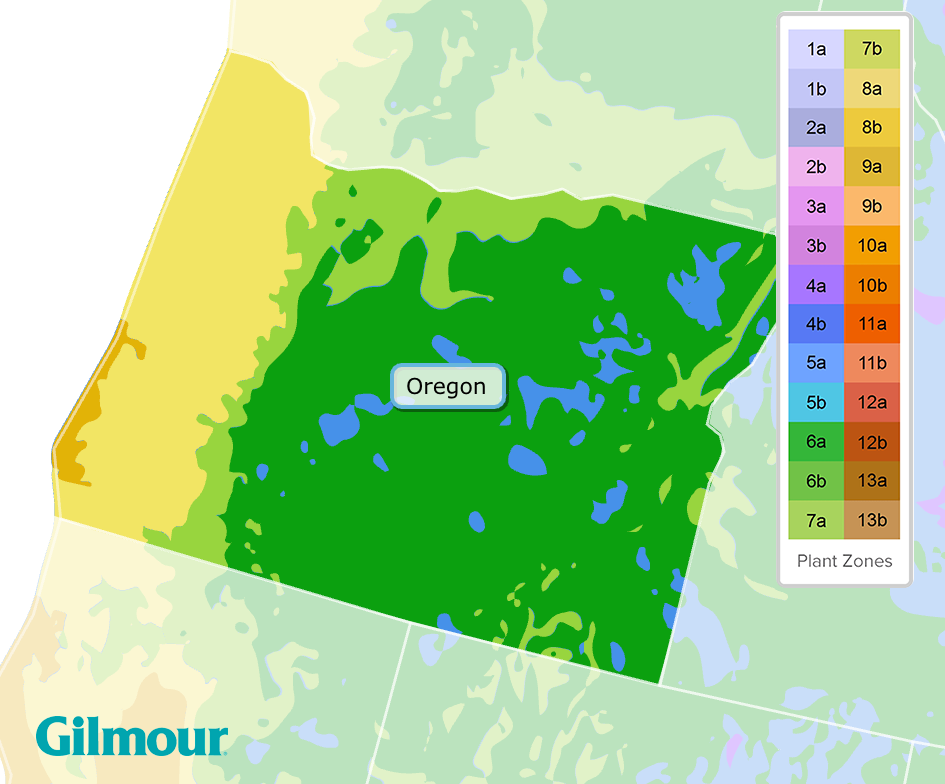
USDA Plant Hardiness Zone 8b
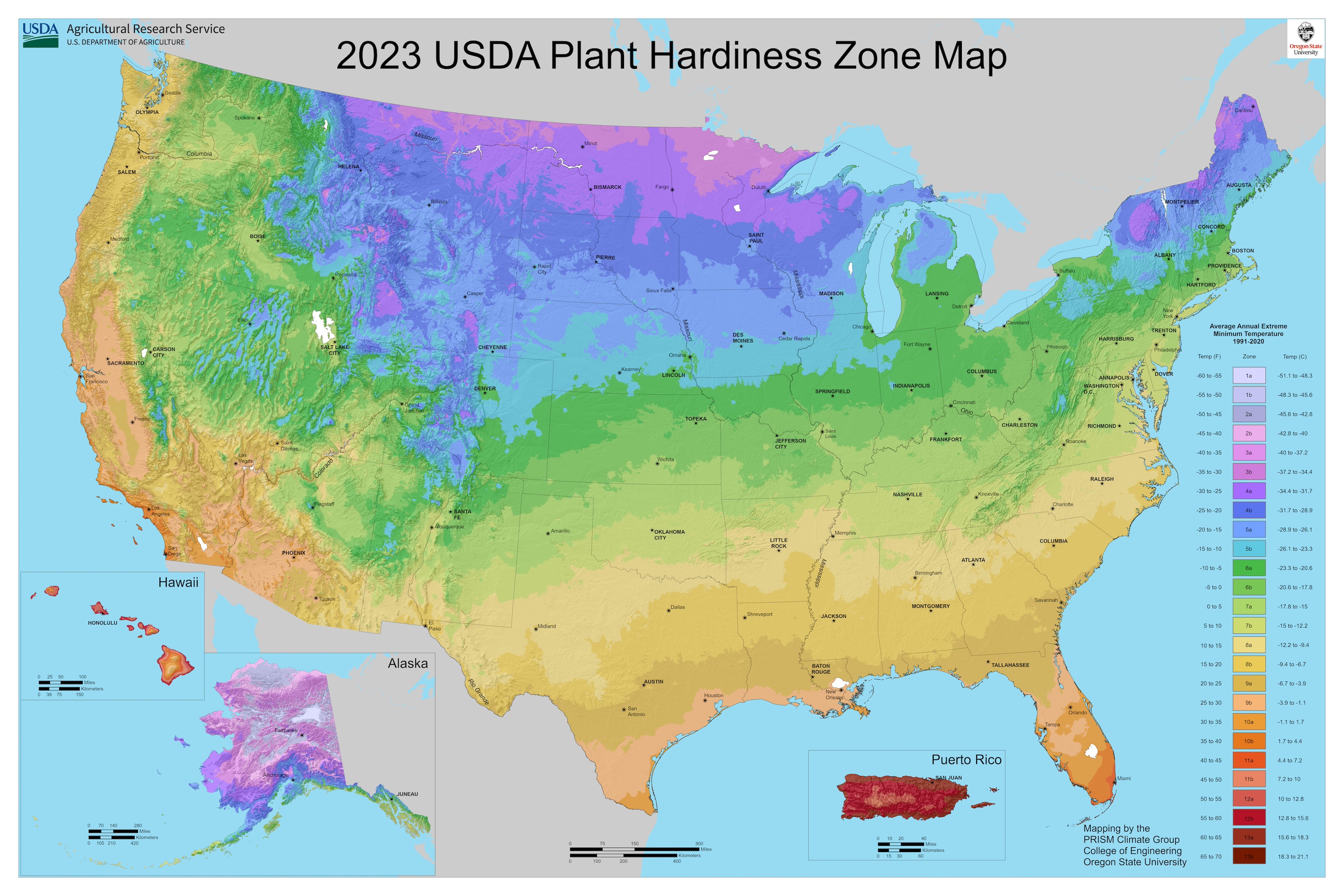
For gardening enthusiasts and those interested in the natural environment, Portland falls predominantly within USDA Plant Hardiness Zone 8b. This classification indicates the average annual extreme minimum winter temperature, which for Zone 8b is between 15°F to 20°F (-9.4°C to -6.7°C). What does this mean for visitors? It explains why Portland is such a verdant city, capable of supporting a vast array of plant life that might struggle in colder regions.
The mild winters and ample rainfall foster an environment where camellias, rhododendrons, hostas, and countless other temperate-zone plants thrive. This botanical richness is evident in Portland’s numerous parks and gardens. Beyond the iconic International Rose Test Garden, you’ll find the serene Japanese Garden and the exquisite Lan Su Chinese Garden, both showcasing species that flourish in Zone 8b. The city’s streets are often lined with mature trees, and even residential areas boast impressively cultivated yards. This hardiness zone contributes significantly to Portland’s reputation as a green city, making it a delightful destination for nature lovers and those seeking beautiful urban landscapes. Exploring the region’s diverse flora extends beyond the city limits to the majestic Columbia River Gorge, where countless species flourish under the mild climate.
Exploring the City: Public Transit and Neighborhood Zones
Navigating a new city requires understanding its logistical “zones”—how to get around and what distinct areas offer. Portland excels in both, with an efficient public transit system and a mosaic of unique neighborhoods.
Navigating with TriMet: Portland’s Transit System
Portland’s public transportation system, operated by TriMet, is extensive and tourist-friendly, connecting various parts of the metropolitan area. While TriMet does not use a traditional zone-based fare system for individual trips (fares are generally flat rate for a set period), its network effectively divides the city into accessible “transit zones” through its different lines and services. The system comprises buses, the MAX Light Rail, and the Portland Streetcar.
The MAX Light Rail is particularly useful for travelers, offering five colored lines that connect Downtown Portland to the airport, the Oregon Zoo, the Pearl District, and various other neighborhoods and suburbs. The Portland Streetcar provides convenient loops through the central city, linking popular areas like the Pearl District, Downtown, and the Nob Hill shopping area. Many hotels are located within easy walking distance of a MAX or Streetcar stop, making it simple to reach attractions like Powell’s City of Books, Pioneer Courthouse Square, or even popular dining spots in different districts. Tourists can purchase day passes or use the Hop Fastpass card for easy tap-and-go access across the entire TriMet system, seamlessly hopping from one “zone” of interest to another.
Cultural Zones and Vibrant Neighborhoods
Beyond transit lines, Portland truly shines in its distinct “cultural zones”—its neighborhoods, each boasting a unique character, array of attractions, and local lifestyle.
- Downtown Portland: The bustling heart of the city, home to major hotels, corporate offices, and landmark sites like Pioneer Courthouse Square (often called “Portland’s Living Room”). Here you’ll find high-rise architecture, diverse dining, and access to the waterfront.
- Pearl District: Once an industrial area, the Pearl District has transformed into a chic, upscale “zone” known for its art galleries, boutique shops, trendy restaurants, and converted warehouse lofts. Jamison Square with its interactive fountain is a popular spot. It’s also home to the legendary Powell’s City of Books.
- Old Town/Chinatown: Located just north of Downtown, this historic district offers a glimpse into Portland’s past, with its iconic Chinatown Gate, the serene Lan Su Chinese Garden, and the legendary Voodoo Doughnut, often drawing long lines for its unconventional treats.
- Hawthorne District & Belmont: On the east side of the Willamette River, these adjacent neighborhoods form a classic “quirky Portland” zone. They are celebrated for their vintage shops, independent boutiques, numerous food carts, historic theaters, and a distinctly laid-back, bohemian vibe.
- Alberta Arts District: This vibrant “zone” is a hub for creativity and community. Known for its colorful murals, art galleries, unique shops, and diverse restaurants, the Alberta Arts District comes alive during the “Last Thursday” art walk event.
- Mississippi Avenue & Williams Avenue: These parallel streets create a trendy “zone” on the inner North side, brimming with craft breweries, distilleries, fashionable eateries, lively bars, and independent shops. It’s a fantastic area for experiencing Portland’s contemporary food and drink scene, often accompanied by live music.
Each of these neighborhood “zones” offers a unique cultural experience, allowing travelers to tailor their visit to their specific interests—whether that’s high-end shopping, artistic immersion, vintage hunting, or culinary exploration.
Planning Your Stay: Accommodation Zones and Lifestyle Choices
When planning a trip to Portland, selecting the right accommodation “zone” and understanding the city’s lifestyle offerings are paramount to a fulfilling experience.
Choosing the Right “Zone” for Your Accommodation
Portland offers a diverse range of accommodation options, each located in “zones” that cater to different preferences, budgets, and travel styles.
- Luxury & Boutique Hotels: For those seeking upscale comfort and amenities, the Downtown and Pearl District areas are prime “zones.” Here you’ll find exquisite properties like The Nines, a Luxury Collection Hotel, known for its sophisticated style, or the historic Sentinel Hotel, offering timeless elegance. Boutique hotels like Hotel Lucia or Jupiter NEXT (on the east side) provide a unique, design-focused experience with personalized service. These zones are ideal for business travelers, couples, or those who appreciate being in the heart of the action, close to major attractions and fine dining.
- Budget-Friendly Options: Travelers on a tighter budget will find a variety of choices outside the immediate city center, often along transit lines. Areas like the Lloyd District or neighborhoods further east and south offer motels, hostels, and guesthouses. These “zones” provide excellent value, often with easy TriMet access to Downtown and other popular areas.
- Apartment Rentals & Long-Term Stays: For families, groups, or those planning an extended visit, apartment rentals and villas are increasingly popular. These accommodations are typically found in residential “zones” such as the Hawthorne District, Mississippi Avenue area, or even in quieter parts of the Pearl District. They offer the comfort of home, often with kitchens and multiple bedrooms, allowing visitors to immerse themselves more deeply in local life and save on dining costs.
When choosing your accommodation “zone,” consider your primary interests. If you prioritize nightlife and dining, a hotel in the Pearl or along Mississippi Avenue might be best. If you’re focusing on nature and outdoor activities, staying closer to Washington Park or with easy access to the Columbia River Gorge might be more suitable.

Lifestyle Zones: Experience Portland Your Way
Portland’s unique ethos lends itself to several distinct “lifestyle zones,” allowing visitors to craft an experience perfectly aligned with their passions.
- The Foodie Zone: Portland is a culinary paradise, famous for its innovative food scene. Food carts, found in “pods” across the city (like those at SW 10th & Alder or along Hawthorne Boulevard), offer an incredible variety of global cuisines. The city also boasts a thriving farm-to-table restaurant culture, numerous craft breweries, distilleries, and coffee roasters. Exploring these diverse gastronomic “zones” is a journey in itself, from high-end dining in the Pearl District to casual eats in the Alberta Arts District.
- The Nature Lover’s Zone: Despite its urban development, Portland remains incredibly connected to nature. Within minutes, you can be hiking miles of trails in Forest Park, one of the largest urban forests in the United States. Day trips to the stunning waterfalls of the Columbia River Gorge or skiing and snowboarding on Mount Hood are easily accessible, offering outdoor adventure “zones” just beyond the city limits.
- The Arts & Culture Zone: From the galleries and theaters of the Pearl District to the vibrant murals and independent shops of the Alberta Arts District, Portland is rich in artistic expression. Music venues ranging from intimate clubs on Mississippi Avenue to larger concert halls cater to all tastes, making it an ideal “zone” for culture vultures.
- The Shopping Zone: Tax-free shopping in Oregon makes Portland a retail magnet. From the high-end boutiques and well-known brands in the Pearl District and Downtown to the quirky vintage stores along Hawthorne and Belmont, there’s a shopping “zone” for every style and budget.
In conclusion, “What zone is Portland, Oregon?” is a question that opens up a world of discovery. It’s in the Pacific Time Zone, within a temperate climate and USDA Hardiness Zone 8b, traversed by an efficient public transit system, and composed of countless cultural, culinary, and lifestyle “zones” waiting to be explored. Whether you seek vibrant urban energy, serene natural escapes, or a deep dive into its independent spirit, Portland offers a multifaceted experience for every traveler.
LifeOutOfTheBox is a participant in the Amazon Services LLC Associates Program, an affiliate advertising program designed to provide a means for sites to earn advertising fees by advertising and linking to Amazon.com. Amazon, the Amazon logo, AmazonSupply, and the AmazonSupply logo are trademarks of Amazon.com, Inc. or its affiliates. As an Amazon Associate we earn affiliate commissions from qualifying purchases.