
Understanding the legislative landscape of a state is crucial for appreciating its governance, its dedication to its citizens, and ultimately, its place on the national stage. For those interested in the political heartbeat of the Pacific Northwest, particularly Oregon, delving into the identities and roles of its elected officials provides valuable insight. This exploration transcends mere names and titles; it’s about understanding the individuals who champion the diverse interests of Oregonians, from the vibrant urban centers like Portland to the rugged coastlines and expansive agricultural valleys.
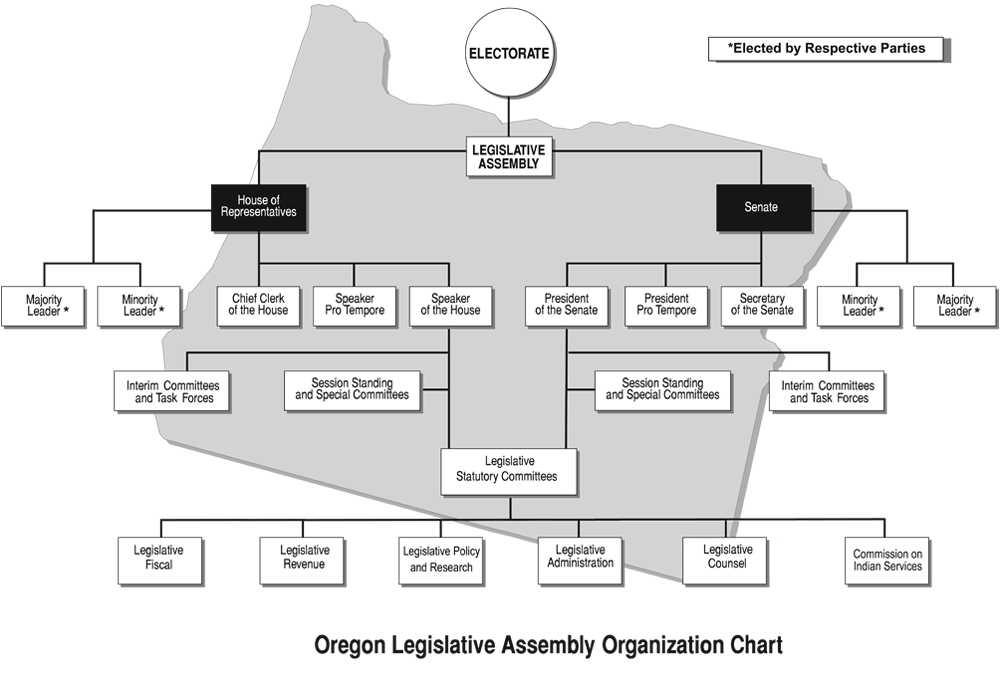
The legislative branch of Oregon’s government is bicameral, consisting of the Oregon State Senate and the Oregon House of Representatives. These bodies work in tandem to craft laws, approve budgets, and provide oversight for state agencies. The representatives and senators are chosen by the people of Oregon through regular elections, ensuring that their voices and concerns are represented in the halls of government. Their work impacts everything from environmental policy and education funding to infrastructure development and healthcare access, shaping the daily lives of everyone within the state.
The Oregon State Senate: A Deliberative Body
The Oregon State Senate is the upper chamber of the Oregon Legislative Assembly. Its members, known as Senators, are elected from districts that are typically larger than those represented by House members. This larger constituency often means Senators represent a broader range of constituents and issues. The Senate’s role is to consider legislation passed by the House, introduce its own bills, and confirm gubernatorial appointments. The deliberative nature of the Senate is often emphasized, providing a space for more in-depth discussion and review of proposed laws.
Leadership and Structure of the Senate
The Senate is led by a President of the Senate, who is typically the longest-serving member of the majority party and is elected by the Senators themselves. The President presides over Senate sessions, maintains order, and has significant influence over the legislative agenda. Other leadership positions include the Majority Leader and Minority Leader, who represent the interests of their respective parties and work to advance their legislative priorities. Committees play a vital role in the Senate’s functioning, with Senators serving on various committees that focus on specific policy areas, such as agriculture, judiciary, education, and natural resources. These committees conduct hearings, review legislation, and make recommendations to the full Senate.
Key Responsibilities and Influence
Senators are entrusted with the significant responsibility of representing their constituents’ interests at the state level. This involves not only voting on legislation but also actively participating in committee work, engaging with stakeholders, and advocating for the needs of their districts. Their influence extends to shaping the state’s budget, setting policy directions, and holding the executive branch accountable. The unique perspectives and experiences that each Senator brings to the table contribute to the richness and diversity of legislative debate and decision-making.
The Oregon House of Representatives: The People’s Voice

The Oregon House of Representatives is the lower chamber of the Oregon Legislative Assembly. Representatives are elected from smaller, more numerous districts, meaning they often have a more direct and intimate connection with their constituents. The House has the power to initiate legislation, particularly revenue-generating bills, and to impeach state officials. Its members are seen as the direct voice of the people, reflecting the immediate concerns and aspirations of their communities.
Leadership and Operational Flow of the House
Similar to the Senate, the House of Representatives is led by a Speaker of the House, who is elected by the representatives and holds considerable power over the legislative process. The Speaker controls floor debate, assigns bills to committees, and influences the overall agenda. Majority and Minority Leaders also play crucial roles in orchestrating their parties’ legislative strategies. The House operates through a system of committees, mirroring the Senate’s structure, allowing for specialized consideration of legislation across various policy domains, from healthcare to transportation.
Direct Representation and Legislative Impact
Representatives are deeply embedded within their districts, often maintaining active communication channels with their constituents through town halls, constituent services, and regular engagement. This direct line of communication ensures that the concerns and priorities of local communities are brought to the forefront of legislative discussion. The collective work of the House representatives shapes the laws and policies that govern Oregon, impacting areas such as public safety, economic development, and social services. Their proximity to their districts underscores their role as primary conduits for the people’s will in the legislative process.
Understanding Representation in Oregon
The representatives and senators of Oregon are more than just names on a ballot; they are individuals entrusted with the profound responsibility of governing. They are elected from distinct districts, each with its own unique demographics, economic drivers, and social fabric. This geographical and demographic diversity is reflected in the makeup of the Legislative Assembly, bringing a wide array of perspectives and priorities to the table. Understanding who these individuals are, where they come from, and what issues are important to their constituents is key to understanding the legislative direction of the state.
The Role of Districts in Representation
Oregon’s legislative districts are drawn to ensure roughly equal population representation in both chambers. However, the character of these districts can vary dramatically. Some districts encompass densely populated urban areas like Eugene or Salem, while others span vast rural landscapes, agricultural regions, or coastal communities. This variation means that the challenges and priorities faced by representatives and senators can differ significantly from one district to another. A senator representing a predominantly agricultural district, for instance, may focus heavily on issues related to farming, water rights, and land use, while a representative from an urban district might prioritize affordable housing, public transit, and economic diversification.

Engaging with Your Oregon Legislators
For Oregonians, understanding their representatives and senators is not just an academic exercise; it’s a fundamental aspect of civic engagement. Knowing who represents you allows you to effectively communicate your concerns, advocate for your interests, and participate in the democratic process. Websites like the official Oregon Legislative Information System (OLIS) provide comprehensive directories of all representatives and senators, including their contact information, committee assignments, and voting records. Attending town hall meetings, writing letters, or sending emails are all effective ways to engage with your elected officials and make your voice heard. This active participation ensures that the legislative process remains responsive to the needs and desires of the people of Oregon.
LifeOutOfTheBox is a participant in the Amazon Services LLC Associates Program, an affiliate advertising program designed to provide a means for sites to earn advertising fees by advertising and linking to Amazon.com. Amazon, the Amazon logo, AmazonSupply, and the AmazonSupply logo are trademarks of Amazon.com, Inc. or its affiliates. As an Amazon Associate we earn affiliate commissions from qualifying purchases.