
Walt Disney World Resort in Orlando, Florida, isn’t just a theme park; it’s an entire universe of entertainment, accommodation, and curated experiences, sprawling across a landmass so vast it’s often compared to major global cities. For first-time visitors and seasoned travelers alike, grasping the sheer scale of this iconic destination is crucial for planning an unforgettable trip. It’s more than just a collection of rides and shows; it’s a meticulously designed ecosystem that redefines the concept of a travel destination, encompassing everything from luxury resorts to diverse dining, world-class attractions to intricate transportation networks.
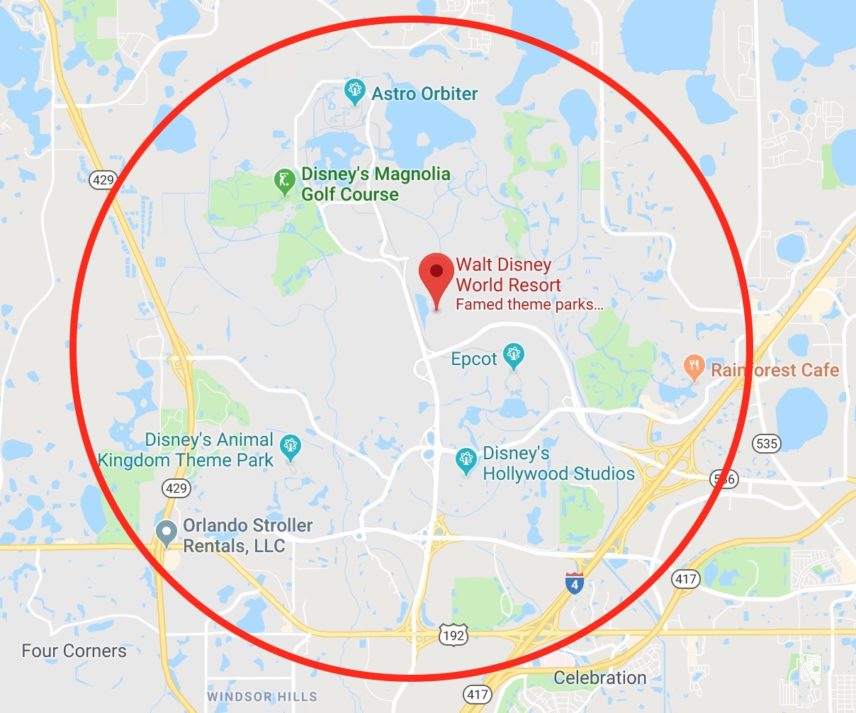
When people ask, “How big is Disney World Orlando?” the simple answer—27,000 acres—barely scratches the surface of its complexity and grandeur. To truly understand its magnitude, one must look beyond the numbers and delve into the myriad components that make up this colossal empire, which functions as a self-contained city dedicated to tourism and hospitality. It’s a place where meticulous planning meets boundless imagination, offering a spectrum of experiences that cater to every lifestyle, from budget-conscious families to those seeking the pinnacle of luxury travel.
The Staggering Scale: Unpacking Disney World’s Footprint
The official measurement for Walt Disney World Resort is approximately 27,000 acres, or about 43 square miles. To put this into perspective, this makes it roughly the size of San Francisco or twice the size of Manhattan. It’s also significantly larger than other Disney properties worldwide, for example, the entire Disneyland Resort in California could fit inside just one of Disney World’s parking lots. This immense size isn’t accidental; it was a deliberate choice by Walt Disney himself, who sought enough land to build a complete, immersive environment, free from external influences, learning lessons from the smaller scale of Disneyland.
This sprawling landscape isn’t just empty space; it’s carefully utilized to create distinct zones, each contributing to the overall guest experience. From the bustling energy of its theme parks to the serene ambiance of its natural conservation areas, the resort is a testament to meticulous urban planning and environmental stewardship. A significant portion of the land is dedicated to conservation and undeveloped areas, ensuring that the magic exists within a balanced ecosystem, a facet often overlooked when discussing the resort’s immense size. This commitment to both entertainment and ecology highlights Disney’s holistic approach to developing world-class travel destinations. The sheer logistics of managing such an expansive property require advanced infrastructure, including power plants, waste management facilities, and an extensive network of roads and waterways, all operating seamlessly to support the millions of guests who visit annually.
A Historic Undertaking in Central Florida
The acquisition of land for what was then known as “The Florida Project” began in the 1960s, shrouded in secrecy to prevent skyrocketing real estate prices. Various dummy corporations quietly bought up vast tracts of swamp and agricultural land in the largely undeveloped Central Florida region. This clandestine operation ensured that Disney could secure the enormous parcel needed to bring Walt Disney’s vision of an Experimental Prototype Community of Tomorrow (EPCOT) – and a full resort – to life.
The establishment of the Reedy Creek Improvement District in 1967, a special taxing district that granted Disney self-governing powers, further enabled the development of this colossal project. This unique arrangement allowed Disney to manage its own municipal services, including planning, infrastructure, and emergency services, contributing significantly to the resort’s ability to operate as a cohesive, independent entity within the state of Florida. This governmental autonomy was crucial in facilitating the rapid and organized development of the massive property, transforming what was once a remote marshland into one of the world’s most famous landmarks and a premier global tourism hub. It’s a prime example of how ambitious planning and unique governance can shape the very landscape of travel and tourism.
Beyond Theme Parks: A Self-Contained Universe
While the four main theme parks are undoubtedly the crown jewels of Walt Disney World Resort, they represent only a fraction of its vast acreage and diverse offerings. The resort functions as a complete vacation destination, a self-contained universe designed to keep visitors immersed in the magic from arrival to departure, providing a holistic experience that covers all aspects of travel, accommodation, and entertainment.
The Four Iconic Theme Parks
Each of Disney World’s four theme parks is a destination in itself, offering distinct themes, attractions, and cultural experiences.
- Magic Kingdom Park: The original park, home to the iconic Cinderella Castle and beloved lands like Fantasyland, Adventureland, and Tomorrowland. It epitomizes classic Disney magic and nostalgia, making it a must-visit for families and those seeking timeless entertainment. Its intricate layout and numerous attractions require a full day, if not more, to fully explore.
- Epcot: A celebration of human ingenuity and cultural diversity, divided into World Showcase and World Discovery, World Nature, and World Celebration. World Showcase features pavilions representing 11 countries, offering unique dining, shopping, and cultural experiences that transport visitors around the globe, making it a culinary and cultural landmark.
- Disney’s Hollywood Studios: Dedicated to the magic of movies and television, featuring thrilling attractions like Twilight Zone Tower of Terror and the incredibly immersive Star Wars: Galaxy’s Edge. It’s a vibrant hub for film enthusiasts and adventure seekers, offering a glimpse behind the scenes of cinematic storytelling.
- Disney’s Animal Kingdom Theme Park: A unique blend of theme park and zoological park, focusing on natural environment and animal conservation. Its centerpiece, the Tree of Life, is an architectural marvel. The expansion of Pandora – The World of Avatar adds another layer of immersive storytelling and breathtaking landscapes, blurring the lines between fiction and reality.
Water Parks, Shopping, and Entertainment Districts
Beyond the main gates, Walt Disney World offers even more avenues for entertainment and relaxation.
- Water Parks: Two distinct water parks provide refreshing fun: Disney’s Blizzard Beach, themed as a melting ski resort, and Disney’s Typhoon Lagoon, designed as a tropical paradise struck by a typhoon. Both offer thrilling slides, wave pools, and lazy rivers, perfect for a break from the theme park hustle.
- Disney Springs: This vibrant entertainment, dining, and shopping district is a destination in itself. It’s home to world-class restaurants, unique boutiques, live entertainment venues, and a bustling atmosphere. Disney Springs offers an array of experiences that appeal to all ages, providing a relaxed yet exciting alternative to the parks, and is a prime example of urban tourism within the resort.
- ESPN Wide World of Sports Complex: A premier multi-sport venue that hosts amateur and professional sporting events throughout the year. This complex showcases Disney’s commitment to diverse forms of entertainment, extending its reach beyond traditional theme park attractions.
A World of Accommodation: Disney Resorts

One of the most defining aspects of Walt Disney World’s scale is its extensive collection of themed hotels and resorts. With over 25 Disney-owned and operated resorts, plus several non-Disney properties on site like the Walt Disney World Swan and Dolphin hotels, accommodation options are plentiful and cater to every budget and lifestyle. These resorts are not merely places to sleep; they are integral parts of the Disney experience, each meticulously themed and offering unique amenities, dining, and transportation options.
- Value Resorts: Designed for budget-conscious travelers, offering themed rooms and basic amenities. Examples include Disney’s All-Star Movies Resort, Disney’s All-Star Music Resort, Disney’s All-Star Sports Resort, Disney’s Pop Century Resort, and Disney’s Art of Animation Resort. They provide vibrant, family-friendly environments with larger-than-life theming.
- Moderate Resorts: Striking a balance between value and amenities, these resorts offer more elaborate theming, larger rooms, and additional dining and recreation options. Popular choices include Disney’s Caribbean Beach Resort, Disney’s Port Orleans Resort (Riverside and French Quarter), and Disney’s Coronado Springs Resort.
- Deluxe Resorts: Offering the pinnacle of luxury travel, these resorts feature prime locations, often within walking distance or a short monorail ride to a park, exquisite dining, extensive amenities, and unparalleled service. Examples include Disney’s Grand Floridian Resort & Spa, Disney’s Polynesian Village Resort, Disney’s Contemporary Resort, Disney’s Wilderness Lodge, Disney’s Animal Kingdom Lodge, Disney’s BoardWalk Inn, Disney’s Yacht Club Resort, and Disney’s Beach Club Resort.
- Deluxe Villas (Disney Vacation Club): These offer home-away-from-home experiences with studios, 1-, 2-, and 3-bedroom villas, complete with kitchens and laundry facilities, ideal for longer stays or larger families. They are often integrated into Deluxe Resorts.
Staying at a Walt Disney World Resort hotel provides unique perks, such as early park entry and seamless transportation options, further integrating accommodation into the overall travel experience. The sheer volume and variety of hotels underscore the resort’s commitment to catering to a diverse global clientele, making it a leader in the hotels and accommodation sector.
The Logistics of a Mega-Resort: Infrastructure and Operations
The immense size of Walt Disney World necessitates an equally massive and efficient infrastructure to keep its operations running smoothly, 24/7. This complex logistical network is arguably one of the most impressive, yet often unseen, aspects of the resort.
A Symphony of Transportation
Given its sprawling nature, internal transportation is paramount. Disney World boasts one of the most comprehensive private transportation systems in the world.
- Buses: An extensive fleet of buses connects all resort hotels, theme parks, water parks, and Disney Springs.
- Monorail: The iconic Walt Disney World Monorail System provides direct access to Magic Kingdom Park, Epcot, and several Deluxe Resorts.
- Skyliner: The relatively new Disney Skyliner gondola system offers aerial transportation between Epcot, Disney’s Hollywood Studios, and several Moderate and Value resorts.
- Boats and Ferries: Watercraft provide scenic routes, connecting some resorts to theme parks and Disney Springs.
This robust network ensures that guests can navigate the vast property efficiently, enhancing their travel experience and minimizing the stress of getting from one attraction to another.
Backstage Magic and Cast Members
Behind the scenes, an intricate “backstage” area, often referred to as the Utilidors beneath Magic Kingdom, supports the magic on stage. This hidden world includes facilities for garbage disposal, electrical systems, costume departments, and food preparation, all designed to keep the guest-facing areas pristine and magical.
The sheer scale of operations requires an enormous workforce. Walt Disney World is one of the largest single-site employers in the United States, with tens of thousands of “Cast Members” working across all facets of the resort, from attractions and retail to hotels and maintenance. Their dedication is fundamental to maintaining the high standards of service and immersive storytelling that Disney is known for. This commitment to human resources highlights the complex human element behind such a massive tourism operation.
Planning Your Expedition: Navigating the Immense Magic
Given its monumental size and the sheer volume of attractions and experiences, planning a trip to Walt Disney World requires careful consideration. It’s not a destination you can simply “wing,” especially if you aim to maximize your enjoyment and avoid being overwhelmed.
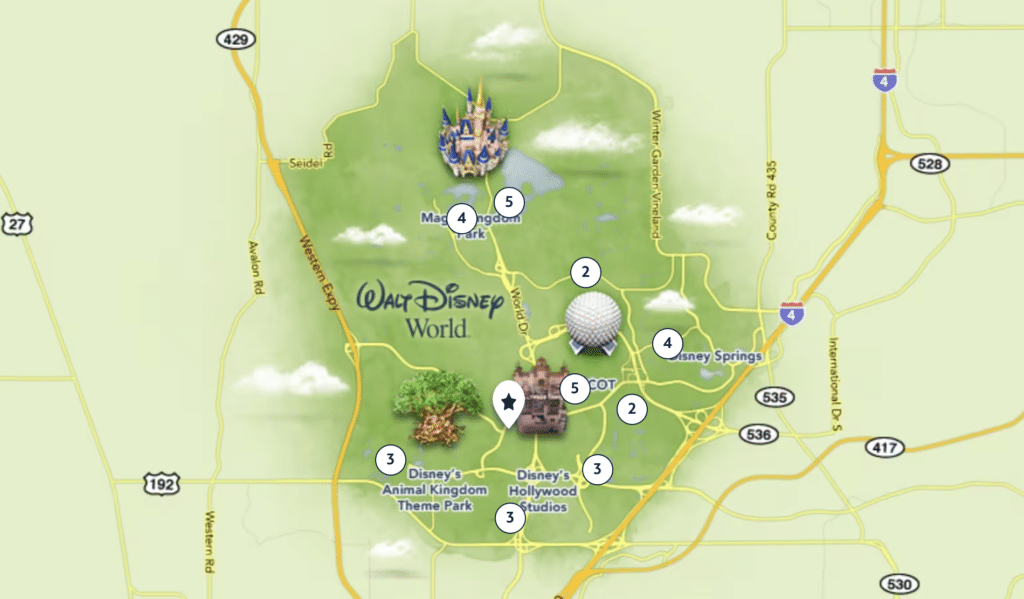
Tips for First-Timers and Seasoned Travelers
- Multi-Day Tickets: Investing in multi-day tickets is essential. It’s practically impossible to experience even a fraction of what the resort offers in a single day, or even two. Many travelers opt for 4-day to 7-day tickets, often adding the “park hopper” option to visit multiple parks in one day.
- Resort Stays: Staying at a Walt Disney World Resort hotel is highly recommended due to the convenience of transportation and early entry benefits. Comparing resorts based on your lifestyle – whether you’re seeking luxury travel, a budget-friendly family trip, or something in between – is crucial.
- Advance Planning: Utilize online resources and the My Disney Experience app to plan your days, make dining reservations, and book Genie+ or Individual Lightning Lane selections for popular attractions. This foresight will save precious time and reduce stress, turning potential logistical nightmares into seamless magical moments.
- Pace Yourself: With so much to see and do, it’s easy to get caught up in the desire to do it all. Remember that Walt Disney World is a marathon, not a sprint. Schedule rest days, enjoy your resort’s amenities, and allow for spontaneous moments to truly absorb the atmosphere.
- Consider Diverse Lifestyles: Whether you’re a couple looking for romantic dining and upscale experiences, a family with young children needing character meet-and-greets, or an individual seeking thrilling rides, Disney World caters to every preference. Researching specific activities that align with your travel lifestyle will enhance your trip. For example, foodies will find Epcot’s World Showcase an absolute delight for culinary tourism.
Understanding the size and scope of Walt Disney World is the first step in unlocking its magic. It’s a testament to human imagination and logistical genius, a true landmark in the world of travel and tourism. Each visit unveils new layers of its grandeur, ensuring that every trip is as unique and memorable as the last.
In conclusion, Walt Disney World Orlando is far more than just a theme park; it is a monumental, 27,000-acre resort complex that has redefined modern tourism and family travel. Its vastness, encompassing four world-class theme parks, two water parks, a sprawling entertainment district, numerous golf courses, and over two dozen themed hotels, positions it as a premier global destination. From the iconic Cinderella Castle to the intricate transportation systems, every element of this colossal landmark is designed to create an unparalleled immersive experience. Understanding its immense size is not just about appreciating its scale, but also about recognizing the depth of planning required to navigate its wonders, ensuring that every traveler, regardless of their lifestyle or budget, can find their own slice of magic within this extraordinary Florida paradise.
LifeOutOfTheBox is a participant in the Amazon Services LLC Associates Program, an affiliate advertising program designed to provide a means for sites to earn advertising fees by advertising and linking to Amazon.com. Amazon, the Amazon logo, AmazonSupply, and the AmazonSupply logo are trademarks of Amazon.com, Inc. or its affiliates. As an Amazon Associate we earn affiliate commissions from qualifying purchases.