
The Sunshine State of Florida is renowned for its diverse appeal, drawing millions of visitors each year to its pristine beaches, vibrant cities, and world-class theme parks. Among its most popular destinations are Tampa, a bustling city on the Gulf Coast, and Orlando, the undisputed theme park capital of the world. For many travelers, the question isn’t whether to visit these iconic cities, but how to seamlessly navigate between them to maximize their Florida experience.
Whether you’re planning a multi-city adventure, a day trip, or considering where to base your Florida vacation, understanding the distance, travel time, and various transportation options between Tampa and Orlando is crucial. This comprehensive guide will explore everything you need to know, from the practicalities of travel to the incredible attractions awaiting you in each destination, ensuring your journey is as smooth and enjoyable as possible.

The Distance Between Tampa and Orlando
One of the most frequently asked questions by visitors to Central Florida is concerning the proximity of Tampa to Orlando. Fortunately, these two major hubs are quite close, making inter-city travel a convenient option for tourists and locals alike.
By Road (Driving Distance and Time)
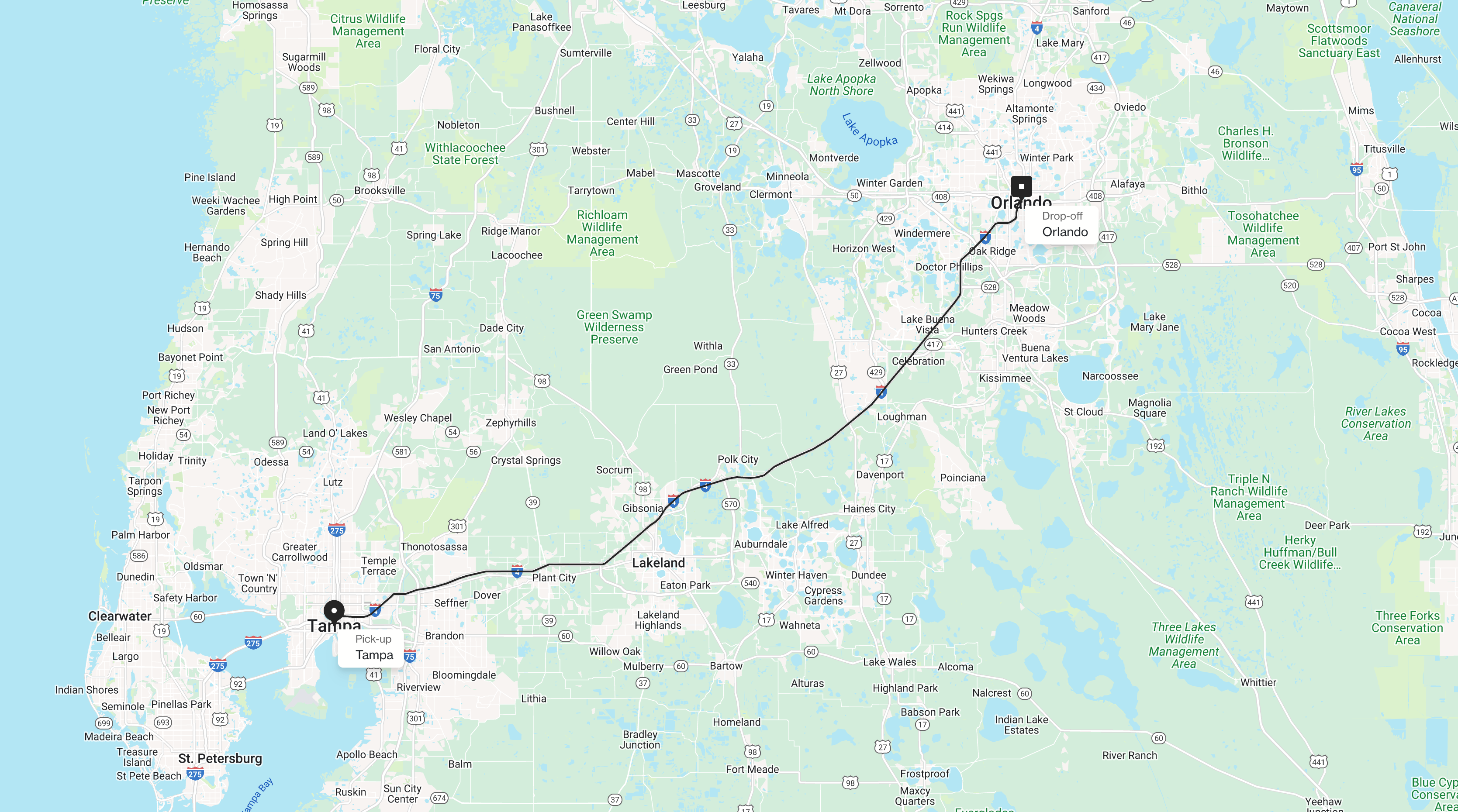
The most common and efficient way to travel between Tampa and Orlando is by road. The primary route connecting these two cities is Interstate 4 (I-4), a straight shot across the middle of the state.
The typical driving distance from downtown Tampa to downtown Orlando is approximately 85 to 90 miles (137 to 145 kilometers). This can vary slightly depending on your exact starting and ending points within each metropolitan area. For instance, if you’re traveling from the Tampa International Airport to the Orlando International Airport, the distance is roughly 80 miles. If your destination in Orlando is closer to the theme parks, such as the Walt Disney World Resort or Universal Orlando Resort area, the distance from Tampa might be slightly less, around 75 miles.
As for travel time, under ideal conditions with light traffic, the drive can take anywhere from 1 hour and 15 minutes to 1 hour and 45 minutes. However, it’s crucial to factor in potential traffic congestion, especially during peak travel times. Weekday rush hours (7-9 AM and 4-6 PM) and weekend afternoons, particularly Friday evenings and Sunday afternoons, can significantly extend travel times. During these periods, the journey could stretch to 2 hours or even longer. Construction along I-4, particularly the ongoing “I-4 Ultimate” project, can also cause delays, so it’s always wise to check real-time traffic updates using navigation apps like Google Maps or Waze before you depart.
While I-4 is the most direct route, there are alternative options, though they typically add to the distance and travel time. One such alternative involves taking Florida’s Turnpike for a portion of the journey, which is a toll road but can sometimes offer a smoother ride with less traffic. However, for most travelers between Tampa and Orlando, I-4 remains the fastest and most straightforward choice.
As the Crow Flies (Air Distance)
While not a practical means of ground transportation, understanding the air distance can provide a clearer perspective on the cities’ geographical proximity. The straight-line distance, or “as the crow flies,” between Tampa and Orlando is approximately 74 miles (119 kilometers). This measurement highlights just how close these two major Florida cities are, reinforcing why ground transportation is so efficient.
Choosing Your Mode of Transportation
With the distance established, the next consideration is how you’ll make the journey. Several transportation methods are available, each offering a unique balance of cost, convenience, and travel experience.
Driving – The Most Popular Option
Driving your own car or a rental remains the preferred choice for the majority of travelers between Tampa and Orlando.
- Flexibility and Convenience: Having your own vehicle offers unparalleled freedom to depart and arrive on your own schedule. It also allows for easy access to various attractions once you reach your destination, particularly in Orlando where theme parks are spread out, and in Tampa for exploring different neighborhoods like Ybor City or nearby beaches like Clearwater Beach and St. Pete Beach.
- Rental Cars: If you’re flying into one of Florida’s airports, renting a car is a straightforward process. Major rental companies like Enterprise, Hertz, and Avis have numerous locations at both Tampa International Airport and Orlando International Airport, as well as downtown offices.
- Tolls and Parking: While I-4 itself is largely toll-free for this stretch, some alternative routes or specific exits might involve tolls. It’s advisable to have a SunPass or consider a rental car package that includes toll transponders. Parking can be a significant expense, especially at Orlando’s theme parks and in downtown areas of both cities. Factor these costs into your budget.
Bus Services – Economical and Convenient
For those looking for a more budget-friendly option or wishing to avoid driving, bus services offer a viable alternative.
- Operators: Companies like Greyhound and FlixBus operate multiple daily routes between Tampa and Orlando.
- Travel Time and Cost: Bus journeys typically take longer than driving, often ranging from 2 to 3 hours, due to scheduled stops and varying routes. However, ticket prices are generally very affordable, making it an attractive option for solo travelers or those on a tight budget.
- Arrival/Departure Points: Buses usually depart from and arrive at central terminals, such as the Tampa Bus Terminal and the Orlando Bus Terminal, which may require additional transportation to reach your final destination.
Train Travel – A Scenic Alternative
Train travel offers a relaxing and often more scenic way to journey between cities, though it’s not always the fastest.
- Amtrak: Amtrak provides service between Tampa and Orlando via its Silver Service and Palmetto routes.
- Stations: Trains depart from Tampa Union Station and arrive at the Orlando Station, both located near the respective city centers.
- Duration and Experience: While a relaxing way to travel, train journeys can be longer than driving, often taking around 2 hours, as the routes are not as direct as the interstate. It’s more about the journey experience than speed.
Ridesharing and Shuttles
For door-to-door convenience without the hassle of driving, ridesharing services and private shuttles are excellent choices.
- Ridesharing Apps: Services like Uber and Lyft are readily available in both cities. You can book a ride directly from your location in Tampa to any destination in Orlando. This option offers flexibility but can be more expensive than buses, especially during surge pricing.
- Private Shuttle Services: Several companies offer dedicated shuttle services, particularly useful for airport transfers between Tampa International Airport and Orlando International Airport, or for groups. These can be pre-booked and offer comfort, though they tend to be the most expensive option.
Making the Most of Your Journey: Things to See and Do
The short distance between Tampa and Orlando makes it incredibly easy to experience the best of both worlds. Each city boasts a unique array of attractions that cater to every interest, from thrill-seekers and nature lovers to culture enthusiasts and foodies.
Exploring Orlando’s Wonders
Orlando is globally recognized for its spectacular theme parks, offering endless entertainment for families and adults alike.
- Theme Parks Galore:
- Walt Disney World Resort: Home to four incredible theme parks – Magic Kingdom, Epcot, Hollywood Studios, and Animal Kingdom – along with water parks, dining, and shopping. It’s a destination in itself.
- Universal Orlando Resort: Featuring Universal Studios Florida, Islands of Adventure (where you’ll find The Wizarding World of Harry Potter), and the water theme park Volcano Bay.
- SeaWorld Orlando: Combining marine life shows, thrilling rides, and educational exhibits.
- Beyond the Parks:
- International Drive: A bustling stretch filled with restaurants, shops, smaller attractions, and entertainment venues like ICON Park.
- Kennedy Space Center Visitor Complex: A fantastic educational day trip, located about an hour’s drive east of Orlando, offering insights into America’s space program.
Discovering Tampa’s Treasures
Tampa, while not as dominated by theme parks, offers a vibrant urban experience with a rich history, diverse culture, and stunning waterfront.
- Adventure and Wildlife:
- Busch Gardens Tampa Bay: An African-themed animal park featuring thrilling roller coasters, live shows, and extensive animal habitats.
- The Florida Aquarium: A state-of-the-art facility showcasing Florida’s diverse aquatic ecosystems and global marine life.
- Culture and History:
- Tampa Riverwalk: A picturesque 2.6-mile pedestrian pathway along the Hillsborough River and Tampa Bay, connecting parks, museums, and restaurants.
- Ybor City: A historic district known for its Cuban cigar-making heritage, vibrant nightlife, unique architecture, and delicious Cuban cuisine.
- Beaches: Just a short drive from Tampa, you’ll find some of Florida’s most beautiful Gulf Coast beaches, including Clearwater Beach and St. Pete Beach, perfect for a day of sun and sand.
Accommodation and Travel Planning Tips
To make your trip between Tampa and Orlando as seamless as possible, careful planning for accommodation and other logistics is key.
Where to Stay – Hotels and Resorts
Both Tampa and Orlando offer a vast array of accommodation options to suit every budget and preference.
- Orlando: Given its status as a premier tourist destination, Orlando boasts an enormous selection of hotels and resorts. Options range from budget-friendly choices like Motel 6 and Days Inn to mid-range favorites such as Holiday Inn and Hampton Inn, all the way up to luxurious five-star experiences.
- For the ultimate theme park immersion, consider staying at Disney Resort Hotels or Universal Orlando Hotels, which offer perks like early park access and complimentary transportation.
- Luxury travelers might opt for properties like the Four Seasons Resort Orlando at Walt Disney World Resort or The Ritz-Carlton Orlando, Grande Lakes.
- Many families also find vacation rental apartments or villas a practical choice, especially for longer stays, offering more space and amenities.
- Tampa: Tampa’s accommodation scene is equally diverse, with a focus on downtown, waterfront, and business districts.
- Popular choices include modern downtown hotels such as the Grand Hyatt Tampa Bay or The Tampa EDITION.
- For those visiting Busch Gardens Tampa Bay, there are numerous hotels in that vicinity.
- The nearby beach communities of Clearwater Beach and St. Pete Beach also offer resort-style accommodation if you prefer a coastal stay.

Essential Travel Planning Advice
To ensure a smooth and enjoyable trip, consider these tips:
- Best Time to Visit: Florida experiences distinct seasons. Fall (September to November) and Spring (March to May) generally offer pleasant weather with less humidity and fewer crowds than the peak summer months. Winter is also popular, especially for those escaping colder climates, but theme parks can be busy around holidays.
- Book in Advance: Especially if traveling during peak season or holidays, secure your flights, hotels, and attraction tickets well in advance to avoid disappointment and often save money.
- Budgeting: Factor in all costs: transportation (gas, tolls, rental car, bus/train tickets), parking fees, theme park tickets, dining, and any souvenirs. Florida’s major attractions can be expensive, so plan accordingly.
- Pack Smart: Given Florida’s climate, pack light, breathable clothing, swimwear, sunscreen, hats, and comfortable walking shoes. Even in winter, days can be warm, but evenings might require a light jacket.
- Stay Hydrated: The Florida sun can be intense. Drink plenty of water throughout the day, especially when exploring theme parks or outdoor attractions.
- Use Navigation Apps: For driving, Google Maps or Waze provide real-time traffic updates, helping you navigate any delays on I-4 and find the most efficient route.
The journey between Tampa and Orlando is a short and well-traveled one, connecting two of Florida’s most vibrant and exciting cities. With a distance of approximately 85-90 miles and a driving time of 1.5 to 2 hours, it’s a manageable trip that opens up a world of possibilities for your Florida vacation. Whether you choose the flexibility of driving, the economy of a bus, or the relaxation of a train, you’ll find that bridging the gap between Tampa’s cultural richness and Orlando’s fantasy-filled theme parks is not just easy, but an integral part of an unforgettable Florida adventure. Plan wisely, choose your preferred mode of transport, and get ready to explore the best of what Central Florida has to offer.
LifeOutOfTheBox is a participant in the Amazon Services LLC Associates Program, an affiliate advertising program designed to provide a means for sites to earn advertising fees by advertising and linking to Amazon.com. Amazon, the Amazon logo, AmazonSupply, and the AmazonSupply logo are trademarks of Amazon.com, Inc. or its affiliates. As an Amazon Associate we earn affiliate commissions from qualifying purchases.