
The question of “How far is Tampa, Fl to Orlando, Fl?” is one of the most frequently asked by visitors and residents alike in the Sunshine State. These two vibrant Florida cities represent distinct facets of the state’s allure, with Orlando famed for its world-class theme parks and Tampa celebrated for its dynamic urban core, rich history, and stunning Gulf Coast beaches. The journey between them is a common route for tourists seeking a diverse Florida experience, business travelers connecting major economic hubs, and locals simply exploring their state. Understanding the distance, travel time, and various transportation options is crucial for planning an efficient and enjoyable trip, whether you’re embarking on a family trip, a business stay, or a leisurely vacation.

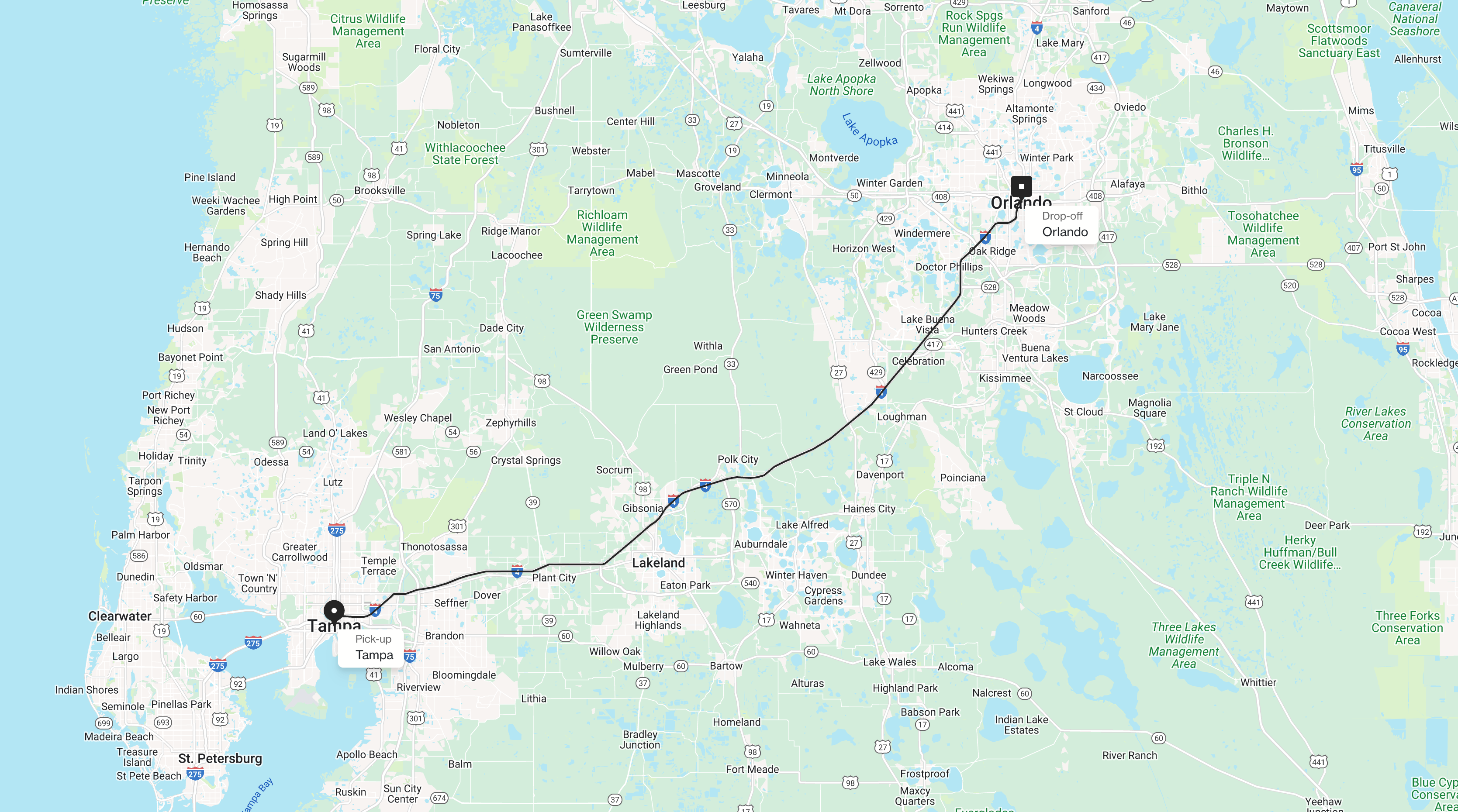
Typically, the distance between downtown Tampa and downtown Orlando is approximately 85-90 miles (around 137-145 kilometers) via the most direct routes. However, this measurement can vary slightly depending on your specific starting and ending points within each metropolitan area. For instance, if you’re traveling from the Tampa International Airport (TPA) to the Orlando International Airport (MCO), the route might differ slightly, as would a trip from a beach resort near Tampa to a theme park in Orlando. On average, a drive between the two cities takes about 1 hour and 30 minutes to 2 hours under ideal traffic conditions. However, traffic, especially on Interstate 4 (I-4), which is the primary artery connecting the cities, can significantly extend travel times, particularly during peak hours, holidays, or due to construction.
Navigating the Tampa-Orlando Corridor: Your Transportation Options
Choosing the right mode of transportation is essential for a smooth journey between Tampa and Orlando. Each option offers distinct advantages in terms of cost, convenience, flexibility, and travel experience.
Driving: The Most Popular Choice
For the vast majority of travelers, driving is the preferred method of travel between Tampa and Orlando. The route is straightforward, primarily involving I-4 eastbound from Tampa to Orlando, or westbound in the opposite direction.
- Pros:
- Flexibility: You control your schedule, making stops as desired. This is particularly appealing for family trips with children or for those who want to explore attractions just off the main highway.
- Convenience: Having a car allows for easy access to various attractions in both cities, many of which are spread out.
- Cost-Effective for Groups: For multiple travelers, sharing fuel costs often makes driving the most economical option.
- Cons:
- Traffic: As mentioned, I-4 can experience significant congestion, especially around downtown Orlando and the theme park areas.
- Tolls: While I-4 itself is mostly toll-free, some optional express lanes or connecting highways might have tolls.
- Parking: Finding and paying for parking can be an issue, especially in popular tourist areas or downtown districts.
For those renting a car, both TPA and MCO offer numerous car rental agencies. It’s advisable to book in advance, especially during peak travel seasons, to secure the best rates and vehicle availability. Consider a SunPass or E-Pass for cashless toll payments to streamline your journey.
Public and Private Transportation Alternatives
For travelers who prefer not to drive, or who are looking for more sustainable or relaxing options, several alternatives are available.
- Bus Services: Companies like Greyhound and FlixBus offer intercity bus services between Tampa and Orlando.
- Pros: Often the most budget travel friendly option. You can relax, work, or sleep during the journey.
- Cons: Longer travel times due to multiple stops. Less flexibility in schedule and drop-off points.
- Train Services: Amtrak provides train service connecting Tampa to Orlando with routes like the Silver Star and Silver Meteor.
- Pros: A more scenic and comfortable way to travel, often with amenities like dining cars and Wi-Fi. Avoids traffic entirely.
- Cons: Limited schedules and stations. Travel time can be comparable to driving due to stops, and tickets can be more expensive than bus fares.
- Future Prospects: The new Brightline high-speed rail service, currently connecting Orlando to South Florida, has plans for expansion to Tampa, which promises to revolutionize travel between these two cities in the coming years, offering a much faster and more convenient rail option.
- Shuttle Services and Ride-Shares: Private shuttle services (e.g., Mears Transportation, Airport Shuttle of Orlando) and ride-sharing apps (Uber, Lyft) are readily available.
- Pros: Door-to-door service, making it very convenient, especially for airport transfers or for those without a rental car.
- Cons: Can be more expensive than a rental car, especially for solo travelers. Ride-sharing prices fluctuate based on demand.
Beyond the Distance: Why Travel the Tampa-Orlando Corridor?
The journey between Tampa and Orlando isn’t just about covering miles; it’s about connecting two distinct Florida experiences that appeal to a wide range of lifestyles and interests.
Orlando’s Theme Park Magic and Entertainment Hub
Orlando is synonymous with world-renowned theme parks, making it a top global destination for family trips and adventure seekers.
- Walt Disney World Resort: Home to Magic Kingdom, Epcot, Hollywood Studios, and Animal Kingdom, plus water parks and extensive dining and entertainment options.
- Universal Orlando Resort: Features Universal Studios Florida, Islands of Adventure (including The Wizarding World of Harry Potter), and Volcano Bay water park.
- SeaWorld Orlando: Offers marine life shows, thrill rides, and animal encounters.
- Beyond the parks, Orlando boasts a thriving dining scene along International Drive, premium shopping at Orlando Premium Outlets and the Mall at Millenia, and cultural landmarks like the Dr. Phillips Center for the Performing Arts. It’s also a major convention city, driving significant business stays.
Tampa’s Coastal Charms, Culture, and Urban Appeal
Tampa, on the other hand, offers a rich blend of history, local culture, and modern urban amenities, appealing to those looking for diverse experiences away from the theme park crowds.
- Busch Gardens Tampa Bay: While Orlando has its theme parks, Tampa proudly hosts Busch Gardens Tampa Bay, a unique blend of thrilling rides, animal encounters, and live shows.
- Ybor City: A historic district known for its Cuban cigar-making heritage, vibrant nightlife, unique shops, and delicious food. It’s a National Historic Landmark.
- Riverwalk: The scenic Tampa Riverwalk offers pedestrian access to downtown attractions like the Florida Aquarium, Sparkman Wharf, and the Tampa Museum of Art.
- Beaches: Just a short drive from Tampa are some of Florida’s most beautiful beaches, including Clearwater Beach and St. Pete Beach, perfect for relaxation and water sports.
- Sports: Tampa is a hub for professional sports, home to the Tampa Bay Buccaneers (NFL) at Raymond James Stadium and the Tampa Bay Lightning (NHL) at Amalie Arena.
- Cruises: Port Tampa Bay is a major cruise port, and many travelers combine their Tampa-Orlando trip with a cruise vacation. Similarly, Port Canaveral on the Atlantic Coast is accessible from Orlando.
The appeal of the Tampa-Orlando connection lies in its ability to offer a comprehensive Florida experience, from magical theme park thrills to laid-back beach days and vibrant urban exploration. Many visitors fly into one airport (TPA or MCO) and depart from the other, utilizing the convenient intercity travel options to maximize their itinerary.
Accommodation and Lifestyle for Your Tampa-Orlando Journey
Whether you’re planning a luxury travel escape or a budget-friendly adventure, both Tampa and Orlando offer a vast array of accommodation options to suit every preference and need.
Hotels and Resorts in Orlando
Orlando’s accommodation scene is dominated by properties catering to the theme park visitor, from expansive resorts with extensive amenities to budget hotels and vacation rentals.
- Luxury Resorts: Properties like the Four Seasons Resort Orlando at Walt Disney World Resort, Ritz-Carlton Orlando, Grande Lakes, or Waldorf Astoria Orlando offer unparalleled luxury travel experiences, including golf courses, spas, and gourmet dining.
- Theme Park Hotels: Staying at an on-site Walt Disney World Resort or Universal Orlando Resort hotel provides perks like early park access and complimentary transportation. Options range from value resorts to deluxe resorts and suites.
- International Drive and Convention Center Hotels: A wide selection of hotels, including Hyatt Regency Orlando and Rosen Shingle Creek, cater to both tourists and business stays, offering convenience to attractions and convention centers.
- Vacation Villas and Apartments: Particularly popular for family trips or longer stays, these options in areas like Kissimmee and Lake Buena Vista offer more space and self-catering facilities.
Tampa’s Diverse Stays
Tampa’s accommodation options reflect its diverse appeal, from vibrant downtown properties to historic hotels and stunning waterfront resorts along the Gulf Coast.
- Downtown and Water Street Hotels: Modern and upscale hotels like the JW Marriott Tampa Water Street and Tampa Marriott Water Street provide easy access to the Riverwalk, Amalie Arena, and Sparkman Wharf, ideal for business stays or urban exploration.
- Airport Hotels: Near TPA, properties such as the Grand Hyatt Tampa Bay offer convenience for early flights or late arrivals, often with beautiful bay views.
- Historic Hotels: The iconic Le Meridien Tampa, housed in a converted federal courthouse, offers a blend of history and modern luxury.
- Coastal Resorts: A short drive to St. Petersburg and Clearwater reveals beachfront resorts like The Don CeSar (the “Pink Palace”) and the Opal Sands Resort, perfect for a relaxing coastal retreat.
When booking accommodation, consider the amenities that matter most to you – swimming pools, fitness centers, on-site dining, and proximity to attractions. Always check reviews and compare prices, especially during peak seasons, to find the best value for your trip.
Local Culture, Food, and Activities
Beyond the main attractions, both cities offer rich local culture and culinary experiences. In Tampa, don’t miss trying a Cuban sandwich, especially in Ybor City, or fresh seafood along the Riverwalk. Explore the historic architecture and vibrant streets, perhaps catching a show at the Tampa Theatre. The Florida Aquarium offers an immersive look at aquatic life, while a stroll through Tarpon Springs, the “Sponge Capital of the World,” offers a unique Greek cultural experience just north of Tampa.
In Orlando, beyond the theme park food, explore the diverse restaurant scene on Restaurant Row (Dr. Phillips area) or the charming boutiques and eateries in Winter Park, a sophisticated suburb. Nature lovers can enjoy kayaking on the St. Johns River or exploring Wekiva Springs State Park, offering a different side of Central Florida. Both cities are home to major universities (UCF in Orlando and University of South Florida in Tampa), contributing to a lively academic and cultural atmosphere.

Essential Travel Tips for the Tampa-Orlando Route
To ensure your journey between Tampa and Orlando is as smooth as possible, consider these travel tips:
- Plan Ahead: Especially during peak season (spring break, summer, holidays), book accommodation and rental cars well in advance. Theme park tickets should also be purchased ahead of time.
- Monitor Traffic: Use GPS applications like Google Maps or Waze to check real-time traffic conditions on I-4 and plan your departure accordingly. Avoiding rush hour (typically 7-9 AM and 4-6 PM) can save significant time.
- Budgeting: Factor in costs for transportation (fuel, tolls, tickets), accommodation, food, and attractions. Orlando can be more expensive, especially around the theme parks, so a budget travel strategy is key for many.
- Weather Considerations: Florida weather can be unpredictable, with hot summers and occasional afternoon thunderstorms. Stay hydrated, use sunscreen, and pack for rain, especially between June and November (hurricane season).
- Combine Experiences: Maximize your trip by creating an itinerary that blends the best of both cities. For example, spend a few days at Walt Disney World Resort, then drive to Tampa for a Busch Gardens adventure and a relaxing day at Clearwater Beach. For space enthusiasts, a visit to the Kennedy Space Center Visitor Complex near Cocoa Beach is a popular day trip from Orlando.
In conclusion, the distance between Tampa, Fl and Orlando, Fl is easily manageable, making a combined trip to these two dynamic Florida cities a popular and rewarding choice for many travelers. By understanding your transportation options, planning your itinerary strategically, and considering the unique attractions, accommodation, and lifestyle offerings of each city, you can craft an unforgettable Florida adventure.
LifeOutOfTheBox is a participant in the Amazon Services LLC Associates Program, an affiliate advertising program designed to provide a means for sites to earn advertising fees by advertising and linking to Amazon.com. Amazon, the Amazon logo, AmazonSupply, and the AmazonSupply logo are trademarks of Amazon.com, Inc. or its affiliates. As an Amazon Associate we earn affiliate commissions from qualifying purchases.