
The vibrant pulse of Central Florida is characterized by two distinct yet equally captivating cities: Orlando and Tampa. Often, travelers find themselves drawn to the unparalleled theme park magic of Orlando before seeking the sun-drenched beaches and cultural richness of Tampa, or vice versa. The question of “How far is Orlando from Tampa?” is a common one for those planning a multifaceted Florida adventure, embodying the desire to seamlessly transition between these two incredible destinations. While relatively close, understanding the exact distance, travel times, and best transportation methods is crucial for an optimized travel experience, whether you’re a family embarking on a grand vacation, a couple seeking diverse experiences, or a solo explorer on a budget. This guide will delve into every aspect of bridging the gap between Orlando and Tampa, ensuring your journey is as smooth and enjoyable as the destinations themselves.

The Journey Between Two Florida Gems
Connecting the “Theme Park Capital of the World” with the charming “Gulf Coast Gem,” the route between Orlando and Tampa is a well-traveled corridor. While the direct distance might seem straightforward, various factors can influence how long it takes to traverse this segment of Florida, impacting your overall travel itinerary and experience.
Unpacking the Distance and Drive Time
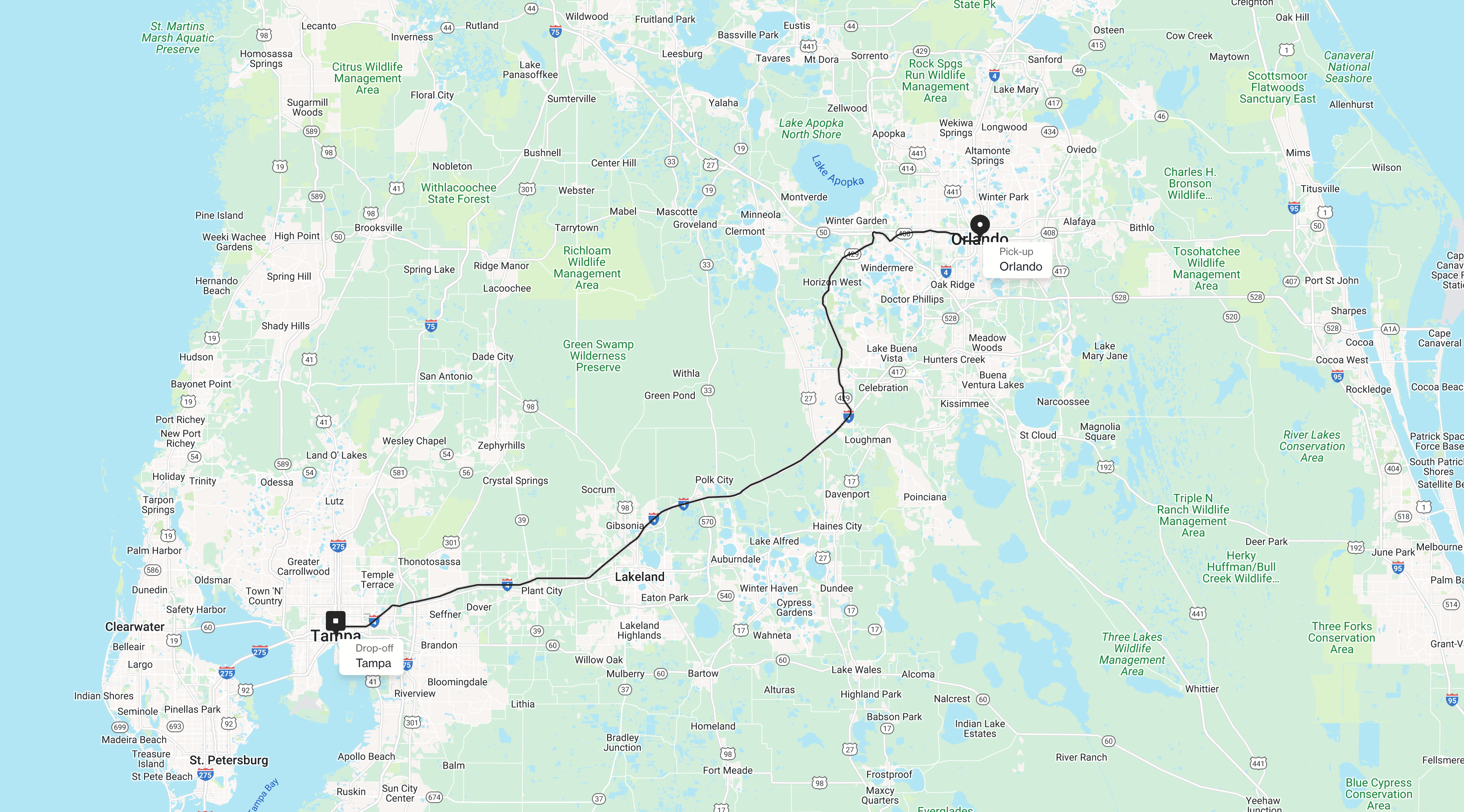
The geographical distance between downtown Orlando and downtown Tampa is approximately 85 miles (137 kilometers). This relatively short distance makes day trips or split stays between the two cities entirely feasible, offering travelers the best of both worlds. For those opting to drive, which is by far the most popular mode of transport, the journey typically takes between 1.5 to 2 hours. This estimate, however, serves as a general guideline and is subject to several variables that smart travelers should always consider.
Key Routes and Traffic Considerations
The primary artery connecting Orlando and Tampa is Interstate 4 (I-4). This major interstate highway, while direct, is also prone to significant traffic fluctuations, especially during peak travel times. Understanding these patterns is key to minimizing delays:
- Time of Day: Rush hour traffic, generally occurring between 6:30 AM – 9:00 AM and 4:00 PM – 6:30 PM on weekdays, can significantly extend travel times. Leaving early in the morning or later in the evening can help avoid the densest periods.
- Day of the Week: Weekends, particularly Friday afternoons and Sunday evenings, often see increased traffic as locals and tourists alike travel between the cities or to coastal areas. Holidays and long weekends can escalate these patterns further.
- Road Construction: Florida, being a rapidly growing state, frequently has ongoing road construction projects, especially along I-4. These can lead to lane closures, detours, and unexpected slowdowns.
- Accidents and Special Events: Unforeseen accidents can bring traffic to a standstill. Similarly, major events like theme park openings, sporting events at Amalie Arena or Raymond James Stadium, or large concerts can cause localized congestion. Utilizing real-time navigation apps like Google Maps or Waze is highly recommended for up-to-the-minute traffic updates.
While I-4 is the most direct, alternative routes exist for those seeking a less congested, albeit potentially longer, journey, or a more scenic drive. These include State Road 60 (SR 60), State Road 33 (SR 33), US 27, or State Road 50 (SR 50). These routes often take you through charming small towns and rural landscapes, offering a different perspective of Florida away from the bustling highways. However, they generally involve lower speed limits and more stops, making the overall travel time longer. For travelers prioritizing a relaxed, scenic experience over speed, these alternatives can be a delightful choice.
Navigating Your Way: Transportation Options
Choosing the right mode of transport between Orlando and Tampa depends heavily on your budget, schedule, group size, and desired level of flexibility. From the freedom of a private car to the communal experience of a bus or train, each option offers unique advantages for your Florida adventure.
Driving: The Most Flexible Choice
Driving is unequivocally the most popular and often the most convenient way to travel between Orlando and Tampa. This option provides unparalleled flexibility, allowing travelers to set their own pace, make spontaneous stops, and easily explore attractions beyond the immediate city centers.
- Rental Cars: For those flying into Orlando International Airport (MCO) or Tampa International Airport (TPA), a wide array of rental car agencies are readily available. Booking in advance, especially during peak seasons, is highly advisable to secure the best rates and vehicle availability. This is particularly beneficial for families or groups, as the cost can often be spread, making it a budget-friendly option compared to individual tickets on public transport or multiple rideshare fares.
- Tolls: Be prepared for tolls on certain routes. Parts of I-4 and especially the Florida Turnpike (if you opt for a slightly different route) utilize electronic tolling systems. It’s wise to consider purchasing a SunPass or E-ZPass transponder with your rental car, or checking with the rental company about their toll payment program. This avoids cash lanes (which are becoming rare) and often offers discounted rates.
- Parking: Factor in parking costs at your destination. Theme parks in Orlando, hotels, and even some attractions in downtown Tampa or popular beaches may charge for parking. Researching parking options and costs beforehand can save time and unexpected expenses.
Economical Alternatives: Bus and Train
For travelers prioritizing budget or seeking a more relaxed journey without the responsibilities of driving, bus and train services offer viable alternatives.
- Bus Services: Several intercity bus companies operate frequent routes between Orlando and Tampa. Providers such as Greyhound, Megabus, and FlixBus offer competitive fares.
- Duration: Bus journeys typically range from 2 to 3 hours, which includes potential stops along the way.
- Pros: Buses are generally the most economical option, making them ideal for solo travelers or those on a tight budget. They also represent a more environmentally friendly mode of transport compared to individual car travel.
- Cons: Less flexible than driving, as you’re tied to a schedule. Drop-off and pick-up points might not always be centrally located, requiring additional local transport (taxis, rideshares, or city buses) to reach your final destination. Baggage allowances can also be more restrictive.
- Train Services: Amtrak provides a scenic and comfortable train journey between the two cities via its Silver Service and Palmetto routes.
- Stations: In Orlando, the main station is the Orlando Health/Amtrak Station located just south of downtown. In Tampa, trains arrive at the historic Union Station downtown.
- Duration: The train ride itself is approximately 2 hours, offering a comparable travel time to driving, without the stress of traffic.
- Pros: Train travel is known for its comfort, allowing passengers to relax, enjoy the scenery, read, or work. It completely bypasses road traffic and offers a more spacious environment than a bus. The journey itself can be part of the experience, especially for those who appreciate the romance of rail travel.
- Cons: Train schedules are limited, meaning less flexibility in departure times. While often more comfortable, tickets can sometimes be pricier than bus fares, depending on how far in advance you book. Similar to buses, you might need to arrange additional transport from the train station to your specific accommodation or attraction.
Convenient Yet Costly: Rideshare and Shuttles
For those who value door-to-door convenience above all else and are willing to pay a premium, rideshare services and private shuttles are excellent options.
- Rideshare/Taxi Services: Platforms like Uber and Lyft, along with traditional local taxi services, offer direct transportation between Orlando and Tampa.
- Cost: This is typically the most expensive option, with fares ranging from $100-$150 or more, depending on demand (surge pricing), time of day, and the specific service level selected (e.g., standard, XL, luxury).
- Pros: Unmatched convenience with door-to-door service, eliminating the need to worry about parking, tolls, or navigating. Ideal for travelers with significant luggage or those who prefer not to drive.
- Cons: Prohibitively expensive for solo travelers or those on a budget. Surge pricing during peak times can further inflate costs.
- Shuttle Services: Various private shuttle companies offer scheduled or on-demand services between the two cities, especially catering to airport transfers or groups traveling to theme parks.
- Pros: Can be cost-effective for larger groups, as the fare is split. Offers direct transport and can be pre-booked for peace of mind. Some offer luxury vans or limousines for a high-end travel experience.
- Cons: Less flexible than a personal car, as you’re on a pre-determined schedule. Shared shuttles might involve multiple stops, increasing overall travel time.
Dual Destinations: Unforgettable Experiences Await
The decision to travel between Orlando and Tampa is often driven by the desire to experience the unique attractions and lifestyles each city offers. From world-renowned theme parks to pristine beaches and vibrant cultural districts, these Florida gems promise a diverse and memorable vacation.
Orlando: The Theme Park Wonderland
Orlando proudly holds its title as the “Theme Park Capital of the World,” a magnet for families, thrill-seekers, and dreamers of all ages. Its extensive array of attractions ensures there’s always something new to discover, making it a top global destination for leisure travel and unforgettable experiences.
- Walt Disney World Resort: This iconic resort is home to four magical theme parks – Magic Kingdom, Epcot, Hollywood Studios, and Animal Kingdom – plus two water parks, and the vibrant dining, shopping, and entertainment district of Disney Springs. It’s an immersive experience in fantasy, technology, and storytelling.
- Universal Orlando Resort: Dive into the excitement of Universal Studios Florida and Universal’s Islands of Adventure, featuring the Wizarding World of Harry Potter. Cool off at Volcano Bay water park and explore the dining and nightlife at Universal CityWalk.
- SeaWorld Orlando: Experience thrilling rides, marine life shows, and conservation efforts at this popular park.
- International Drive: Beyond the major parks, “I-Drive” is a bustling hub of activity, offering countless restaurants, unique attractions like ICON Park, mini-golf courses, and shopping opportunities, catering to various budgets and lifestyles.
- Kennedy Space Center Visitor Complex: A must-visit for space enthusiasts, located approximately an hour’s drive east of Orlando, offering a fascinating glimpse into America’s space exploration history and future.
Tampa: Coastal Charms and Cultural Richness
Tampa, situated on Florida’s Gulf Coast, offers a dynamic blend of historic charm, modern urban amenities, and proximity to some of the world’s best beaches. It’s a destination for those seeking a vibrant city experience with easy access to nature and water-based activities.
- Busch Gardens Tampa Bay: An African-themed adventure park known for its thrilling roller coasters, diverse animal encounters, and live entertainment. It’s a fantastic alternative or complement to Orlando’s theme parks, especially for animal lovers and coaster enthusiasts.
- The Florida Aquarium: Explore underwater worlds and learn about marine conservation at this impressive aquarium located in downtown Tampa.
- ZooTampa at Lowry Park: Consistently ranked among the top zoos in the country, ZooTampa at Lowry Park focuses on wildlife conservation and offers unique animal experiences.
- Ybor City: A National Historic Landmark District, Ybor City is famous for its Cuban heritage, cigar factories, lively nightlife, and unique boutiques. It’s a fantastic spot to delve into local culture and enjoy diverse food options.
- Riverwalk: The scenic Tampa Riverwalk stretches along the Hillsborough River, connecting many of the city’s key attractions, museums, parks, and waterfront dining options. It’s perfect for a leisurely stroll or a bike ride, offering beautiful views of the cityscape.
- Beaches: Just a short drive west of Tampa are the acclaimed beaches of Clearwater Beach and St. Pete Beach. Known for their soft, white sands and calm Gulf Coast waters, they are ideal for relaxation, swimming, and watersports, providing a stark contrast to Orlando’s inland attractions.
- Sports Enthusiast’s Paradise: Tampa is also a major sports hub, home to professional teams like the Tampa Bay Buccaneers (NFL), Tampa Bay Lightning (NHL), and Tampa Bay Rays (MLB). Catching a game at Amalie Arena or Raymond James Stadium offers an exciting local experience.

Essential Tips for a Seamless Orlando-Tampa Adventure
To ensure your journey between Orlando and Tampa is as stress-free and enjoyable as possible, consider these practical tips, encompassing aspects of planning, accommodation, and general lifestyle adjustments for Florida travel.
- Plan Ahead and Book in Advance: Especially if you’re traveling during peak seasons (school holidays, spring break, major events), it’s crucial to book your accommodation, attraction tickets, and preferred transportation (rental cars, bus/train tickets) well in advance. This not only secures availability but often results in better rates. Whether you’re looking for luxury resorts, family-friendly suites, or budget-friendly apartments, early booking is key for a comfortable stay.
- Stay Flexible with Accommodation: Consider your travel style. Do you want to base yourself in one city and take a day trip to the other, or would you prefer to split your stay? Many travelers opt for a few nights in Orlando for the theme parks, then relocate to Tampa for a change of pace and beach access. Research different accommodation options like hotels, resorts, villas, or even long-term stay apartments based on your needs and budget. Online booking platforms and reviews can help you compare amenities and find the best fit.
- Be Smart About Traffic: Always use real-time navigation apps. They are invaluable for avoiding unexpected traffic jams, construction zones, and accidents. Adjust your departure times based on their recommendations to bypass rush hour whenever possible, turning a potential 2-hour drive into a quicker, smoother journey.
- Budgeting for the Whole Trip: When planning your expenses, remember to factor in more than just the cost of travel between cities. Include tolls, parking fees, fuel costs (if driving), and tickets for all attractions. Food and dining, whether you prefer local culinary experiences or theme park dining, should also be accounted for. For budget travelers, exploring food halls and local eateries in Ybor City or near the Tampa Riverwalk can offer excellent value.
- Embrace Florida’s Weather: Florida is famous for its sunshine, but it’s also known for its heat, humidity, and afternoon thunderstorms, especially from late spring through early fall. Pack light clothing, sunscreen, hats, and always carry an umbrella or light rain jacket. Be aware that hurricane season runs from June 1st to November 30th; while direct hits are rare, tropical storms can bring significant rain and disrupt travel plans. Stay informed about weather forecasts.
- Optimize Your Experience: If traveling with family, consider booking accommodations with amenities like pools or kitchens. For those seeking luxury travel, both Orlando and Tampa boast high-end resorts and dining experiences. Business travelers might prioritize hotels with excellent connectivity and meeting facilities. Researching local culture and activities in advance can also enrich your tourism experience.
In conclusion, the distance between Orlando and Tampa is an easily manageable 85 miles, typically a 1.5 to 2-hour drive. This proximity makes combining these two distinct Florida destinations into a single, unforgettable itinerary not just possible, but highly recommended. By understanding your transportation options, planning thoughtfully, and considering the unique attractions each city offers, you can seamlessly navigate between Orlando’s fantastical theme parks and Tampa’s vibrant urban and coastal charms, creating a truly comprehensive Florida experience tailored to your travel style and preferences.
LifeOutOfTheBox is a participant in the Amazon Services LLC Associates Program, an affiliate advertising program designed to provide a means for sites to earn advertising fees by advertising and linking to Amazon.com. Amazon, the Amazon logo, AmazonSupply, and the AmazonSupply logo are trademarks of Amazon.com, Inc. or its affiliates. As an Amazon Associate we earn affiliate commissions from qualifying purchases.