
Orlando, Florida, is globally synonymous with magical theme parks and endless vacation possibilities. Yet, beneath the shimmering façade of tourist attractions and world-class resorts, lies a thriving, diverse, and rapidly growing metropolitan area that is home to a significant and ever-increasing population. Understanding the resident population of Orlando is crucial, not just for urban planners and local businesses, but also for travelers seeking to immerse themselves in the authentic local culture beyond the main tourist corridors, for those considering long-term stays, or even for discerning visitors wanting to understand the full scope of this dynamic city.
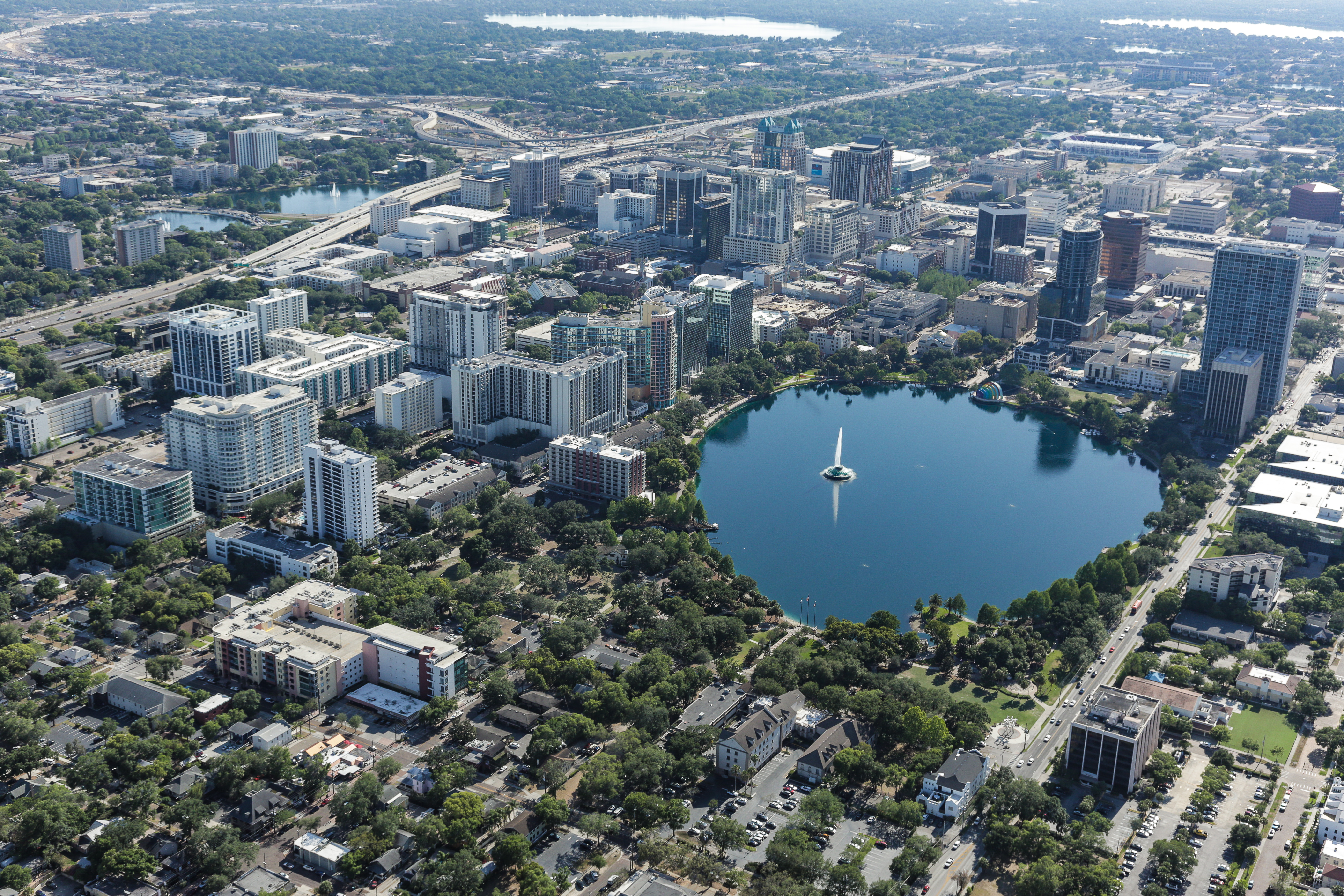
The question of “How many people live in Orlando?” is more complex than it first appears, often distinguishing between the city proper and its expansive metropolitan area. The answers reveal a vibrant community whose growth directly influences everything from the availability and variety of accommodation options to the burgeoning local food scene, the development of new landmarks, and the overall lifestyle experienced by both residents and visitors. This article delves into the demographic landscape of Orlando, exploring its population figures, historical growth, and the profound impact these numbers have on its identity as a premier travel destination and a desirable place to live.
The Vibrant Heart of Central Florida: Orlando’s Population At A Glance
Orlando’s allure extends far beyond its theme parks, attracting new residents with its sunny climate, diverse job market, and burgeoning urban amenities. The population figures themselves tell a compelling story of growth and transformation, painting a picture of a city constantly evolving.
Unpacking the Numbers: City vs. Metropolitan Area
When discussing Orlando’s population, it’s essential to differentiate between the population of the City of Orlando itself and the larger Orlando-Kissimmee-Sanford Metropolitan Statistical Area (MSA). These two figures offer distinct perspectives on the region’s demographic scale.
As of recent estimates (typically from the U.S. Census Bureau or comparable demographic studies), the City of Orlando proper is home to approximately 310,000 to 320,000 residents. This figure represents the core urban area, encompassing Downtown Orlando, its immediate surrounding neighborhoods, and the historical heart of the city. While substantial, this number is just a fraction of the region’s total inhabitants.
The Orlando-Kissimmee-Sanford MSA tells a much broader story. This expansive metropolitan area includes not only the city of Orlando but also neighboring cities like Kissimmee, Sanford, Winter Park, and Ocoee, stretching across several counties including Orange County, Osceola County, Seminole County, and Lake County. The population of this MSA is robust, typically exceeding 2.8 million people and continuously growing. This larger figure truly captures the economic and social footprint of what most people refer to as “Orlando” and its surrounding sphere of influence. This distinction is vital for anyone looking at travel, accommodation, or lifestyle within the region, as it highlights the vastness and diversity of the area’s communities and services.
A History of Growth: Why Orlando Attracts
Orlando’s population boom is not a recent phenomenon but rather a sustained trend that began in the mid-20th century and has accelerated significantly over the past few decades. Several key factors have fueled this remarkable growth:
- Tourism Industry Boom: The most obvious catalyst for Orlando’s growth has been the unprecedented success of its tourism industry. The opening of Walt Disney World Resort in 1971, followed by Universal Orlando Resort, SeaWorld Orlando, and numerous other attractions, transformed a relatively quiet agricultural region into a global entertainment powerhouse. This created millions of jobs, drawing in workers and their families from across the United States and beyond.
- Job Diversification: While tourism remains a pillar, Orlando has successfully diversified its economy. The region has become a hub for modeling and simulation, aerospace and aviation (benefiting from its proximity to the Kennedy Space Center Visitor Complex), biotechnology and life sciences (especially in areas like Lake Nona), and advanced manufacturing. These high-tech industries offer attractive career opportunities, drawing a skilled workforce and fostering innovation.
- Quality of Life and Climate: Florida’s warm climate, abundance of natural beauty (lakes, springs, coastal access), and lack of state income tax are powerful magnets for individuals and families seeking a higher quality of life. Orlando offers a vibrant urban environment with diverse cultural attractions, excellent educational institutions, and a relatively affordable cost of living compared to other major U.S. cities, making it an attractive relocation destination.
- Infrastructure Development: Significant investments in infrastructure, including the expansion of Orlando International Airport, improvements to major roadways like I-4, and the development of public transit options such as SunRail, have supported and facilitated this population growth, making the region more accessible and interconnected.
This continuous influx of residents has transformed Orlando into a bustling metropolis, impacting every facet of life, from its culinary scene to its accommodation landscape.
Population Dynamics and Their Ripple Effect on Travel & Tourism
The sheer number of people calling Orlando home fundamentally shapes its character and the experience for millions of annual visitors. It creates a symbiotic relationship where residents contribute to the tourist infrastructure, and tourism, in turn, provides opportunities for residents.
Fueling the Tourism Engine: Residents as the Backbone

While tourists flock to Orlando, it is the resident population that forms the backbone of its colossal tourism industry.
- Workforce: Millions of jobs across theme parks, hotels, restaurants, transportation services, and retail are filled by local residents. Without this vast and dedicated workforce, the tourism industry would simply grind to a halt. This translates to an immense demand for housing, schools, and local services for these essential employees.
- Infrastructure Support: Residents pay taxes that support the public services, roads, utilities, and safety infrastructure that tourists also rely on. The complex transportation networks, public safety departments, and environmental management initiatives are maintained by the local government, directly benefiting both the permanent community and its temporary visitors.
- Economic Stability: A strong resident base provides a stable economic foundation for the region. Even during periods of fluctuating tourist numbers, local businesses that cater to residents can sustain the economy, providing resilience and diversity beyond just visitor spending. This allows for a wider array of restaurants, shops, and entertainment venues that appeal to both locals and tourists.
The Evolving Landscape of Local Culture and Experiences
The growing and diverse resident population of Orlando has significantly enriched its cultural fabric, transforming it from a mere collection of theme parks into a city with a distinct local identity.
- Culinary Scene: The influx of residents from various backgrounds has exploded Orlando’s culinary scene far beyond chain restaurants. Areas like Mills 50, the Milk District, and Winter Park boast an incredible array of independent eateries, craft breweries, and international cuisine, reflecting the diverse palates of its inhabitants. Tourists seeking authentic experiences often venture into these neighborhoods for a taste of local Orlando.
- Arts and Entertainment: The resident population supports a vibrant arts and culture scene. Venues like the Dr. Phillips Center for the Performing Arts host Broadway shows, concerts, and local productions. Galleries, street art, and community theaters thrive, offering diverse entertainment options for both locals and visitors looking beyond the major attractions. Lake Eola Park, for instance, is a popular spot for farmers markets and community events.
- Neighborhood Identity: As the MSA expands, distinct neighborhoods have developed unique identities. Winter Park offers upscale boutiques and dining, Celebration provides a planned community feel, and Lake Nona focuses on medical and tech innovation. These areas provide different living and visiting experiences, enriching the overall tapestry of Orlando and demonstrating that there is much more to explore than just the designated tourist zones. This diversity means that travelers can choose to stay in areas that align more with a local, residential experience, rather than solely a tourist-centric one.
Accommodation and Lifestyle: Catering to a Growing Community
The burgeoning population directly impacts the availability, type, and cost of accommodation, influencing both residential living and the robust hotel industry. This interplay is a defining characteristic of Orlando’s real estate market and its evolving lifestyle.
Housing the Residents: From Apartments to Luxury Homes
With a rapidly increasing resident base, the demand for housing in Orlando is consistently high. This demand spans the entire spectrum of accommodation:
- Urban Living: In Downtown Orlando and surrounding urban cores, there’s a strong trend towards high-rise apartment living and condominiums, catering to young professionals, empty-nesters, and those seeking an active city lifestyle. These developments often come with amenities like pools, fitness centers, and easy access to cultural venues and nightlife.
- Suburban Expansion: The metropolitan area has seen continuous suburban expansion, with new master-planned communities emerging in areas like Lake Nona and along the SR 429 corridor. These areas typically offer single-family homes, townhouses, and family-friendly amenities such as parks, schools, and community centers.
- Luxury and Niche Markets: Orlando also caters to luxury lifestyles, with affluent communities and custom-built homes in areas like Windermere and Winter Park. Additionally, there’s a significant market for long-term stay accommodation, including furnished apartments and corporate housing, serving business travelers and individuals relocating to the region. The diverse housing market reflects the broad economic spectrum of Orlando’s residents.
The Interplay of Residential and Tourist Accommodation Needs
The unique demographic situation in Orlando creates a fascinating intersection between residential and tourist accommodation needs.
- Hotel Density: Orlando boasts one of the highest concentrations of hotel rooms in the world, with options ranging from budget-friendly motels to opulent five-star resorts like the Waldorf Astoria Orlando or the Four Seasons Resort Orlando at Walt Disney World Resort. While primarily catering to tourists, these establishments also serve business travelers, conference attendees at the Orange County Convention Center, and residents needing temporary stays or hosting visiting friends and family. Properties along International Drive or near Universal Orlando Resort like the Hyatt Regency Orlando are examples of large-scale accommodations that service both categories.
- Vacation Rentals: The popularity of platforms offering vacation rentals has soared in Orlando. Many properties, from individual homes to multi-bedroom villas, are owned by individuals and rented out to tourists. This blurs the line between residential and short-term accommodation, creating both opportunities for property owners and challenges for local communities regarding regulations and availability of affordable long-term housing. Some resorts, such as Rosen Shingle Creek, offer a mix of traditional hotel rooms and suite-style accommodations that can cater to longer family stays.
- Mixed-Use Developments: Increasingly, Orlando is seeing the rise of mixed-use developments that integrate residential units, retail spaces, offices, and even boutique hotels within the same complex. This approach caters to the desire for walkable communities and provides conveniences for both residents and visitors, fostering a vibrant, round-the-clock environment. This thoughtful integration helps manage the demands of a growing population while enhancing the overall urban experience.
Orlando’s Future: Sustaining Growth While Preserving Charm
The ongoing population growth in Orlando presents both exciting opportunities and significant challenges. Balancing continued development with the preservation of local character and environmental resources is a key focus for the future.
Infrastructural Development and Urban Planning
To accommodate its expanding population, Orlando is continuously investing in robust infrastructure and thoughtful urban planning.
- Transportation: Projects to enhance public transportation, like the expansion of SunRail and new bus rapid transit lines, aim to alleviate traffic congestion and improve connectivity throughout the MSA. The city is also exploring pedestrian-friendly initiatives in areas like Downtown Orlando and around key attractions such as ICON Park.
- Smart Growth Initiatives: Planners are focusing on “smart growth” principles, emphasizing high-density development in urban cores, preserving green spaces, and promoting sustainable practices. This approach seeks to accommodate more residents efficiently while maintaining the city’s appeal and reducing urban sprawl. The Orlando Economic Partnership actively promotes such growth.
- Community Services: Expanding healthcare facilities, educational institutions, and public safety services is paramount. As the population grows, so does the demand for quality schools, hospitals, and emergency services, ensuring that the infrastructure keeps pace with the demographic shifts.

A Balanced Ecosystem for Residents and Visitors Alike
The ultimate goal for Orlando is to foster a balanced ecosystem where both its residents and millions of visitors can thrive harmoniously.
- Enhancing Resident Quality of Life: Efforts are underway to ensure that Orlando remains not only a fantastic place to visit but also an exceptional place to live. This includes developing more local parks, cultural centers, and diverse recreational opportunities that cater specifically to the community, rather than solely to tourists. The expansion of the Amway Center for sports and entertainment serves both.
- Sustainable Tourism: Promoting sustainable tourism practices is crucial to minimize the environmental impact of such a large influx of visitors and residents. This involves encouraging eco-friendly accommodations, supporting local businesses, and preserving natural landmarks and wildlife areas that attract visitors to Florida in the first place.
- Community Engagement: Fostering a strong sense of community among residents, encouraging local businesses, and celebrating Orlando’s unique history and culture are vital for maintaining its distinct charm. This ensures that while the city grows, it retains its soul and character, offering authentic experiences that distinguish it from purely transient destinations.
In conclusion, the question of “How many people live in Orlando, Fl?” reveals a dynamic and complex picture. With hundreds of thousands in the city proper and nearly three million in its metropolitan area, Orlando is far more than just a tourist hub. It is a vibrant, growing community whose residents are the driving force behind its economic vitality, cultural richness, and evolving identity. For travelers, understanding this resident base offers a deeper appreciation of the city, guiding them to explore beyond the obvious and discover the genuine heart of Central Florida. For those interested in accommodation or lifestyle, it highlights a diverse market driven by both temporary visitors and a flourishing permanent population, making Orlando a truly unique and compelling destination.
LifeOutOfTheBox is a participant in the Amazon Services LLC Associates Program, an affiliate advertising program designed to provide a means for sites to earn advertising fees by advertising and linking to Amazon.com. Amazon, the Amazon logo, AmazonSupply, and the AmazonSupply logo are trademarks of Amazon.com, Inc. or its affiliates. As an Amazon Associate we earn affiliate commissions from qualifying purchases.