
Orlando, Florida, a name synonymous with magic, thrills, and endless sunshine, often conjures images of theme parks and holidaymakers. For millions of tourists, it’s a dream destination. But what about for those considering calling it home? The question “Is Orlando a good place to live?” delves far beyond vacation brochures, touching upon the practicalities, community spirit, economic landscape, and overall lifestyle of this vibrant Central Florida city.
Known globally as the Theme Park Capital of the World, Orlando offers a unique blend of world-class entertainment, burgeoning industries, and a diverse cultural tapestry. While its reputation is largely built on tourism, the city has evolved into a dynamic metropolitan area with a lot to offer residents. From its distinct neighborhoods and varied housing options to its job market and educational institutions, living in Orlando presents a multifaceted experience. This article explores the various dimensions of life in Orlando, providing a comprehensive perspective for anyone pondering a move to the Sunshine State.
The Allure of the Theme Park Capital
It’s impossible to discuss living in Orlando without first acknowledging its undeniable crown jewel: the theme parks. These colossal entertainment complexes not only draw tens of millions of visitors annually but also significantly shape the city’s identity, economy, and leisure opportunities for residents.
Unparalleled Entertainment and Recreation
Living in Orlando means having direct access to some of the planet’s most iconic entertainment destinations. Walt Disney World Resort, encompassing Magic Kingdom, Epcot, Hollywood Studios, and Animal Kingdom, alongside its water parks like Typhoon Lagoon and Blizzard Beach, offers endless opportunities for family fun and escapism. Similarly, Universal Orlando Resort, home to Universal Studios Florida and Islands of Adventure (with its immensely popular Wizarding World of Harry Potter), provides thrilling rides and immersive experiences. SeaWorld Orlando adds marine life attractions and roller coasters to the mix, while LEGOLAND Florida Resort caters specifically to younger families.
Beyond the major theme parks, Orlando boasts a plethora of other attractions. ICON Park on International Drive features the Orlando Eye, Madame Tussauds, and the SEA LIFE Orlando Aquarium. For those seeking cultural enrichment, the Orlando Science Center offers engaging exhibits, and the Dr. Phillips Center for the Performing Arts hosts Broadway shows, concerts, and local performances. Sports enthusiasts can catch Orlando Magic basketball games at the Amway Center or Orlando City SC Major League Soccer matches at Exploria Stadium.
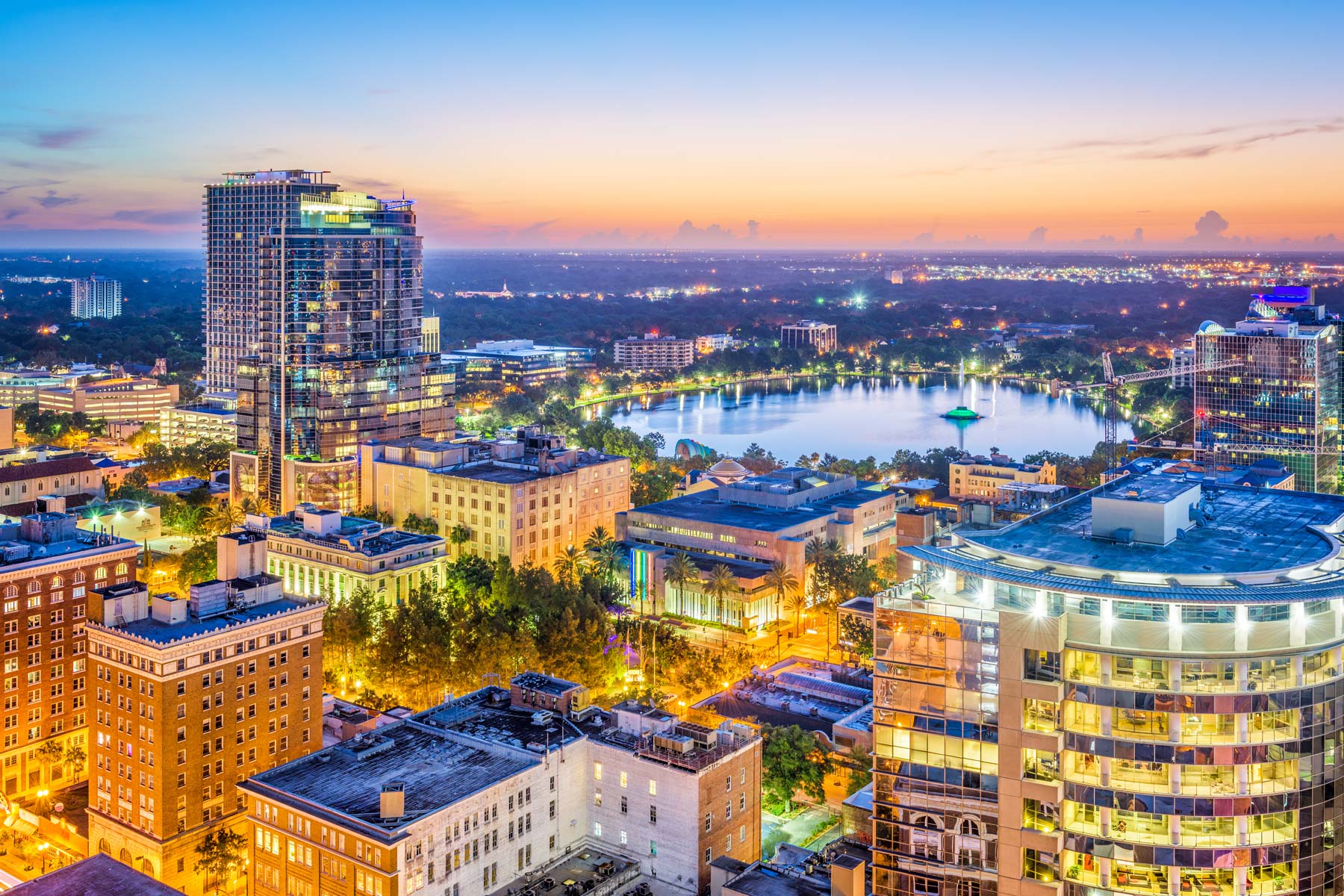
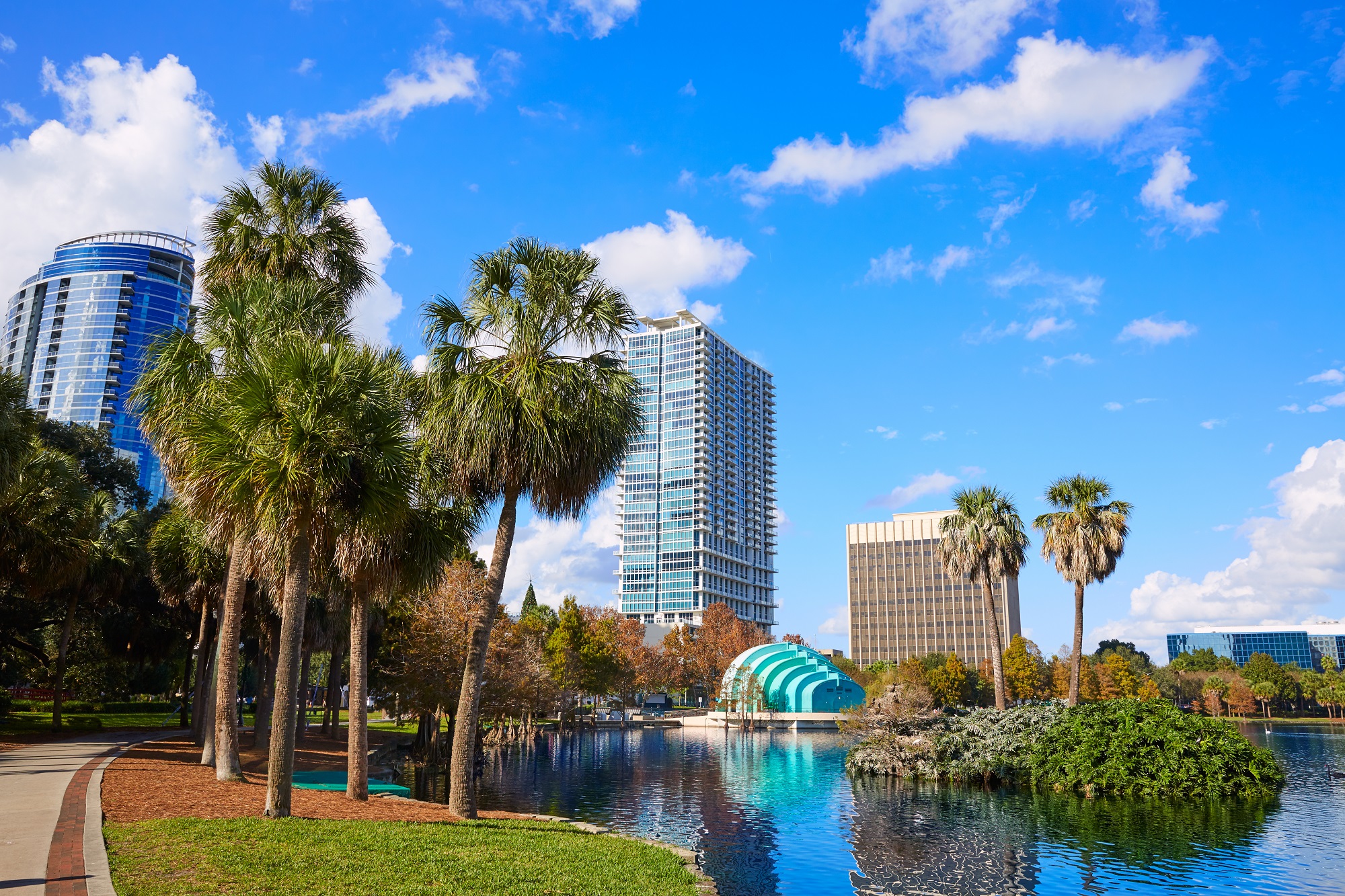
For outdoor recreation, residents enjoy numerous parks and green spaces. Lake Eola Park in Downtown Orlando is an urban oasis with swan boats, a walking path, and a popular farmers’ market. Harry P. Leu Gardens provides a botanical escape with lush landscapes and historic homes. Furthermore, Orlando’s central location in Florida places it within a short drive of stunning beaches on both the Atlantic Coast (Cocoa Beach, Daytona Beach) and the Gulf Coast. Day trips to places like the Kennedy Space Center Visitor Complex are also easily achievable, adding another layer of adventure to living here.
A Hub for Tourism and Hospitality
The extensive tourism industry is a double-edged sword, bringing both benefits and challenges. On the positive side, it ensures a vibrant, constantly evolving city with new attractions, restaurants, and amenities. It also creates a massive number of jobs, particularly in the hospitality sector, from hotels and resorts to restaurants and retail. Many residents enjoy perks such as discounts on park tickets and annual passes, making these world-class attractions more accessible.
However, the constant influx of visitors means dealing with crowds, especially during peak seasons, and heavier traffic on major arteries like International Drive and I-4. For some, the pervasive tourist presence can detract from a sense of local community, making it feel less like a traditional residential city and more like a permanent vacation destination. Balancing the local lifestyle with the demands of a global tourist hub is an ongoing aspect of living in Orlando.
Beyond the Magic: Daily Life and Practicalities
While the magic is a significant draw, daily life in Orlando is about more than just theme parks. Practical considerations like housing, cost of living, education, and transportation play a crucial role in determining if it’s a good fit.
Housing and Accommodation Options
Orlando offers a wide array of housing options to suit various budgets and lifestyles. From sprawling suburban homes with pools to trendy apartments and condos in Downtown Orlando, there’s something for everyone. Popular residential areas include family-friendly suburbs like Winter Park, known for its charming tree-lined streets, upscale boutiques, and art museums; Baldwin Park, a master-planned community with a walkable village center; and Lake Nona, a rapidly developing area dubbed “Medical City” for its growing healthcare and life sciences cluster.
Other communities like Kissimmee and areas within Osceola County offer more affordable options, often closer to the theme parks, which can be appealing for those working in the industry. Seminole County, north of Orlando, provides a slightly quieter suburban feel with excellent schools.
The real estate market in Orlando has seen significant growth in recent years, driven by population influx. While home prices are generally more affordable than in major coastal cities, they have been steadily increasing, particularly for single-family homes. Rental prices for apartments and villas also vary widely by location and amenities, with luxury apartments in prime areas commanding higher rents. For those looking for short-term stays or considering a transitional period, many quality hotels and resorts offer attractive packages, some even catering to extended stays.
Cost of Living Considerations
The overall cost of living in Orlando is generally on par with the national average, but certain categories stand out. Housing, as mentioned, has seen an upward trend. Utilities, including air conditioning costs during the hot summer months, can be higher than in cooler climates. However, Florida benefits from having no state income tax, which can be a significant financial advantage for residents. Sales tax and property taxes are still in effect, but the absence of state income tax can offset other expenses for many. Groceries and everyday goods are typically comparable to national averages, though the abundance of dining options can tempt residents to eat out frequently, impacting budgets. Insurance costs, particularly for homeowners and auto insurance, can be higher due to the risk of hurricanes and a higher rate of accidents in heavily trafficked areas.
Education and Family Life
For families considering a move, education is a key factor. The greater Orlando area, primarily Orange County, Seminole County, and Osceola County, offers a mix of public and private schools. School quality can vary significantly by district and individual school, so prospective residents often research specific neighborhoods based on their assigned schools. Seminole County is often cited for its highly-rated public schools.
For higher education, Orlando is home to the University of Central Florida (UCF), one of the largest universities in the United States by enrollment, offering a vast array of programs. Other notable institutions include Rollins College, a private liberal arts college in Winter Park, and Valencia College, which provides excellent associate’s degrees and workforce training. The presence of these institutions contributes to a youthful demographic and a pipeline of talent for local industries.
Transportation and Infrastructure
Getting around Orlando primarily relies on personal vehicles. The city has an extensive network of highways, including I-4, the Florida Turnpike, and various expressways. However, with rapid population growth and constant tourism, traffic congestion is a significant challenge, especially during rush hour and around major attractions. Public transportation options exist, including the Lynx bus system and the SunRail commuter rail serving portions of Orange, Seminole, and Osceola Counties. Recent additions like the Brightline high-speed rail connect Orlando International Airport to South Florida, enhancing regional connectivity. While efforts are continually made to improve infrastructure, a car remains essential for most residents. The Orlando International Airport (MCO) is a major hub, offering direct flights to numerous domestic and international destinations, making travel convenient for residents.
Economic Landscape and Opportunities
Beyond tourism, Orlando’s economy has diversified significantly, creating a robust job market in various sectors. This economic growth is a crucial factor for anyone considering making Orlando their permanent home.
A Diverse Job Market
While tourism and hospitality remain cornerstone industries, accounting for a large percentage of jobs, Orlando has successfully cultivated other sectors. Technology is a rapidly expanding field, with a growing number of simulation and training companies, particularly serving the military and aerospace industries. The presence of UCF and its research park fosters innovation and entrepreneurship, leading to a burgeoning startup scene. Creative technologies, including gaming and digital media, are also finding a strong foothold, often leveraging talent from industry giants like Walt Disney Imagineering and Universal Creative.
Healthcare and bioscience are another significant growth area, largely centered around the Lake Nona Medical City complex. This hub includes hospitals, research institutes, and medical schools, providing a wealth of job opportunities for medical professionals, researchers, and support staff. Logistics and distribution also thrive due to Orlando’s central location and excellent transportation infrastructure, including its proximity to major ports and highways. Retail is also a major employer, supported by both the local population and constant tourist spending.
The variety of industries means that job seekers are not solely reliant on the seasonal nature of tourism, offering more stable and diverse career paths. This diversification helps to build a more resilient economy less susceptible to fluctuations in any single sector.
Business and Investment Climate
Orlando’s pro-business environment, coupled with Florida’s favorable tax policies (no state corporate income tax on S-corporations and partnerships, and a competitive corporate income tax rate), makes it an attractive location for businesses and investors. The Downtown Development Board and other local organizations actively promote economic growth and provide incentives for companies to relocate or expand in the area. The consistent population growth ensures a growing consumer base and a steady supply of labor. Venture capital funding for startups, particularly in tech and healthcare, has also been on an upward trend. The city’s status as a global tourism destination also means constant international exposure and investment.
Orlando’s Unique Vibe and Lifestyle
Beyond the economic and practical aspects, the overall vibe and lifestyle contribute significantly to whether Orlando feels like “home.”
Culinary Delights and Cultural Experiences
Orlando’s diverse population, fueled by both internal migration and international residents, translates into a vibrant and eclectic culinary scene. While chain restaurants are abundant, especially around tourist areas, the city boasts an impressive array of independent eateries, from fine dining establishments in Winter Park to authentic ethnic cuisine found in various neighborhoods. Farm-to-table restaurants, food truck rallies, and craft breweries are increasingly popular, catering to a sophisticated local palate.
The cultural scene is also burgeoning. Beyond the Dr. Phillips Center, numerous art galleries, live music venues, and community theaters thrive. Festivals celebrating everything from film and jazz to different ethnic traditions occur throughout the year, adding richness to the city’s social calendar. The many international residents, particularly from Latin America and the Caribbean, contribute to a wonderfully multicultural atmosphere reflected in its food, music, and community events.
The Sunshine State Advantage
One of the most appealing aspects of living in Orlando is the weather. The Sunshine State lives up to its name, offering abundant sunshine for much of the year. Winters are mild and pleasant, with temperatures rarely dropping below freezing, making outdoor activities enjoyable year-round. This allows residents to take advantage of golf courses, lakes, and parks even in January.
However, the summers are famously hot and humid, with daily afternoon thunderstorms common. While these brief showers often cool things down, residents must adjust to consistently high temperatures from May through October. Florida is also susceptible to hurricane season (June 1st to November 30th), which requires preparedness and vigilance, though Orlando’s inland location offers some protection compared to coastal areas. For many, the year-round warmth and opportunity for outdoor living far outweigh the challenges of summer heat and hurricane season.
Community and Social Life
Despite its transient tourist population, Orlando fosters strong community bonds in its residential neighborhoods. People are generally friendly and welcoming, and there are numerous opportunities to get involved in local activities, clubs, and volunteer organizations. The city has a vibrant LGBTQ+ community and diverse cultural groups that actively contribute to the social fabric.
The pace of life, while still a bustling metropolitan area, can feel slightly more relaxed than in some larger cities. Families find ample opportunities for kids’ activities, from youth sports leagues to educational programs. The emphasis on recreation and leisure often translates into a lifestyle that values outdoor pursuits and family time.
In conclusion, Orlando offers a dynamic and multifaceted living experience. It is undoubtedly a good place to live for those who appreciate endless entertainment options, a diverse job market beyond tourism, year-round warm weather, and a vibrant, multicultural community. While challenges such as traffic, summer heat, and the increasing cost of living exist, the benefits of living in the Theme Park Capital of the World often outweigh these for many residents. Ultimately, whether Orlando is a good place to live depends on individual priorities, lifestyle preferences, and career goals, but for many, it truly is a magical place to call home.
LifeOutOfTheBox is a participant in the Amazon Services LLC Associates Program, an affiliate advertising program designed to provide a means for sites to earn advertising fees by advertising and linking to Amazon.com. Amazon, the Amazon logo, AmazonSupply, and the AmazonSupply logo are trademarks of Amazon.com, Inc. or its affiliates. As an Amazon Associate we earn affiliate commissions from qualifying purchases.