
When planning a vibrant escape to the sun-drenched shores of Puerto Rico, one of the first practical considerations for any traveler is understanding the local currency. For those coming from the United States mainland, this particular detail brings a welcome sense of familiarity and ease: the official currency of Puerto Rico is the United States Dollar (USD). This fundamental fact simplifies financial planning for millions of tourists each year, removing the need for currency exchange and allowing for a seamless transition into the island’s bustling economy.
The status of Puerto Rico as a territory of the United States directly translates into its monetary system. Unlike many other Caribbean Sea destinations, where local currencies may fluctuate against major international denominations, travelers to Puerto Rico can use their existing USD cash, credit cards, and debit cards without a second thought about conversion rates. This convenience is a significant advantage, particularly for travelers focused on immersing themselves in the local culture, exploring iconic landmarks like El Morro in Old San Juan, or indulging in the island’s renowned culinary scene, rather than worrying about foreign exchange calculations. This article will delve into the implications of using the USD in Puerto Rico, offering comprehensive advice for navigating transactions, managing your travel budget, and enhancing your overall lifestyle experience on this enchanting island.

The United States Dollar: Puerto Rico’s Official Currency
The adoption of the United States Dollar as Puerto Rico’s official currency is a direct consequence of its political relationship with the United States. As an unincorporated territory, Puerto Rico operates within the U.S. economic framework, meaning its financial systems, banking regulations, and monetary policies are largely aligned with those of the mainland. This integration provides stability and familiarity, crucial elements for both residents and the millions of tourists who choose Puerto Rico for their travel adventures.
A Shared Economic Foundation with the Mainland
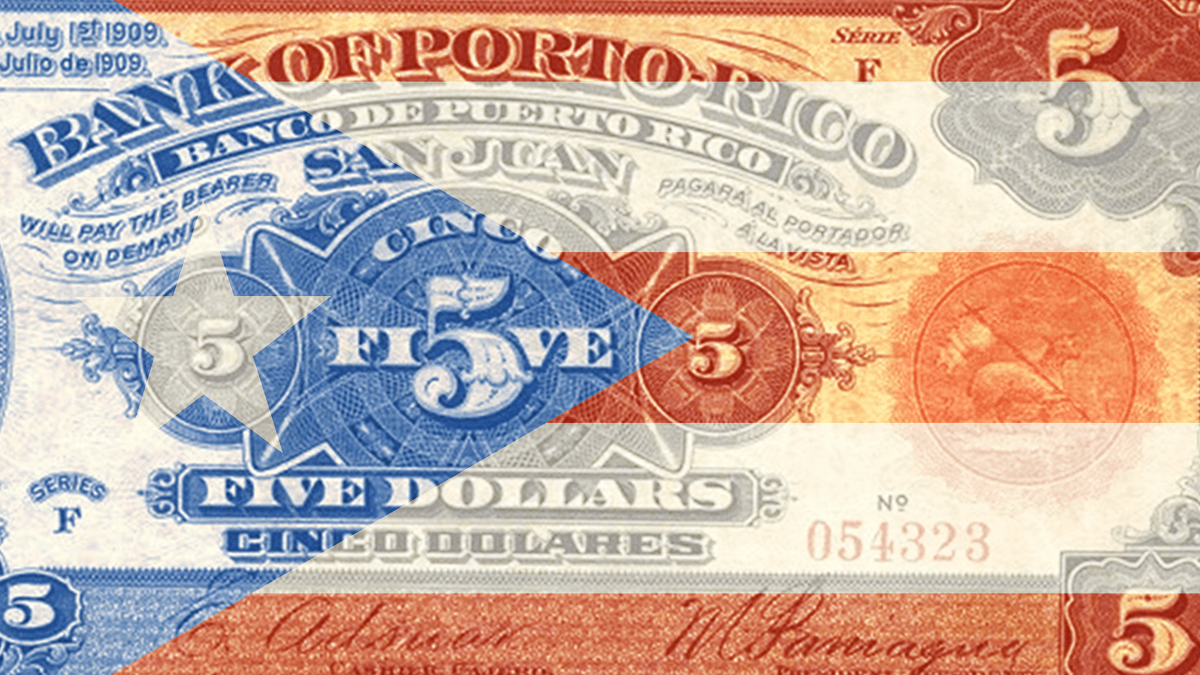
Historically, Puerto Rico transitioned to the United States Dollar after becoming a U.S. territory following the Spanish-American War in 1898. Prior to this, the island used the Spanish peso. The change brought Puerto Rico into a powerful economic sphere, benefiting from the stability and global acceptance of the USD. This shared currency eliminates exchange rate risks for mainland U.S. businesses operating on the island and significantly streamlines trade and investment flows. For the average traveler, it means no complicated calculations or concerns about losing money on unfavorable exchange rates – what you see on a price tag in San Juan is the exact value in your pocket or on your statement back home.
This alignment extends beyond mere currency; it includes access to the U.S. banking system, including the Federal Reserve, and adherence to many U.S. financial regulations. This robust infrastructure helps ensure the security and reliability of transactions across the island, from major hotels and resorts to quaint local shops. It also means that ATMs are readily available, credit card networks are widely accepted, and banking services are generally consistent with what travelers would find anywhere else in the United States. This shared economic foundation is a cornerstone of Puerto Rico’s appeal as a premier travel destination.
Understanding the Practicalities for Visitors
For visitors, the seamless use of the United States Dollar is perhaps the greatest practical advantage. There’s no need to visit a currency exchange bureau before or after your trip, nor will you incur foreign transaction fees if your bank is U.S.-based and your card doesn’t charge them for international purchases (even within the U.S. territories). This simplifies budget travel and allows for more spontaneous spending, whether it’s on an authentic Mofongo at a roadside stand, admission to a historic site, or a souvenir from a local artisan.
When planning your accommodation, booking hotels, or arranging tours and activities, all prices will be quoted in USD. This direct pricing makes comparing costs and making decisions much easier. Whether you’re considering a luxurious stay at the St. Regis Bahia Beach Resort or a more budget-friendly apartment in Condado, the financial aspect is straightforward. This convenience allows travelers to focus more on the rich local culture, the stunning natural beauty of places like El Yunque National Forest, and the vibrant food scene without the added layer of currency conversion stress.
Navigating Transactions: Payment Methods and Financial Tips for Travelers
Understanding that the United States Dollar is the currency is just the first step. For a truly smooth travel experience in Puerto Rico, it’s important to know the best ways to carry and spend your money, whether you’re exploring the historic streets of Old San Juan or relaxing on the pristine beaches of Vieques and Culebra. A mix of payment methods is often the most practical approach, catering to various situations and ensuring you’re prepared for anything.
Cash, Credit, and Debit: Your Options in Puerto Rico
Like the mainland United States, Puerto Rico widely accepts a range of payment methods.
- Cash: While credit and debit cards are prevalent, carrying some cash is always advisable, especially for smaller purchases, local markets, street vendors, and tipping. Small denominations ($1, $5, $10, $20) are particularly useful. ATMs are readily available in major cities like San Juan, as well as in smaller towns and tourist hubs. Most ATMs will dispense USD and are linked to major networks like Cirrus and Plus. Be aware of potential fees from both your bank and the ATM operator.
- Credit Cards: Visa, Mastercard, American Express, and Discover are widely accepted at most hotels, restaurants, shops, and tour operators, especially in tourist-heavy areas. Using a credit card is often the most convenient and secure way to pay for larger expenses, such as hotel suites, car rentals, or fine dining. It also offers fraud protection and can sometimes provide travel rewards. However, it’s wise to inform your bank of your travel plans to prevent any security holds on your card.
- Debit Cards: Debit cards are excellent for withdrawing cash from ATMs and can also be used for purchases, similar to credit cards. Just like with credit cards, it’s important to check with your bank about any foreign transaction fees or daily withdrawal limits. Some travelers prefer to use a separate debit card specifically for travel funds to manage their budget and minimize risk.
When it comes to digital payments, while not as ubiquitous as in some major mainland U.S. cities, mobile payment options like Apple Pay or Google Pay are increasingly available in modern establishments. However, relying solely on these might limit your options, particularly when exploring more rural areas or traditional eateries.
Budgeting for Your Puerto Rican Adventure
Effective budgeting is key to a fulfilling travel experience, whether you’re planning a luxury travel escape or a more budget-conscious trip. Since the USD is the currency, the pricing structures in Puerto Rico will feel familiar, but it’s important to understand the local cost of living and specific expenses.
- Accommodation: Hotel prices can vary significantly depending on the season, location, and type of amenities. A luxury resort in Dorado will naturally cost more than a guesthouse in Rincón. Research and booking in advance often yield better rates.
- Food and Drink: Dining out can range from affordable street food and casual eateries to high-end restaurants. A good budget strategy involves balancing inexpensive local spots with a few splurge meals. Consider grocery shopping for some meals, especially if staying in an apartment or villa with kitchen facilities.
- Transportation: Car rental is a popular option for exploring the island, but taxis, ride-sharing services (in San Juan), and public buses (limited) are also available. Factor in fuel costs and parking fees if renting a car.
- Activities and Attractions: Entrance fees for landmarks, museums, and organized excursions (like kayaking in a bioluminescent bay or visiting El Yunque) should be included in your budget. Look for package deals or free attractions to save money.
By setting a daily budget and tracking your spending, you can ensure a stress-free financial experience. Remember to always keep a small emergency fund separate from your main spending money.
The Economic Landscape and Your Travel Experience
Puerto Rico’s economic landscape, deeply integrated with the U.S. Dollar, has a direct bearing on the cost of your travel experience. While the familiar currency eliminates conversion hassles, understanding the local economy helps manage expectations regarding prices, tipping customs, and overall spending power. The island offers a diverse range of experiences, from opulent resorts to charming local guesthouses, and your choices will significantly influence your financial outlay.
Prices, Tipping, and the Cost of Living
One common misconception for first-time visitors from the mainland U.S. might be that prices in Puerto Rico are significantly lower across the board. While certain local goods and services can be more affordable, many imported items and services, particularly in the tourism sector, can be comparable to or even higher than mainland U.S. prices. This is due to factors like import costs, island logistics, and taxes.
- Accommodation: Expect prices for hotel rooms and vacation rentals in popular areas like San Juan or high-demand coastal towns to be similar to mid-range to high-end U.S. destinations, especially during peak season. However, there are certainly budget-friendly options available if you research thoroughly and book in advance.
- Food and Dining: Groceries can be slightly higher than in many mainland U.S. states. Restaurant prices are generally on par with U.S. averages, though you can find excellent value at local “kioskos” or “chinchorros” serving authentic Puerto Rican cuisine.
- Transportation: Gas prices tend to be similar or slightly higher than the U.S. average. Taxis and private transfers can add up, so factor these into your daily budget if you plan on frequent use.
- Tipping Culture: Tipping customs in Puerto Rico are identical to those in the mainland United States. It is customary to tip 15-20% for good service at restaurants, bars, and for personal services. Hotel staff (bellhops, housekeepers), tour guides, and taxi drivers also appreciate tips for their service. Always have small bills on hand for this purpose.
Understanding these pricing dynamics allows you to plan your tourism activities and lifestyle choices more effectively, ensuring your budget aligns with your desired experiences.
Maximizing Your Spending Power: Smart Tips for Tourists
To make your United States Dollar go further in Puerto Rico, consider these smart strategies:
- Eat Local: Embrace the local food scene. Kioskos (small food stands, famously found in Luquillo), panaderías (bakeries), and food trucks offer delicious and authentic meals at a fraction of the cost of tourist-oriented restaurants. Dishes like pasteles, alcapurrias, and bacalaítos are not only flavorful but also budget-friendly.
- Leverage Accommodation Amenities: If staying in an apartment or villa, utilize the kitchen to prepare some of your own meals. This is especially useful for breakfast and packing lunches for day trips to landmarks or beaches.
- Seek Free Attractions: Puerto Rico boasts numerous free or low-cost attractions. Strolling through Old San Juan, relaxing on its many public beaches like Flamenco Beach on Culebra, or hiking in El Yunque National Forest (with some trails requiring small fees) are fantastic ways to enjoy the island without breaking the bank. Many festivals and cultural events also offer free admission.
- Use Public Transportation When Possible: In San Juan, the public bus system and the Tren Urbano can be very inexpensive ways to get around certain areas, though they don’t cover the entire island comprehensively. For longer distances, consider carpooling with fellow travelers if possible.
- Take Advantage of Happy Hours: Many bars and restaurants, especially in tourist destinations like Condado and Isla Verde, offer happy hour specials on drinks and appetizers, providing a great way to experience the local nightlife more affordably.
By being mindful of these tips, you can enjoy a rich and rewarding Puerto Rican experience that aligns with your financial goals, whether you’re traveling on a shoestring or indulging in a luxurious getaway.
Beyond the Basics: Cultural Nuances and Modern Convenience
While the United States Dollar simplifies transactions, a complete understanding of Puerto Rico’s financial ecosystem goes beyond just the currency. It involves appreciating how money integrates with the local culture and recognizing the evolving landscape of modern payment technologies on the island. This broader perspective enhances your overall travel and tourism journey, allowing you to connect more deeply with the destination.
Embracing Local Commerce and Authenticity
Puerto Rico offers a wealth of opportunities to experience authentic local commerce, from bustling farmer’s markets to artisan workshops. In these settings, cash often reigns supreme, especially with smaller vendors. Engaging with local entrepreneurs by paying with cash not only supports their businesses directly but also provides a more genuine interaction. This is particularly true in areas outside the main tourist centers of San Juan, where smaller towns and villages might have fewer card-processing capabilities.
Exploring these local markets, often a highlight of the tourism experience, provides a chance to purchase unique handcrafted souvenirs, fresh produce, and traditional snacks. Vendors at these spots might not accept credit cards due to transaction fees or simply their business model. Therefore, having a supply of USD in smaller bills is essential for seamless transactions and to fully participate in these authentic cultural experiences. It’s part of immersing yourself in the local culture and contributing to the island’s diverse economy.
Moreover, haggling is generally not part of the shopping culture in Puerto Rico, even in local markets, but friendly negotiation might be possible for larger purchases from independent sellers. Always approach these interactions with respect and a smile. The familiarity of the USD makes these exchanges straightforward, allowing you to focus on the product and the interaction rather than currency conversion.

The Future of Payments and Digital Wallets in the Caribbean
While cash and traditional card payments remain dominant, Puerto Rico is gradually embracing more modern payment methods, particularly in urban areas and major hotel chains. Digital wallets like Apple Pay and Google Pay are increasingly accepted at larger retailers, chain restaurants, and some modern boutique hotels. This trend reflects a broader shift towards convenience and contactless transactions, a development that is slowly but surely making its way across the Caribbean.
For tech-savvy travelers, this means a growing number of establishments will accommodate payments directly from their smartphones or smartwatches, adding another layer of convenience. However, it’s crucial not to rely solely on these methods, as acceptance varies widely. Always have a backup plan with physical cards and cash, especially when venturing off the beaten path or exploring establishments focused on traditional tourism without the latest tech amenities.
The continuous development of payment technologies in Puerto Rico underscores its position as a dynamic travel destination that blends rich history and vibrant culture with modern conveniences. For future trips, it’s always a good idea to check for the latest payment trends, as the island’s infrastructure continues to evolve, further enhancing the travel experience for visitors from all over the world, particularly those from the mainland U.S. who already use the very same United States Dollar. This blend of traditional and modern ensures that managing your finances in Puerto Rico is straightforward, allowing you to fully immerse yourself in everything this beautiful island has to offer, from its stunning landmarks to its inviting lifestyle and unforgettable experiences.
LifeOutOfTheBox is a participant in the Amazon Services LLC Associates Program, an affiliate advertising program designed to provide a means for sites to earn advertising fees by advertising and linking to Amazon.com. Amazon, the Amazon logo, AmazonSupply, and the AmazonSupply logo are trademarks of Amazon.com, Inc. or its affiliates. As an Amazon Associate we earn affiliate commissions from qualifying purchases.