
Nestled in the heart of the Caribbean, the vibrant island of Puerto Rico beckons travelers with its rich culture, stunning landscapes, and, perhaps most importantly, its famously warm and inviting weather. For anyone planning a visit, understanding the local climate is paramount to curating the perfect travel experience, whether you’re seeking sun-drenched beaches, exhilarating adventure, or cultural immersion. Puerto Rico’s climate is distinctly tropical, characterized by consistently high temperatures, ample sunshine, and varying levels of humidity and rainfall throughout the year. This enchanting blend ensures that the island remains a popular destination, but knowing the nuances of its weather patterns can significantly enhance your trip planning, from selecting the best time to visit to packing appropriately for your chosen activities and accommodations.
Understanding Puerto Rico’s Tropical Climate
Puerto Rico, situated between the Caribbean Sea and the Atlantic Ocean as the smallest and easternmost island of the Greater Antilles, enjoys a quintessential tropical monsoon climate. This means predictable warmth year-round, influenced heavily by its proximity to the equator and the prevailing Trade Winds that sweep across the island. These elements combine to create an environment that is generally ideal for tourism, but with distinct characteristics that travelers should be aware of.
A Year-Round Paradise: Temperatures and Humidity
One of the most appealing aspects of Puerto Rico’s weather is its remarkable consistency in temperature. There isn’t a dramatic four-season cycle like in many parts of the United States; instead, visitors can expect balmy conditions regardless of the month. Average daytime temperatures typically hover between 75°F (24°C) and 85°F (29°C) across the coastal regions, with nighttime lows rarely dipping below 70°F (21°C). Even in what might be considered the “cooler” months of December through February, the weather remains delightfully warm, perfect for beach outings and outdoor exploration.
Humidity is a constant companion in the tropics, and Puerto Rico is no exception. Relative humidity often ranges from 70% to 80%, contributing to the lush, verdant landscapes the island is famous for. While this high humidity makes the air feel warmer than the thermometer might suggest, the constant breeze from the Trade Winds, especially along the coast, provides a welcome cooling effect. For those staying inland or in mountainous areas, the humidity can feel more pronounced, making lightweight and breathable clothing a must. Resorts and hotels across the island are well-equipped with air conditioning, offering a comfortable retreat from the tropical warmth.
The Rhythm of Rainfall: Wet and Dry Seasons
While temperatures remain stable, rainfall patterns in Puerto Rico exhibit a more distinct seasonal variation, broadly dividing the year into a “dry season” and a “wet season.” The dry season typically runs from December to April. During these months, rainfall is at its lowest, and days are generally sunnier with clear skies. This period is often considered the peak tourist season due to the favorable weather conditions, making it an excellent time for beach destinations, outdoor activities like hiking and snorkeling, and exploring landmarks such as Old San Juan without the frequent interruption of rain showers.
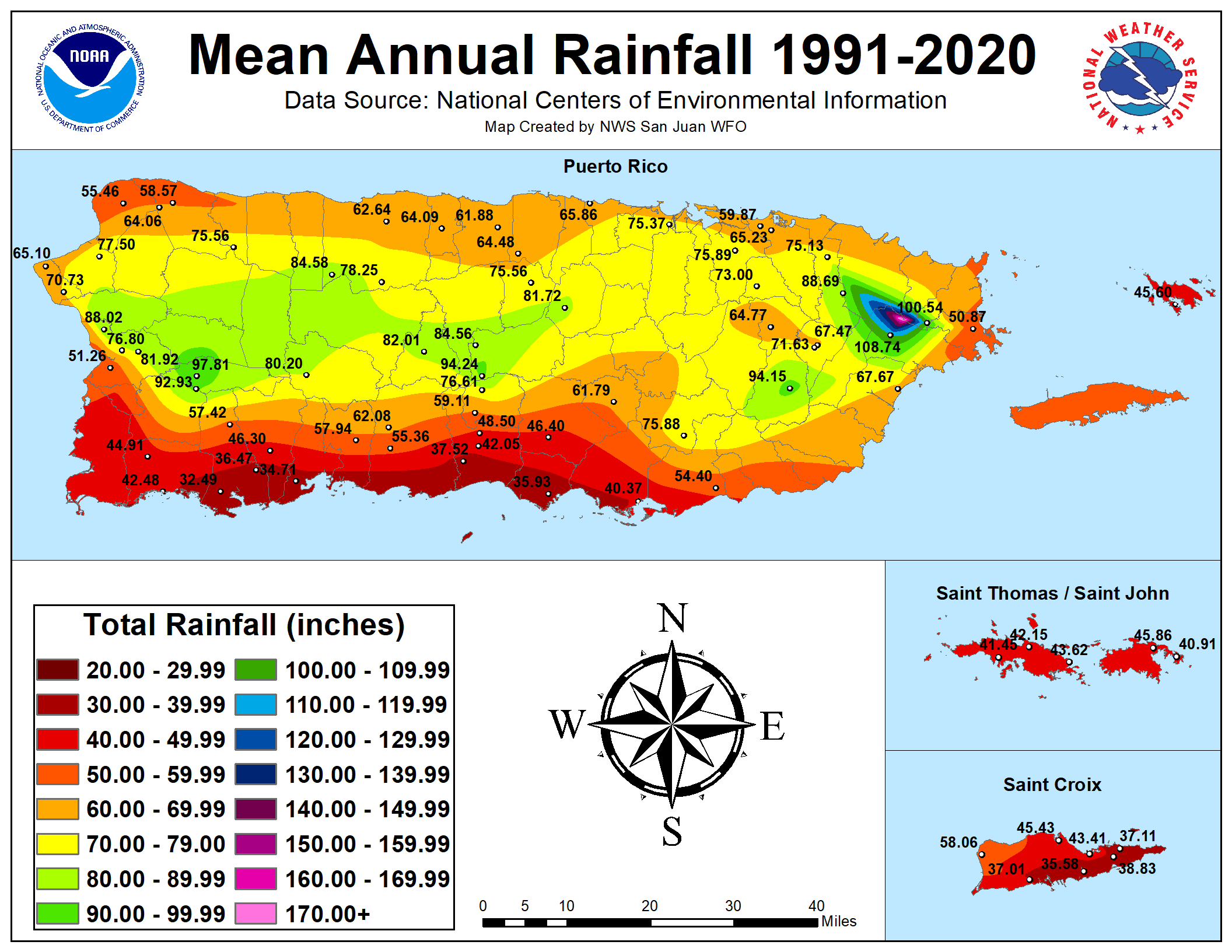
Conversely, the wet season spans from May to November. During these months, rainfall increases significantly, characterized by more frequent and often heavier showers. However, it’s crucial to understand that “wet season” in Puerto Rico rarely means continuous, day-long downpours. Instead, rain typically comes in the form of intense, tropical showers that might last for an hour or two before giving way to sunshine again. These localized showers are often refreshing, clearing the air and making the landscape even more vibrant. The wet season also coincides with warmer ocean temperatures, which can be delightful for swimming and water sports. The interior, particularly the mountainous regions like El Yunque National Forest, experiences significantly more rainfall than the coastal areas year-round, contributing to its lush rainforest ecosystem.
Navigating the Seasons: Key Considerations for Travelers
Understanding these seasonal rhythms is crucial for planning your Puerto Rico vacation. Your preferred activities, budget, and tolerance for potential rain or heat will largely dictate the ideal time for your visit.
Hurricane Season: What You Need to Know
A significant factor in Caribbean travel, and thus for Puerto Rico, is hurricane season. This period officially runs from June 1st to November 30th, with the peak activity typically occurring between mid-August and late October. While the probability of a direct hit by a major hurricane in any given year is relatively low, it is a serious consideration for travelers.
Modern weather forecasting provides ample warning for developing storms, allowing travelers to adjust plans or evacuate if necessary. Many hotels and resorts offer flexible cancellation policies during hurricane season, and travel insurance is highly recommended for trips during these months. Despite the risk, many travelers choose to visit during hurricane season because it often brings fewer crowds, lower prices for accommodation and flights, and still offers plenty of beautiful, sunny days. It’s a trade-off: potentially more rain and the rare risk of a major storm versus better deals and a more tranquil experience.
Best Times to Visit: Balancing Weather and Crowds
For those prioritizing minimal rainfall and comfortable temperatures, the dry season (December to April) is undoubtedly the most popular time to visit. This period boasts sunny skies, lower humidity, and gentle breezes, creating ideal conditions for exploring San Juan, lounging on beaches like Luquillo Beach, or enjoying watersports off the coast of Fajardo. However, this popularity means higher prices for flights and hotels and larger crowds at major attractions. If you plan to travel during these months, especially around holidays like Christmas, New Year’s, or Easter, it’s essential to book your accommodations and experiences well in advance.
If you’re looking for a balance between good weather and fewer crowds, the shoulder months of May, early June, and November can be excellent choices. May and early June mark the transition from the dry to the wet season, offering plenty of sunshine alongside sporadic, refreshing showers. Prices for travel and hotels tend to be more moderate during these times. November, after the peak of hurricane season, often sees improving weather as the island prepares for the drier winter months, making it another smart option for those seeking value without compromising too much on climate.
Regional Weather Variations Across the Island
While Puerto Rico generally maintains a tropical climate, the island’s diverse topography creates fascinating microclimates. These regional differences can significantly impact your experience, making it worthwhile to consider where on the island you plan to spend your time.
Coastal Charm vs. Mountainous Majesty
The coastal plains are typically warmer and drier than the island’s interior. Cities like San Juan, Ponce, Fajardo, Rincón, Dorado, and Isabela enjoy abundant sunshine and comfortable sea breezes, making them perfect for beach vacations, surfing, and sailing. The average temperatures here are slightly higher, and the humidity is often mitigated by the ocean air. This is where most of Puerto Rico’s major resorts and vibrant tourism hubs are located, catering to those who desire a classic tropical escape.
Venture into the central mountainous regions, and you’ll encounter a noticeably different climate. Areas like El Yunque National Forest, the only tropical rainforest in the United States National Forest System, receive significantly more rainfall. This increased precipitation, combined with higher elevations, results in cooler temperatures and a perpetually lush, verdant environment. Daytime temperatures in the mountains can be 5-10 degrees Fahrenheit cooler than on the coast, and nights can feel quite crisp, especially from December to February. If your lifestyle preferences lean towards hiking, exploring cloud forests, or enjoying cooler, mist-shrouded landscapes, the central highlands (e.g., around Utuado or Arecibo) offer a distinct contrast to the coastal warmth.
Microclimates and Their Impact on Activities
Beyond the general coastal-versus-mountainous divide, smaller microclimates exist that can influence specific activities. For instance, the southwest coast, particularly around Ponce and south towards La Parguera, is generally drier and hotter than the rest of the island due to its position in the rain shadow of the central mountains. This makes it ideal for exploring dry forests and unique geological formations, but perhaps less appealing for those sensitive to intense heat.
The eastern coast, including Fajardo, is often calmer on the Atlantic Ocean side, protected by the adjacent islands of Vieques and Culebra and making it excellent for sailing and calm water activities. The western coast, facing the Mona Passage, experiences stronger swells, creating prime conditions for surfing, especially in Rincón during the winter months. Even on the smaller islands of Vieques and Culebra, known for their pristine beaches like Flamenco Beach, the weather mirrors the main island’s coastal patterns, albeit with a slightly more arid feel in some areas. These nuances mean that a short drive can take you from one weather experience to another, broadening the range of experiences available during your stay.
Preparing for Your Puerto Rico Adventure
Armed with knowledge of Puerto Rico’s weather, you can make informed decisions that ensure a comfortable and enjoyable trip. Thoughtful preparation, especially regarding packing and activity planning, is key.
What to Pack: Essentials for Every Season
Regardless of when you visit, lightweight, breathable clothing made from natural fabrics like cotton or linen is essential. Shorts, t-shirts, sundresses, and swimwear will be your primary wardrobe. Even during the dry season, a light rain jacket or umbrella is a wise addition, especially if you plan to venture into the rainforest or explore mountainous regions. For evenings, a light sweater or long-sleeved shirt can be comfortable in air-conditioned restaurants or on cooler nights, though it’s rarely a necessity.
Comfortable walking shoes are a must for exploring historic sites in Old San Juan or hiking trails. If you’re heading to El Yunque National Forest, consider waterproof hiking sandals or shoes with good grip. Don’t forget sun protection: a wide-brimmed hat, sunglasses, and reef-safe sunscreen are indispensable for protecting yourself from the strong tropical sun. Insect repellent is also highly recommended, particularly for evenings and visits to more verdant areas or bioluminescent bays.
Weather-Dependent Activities and Experiences
Puerto Rico’s weather greatly influences the popularity and feasibility of various activities.
- Beach Activities: Pristine beaches like Luquillo Beach on the east coast or the surfing havens of Rincón thrive in sunny, dry conditions, making the dry season ideal. However, warm ocean temperatures year-round mean swimming and snorkeling are always an option.
- Rainforest Exploration: El Yunque National Forest is spectacular in any season. While the wet season means more mud and frequent showers, it also means waterfalls are at their most powerful and the foliage is incredibly lush. Just be prepared with appropriate gear.
- Bioluminescent Bays: The visibility of the bioluminescence in bays like Mosquito Bay on Vieques, Laguna Grande in Fajardo, and La Parguera on the southwest coast can be affected by the moon cycle and heavy rainfall. Clearer skies and less rain generally lead to better viewing conditions, though the phenomenon itself is always present. Check moon calendars and local conditions when planning.
- City Exploration: Old San Juan is beautiful year-round. While the heat and humidity can be intense during the wet season, the intermittent showers can offer a welcome cool-down. The dry season provides comfortable conditions for leisurely strolls through its historic streets.

Conclusion: Embracing Puerto Rico’s Diverse Climate
In essence, Puerto Rico is a land of eternal summer, offering a warm and inviting climate throughout the year. While the distinction between dry and wet seasons, coupled with the unique challenges of hurricane season, requires thoughtful planning, it rarely deters the intrepid traveler. Instead, understanding these weather patterns allows for a more enriching and tailored experience, whether you’re drawn to the sun-kissed sands of Dorado, the vibrant nightlife of San Juan, or the misty trails of El Yunque National Forest. By embracing the island’s tropical nature and preparing accordingly, you can unlock the full potential of this Caribbean gem, ensuring your Puerto Rico adventure is everything you dreamed of and more. Enjoy the warmth, the sunshine, and the occasional refreshing shower that makes this island truly unique.
LifeOutOfTheBox is a participant in the Amazon Services LLC Associates Program, an affiliate advertising program designed to provide a means for sites to earn advertising fees by advertising and linking to Amazon.com. Amazon, the Amazon logo, AmazonSupply, and the AmazonSupply logo are trademarks of Amazon.com, Inc. or its affiliates. As an Amazon Associate we earn affiliate commissions from qualifying purchases.