
Puerto Rico, a vibrant island territory of the United States nestled in the Caribbean, presents a fascinating economic landscape. Its allure for travelers, from the historic cobblestone streets of Old San Juan to the bioluminescent bays and lush rainforests of El Yunque National Forest, is undeniable. Yet, behind the scenes of its booming tourism industry and rich cultural tapestry lies a complex economic structure, where the public sector plays a significant and often debated role. Understanding the percentage of government workers in Puerto Rico is not merely an exercise in statistics; it offers crucial insights into the island’s economic health, its social services, and even the daily experience of its residents and visitors.

The size and scope of the public sector in any economy can heavily influence everything from infrastructure development to the cost of living and the availability of services. In a place like Puerto Rico, with its unique political status and ongoing fiscal challenges, the role of government employment takes on added weight. For those considering travel, long-term stays, or even relocating, grasping this fundamental aspect of the island’s economy provides a deeper appreciation of its dynamics, from how local tourism boards operate to the condition of public services that underpin a smooth travel experience.
Unpacking the Public Sector’s Footprint in Puerto Rico
The public sector in Puerto Rico encompasses a broad range of entities, including the central government, municipalities, public corporations, and the federal government employees working on the island. Historically, government employment has been a substantial pillar of the Puerto Rican economy, often serving as a key employer in times when other sectors faced stagnation. This has led to a distinctive labor market where public service has traditionally offered stability and benefits, making it an attractive career path for many islanders.
The exact percentage of government workers can fluctuate based on various factors, including economic downturns, fiscal reforms, and political changes. However, data from various sources, including the Puerto Rico Department of Labor and Human Resources and federal statistics, generally paint a consistent picture. While the numbers have seen efforts towards reduction in recent years due to fiscal austerity measures, the public sector still represents a significant portion of the total workforce.
The Current Landscape: Key Statistics
As of recent comprehensive reports (which vary slightly depending on the year and methodology of data collection, but generally hover in a similar range), the percentage of the workforce employed by the government in Puerto Rico has been notably higher than in many mainland U.S. states. While precise real-time figures are dynamic, analyses in the mid-2010s often showed figures upwards of 20-25% of the total non-farm employment engaged in public administration and related services. More recent efforts to streamline government and address fiscal challenges have aimed to reduce this number, bringing it closer to 15-20% of the total workforce, but it remains substantial. This includes employees of the Commonwealth of Puerto Rico government, municipalities like San Juan or Ponce, and public corporations responsible for services such as water, electricity, and transportation. Federal government employees, while a smaller cohort, also contribute to this overall percentage.
This means that for every five to seven working individuals you encounter on the island, at least one is likely employed by a government entity. This statistic underscores the profound impact the public sector has on the island’s economy and social fabric. It shapes income distribution, consumer spending, and the demand for goods and services, influencing everything from local businesses in bustling districts to the vibrancy of more remote areas like Vieques or Culebra.
Defining “Government Worker” in the Puerto Rican Context
Understanding this percentage requires a clear definition of what constitutes a “government worker.” In Puerto Rico, this term broadly includes:
- Central Government Employees: These are individuals working directly for the departments and agencies of the Commonwealth of Puerto Rico, such as the Department of Education, Department of Health, and the Puerto Rico Treasury Department.
- Municipal Employees: Staff hired by the 78 municipalities across the island to provide local services, ranging from sanitation to local police and recreational programs.
- Public Corporation Employees: Individuals working for entities like the Puerto Rico Electric Power Authority (PREPA), the Puerto Rico Aqueduct and Sewer Authority (PRASA), and the Puerto Rico Highway and Transportation Authority. These corporations operate like businesses but are government-owned and provide essential public services.
- Federal Employees: A smaller but significant group working for various U.S. federal agencies present on the island, such as the FEMA offices, federal courts, and post offices.
The inclusion of public corporations is particularly important in Puerto Rico’s context, as these entities often employ a large number of individuals and are central to the island’s infrastructure and services, directly affecting the quality of life for residents and the experience for tourists.
Historical Evolution and Economic Implications
The significant role of government employment in Puerto Rico is not a recent phenomenon but rather a product of its historical development and economic policies over many decades. Understanding this trajectory is crucial to appreciating the current state of affairs and its broader implications.
From Agricultural Roots to Public Service Dominance
Historically, Puerto Rico’s economy was predominantly agrarian, with sugar cane and coffee cultivation forming its backbone. However, post-World War II, the island underwent a rapid industrialization program known as “Operation Bootstrap,” which aimed to transform its economy into a manufacturing hub, attracting U.S. companies with tax incentives. While successful in creating industrial jobs, the government’s role expanded significantly during this period to build the necessary infrastructure and provide social services for a growing urban population. Public sector employment began its steady ascent, offering more stable and often better-compensated positions than some private sector alternatives.
Throughout the late 20th century, as manufacturing declined and the island faced increasing economic challenges, the public sector often served as an employer of last resort, leading to further expansion. This trend, while providing employment, also contributed to a growing public debt and fiscal strain, a situation that became critical in the 21st century.
Impact on the Economy, Debt, and Fiscal Health
The large public sector has had profound and often dual impacts on Puerto Rico’s economy. On one hand, it provides essential services, from education and healthcare to public safety and infrastructure maintenance, which are vital for a functional society and a robust tourism sector. Government salaries and pensions also represent a substantial portion of the island’s economic activity, supporting local businesses and consumption across various sectors, including those catering to tourism.
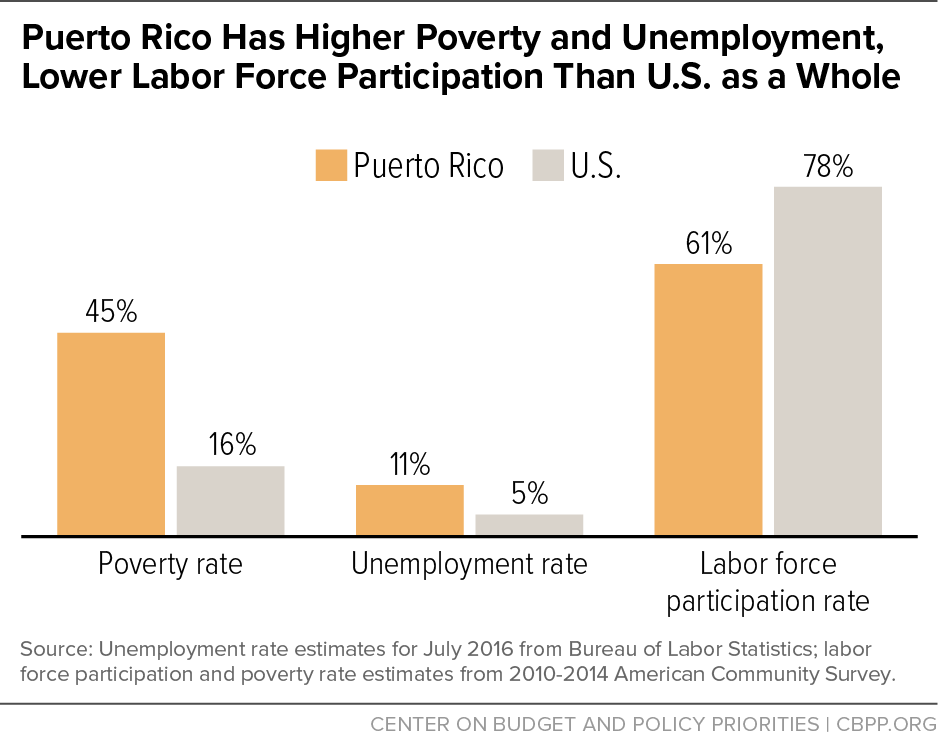
On the other hand, the expansion of government employment, particularly when not aligned with sustainable revenue growth, has been a major contributor to Puerto Rico’s well-documented fiscal crisis. High personnel costs, generous pension systems, and an often-bloated bureaucracy led to significant budgetary imbalances and a towering public debt. The creation of the Fiscal Oversight and Management Board in 2016, a direct response to the debt crisis, explicitly mandated a reduction in government spending and workforce as a cornerstone of the island’s recovery plan. This has led to ongoing efforts to right-size the government, resulting in layoffs and a more cautious approach to hiring, which in turn impacts the overall employment percentage. These fiscal challenges also affect the government’s capacity to invest in critical infrastructure improvements, a factor that can impact the overall travel experience, from road conditions to utility reliability.
The Public Sector’s Interplay with Puerto Rico’s Tourism Economy
For visitors exploring Puerto Rico’s stunning beaches, vibrant culture, and historical landmarks, the presence and efficiency of the public sector might not be immediately obvious, but its influence is pervasive. From the upkeep of national parks to the regulation of hotels and the development of tourism initiatives, government workers play a critical, if often unseen, role in shaping the visitor experience.
Infrastructure and Services: A Foundation for Visitors
The public sector is responsible for the fundamental infrastructure that underpins any thriving tourism industry. This includes the maintenance of roads leading to popular destinations like Rincón or Luquillo Beach, the operation of ports and airports, and the provision of essential utilities like water and electricity to hotels and resorts. Government agencies are also key in managing and preserving Puerto Rico’s natural treasures, such as the diverse ecosystems of El Yunque National Forest and the protected marine environments around Culebra.
The efficiency and effectiveness of these public services directly impact a tourist’s stay. Well-maintained public areas, reliable transportation networks, and accessible information services (often provided by government-funded tourism offices) contribute significantly to a positive travel experience. While challenges in infrastructure persist, particularly after events like Hurricane Maria, government efforts in reconstruction and modernization are crucial for sustaining and expanding the island’s appeal as a top Caribbean destination.
Lifestyle and Local Culture: Experiencing the Island’s Workforce
Beyond infrastructure, the public sector workforce is an integral part of Puerto Rico’s social fabric and local culture. Many government workers live and work in the communities popular with tourists, their daily lives and economic contributions shaping the local economy and atmosphere. When you stay in a hotel in Condado, dine at a local restaurant in Ponce, or shop for souvenirs in Old San Juan, you are interacting with an economy significantly influenced by government employment.
The stability that public sector jobs historically provided for many families has allowed for the preservation of cultural traditions and the growth of a vibrant middle class, which in turn supports local businesses, arts, and festivals that draw visitors. Understanding this dynamic helps tourists appreciate the intricate layers of Puerto Rican society beyond the postcard-perfect beaches. It informs a deeper understanding of local communities and the people who make the island so welcoming.
Government Policies and Tourism Growth
The Puerto Rico Tourism Company, a government entity, plays a pivotal role in promoting the island as a travel destination. Its initiatives, marketing campaigns, and regulatory functions directly influence tourism growth. Government policies related to taxation, investment incentives for hotels and resorts (like the new Dorado developments), and visa regulations all shape the landscape for tourism businesses and international visitors.
For instance, favorable tax policies for hotel development or investment in tourism infrastructure can spur growth in the accommodation sector, leading to more options for travelers, from luxury resorts to budget-friendly apartments. Conversely, fiscal austerity measures that impact public services or limit government funding for tourism initiatives could inadvertently hinder growth. The balancing act between fiscal responsibility and investing in growth sectors like tourism is a constant challenge for the government, directly affecting the future potential of Puerto Rico as a travel destination.
Navigating Puerto Rico: A Visitor’s Perspective
Understanding the percentage and role of government workers in Puerto Rico offers a unique lens through which to plan and experience your visit. It’s about more than just statistics; it’s about appreciating the underlying systems that make your travel possible and enjoyable.
Planning Your Trip: Understanding Local Dynamics
When planning your trip to Puerto Rico, an awareness of the island’s socio-economic structure can enrich your experience. For instance, knowing about public sector employment helps you understand why certain services might operate differently than what you’re accustomed to, or why some infrastructure projects might be progressing at a particular pace. It encourages a more patient and informed approach to exploring the island.
Consider the local economy: Many small businesses, from tour operators to family-run restaurants, thrive on both tourist spending and the steady income generated by government workers. Supporting these local establishments not only enhances your trip but also contributes directly to the economic well-being of the communities you visit. Whether you’re seeking a unique culinary experience in San Juan or an authentic cultural immersion, your choices can have a meaningful impact.
Accommodation and Travel: How Public Services Shape Your Stay
The quality and reliability of public services, largely managed by government workers, directly affect your accommodation and travel logistics. For example, local police (municipal government workers) ensure safety in tourist zones, while public transportation authorities (often public corporations) manage bus routes and ferry services to islands like Vieques. The cleanliness of public beaches and parks, maintained by municipal workers, contributes significantly to their appeal.
When booking your accommodation, be it a suite at a Marriott resort in Dorado or a charming guesthouse in Old San Juan, consider that the underlying utilities and public services are provided by a workforce heavily influenced by the public sector. Even renowned landmarks like Castillo San Felipe del Morro and La Fortaleza are maintained and managed by government entities, ensuring their preservation for future generations of visitors.
In conclusion, the percentage of government workers in Puerto Rico is more than just a figure; it’s a window into the island’s complex economy, its historical development, and the intricate web of services and infrastructure that support both its residents and its flourishing tourism industry. For the curious traveler, understanding this aspect adds a richer dimension to their journey, offering insights into the vibrant culture, resilient people, and dynamic landscape that make Puerto Rico an unforgettable destination.
LifeOutOfTheBox is a participant in the Amazon Services LLC Associates Program, an affiliate advertising program designed to provide a means for sites to earn advertising fees by advertising and linking to Amazon.com. Amazon, the Amazon logo, AmazonSupply, and the AmazonSupply logo are trademarks of Amazon.com, Inc. or its affiliates. As an Amazon Associate we earn affiliate commissions from qualifying purchases.