
The question “Who discovered Puerto Rico?” often sparks a fascinating journey into the annals of history, a narrative rich with indigenous heritage, European exploration, and the complex tapestry of cultural collision. While the phrase “discovery” itself is frequently debated, especially in the context of lands already inhabited, it historically refers to the arrival of Europeans and their subsequent claim. For Puerto Rico, this pivotal moment in recorded history is inextricably linked to the voyages of Christopher Columbus. However, to truly understand the island’s story, one must first acknowledge the vibrant civilizations that flourished long before any European sail appeared on the horizon.
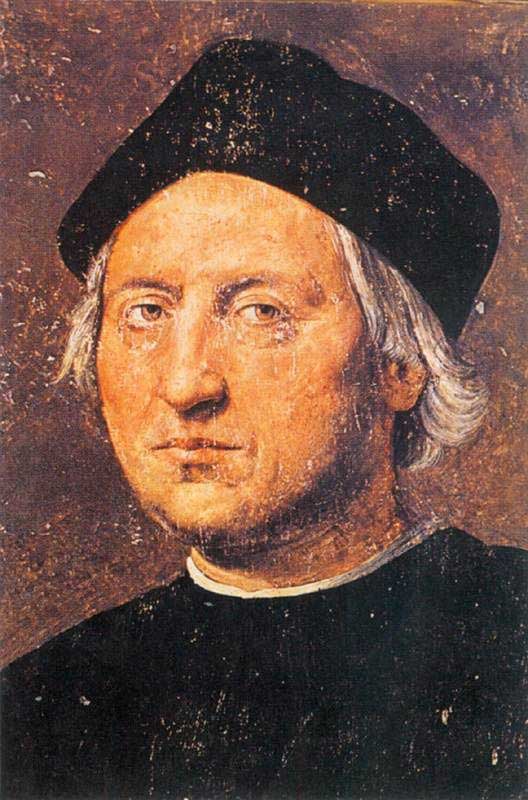
This article delves into the historical context of Puerto Rico’s “discovery,” examining the pre-Columbian inhabitants, Columbus’s arrival, and the lasting impact of this encounter on the island’s culture, demographics, and development. We’ll explore the historical sites that commemorate these events, offering insights for travelers keen to connect with the island’s profound past, understand its unique blend of influences, and appreciate its enduring spirit as a premier travel destination in the Caribbean.
The Original Inhabitants: A Rich Indigenous Heritage
Before the arrival of Europeans, the island now known as Puerto Rico was a thriving land, home to sophisticated indigenous cultures. Archaeological evidence suggests human settlement dating back as far as 4,000 years, with successive waves of migration shaping the island’s pre-colonial identity. The earliest inhabitants, often referred to as the Arcaicos, were primarily hunter-gatherers. They were followed by groups from South America, notably the Saladoids and then the Igneris, who brought with them agricultural practices and advanced pottery skills.
By the time Columbus set foot on its shores, the dominant indigenous group was the Taíno people. The Taínos were part of the larger Arawak linguistic group, and their society was highly organized, characterized by a complex social structure, advanced agricultural techniques, and a rich spiritual life. They called their island Borikén or Boriquen, meaning “Land of the Valiant Lord” or “Land of the Great Lords,” a name that resonates deeply with Puerto Ricans today and is often used as a proud identifier.
The Taíno political structure consisted of distinct chiefdoms, each led by a cacique (chief), often inherited through the maternal line. Villages, known as yucayeques, housed populations ranging from hundreds to thousands, with homes called bohíos and communal ball courts known as bateys. Their economy was based on farming, primarily cultivating yucca (cassava), maize, sweet potatoes, and tobacco. They were skilled artisans, crafting intricate pottery, weaving cotton, and creating elaborate jewelry from shells, stones, and gold. Their spiritual beliefs centered around zemis, ancestral spirits or deities represented by carved figures, which played a crucial role in their ceremonies and daily life. The legacy of the Taíno people is profound, evident in Puerto Rico’s language (words like hammock, hurricane, barbecue), cuisine, and the enduring resilience of its people. Understanding this rich pre-Columbian history is essential for any traveler seeking to delve into the true essence of Puerto Rican culture and appreciate the layers of its heritage. Many cultural centers and museums across the island, such as the Tibes Indigenous Ceremonial Center near Ponce, offer visitors a glimpse into this fascinating ancient world, showcasing archaeological finds and reconstructed villages that honor the island’s first inhabitants.
Christopher Columbus’s Arrival: A Moment of European “Discovery”
The traditional answer to “Who discovered Puerto Rico?” points directly to Christopher Columbus during his second voyage to the Americas. Having embarked from Cádiz, Spain, on September 25, 1493, with a fleet of 17 ships and around 1,200 to 1,500 men, Columbus’s primary objective was to establish permanent settlements and further explore the lands he had encountered on his first journey.
On November 19, 1493, the fleet sighted a large island. Columbus claimed it for Spain and initially named it San Juan Bautista (Saint John the Baptist), in honor of Saint John the Baptist. Historical accounts suggest the precise landing spot was likely on the western coast, possibly near what is now Aguada or Mayagüez. Upon landing, Columbus and his crew encountered the Taíno people, who greeted them with a mix of curiosity and caution. The initial interactions, as documented by Columbus’s companions, were relatively peaceful, though overshadowed by the superior military technology of the Europeans.
Columbus spent only a short time on the island, primarily to resupply his ships with fresh water and provisions before continuing his journey westward to Hispaniola (present-day Haiti and the Dominican Republic). Despite the brief visit, his “discovery” marked the official entry of Puerto Rico into European maps and colonial ambitions. The name of the island would later evolve. Initially, the capital city founded by the Spanish was called Puerto Rico (Rich Port) due to the abundance of gold found in its rivers. Over time, the entire island adopted the name Puerto Rico, while the capital became San Juan. This name change reflects the island’s perceived wealth and its burgeoning importance as a strategic port in the Spanish Empire.
Travelers today can explore various sites that subtly allude to this period. While there isn’t a single definitive Columbus landing monument, the island’s long history of Spanish influence is palpable everywhere, from the architecture of Old San Juan to the very language spoken. Understanding this moment of “discovery” is crucial for appreciating the subsequent waves of colonization, cultural fusion, and the development of Puerto Rico into the vibrant destination it is today. It’s a starting point for exploring the layered narratives of the island, allowing visitors to connect with its historical roots and the profound transformations initiated by this European encounter.
The Era of Spanish Colonization
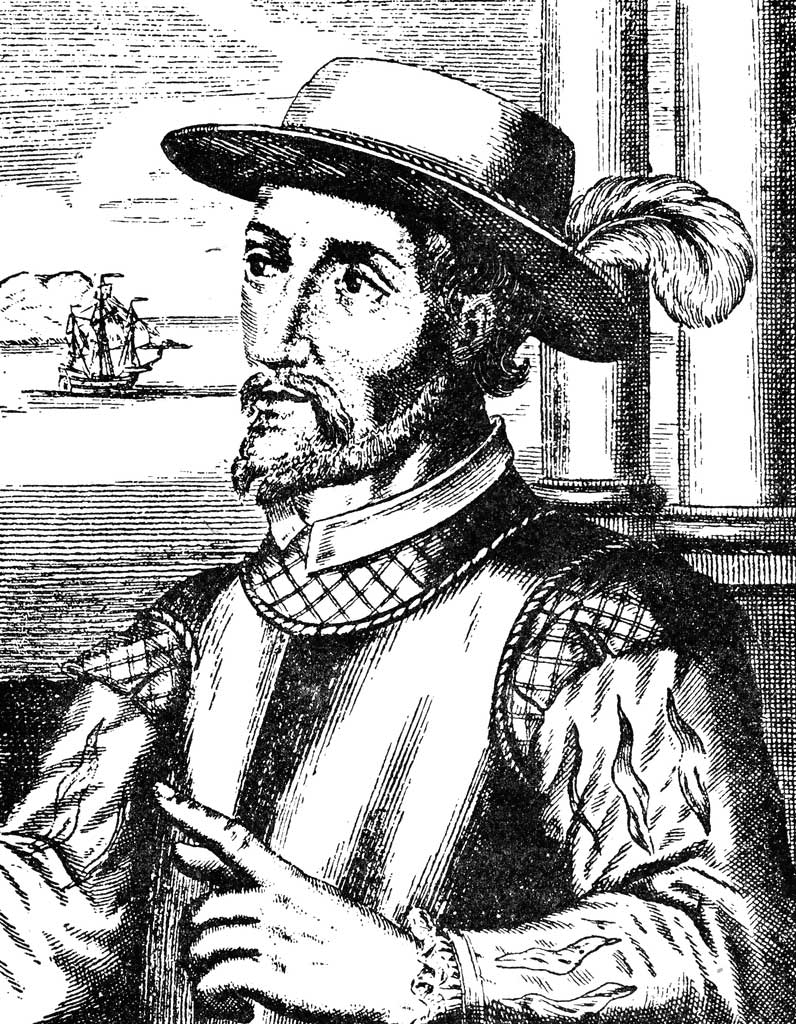
The actual colonization of Puerto Rico began not with Columbus, but 15 years later, in 1508, with the arrival of Juan Ponce de León. Ponce de León, a Spanish conquistador who had accompanied Columbus on his second voyage, was granted permission by the Spanish Crown to establish a settlement. He became the island’s first governor.
Ponce de León initially established a settlement called Caparra near the present-day San Juan metropolitan area. This site, however, proved to be unsuitable due to its swampy conditions and lack of direct access to the sea. In 1521, the settlement was moved to a small islet on the northern coast, a location offering better defensibility and a natural harbor. This new settlement was named Puerto Rico de San Juan Bautista, eventually evolving into the city of San Juan.
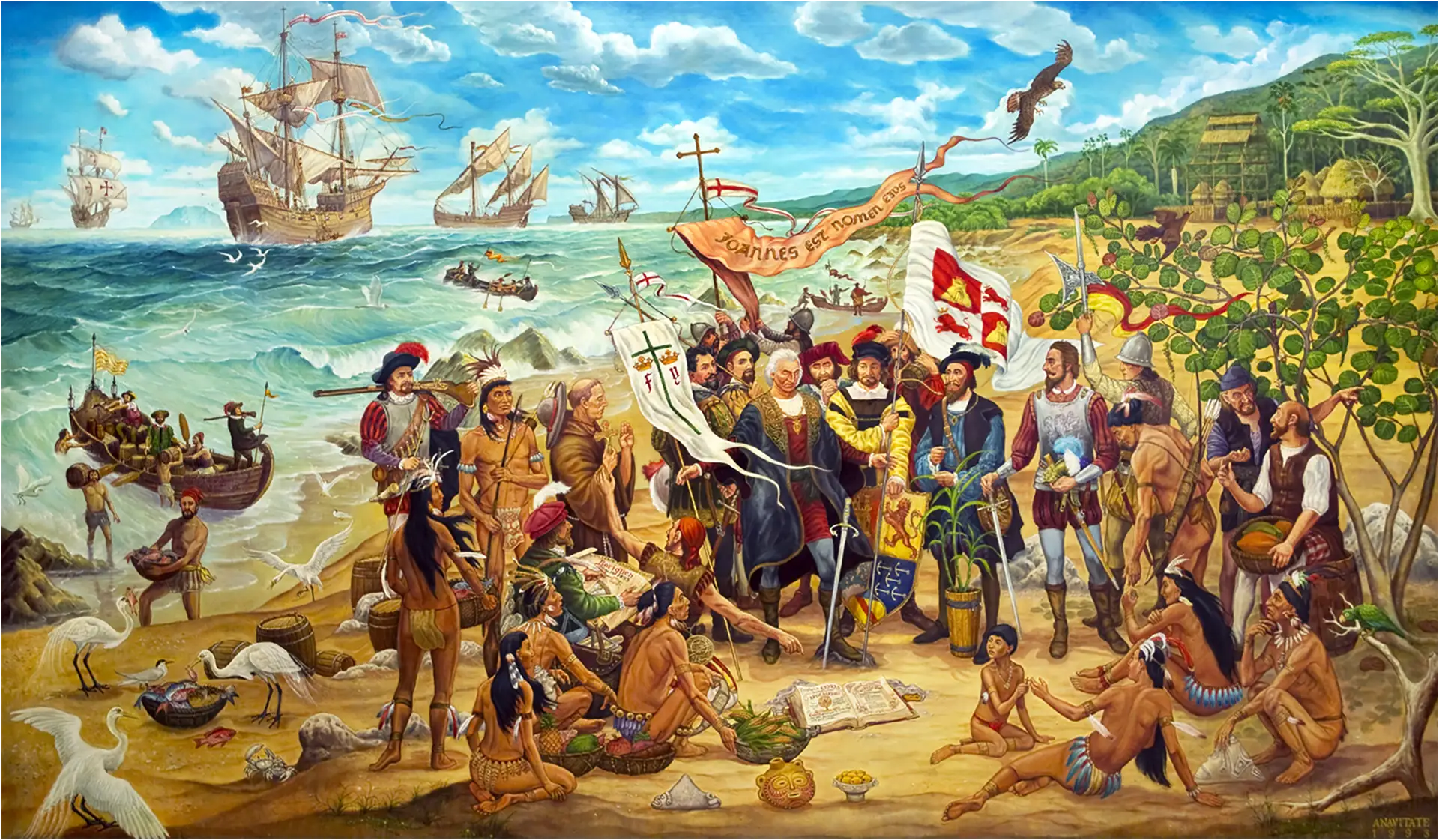
The early years of Spanish colonization were marked by a relentless pursuit of gold. The Taíno population was subjected to the encomienda system, a labor system that essentially enslaved them, forcing them to work in the gold mines and agricultural fields under harsh conditions. This exploitation, coupled with exposure to European diseases against which they had no immunity, led to a catastrophic decline in the indigenous population. Despite resistance efforts, such as the Taíno rebellion of 1511 led by Agüeybaná II, the indigenous people were ultimately overwhelmed by Spanish military superiority.
To compensate for the diminishing Taíno labor force, the Spanish began importing enslaved Africans, initiating a new and tragic chapter in Puerto Rico’s history. This introduction of African people and culture profoundly shaped the island’s demographic and cultural identity, contributing significantly to the vibrant mestizaje (racial and cultural mixing) that defines Puerto Rico today.
The island quickly became a crucial strategic outpost for the Spanish Empire due to its prime location in the Caribbean, serving as a gateway to the Americas and a key defensive point for the flotas de Indias (Spanish treasure fleets). This strategic importance led to the construction of impressive fortifications that still stand today, most notably the iconic El Morro Fortress and San Cristóbal Castle in Old San Juan. These formidable structures are not only historical landmarks but also UNESCO World Heritage Sites, attracting millions of visitors annually. They serve as tangible reminders of the island’s colonial past, its constant battles against rival European powers (such as the English and Dutch), and its critical role in global trade and defense during the era of sail.
For travelers interested in this period, a visit to Old San Juan is an absolute must. Walking its cobblestone streets, marveling at the colorful colonial architecture, and exploring the majestic forts transport visitors back in time. Many hotels in and around Old San Juan offer unique stays, some even housed in historic buildings, blending modern amenities with a touch of colonial charm. From boutique hotels to luxury resorts, there are accommodation options to suit every traveler, all providing easy access to the historical heart of the island.
Puerto Rico’s Enduring Legacy: A Blend of Cultures
The “discovery” and subsequent colonization of Puerto Rico initiated a profound and irreversible transformation, forging an island society that is a unique blend of Taíno, Spanish, and African influences, further layered with more recent American contributions. This rich cultural fusion is Puerto Rico’s most enduring legacy and one of its most compelling attractions for tourists.
Cultural Identity and Cuisine
The cultural identity of Puerto Rico is vividly expressed through its language, music, art, and festivals. While Spanish remains the dominant language, many Taíno words are integrated into the local dialect, particularly for flora, fauna, and local dishes. The island’s music, from the rhythmic bomba and plena with their strong African roots, to the lively salsa and reggaeton, showcases this vibrant fusion. Art forms, whether indigenous petroglyphs, colonial religious carvings, or contemporary murals, tell stories of resilience, identity, and celebration.
Puerto Rican cuisine is a delectable reflection of this historical melting pot. Staples like mofongo (fried plantain mashed with garlic and pork cracklings), arroz con gandules (rice with pigeon peas), and pasteles (a banana-leaf wrapped masa filled with meat) are testaments to the contributions of indigenous ingredients, Spanish cooking techniques, and African spices. Food tours in San Juan and beyond are excellent ways for visitors to savor these flavors and learn about the culinary history behind them. Many local restaurants, from high-end dining establishments to casual chinchorros (roadside kiosks), pride themselves on serving authentic Puerto Rican dishes, making gastronomy a central part of the travel experience.
Modern-Day Puerto Rico: A Vibrant Destination
Today, Puerto Rico stands as a vibrant and dynamic travel destination that masterfully blends its complex history with modern attractions and amenities. Its appeal extends far beyond its historical sites, encompassing stunning natural beauty, bustling cities, and a warm, inviting culture.
For nature lovers, the El Yunque National Forest, the only tropical rainforest in the U.S. National Forest System, offers breathtaking hiking trails, cascading waterfalls, and diverse wildlife. Bioluminescent bays, such as those in Vieques and Fajardo, provide magical nighttime experiences. The island’s coastline boasts a myriad of beaches, from the golden sands of Flamenco Beach (consistently ranked among the world’s best) to the surf-friendly waves of Rincón. Whether you’re seeking adventure sports like surfing and snorkeling, or simply a relaxing day by the ocean, Puerto Rico’s natural landscapes offer unparalleled experiences.
The tourism infrastructure on the island is well-developed, offering a wide array of accommodation options. From luxurious beachfront resorts like The St. Regis Bahia Beach Resort and Dorado Beach, a Ritz-Carlton Reserve to charming boutique hotels in Old San Juan, family-friendly apartments, and budget-conscious guesthouses, there’s something for every type of traveler. Many properties offer amenities such as world-class spas, infinity pools, gourmet dining, and direct beach access, ensuring a comfortable and memorable stay. Booking platforms provide easy access to reviews and comparisons, making it simple to find the perfect long-term stay or a quick weekend getaway.
Lifestyle aspects are also prominent. Puerto Rico caters to luxury travelers with high-end experiences, including private yacht charters, exclusive golf courses, and fine dining. Conversely, it’s also a fantastic destination for budget travelers, with plenty of affordable guesthouses, local eateries, and free natural attractions. Family trips are well-supported with numerous resorts offering kid-friendly activities and safe environments. The island also increasingly serves as a hub for business stays and remote work, with reliable internet and a welcoming atmosphere.
In conclusion, while Christopher Columbus is credited with the European “discovery” of Puerto Rico, the island’s true identity is a testament to the enduring legacy of its indigenous peoples, the profound impact of Spanish colonization, and the vibrant contributions of African and later American cultures. To travel to Puerto Rico is to embark on a journey through time, where ancient traditions meet colonial grandeur and modern vibrancy, offering a truly unique and enriching experience that appeals to every facet of the curious explorer.
LifeOutOfTheBox is a participant in the Amazon Services LLC Associates Program, an affiliate advertising program designed to provide a means for sites to earn advertising fees by advertising and linking to Amazon.com. Amazon, the Amazon logo, AmazonSupply, and the AmazonSupply logo are trademarks of Amazon.com, Inc. or its affiliates. As an Amazon Associate we earn affiliate commissions from qualifying purchases.