
When planning a trip to a new destination, understanding its governance might not be the first item on your itinerary checklist, but it offers invaluable insight into the culture, infrastructure, and overall stability of a region. For travelers considering the vibrant shores of Puerto Rico, a common question arises: who is the leader of this captivating island? The answer is as unique and multifaceted as Puerto Rico itself, reflecting its distinctive political relationship with the United States and its rich history.
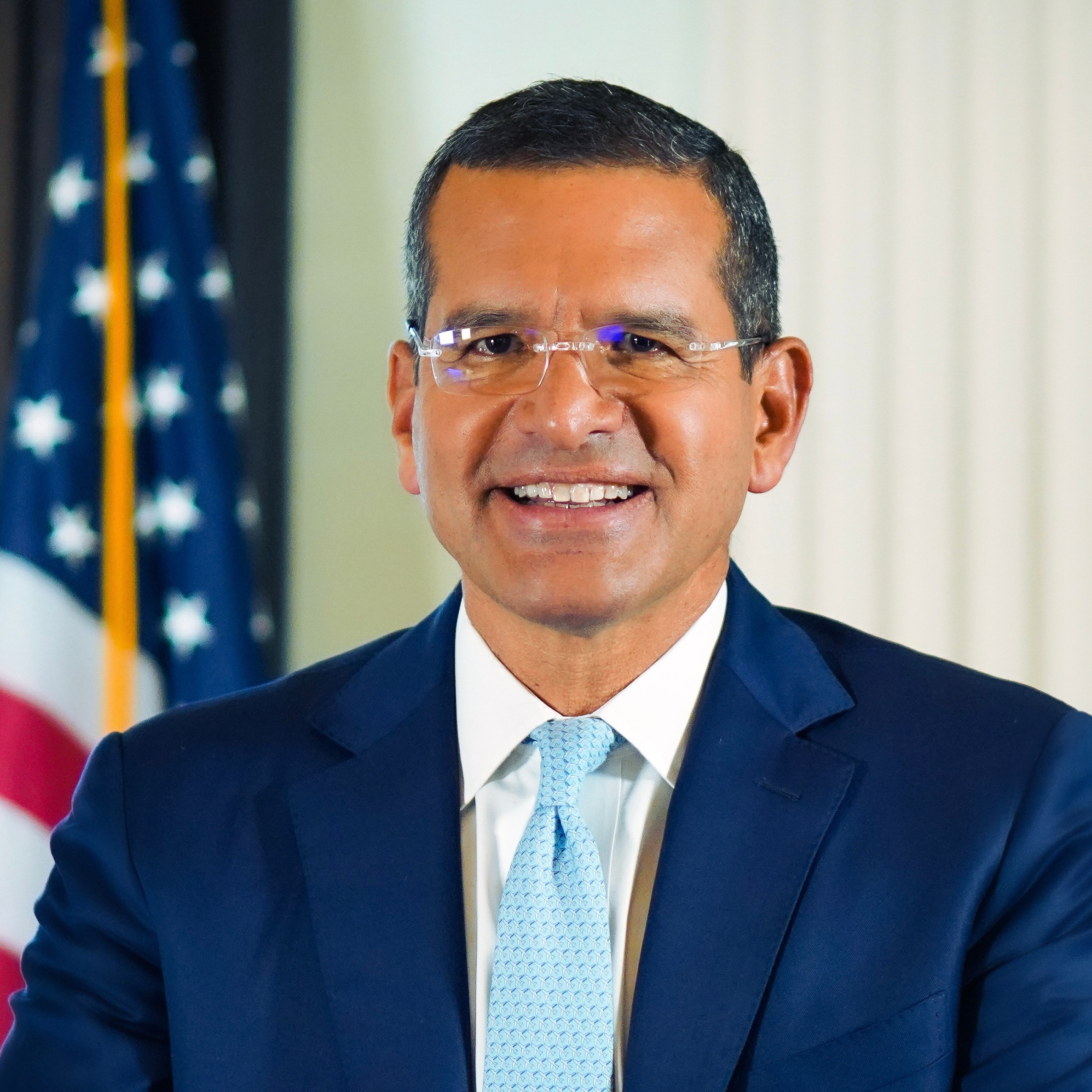
At the local level, the primary leader of Puerto Rico is its Governor. Elected by popular vote for a four-year term, the Governor serves as the head of the executive branch of the island’s government. This position is akin to a state governor within the United States, holding significant authority over domestic affairs, local legislation, and the implementation of policies that directly impact the daily lives of residents and the experience of visitors. As of the latest information, the current Governor is Pedro Pierluisi. However, to truly grasp the leadership structure, one must delve deeper into Puerto Rico’s status as a United States territory, which introduces layers of federal influence and representation that are crucial for any traveler to comprehend. This unique arrangement shapes everything from the currency used to the ease of travel for United States citizens, making it an essential piece of knowledge for an informed visit.
Understanding Puerto Rico’s Unique Political Landscape
The political status of Puerto Rico is perhaps its most distinguishing characteristic. It is an unincorporated territory of the United States, a designation that comes with specific implications for its governance and its relationship with the federal government in Washington D.C.. This means that while Puerto Rico exercises a significant degree of self-governance through its elected officials, it is ultimately subject to the plenary powers of the U.S. Congress. This intricate relationship ensures a level of stability and familiarity for United States citizens, who can travel to the island without a passport, use the U.S. dollar, and enjoy the protections afforded by federal agencies. Yet, it also means that decisions made far away can have profound effects on the island’s economy, infrastructure, and even its tourism strategies.
The Role of the Governor: A Local Perspective
The Governor of Puerto Rico is the most visible and influential leader within the island’s borders. Residing in the historic La Fortaleza in Old San Juan, a UNESCO World Heritage site that has served as the official residence and office for centuries, the Governor is responsible for steering the island’s future. This includes overseeing critical government departments such as education, health, public safety, and, significantly for visitors, tourism. The Governor plays a pivotal role in formulating budgets, signing legislation, and acting as the chief representative of the people of Puerto Rico in local and national forums. Decisions made by the Governor and the local legislative assembly directly impact the quality of roads, the preservation of natural parks like El Yunque National Forest, the promotion of local cultural events, and the overall experience for travelers exploring the island’s diverse attractions. From ensuring the safety of tourists in bustling cities like San Juan to supporting the development of eco-tourism initiatives in remote areas, the Governor’s leadership is intrinsically linked to the island’s appeal as a premier travel destination.
The Broader Context: Puerto Rico’s Ties to the United States
Beyond the local leadership, Puerto Rico’s connection to the United States is a defining feature of its political identity. While its residents are United States citizens, they do not have voting representation in the U.S. Congress and cannot vote in presidential elections, although they do participate in presidential primaries. The island is represented in Congress by a non-voting Resident Commissioner, who can speak on the House floor and serve on committees but cannot cast a vote on final legislation.
This intricate federal relationship means that many aspects of life in Puerto Rico are governed by federal laws, regulations, and judicial decisions, much like in any U.S. state. Federal agencies, such as the U.S. Department of Homeland Security and the Federal Aviation Administration, have jurisdiction over various matters, ensuring that travel to and from the island, as well as its internal infrastructure, adheres to federal standards. This framework provides a reassuring sense of familiarity and security for many travelers, particularly those from the mainland United States. It also means that in times of crisis, like hurricanes, federal assistance plays a crucial role in recovery efforts, impacting the island’s ability to rebuild and welcome tourists once again. Understanding this dual layer of governance – strong local leadership operating within a broader federal framework – is key to appreciating the stability and unique character of Puerto Rico.
Governance and the Visitor Experience: What Travelers Should Know
The governance structure of Puerto Rico isn’t just a political abstract; it has tangible impacts on every aspect of a visitor’s journey. From the moment you land at Luis Muñoz Marín International Airport in San Juan to your excursions into the rainforest or your strolls through historic streets, local and federal policies are at play, shaping your experience.
Ensuring a Smooth Journey: Government’s Role in Infrastructure and Services
Effective governance is the bedrock of a seamless travel experience. In Puerto Rico, both local and federal administrations collaborate to maintain and improve the infrastructure vital for tourism. This includes the upkeep of roads, which connect cities like San Juan, Ponce, and Mayagüez, allowing travelers to explore the island’s diverse landscapes. Modern airports and seaports, like the one facilitating ferry services to the pristine islands of Vieques and Culebra, are also under the purview of these governing bodies, ensuring efficient travel and transportation. Furthermore, public safety, law enforcement, and emergency services fall under the direct responsibility of the local government. These services are crucial for ensuring a safe environment for both residents and tourists, providing peace of mind whether you’re relaxing on Flamenco Beach or exploring the vibrant nightlife of Condado.
The regulatory framework for hotels and accommodations is another area where governance shines. Local departments ensure that hotels, resorts, apartments, and villas meet specific standards of quality and safety. This translates to reliable booking experiences, transparent reviews, and a diverse range of accommodation options catering to various lifestyles, from luxury stays in Isla Verde to budget-friendly guesthouses. The ease of using the U.S. dollar and familiar banking systems further simplifies financial transactions for visitors from the United States, a direct benefit of Puerto Rico’s unique political status.

Preserving Heritage: Leadership in Culture and Tourism
Puerto Rico’s leaders understand that the island’s rich history, vibrant culture, and stunning natural beauty are its greatest assets for tourism. Government initiatives often focus on the preservation of historical landmarks, such as the forts of El Morro and San Cristóbal in Old San Juan, which tell stories of centuries of colonial influence. Funding and protective measures are allocated to maintain these sites, ensuring future generations of travelers can walk through living history. Similarly, natural attractions like El Yunque National Forest, the only tropical rainforest in the U.S. National Forest System, and the magical bioluminescent bays like Mosquito Bay in Vieques or the one near Fajardo, receive government protection to preserve their ecological integrity.
Beyond physical sites, leadership plays a crucial role in promoting Puerto Rico’s local culture. Tourism boards, often government-supported, actively market the island’s unique food scene, its renowned music and dance traditions (like salsa and plena), and its numerous festivals. Policies might encourage local artisans, support culinary tourism through food festivals, or provide grants for cultural performances, all enriching the “local culture” aspect that many travelers seek. This governmental commitment to cultural preservation and promotion is what makes a visit to Puerto Rico not just a trip, but an immersive experience into a distinct and proud identity, nestled between the Caribbean Sea and the Atlantic Ocean.
Beyond Politics: Exploring the Heart of Puerto Rico
While understanding the island’s leadership structure provides valuable context, the true magic of Puerto Rico lies in its vibrant landscapes, rich history, and the warmth of its people. The stability provided by its unique governance allows its natural beauty and cultural heritage to flourish, offering an unparalleled destination for travelers.
Iconic Puerto Rican Landmarks and Attractions Shaped by History
Puerto Rico is dotted with landmarks that tell tales of its diverse past, from indigenous civilizations to Spanish colonial rule and its contemporary relationship with the United States. Old San Juan, with its cobblestone streets and colorful colonial architecture, is a living museum. Its iconic forts, El Morro and San Cristóbal, are not just historical sites but testaments to the strategic importance of the island throughout centuries. The Governor’s Mansion, La Fortaleza, itself stands as a symbol of enduring leadership and history, continually adapted since its construction in the 16th century.
Further afield, the verdant expanse of El Yunque National Forest offers a dramatic contrast to the urban landscape. Its waterfalls, diverse flora and fauna, and hiking trails are carefully managed and protected, a testament to environmental policies that recognize the value of natural resources for both ecosystems and tourism. The bioluminescent bays, especially Mosquito Bay on Vieques, represent a unique natural phenomenon, diligently preserved by local and federal efforts to ensure their delicate ecosystems thrive. These sites, alongside attractions like the underground wonders of Río Camuy Cave Park or the cultural insights offered by a visit to Casa Bacardi, collectively paint a picture of an island where history, nature, and industry coexist, often supported by the guiding hand of its leadership.
The Vibrant Lifestyle and Community Spirit
Puerto Rico’s lifestyle is a captivating blend of Caribbean warmth and American influence. This fusion creates a unique atmosphere where traditional festivals and modern amenities seamlessly merge. Local governance plays a role in fostering this vibrant community spirit, often through the support of public parks, community centers, and cultural events. Whether it’s a family trip enjoying the beaches, a luxury retreat at a high-end resort in Dorado, or a budget-friendly adventure exploring local eateries, the underlying social infrastructure contributes significantly to a positive experience. The island’s commitment to hospitality, safety, and cultural integrity, often guided by local policies, ensures that visitors feel welcomed and secure, encouraging a deep dive into the local way of life. The rhythmic sounds of salsa, the tantalizing aromas of mofongo and lechon, and the genuine smiles of the boricuas (Puerto Ricans) are all components of a lifestyle that is both distinctive and profoundly inviting, shaped in part by a leadership that values its heritage.
Planning Your Trip: Practical Considerations Under the Current Governance
For those eager to experience Puerto Rico, understanding its governance translates into practical benefits and considerations. The island’s status as a U.S. territory simplifies many aspects of travel, especially for U.S. citizens, making it an accessible and appealing destination.
Navigating Puerto Rico: Tips for a Memorable Stay
Because Puerto Rico is a U.S. territory, United States citizens do not need a passport for entry, making travel as simple as a domestic flight. The official currency is the U.S. dollar, eliminating the need for currency exchange. English and Spanish are the official languages, and while Spanish is predominant, English is widely spoken in tourist areas, hotels, and major attractions, largely due to its federal ties. These conveniences, directly resulting from the island’s political status, significantly reduce travel friction.
When planning your accommodation, whether you choose a luxurious resort in Condado, a charming guesthouse in Rincón, or a family-friendly apartment, you can expect a range of options regulated to specific standards, thanks to local tourism authorities. Government-supported tourism guides and information centers are readily available to help travelers explore destinations, attractions, and cultural experiences. Moreover, the presence of federal agencies alongside local law enforcement contributes to a generally secure environment, an important factor for any traveler.
In essence, while the question “Who is the leader of Puerto Rico?” initially points to its Governor, the full answer reveals a dynamic interplay of local autonomy and federal partnership. This unique leadership structure fosters an environment where Puerto Rico can thrive as a premier travel destination, offering a harmonious blend of stunning natural beauty, deep historical roots, and a vibrant contemporary culture. By understanding this context, visitors can gain a richer appreciation for the island, its people, and the unforgettable experiences that await on this jewel of the Caribbean.
LifeOutOfTheBox is a participant in the Amazon Services LLC Associates Program, an affiliate advertising program designed to provide a means for sites to earn advertising fees by advertising and linking to Amazon.com. Amazon, the Amazon logo, AmazonSupply, and the AmazonSupply logo are trademarks of Amazon.com, Inc. or its affiliates. As an Amazon Associate we earn affiliate commissions from qualifying purchases.