
The question of why Puerto Rico is part of the United States delves into a rich tapestry of history, political evolution, cultural exchange, and ongoing debates that shape the lives of millions. More than just a tropical destination, Puerto Rico stands as a unique territory with a complex relationship with the U.S. mainland, influencing everything from its governance to its vibrant lifestyle and the experiences awaiting travelers. Understanding this bond is crucial not only for grasping its political status but also for appreciating the island’s distinctive identity.
A Journey Through History: How Puerto Rico Became a U.S. Territory
The story of Puerto Rico’s connection to the United States begins in the late 19th century, rooted in geopolitical shifts and colonial ambitions that dramatically reshaped global power dynamics. Before its association with the U.S., Puerto Rico had been a Spanish colony for over four centuries, a period that deeply embedded Spanish language, culture, and traditions into the island’s fabric.

The Spanish-American War and Its Aftermath
The pivotal moment arrived with the Spanish-American War of 1898. This brief but impactful conflict saw the United States emerge as a significant global power, challenging Spain’s dwindling colonial empire. As a result of its decisive victory, the U.S. acquired several territories from Spain under the Treaty of Paris, signed in December 1898. These acquisitions included Cuba (which gained independence, albeit with U.S. oversight), the Philippines, Guam, and, significantly, Puerto Rico.
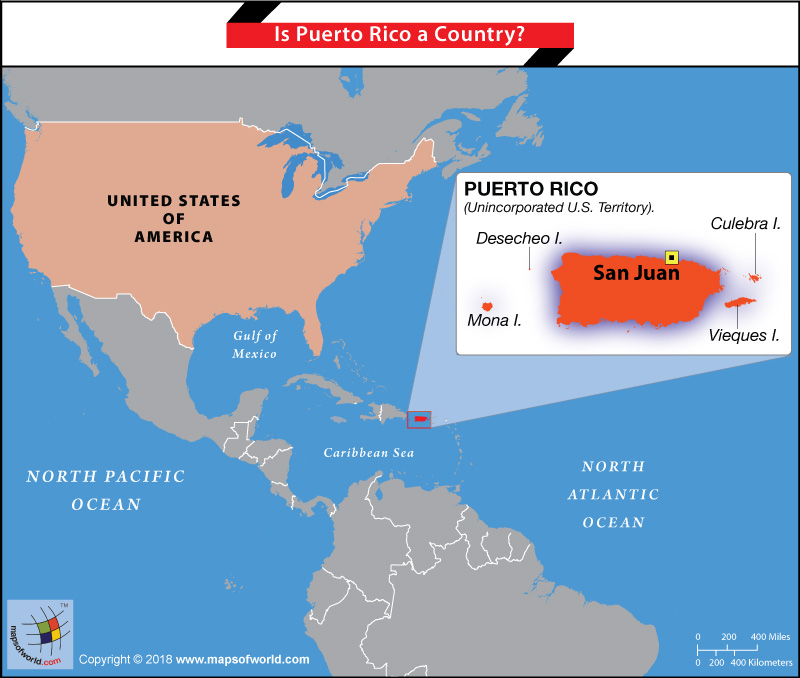
From the moment American troops landed in Guánica Bay in July 1898, Puerto Rico’s destiny intertwined with that of the United States. The island transitioned from being a Spanish province to an unincorporated territory of the U.S., a status that, crucially, meant it was “appurtenant to” but not “part of” the United States in the fullest constitutional sense. This distinction would lay the groundwork for a unique and often debated political arrangement.
Evolving Status: From Military Rule to Commonwealth
The initial years under U.S. control were marked by military rule. However, it wasn’t long before the need for a more structured civil government became apparent. The Foraker Act of 1900 established a civilian government, including a governor appointed by the U.S. President and a bicameral legislature, though with limited local autonomy. This act also declared all residents of Puerto Rico to be “citizens of Puerto Rico,” though they were still subject to U.S. laws and federal authority.
A more significant shift occurred with the passage of the Jones-Shafroth Act in 1917. This landmark legislation granted U.S. statutory citizenship to virtually all Puerto Ricans. While this meant Puerto Ricans could serve in the U.S. military (a critical need during World War I) and travel freely to the mainland, it did not grant them full voting representation in the U.S. Congress or the right to vote in presidential elections while residing on the island.
The most significant change in Puerto Rico’s political status since 1917 came in 1952. After the passage of Public Law 600 by the U.S. Congress in 1950, Puerto Ricans were authorized to draft their own constitution. This led to the establishment of the Commonwealth of Puerto Rico (Estado Libre Asociado in Spanish), granting the island a significant degree of self-governance over local affairs. This “commonwealth” status was presented to the United Nations as an act of self-determination, removing Puerto Rico from the list of non-self-governing territories. However, key aspects of its relationship with the United States, particularly in areas like defense, foreign policy, and federal law, remained under Washington’s purview.
Unpacking Puerto Rico’s Unique Political Status
The current political arrangement between Puerto Rico and the United States is often described as an “unincorporated territory” operating under a “commonwealth” framework. This status is unlike that of any U.S. state, and it sets Puerto Rico apart from fully independent nations. It brings with it a complex interplay of rights, responsibilities, and unique economic realities that profoundly impact the lives of its residents.
Rights and Responsibilities: U.S. Citizenship Without Full Representation
As U.S. citizens, Puerto Ricans enjoy many of the same rights and privileges as their mainland counterparts. They can travel freely between the island and the continental U.S., hold U.S. passports, and are subject to U.S. federal laws, though not all provisions of the U.S. Constitution apply in the same way as they do in the states. For example, federal income tax is not generally levied on income earned within Puerto Rico by its residents, which is a significant economic differentiator.
However, the “unincorporated” nature of the territory means that Puerto Ricans living on the island do not have full voting representation in the U.S. Congress. They elect a Resident Commissioner, who can speak and vote in committees but cannot cast votes on the House floor. Crucially, residents of Puerto Rico cannot vote in U.S. presidential elections, despite being eligible to serve in the U.S. armed forces and having done so with distinction in every major U.S. conflict since World War I. This paradox of citizenship without full political participation is a central point of contention in the ongoing status debate.
Economic Realities and Federal Relationship
Puerto Rico’s economy is deeply intertwined with that of the United States. It uses the U.S. dollar, follows U.S. trade laws, and benefits from various federal programs and aid. However, the island also faces significant economic challenges, including a long-standing recession, high poverty rates, and a massive public debt crisis that led to the passage of the Puerto Rico Oversight, Management, and Economic Stability Act (PROMESA)) in 2016. This federal act established an oversight board to manage the island’s finances and restructure its debt, highlighting the extent of federal intervention and its implications for local autonomy.
The complexities of this relationship extend to infrastructure development, healthcare funding, and disaster relief. Following devastating hurricanes like Maria in 2017, the federal response and the subsequent recovery efforts underscored both the benefits of being part of the U.S. (access to FEMA, federal aid) and the frustrations stemming from perceived unequal treatment compared to states. These economic realities are a major driver behind the calls for a definitive resolution to Puerto Rico’s political status.
Experiencing Puerto Rico: A Blend of Cultures and Charms
Beyond the political discussions, Puerto Rico’s status as a U.S. territory creates a unique travel experience, blending Latin American flair with American conveniences. It’s an island where vibrant culture, rich history, and breathtaking natural beauty converge, making it an appealing destination for travelers seeking diverse experiences without needing a passport for U.S. citizens.
Island Life: Culture, Cuisine, and Community
The cultural landscape of Puerto Rico is a captivating fusion of Taíno, Spanish, and African influences, enriched by a century of American interaction. The official languages are Spanish and English, though Spanish predominates in everyday life. This linguistic duality is reflected in its arts, music, and social customs, offering visitors a genuinely bicultural experience.
San Juan, the capital, is a bustling metropolis where modern amenities meet historic charm. Its culinary scene is a testament to its heritage, with dishes like mofongo (fried plantain mash), lechon asado (roasted pork), and fresh seafood delighting palates. Visitors can explore local markets, enjoy live salsa music in vibrant plazas, or relax on sun-drenched beaches. The hospitality of the “Boricua” people (a term of endearment for Puerto Ricans) is legendary, contributing to an inviting and memorable atmosphere. From luxurious beach resorts in Dorado to charming boutique hotels in Old San Juan, accommodation options cater to every lifestyle and budget, promising an unforgettable stay.
Must-Visit Destinations and Natural Wonders
Puerto Rico’s diverse geography offers an array of attractions. Old San Juan, a UNESCO World Heritage site, is a treasure trove of colonial architecture, cobblestone streets, and historic fortifications like El Morro and Castillo de San Cristóbal. These landmarks offer a tangible connection to the island’s strategic past and its role in Spanish colonial defense.
Nature enthusiasts will find paradise in the only tropical rainforest in the U.S. National Forest System, El Yunque National Forest. Its lush trails, stunning waterfalls, and unique biodiversity make it a prime spot for ecotourism. The island is also home to three of the world’s five bioluminescent bays – Mosquito Bay in Vieques, Laguna Grande in Fajardo, and La Parguera in Lajas – offering magical nighttime kayaking experiences.
Beyond San Juan, other cities like Ponce, known for its unique architecture and art museums such as the Museo de Arte de Ponce and the historic Serrallés Castle, offer cultural depth. The western town of Rincón is a renowned surfing haven, while the pristine beaches of Culebra, particularly Flamenco Beach, are consistently ranked among the world’s best. From the scenic Cabo Rojo Lighthouse to the subterranean wonders of the Camuy Caves Park, Puerto Rico presents an endless array of attractions that cater to adventure seekers, history buffs, and those simply looking for relaxation.
The Future of Puerto Rico: Ongoing Debates and Pathways
The question of “Why is Puerto Rico part of the United States?” inevitably leads to the forward-looking discussion of “What should its future status be?” For decades, Puerto Rico’s political future has been a subject of intense debate, both on the island and in Washington. The three primary options — statehood, independence, or an enhanced commonwealth status — each have passionate advocates and significant implications for the island’s people and its relationship with the U.S.
Statehood, Independence, or Enhanced Commonwealth?
Statehood would grant Puerto Rico full political representation, including voting members in the U.S. Congress and the right to vote in presidential elections. It would also lead to full federal funding for programs like Medicaid and Medicare, and potentially spur economic development through increased federal investment and stability. However, it would also mean paying federal income taxes and could lead to concerns about the preservation of Puerto Rico’s unique cultural and linguistic identity within the larger U.S. framework. Proponents argue that statehood is the only way to achieve full equality and address the democratic deficit.
Independence would sever political ties with the United States, making Puerto Rico a sovereign nation. This option appeals to those who believe in complete self-determination and the ability to chart an independent economic and foreign policy course. However, it would entail a complex transition, including negotiating new trade agreements, establishing a new currency, and potentially facing economic instability and the loss of U.S. citizenship for future generations (though current U.S. citizens would likely retain their status). Supporters emphasize cultural preservation and freedom from U.S. colonial influence.
An enhanced Commonwealth status would seek to modify the current arrangement, granting Puerto Rico greater autonomy while maintaining some form of association with the United States. This could involve greater control over international trade, tax laws, and even foreign relations, while still benefiting from U.S. citizenship and federal support in areas like defense. The challenge with this option lies in defining what “enhanced” truly means and whether such an arrangement would be constitutionally permissible and mutually agreeable to both parties. Critics often argue that this option is a continuation of the colonial status under a different guise.
Several plebiscites have been held in Puerto Rico over the years, with varying results and controversies over ballot language and voter turnout. More recent referendums have shown a growing preference for statehood among those who participate, but the debates continue to be deeply divisive, reflecting the complex array of loyalties, aspirations, and practical concerns among Puerto Ricans.

The Road Ahead for the Island and Its People
The path forward for Puerto Rico is not merely a political decision; it’s a profound choice that will impact its economic stability, cultural identity, and the daily lives of its 3.2 million residents. Factors such as the island’s ongoing economic recovery, the impact of natural disasters like Hurricane Maria and a series of earthquakes, and significant demographic shifts (including a substantial migration to the U.S. mainland) all weigh heavily on the status debate.
Regardless of the eventual outcome, Puerto Rico will continue to be a vibrant, resilient place with a unique spirit. Its identity is forged by a rich history, a compelling present, and an uncertain yet hopeful future. For travelers, it remains an accessible and endlessly fascinating destination, offering a window into a part of the United States that is unlike any other, where historical ties to a faraway land continue to shape its contemporary character and charm. The question of “Why is Puerto Rico part of the United States?” is therefore not just a historical inquiry, but an ongoing narrative of identity, self-determination, and the evolving nature of nationhood.
LifeOutOfTheBox is a participant in the Amazon Services LLC Associates Program, an affiliate advertising program designed to provide a means for sites to earn advertising fees by advertising and linking to Amazon.com. Amazon, the Amazon logo, AmazonSupply, and the AmazonSupply logo are trademarks of Amazon.com, Inc. or its affiliates. As an Amazon Associate we earn affiliate commissions from qualifying purchases.