
The question of whether Puerto Rico will become the 51st state of the United States in 2025 is a topic that ignites passionate debate, with far-reaching implications not only for its residents but also for the future of travel, tourism, and lifestyle in the Caribbean. For decades, the island territory has grappled with its political status, oscillating between calls for statehood, independence, and maintaining the current commonwealth arrangement. As 2025 approaches, the momentum for statehood seems to be gathering, driven by both internal desire and a shifting political landscape in Washington D.C.
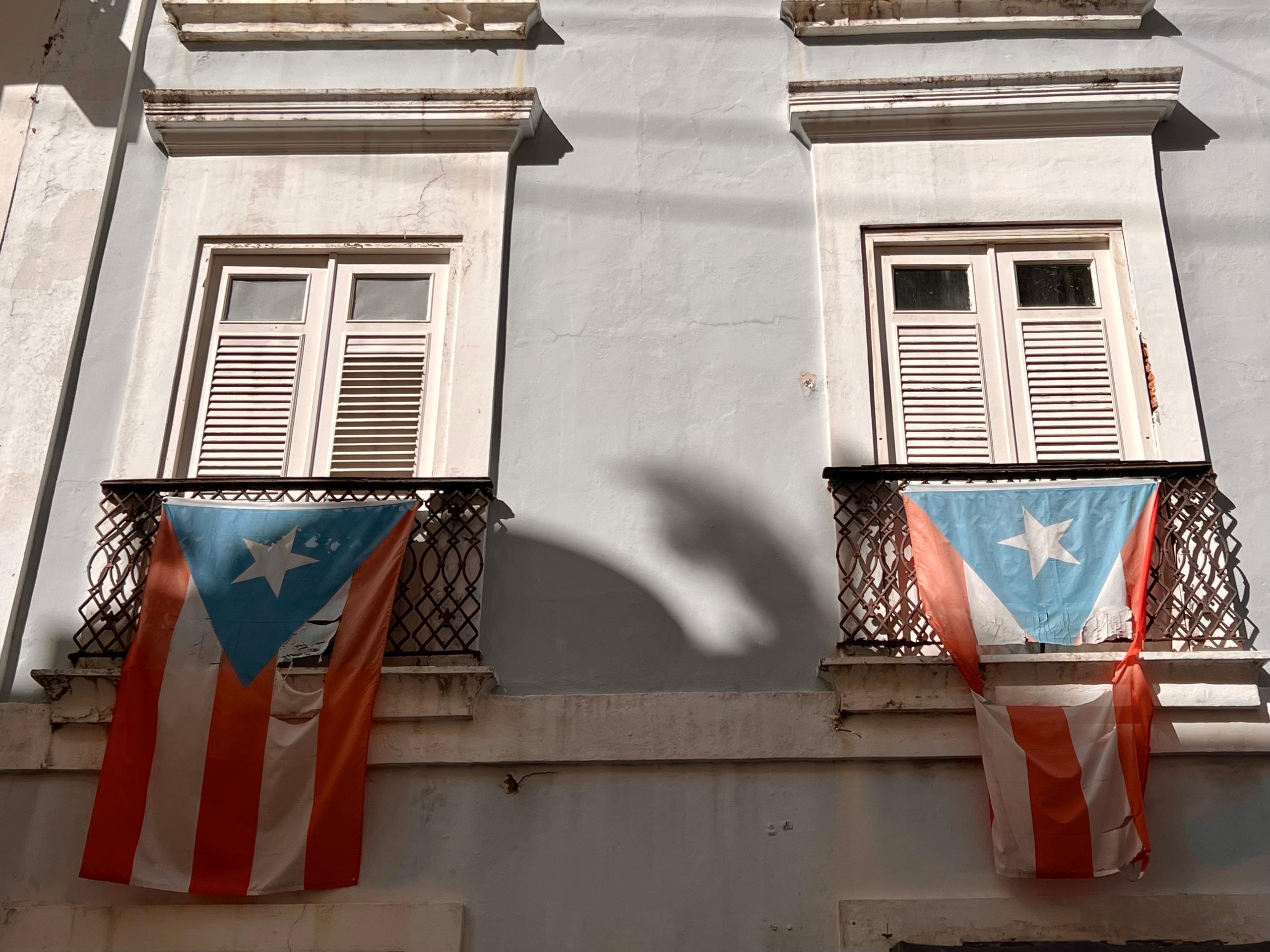
For many travelers, Puerto Rico already feels like a seamless extension of the United States – no passport required for US citizens, the dollar as currency, and a familiar legal framework. Yet, the subtle differences, the vibrant Puerto Rican culture, and the island’s unique blend of American convenience and Caribbean allure make it an extraordinary destination. Understanding the statehood debate is crucial not just for political observers, but also for anyone planning a visit or considering the future of this enchanting island. Will 2025 mark a new chapter, transforming the island’s identity and, by extension, its global appeal as a premier travel spot? Let’s delve into the complex journey towards statehood and its potential impact.
The Long Road to Statehood: A Historical Perspective
Puerto Rico’s relationship with the United States is a story spanning over a century, marked by cultural exchange, economic ties, and an enduring quest for self-determination. The island’s political status is unique, allowing residents to be US citizens but without full voting representation in Congress or the ability to vote in presidential elections.
A Century of Debate: From Territory to Referendum
The journey began in 1898 when Puerto Rico was ceded to the United States by Spain after the Spanish-American War. For decades, it remained an unincorporated territory, governed by federal laws but distinct from a state. In 1917, the Jones-Shafroth Act granted US citizenship to Puerto Ricans, a pivotal moment that cemented their ties to the mainland but did not resolve the fundamental question of political equality.
Since then, Puerto Rico has held multiple referendums on its political status, reflecting the diverse aspirations of its population. The outcomes have often been inconclusive or contested, with votes for statehood, commonwealth, and independence all finding support at various times. The most recent plebiscites, particularly in 2012, 2017, and 2020, have shown a clear — though not always overwhelming — preference for statehood among participating voters. For instance, the 2020 referendum saw 52.3% of voters supporting statehood, a result that advocates argue provides a mandate for change. However, these referendums are non-binding; the ultimate decision rests with the US Congress.
The current political climate in both Puerto Rico and the United States suggests a potential turning point. Advocates for statehood point to the need for equal rights and representation, arguing that full integration would provide Puerto Ricans with the same benefits and responsibilities as other US citizens. The lingering effects of natural disasters like Hurricane Maria in 2017 and the subsequent slow federal response have also fueled calls for statehood, with many believing that full political representation would ensure more robust and equitable federal support during crises.
The Economic and Political Arguments for Statehood
The debate over statehood is multifaceted, encompassing complex economic, social, and political considerations. Proponents argue that statehood would bring significant economic benefits. It could lead to increased federal funding for infrastructure, education, and healthcare, potentially alleviating the island’s substantial debt burden and stimulating long-term growth. Full integration into the federal system would also grant Puerto Rico access to federal programs and tax benefits currently unavailable to territories. This stability could attract more foreign investment and foster a more robust economy, creating jobs and improving living standards.
From a political standpoint, statehood would grant Puerto Ricans full voting representation in Congress and the right to vote in presidential elections, ensuring their voices are heard at the national level. This would address the democratic deficit currently faced by over three million US citizens living on the island.
However, the path to statehood is not without its challenges and opposition. Critics raise concerns about the potential loss of Puerto Rican cultural identity, the official language (Spanish), and unique traditions that have flourished under the current commonwealth status. There are also fiscal concerns regarding the impact of federal income taxes on residents and businesses, as well as the potential for increased dependency on federal aid. The debate is deeply intertwined with the island’s identity, history, and future aspirations, making it one of the most significant political questions facing the United States today.
What Statehood Could Mean for Travel and Tourism
For an island heavily reliant on its vibrant tourism industry, the prospect of statehood holds significant implications for travelers, investors, and the future development of Puerto Rico as a destination.
Enhanced Accessibility and Infrastructure Investment
One of the most immediate benefits of statehood for travelers could be enhanced accessibility. While US citizens already enjoy passport-free travel to Puerto Rico, statehood might prompt increased federal investment in transportation infrastructure. This could translate into more direct flights from various US cities to Luis Muñoz Marín International Airport in San Juan and other regional airports. Improved roads, public transportation networks, and port facilities could make exploring the island smoother and more efficient for visitors. Imagine fewer traffic jams, more reliable transport to remote natural wonders like El Yunque National Forest, or easier access to smaller islands like Vieques and Culebra.
Federal funding would also be critical for modernizing utilities, including electricity and internet services, which are essential for seamless travel experiences and for supporting the growth of hotels and resorts. A more stable and reliable infrastructure would undoubtedly boost traveler confidence and encourage longer stays, ultimately benefiting the local economy.
A New Era for Puerto Rico’s Tourism Industry
Statehood would likely usher in a new era for Puerto Rico’s tourism industry. Becoming the 51st state could elevate its profile on the national and international stage, potentially leading to increased marketing efforts and greater visibility as a premier US travel destination. This heightened awareness could attract a new demographic of tourists who might not have previously considered a visit, perceiving it as a safer, more familiar, and well-supported destination.
We could see a surge in the development of diverse tourism offerings. While Puerto Rico is already known for its stunning beaches and rich culture, statehood might spur further investment in luxury travel experiences, eco-tourism ventures, wellness retreats, and specialized cultural immersion programs. This expansion would cater to a wider range of traveler preferences and contribute to a more robust and resilient tourism sector.
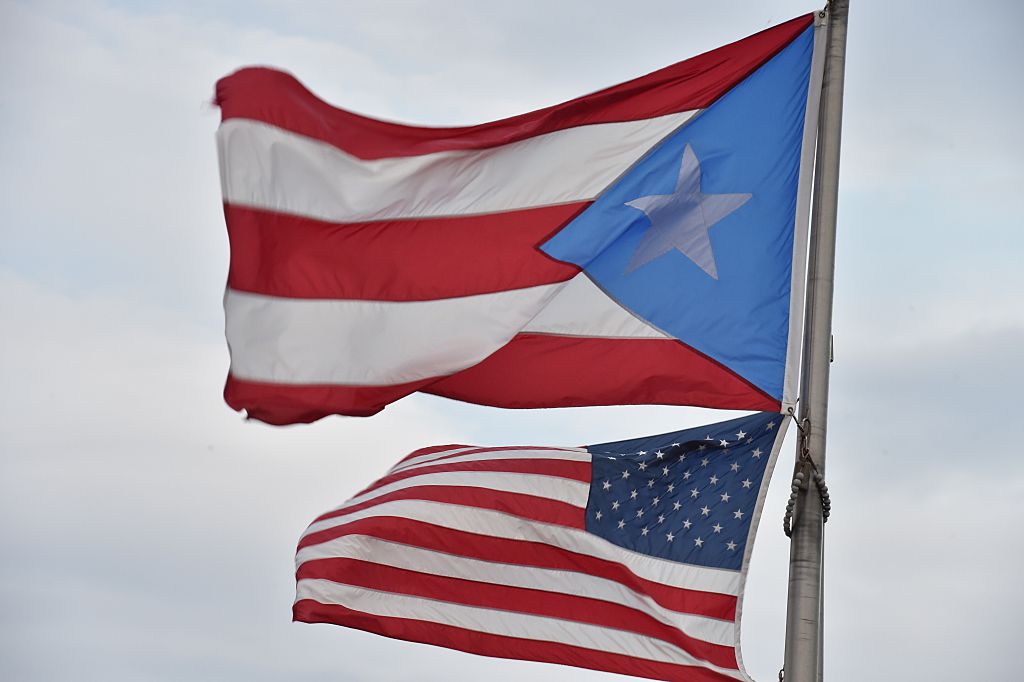
The growth in tourism would, in turn, drive demand for accommodation. We could anticipate an influx of new hotels, resorts, boutique properties, and unique vacation rentals across the island. This expansion would create numerous jobs in hospitality, food service, transportation, and related industries, significantly impacting local communities and fostering economic prosperity. The tourism sector, already a cornerstone of the Puerto Rican economy, stands to gain substantially from the stability and increased investment that statehood could bring.
Exploring Puerto Rico Now: A Traveler’s Guide
Regardless of its political future, Puerto Rico remains an incredibly captivating destination. Its unique blend of history, natural beauty, and vibrant culture offers an unforgettable experience for every type of traveler.
Iconic Landmarks and Must-Visit Attractions
Any visit to Puerto Rico should begin in Old San Juan, a UNESCO World Heritage site. Wander through its cobblestone streets, marvel at the colorful colonial architecture, and explore historical fortresses like El Morro and Castillo San Cristóbal, which stand as testaments to centuries of history. The city’s culinary scene is a delight, offering everything from traditional Puerto Rican fare to contemporary international cuisine.
Beyond the capital, nature beckons. El Yunque National Forest, the only tropical rainforest in the US National Forest System, is a hiker’s paradise with lush trails, cascading waterfalls, and diverse wildlife. For a truly magical experience, visit one of Puerto Rico’s bioluminescent bays. Mosquito Bay on Vieques is often cited as the brightest in the world, where microscopic organisms light up the water with every movement, creating a surreal glow. Laguna Grande in Fajardo offers a similar enchanting spectacle.
The island is also home to some of the world’s most beautiful beaches. Flamenco Beach on Culebra consistently ranks among the top beaches globally, known for its pristine white sand and crystal-clear turquoise waters. On the main island, Luquillo Beach near El Yunque is perfect for families, offering calm waters and a vibrant kiosk strip with local food. Surfers flock to the west coast, particularly around Rincón, for its excellent waves.
Where to Stay: Hotels, Resorts, and Unique Accommodations
Puerto Rico offers an extensive range of accommodation options to suit every taste and budget. For unparalleled luxury, destinations like Dorado Beach, a Ritz-Carlton Reserve and the St. Regis Bahia Beach Resort offer world-class amenities, private beaches, and impeccable service, perfect for an indulgent escape.
In Old San Juan, boutique hotels like Hotel El Convento, a beautifully restored former convent, provide a historical charm and intimate experience. For those seeking a more integrated local feel or extended stays, numerous apartments, villas, and guesthouses are available through platforms like Airbnb and VRBO, allowing visitors to immerse themselves in local neighborhoods. Budget-friendly hostels and smaller inns are also scattered across the island, particularly in popular tourist hubs, ensuring that Puerto Rico is accessible to all travelers.
Savoring Puerto Rico’s Culinary Delights and Vibrant Lifestyle
Puerto Rican cuisine is a delicious fusion of Spanish, African, and indigenous Taíno influences. You cannot visit without trying mofongo, a dish made from fried plantains mashed with garlic, olive oil, and pork cracklings, often served with various fillings. Other must-try dishes include lechón (roasted pork), pasteles (meat-filled masa parcels), and alcapurrias (fried fritters). And, of course, the piña colada was invented here! Take a tour of a rum distillery like Casa Bacardi to learn about the island’s rich rum-making heritage.
The lifestyle in Puerto Rico is vibrant and welcoming. Music is everywhere, from salsa and reggaeton echoing through city streets to live bomba and plena performances. Festivals are frequent, celebrating everything from patron saints to plantains. The nightlife in San Juan is buzzing, with countless bars and clubs. During the day, adventure activities abound: snorkeling and diving in pristine coral reefs, surfing the waves of the west coast, zip-lining through rainforest canopies, or exploring caves like the Rio Camuy Cave Park. Whether you’re seeking relaxation or adventure, cultural immersion or culinary exploration, Puerto Rico delivers an unforgettable lifestyle experience.
The Path Ahead: Challenges and Opportunities for 2025
The question of statehood for Puerto Rico is not merely a local issue; it’s a national debate with significant implications for the United States as a whole. While the momentum for statehood appears to be growing, the road to 2025 is filled with legislative hurdles and important considerations.
The Legislative Hurdles and Political Will
For Puerto Rico to become a state, the US Congress must pass legislation to admit it into the Union. This process requires a simple majority vote in both the House of Representatives and the Senate, followed by the President’s signature. The challenge lies in garnering sufficient political will and bipartisan support for such a monumental decision.
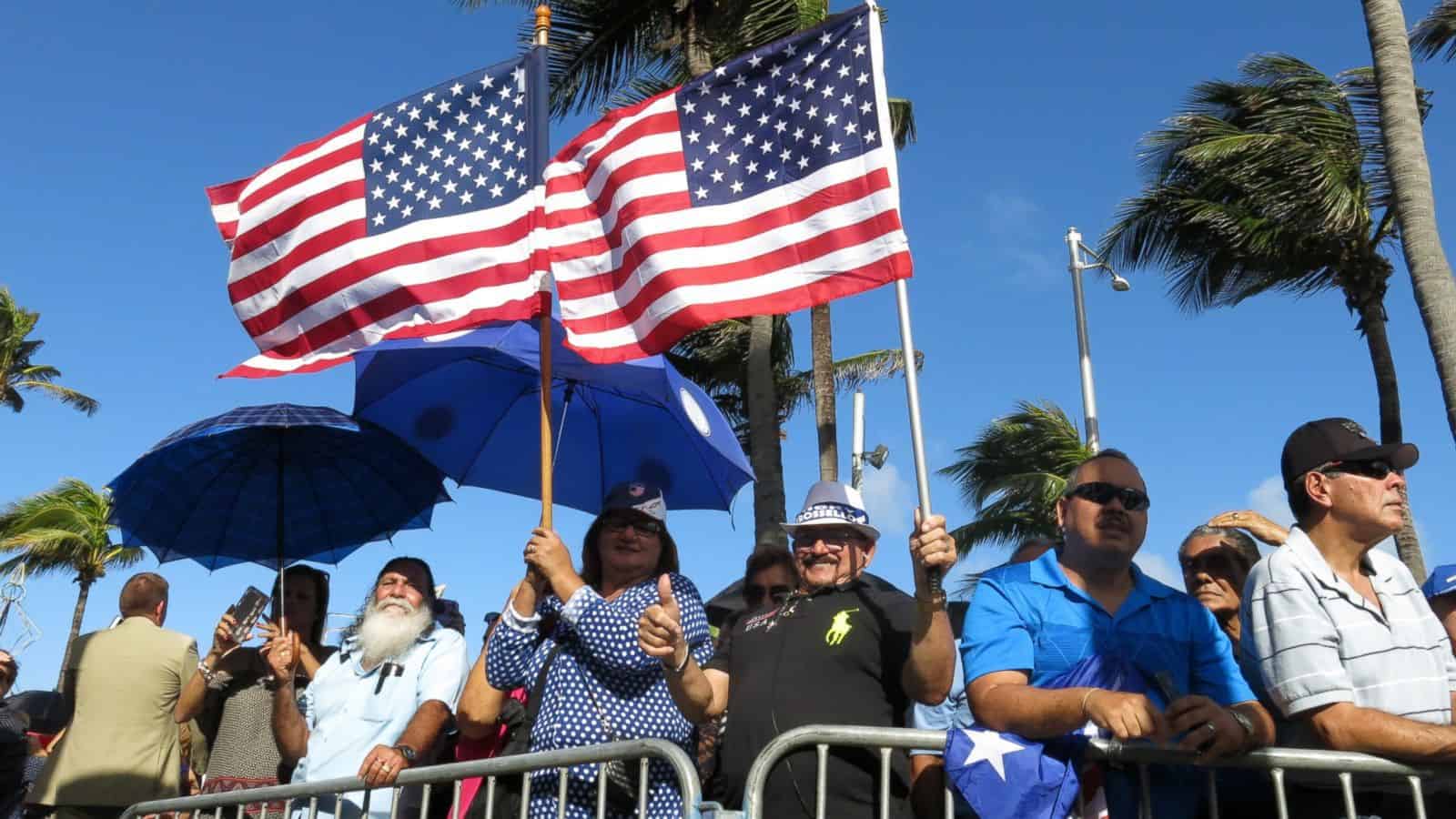
Historically, congressional action on Puerto Rico’s status has been slow and cautious, often due to concerns about the island’s economic stability, language, and potential political alignment of its representatives. Some lawmakers express reservations about admitting a state with a large Spanish-speaking population, while others worry about the fiscal implications. However, proponents of statehood are pushing for a swift resolution, emphasizing the democratic principles of self-determination and equal representation. The outcome will depend heavily on the political climate in Washington D.C. in the coming years and the ability of statehood advocates to effectively lobby for their cause.
Balancing Growth with Preservation
Should Puerto Rico achieve statehood, the opportunities for growth and development would be immense. However, it also presents a crucial challenge: balancing this growth with the preservation of the island’s unique natural resources and rich cultural heritage. Increased tourism and federal investment could lead to rapid development, potentially threatening pristine ecosystems, historical sites, and local ways of life if not managed carefully.
Sustainable tourism initiatives would become even more critical to ensure that economic benefits do not come at the expense of the environment. Protecting landmarks like the bioluminescent bays and El Yunque National Forest, as well as the architectural integrity of Old San Juan, will require careful planning and robust regulatory frameworks. There are also concerns about gentrification and the impact of increased cost of living on local communities. The goal would be to foster inclusive growth that empowers Puerto Ricans while maintaining the very charm and authenticity that makes the island so attractive to visitors.
In conclusion, the question of whether Puerto Rico will become a state in 2025 remains complex and uncertain. While there is a clear desire for change among many Puerto Ricans and increasing advocacy in Washington D.C., the final decision rests on a myriad of political, economic, and social factors. Regardless of its eventual political status, Puerto Rico will undoubtedly continue to be a captivating and essential destination for travelers. Its vibrant culture, breathtaking natural beauty, and warm hospitality ensure that it will always offer a unique and enriching experience. Whether as a territory or as the 51st state, Puerto Rico invites you to explore its wonders and discover why it holds such a special place in the hearts of those who visit.
LifeOutOfTheBox is a participant in the Amazon Services LLC Associates Program, an affiliate advertising program designed to provide a means for sites to earn advertising fees by advertising and linking to Amazon.com. Amazon, the Amazon logo, AmazonSupply, and the AmazonSupply logo are trademarks of Amazon.com, Inc. or its affiliates. As an Amazon Associate we earn affiliate commissions from qualifying purchases.