
The question “How far is Oakland, CA from San Francisco?” might seem straightforward, but the answer goes beyond mere miles. It delves into a rich tapestry of geography, transportation, lifestyle, and culture that defines the vibrant San Francisco Bay Area. While the two cities are separated by the glistening waters of the San Francisco Bay, they are intricately linked, forming a dynamic urban landscape that offers a plethora of experiences for travelers and residents alike. Understanding the distance is the first step in unlocking the diverse attractions, unique accommodations, and unforgettable journeys that await across the bay.
Bridging the Bay: Understanding the Distance and Proximity
At its closest point, the direct line distance between Oakland’s downtown and San Francisco’s financial district is approximately 8-10 miles (13-16 kilometers) across the bay. However, practical travel between the two cities involves navigating bridges and urban landscapes, which naturally extends the journey. This proximity is a defining characteristic of the Bay Area, fostering a shared economic engine and a complementary relationship between these two major California hubs.
The Geographical Reality: More Than Just a Number
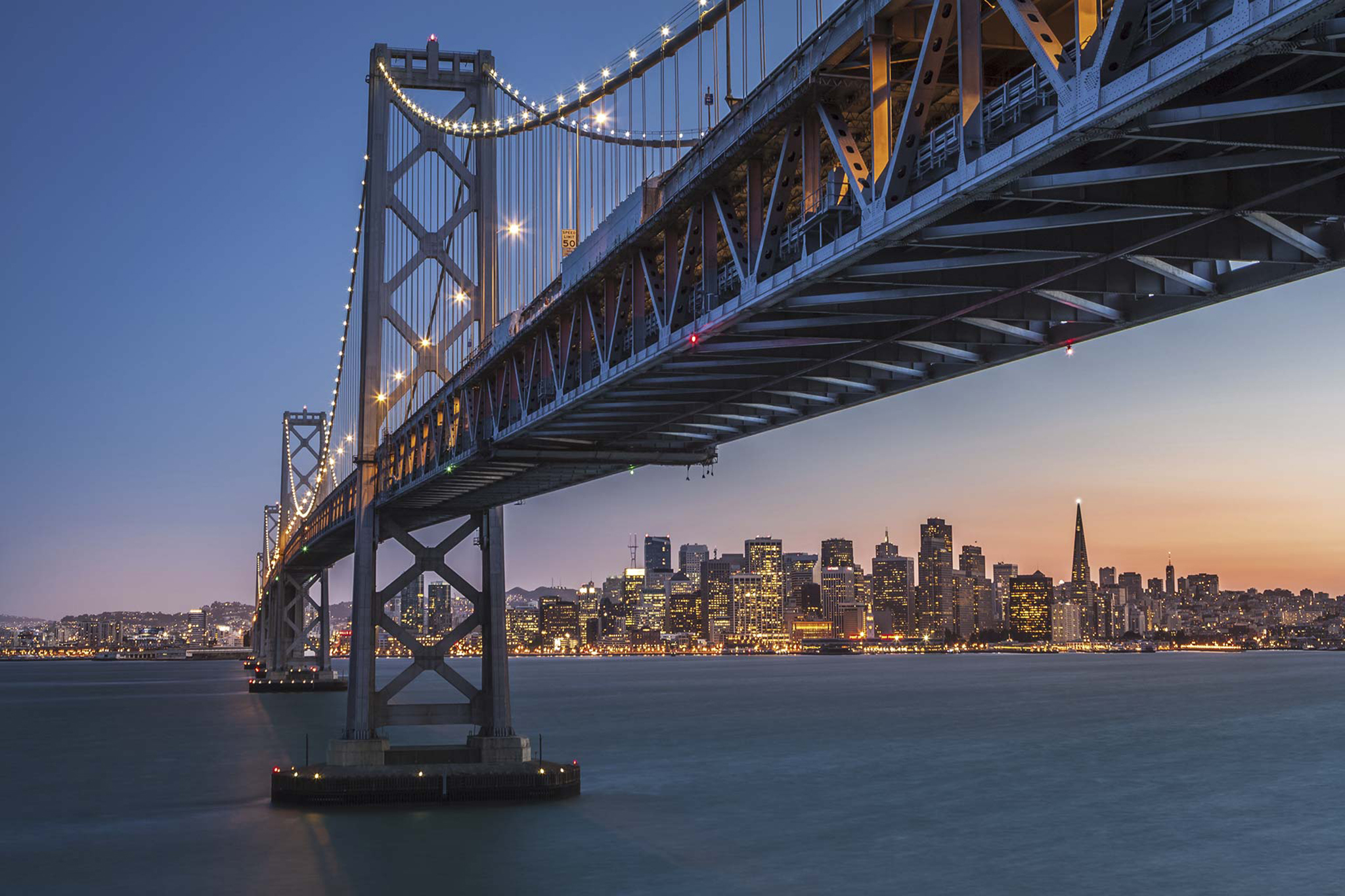
When traveling by car, the distance is typically around 12-15 miles (19-24 kilometers), primarily dictated by the route taken across the iconic San Francisco–Oakland Bay Bridge, often simply called the Bay Bridge. This monumental structure is a lifeline connecting the East Bay to the peninsula. For those opting for public transit, the Bay Area Rapid Transit (BART) system efficiently tunnels under the bay, offering a swift connection that feels much shorter than the actual ground distance. The beauty of this proximity is that while each city maintains its distinct identity, they are easily accessible to one another, opening up a broader canvas for exploration.
More Than Just Miles: The Commute Experience
The time it takes to travel between Oakland and San Francisco varies significantly depending on the mode of transportation, time of day, and specific destinations within each city. A typical car journey across the Bay Bridge can range from 20 minutes to over an hour during peak rush hours. Factors like traffic congestion, bridge tolls, and parking availability heavily influence the overall travel time. In contrast, a BART ride offers a more predictable schedule, usually taking about 12-15 minutes for the direct underwater crossing, plus time for reaching stations and transferring. This consistency makes BART a popular choice for commuters and tourists alike, allowing for efficient planning regardless of external road conditions. The choice between speed, scenery, and cost often dictates the preferred method of crossing the bay, adding another layer to the “how far” question.
Navigating the Bay: Your Transportation Options
The convenience of travel between Oakland and San Francisco is a cornerstone of the Bay Area experience. A robust network of transportation options caters to every preference, whether you seek speed, scenic views, or cost-effectiveness. This multitude of choices enhances the region’s appeal for both short-term visits and extended stays, allowing visitors to seamlessly explore the diverse attractions of both cities.
Driving Across the Bay: Bridges, Tolls, and Road Trips
Driving is a popular option for those who prefer the flexibility of their own vehicle or a rental car. The primary route is via the Bay Bridge, a double-decked marvel that provides stunning views of the bay and city skylines. Be aware that westbound traffic (towards San Francisco) typically incurs a toll, which is collected electronically. While offering convenience, driving also means contending with traffic, especially during morning and evening rush hours. Parking in San Francisco can also be challenging and expensive, so planning ahead for parking garages or utilizing ride-sharing services for shorter in-city trips is often advisable. Rental car agencies are readily available at both San Francisco International Airport (SFO) and Oakland International Airport (OAK), offering a gateway to explore not just the immediate cities but also surrounding regions like Napa Valley or the Pacific Coast Highway.
Public Transit Prowess: BART and Ferries
For many, public transportation is the most efficient and enjoyable way to traverse the bay.
-
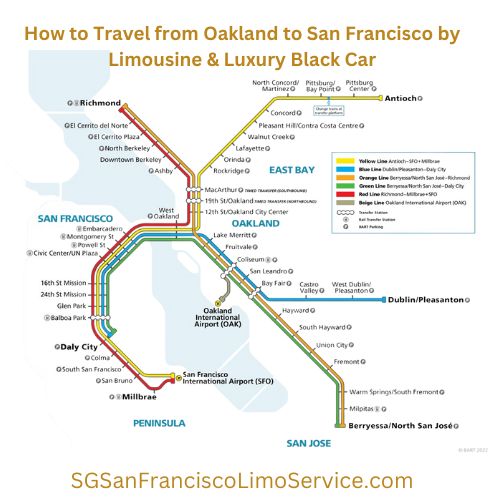
BART (Bay Area Rapid Transit): This extensive subway system is the backbone of Bay Area public transit. BART offers multiple lines connecting Oakland to San Francisco with frequent trains. Key Oakland stations like 12th Street/Oakland City Center or Lake Merritt connect directly to San Francisco stations such as Embarcadero, Montgomery Street, and Powell Street, placing you right in the heart of major attractions. It’s a clean, safe, and relatively fast option, making it ideal for tourists looking to avoid traffic and parking hassles.
-
San Francisco Bay Ferry: For a truly scenic and refreshing journey, the San Francisco Bay Ferry offers routes between Oakland’s Jack London Square and San Francisco’s Ferry Building Marketplace or Pier 41. This leisurely ride provides unparalleled views of the Bay Bridge, Alcatraz Island, and the San Francisco skyline. It’s not just transportation; it’s an attraction in itself, highly recommended for first-time visitors or anyone wanting to add a memorable experience to their itinerary. Routes also extend to other charming Bay Area towns like Sausalito and Alameda.
Other Modes: Ride-Sharing and Cycling
Ride-sharing services like Uber and Lyft are readily available in both cities, offering a convenient door-to-door option, though prices can surge during peak times. For the adventurous and environmentally conscious, cycling across the Bay Bridge via the bike path (on the eastern span) or combining cycling with BART or ferry trips provides a unique perspective and an excellent workout. Many areas in both Oakland and San Francisco are bike-friendly, with dedicated lanes and rental services.

Why Cross the Bay? Exploring Oakland and San Francisco’s Allure
The close proximity of Oakland and San Francisco is not just about logistics; it’s about accessing two distinct yet complementary urban experiences. Each city boasts a unique character, a vibrant array of attractions, and a culinary scene that reflects its diverse population and history. Exploring both offers a comprehensive view of the Bay Area’s rich tapestry.
San Francisco’s Iconic Charms
San Francisco is world-renowned for its iconic landmarks and cosmopolitan atmosphere. Visitors flock to see the majestic Golden Gate Bridge, take a ferry to historic Alcatraz Island, or stroll through the bustling Fisherman’s Wharf and Pier 39. The city’s hilly terrain is home to charming neighborhoods like the crooked Lombard Street, the vibrant Chinatown, and the artistic Mission District. Cultural gems abound, from the museums in Golden Gate Park to the panoramic views from Coit Tower. The culinary scene is equally diverse, offering everything from Michelin-starred dining to casual food trucks. San Francisco embodies a blend of historic charm, progressive culture, and breathtaking natural beauty, making it a perennial top travel destination.
Oakland’s Vibrant Scene: A Gem Across the Water
Oakland, often referred to as “The Town,” offers a more laid-back, authentic California experience with a burgeoning cultural scene. Its waterfront district, Jack London Square, is a hub of dining, entertainment, and ferry connections. The city is also home to the serene Lake Merritt, an urban estuary perfect for paddle boating, jogging, or simply enjoying the skyline views. Oakland’s neighborhoods, such as Uptown, are renowned for their Art Deco architecture (like the historic Paramount Theatre), vibrant arts districts, and a diverse culinary landscape that rivals San Francisco’s, often at more accessible price points. The Oakland Museum of California offers deep insights into the state’s natural, human, and artistic history. Oakland boasts a strong sense of community, a thriving music scene, and an entrepreneurial spirit, making it an increasingly popular destination for travelers seeking a different flavor of the Bay Area.
Lifestyle and Travel Synergy: A Complementary Experience
The proximity and ease of travel between Oakland and San Francisco create a symbiotic relationship that enriches the travel experience. Visitors can base themselves in one city and easily explore the other, doubling their sightseeing opportunities. For instance, a traveler could enjoy the iconic sights of San Francisco by day and experience Oakland’s burgeoning food scene or a live music performance by night. This synergy also extends to lifestyle choices: some prefer the bustling energy and historical landmarks of San Francisco, while others are drawn to Oakland’s vibrant arts, diverse communities, and often more budget-friendly options. Whether you’re planning a luxury trip, a budget-conscious adventure, a family vacation, or a business stay, the ability to seamlessly move between these two dynamic cities ensures a well-rounded and fulfilling Bay Area itinerary.
Planning Your Bay Area Stay: Accommodation and Logistics
Deciding where to stay and how to navigate the Bay Area is crucial for a memorable trip. With both Oakland and San Francisco offering distinct advantages, understanding your accommodation options and local tips will enhance your overall experience.
Choosing Your Base: Hotels and Accommodation Options
Both cities offer a wide range of accommodations, catering to various budgets and travel styles:
-
San Francisco Accommodations: As a major global tourist destination, San Francisco boasts an extensive selection of hotels. You can find luxury resorts like The Ritz-Carlton, San Francisco or The St. Regis San Francisco offering unparalleled service and amenities. Mid-range options like Hotel Nikko San Francisco or Hotel Zetta San Francisco provide comfort and excellent locations near popular attractions. Boutique hotels in neighborhoods like Union Square or North Beach offer unique charm. For longer stays, serviced apartments and vacation rentals are also prevalent. Booking well in advance, especially during peak season, is highly recommended due to high demand.
-
Oakland Accommodations: Oakland offers a compelling alternative, often with more competitive pricing and a relaxed atmosphere. Hotels in areas like Jack London Square, such as the Waterfront Hotel or Z Hotel Jack London Square, offer scenic views and easy ferry access to San Francisco. Downtown Oakland provides convenient access to BART and local attractions, with options like the Marriott City Center Oakland. For those flying into OAK or needing easy airport access, hotels like the Hilton Oakland Airport are practical. Oakland also features charming boutique hotels and a growing number of unique short-term rental properties, reflecting its vibrant local culture. Additionally, nearby Berkeley offers options like The Graduate Berkeley or the historic Claremont Club & Spa for a luxurious stay in a university town setting.
Maximizing Your Experience: Tips for Travelers
To make the most of your Bay Area adventure, consider these tips:
- Best Time to Visit: Spring (April-June) and Fall (September-November) offer the mildest weather and fewer crowds, making them ideal for exploring both cities. San Francisco can be surprisingly foggy and cool in the summer, especially mornings and evenings, so always pack layers.
- Public Transit Passes: If you plan to use BART and local buses extensively, consider purchasing a Clipper Card (a reloadable transit fare card) or using mobile payment options for seamless travel across various agencies.
- Embrace the Food Scene: Both cities are culinary powerhouses. Don’t shy away from exploring diverse eateries in Oakland’s Temescal or Grand Lake neighborhoods, and San Francisco’s Ferry Building Marketplace or Mission District.
- Balance Your Itinerary: While San Francisco has many world-famous landmarks, allocate time to discover Oakland’s unique character, from its historic architecture to its vibrant arts scene. This balance provides a more authentic and diverse Bay Area experience.
- Booking and Reviews: Always refer to reliable booking platforms and read recent reviews for accommodations to ensure they meet your expectations, especially for long-term stays or specific amenities. Comparing prices across different sites can also yield better deals.
In conclusion, the distance between Oakland and San Francisco is minimal in terms of travel time and accessibility, thanks to efficient transportation networks. This close proximity allows travelers to experience the distinct charms of both cities, from the iconic landmarks and cosmopolitan buzz of San Francisco to the vibrant culture and authentic appeal of Oakland. Whether you choose to cross the bay by car, BART, or a scenic ferry, the journey itself is part of the adventure, opening up a world of diverse destinations, unique accommodations, and unforgettable experiences in the heart of California’s dynamic Bay Area.
LifeOutOfTheBox is a participant in the Amazon Services LLC Associates Program, an affiliate advertising program designed to provide a means for sites to earn advertising fees by advertising and linking to Amazon.com. Amazon, the Amazon logo, AmazonSupply, and the AmazonSupply logo are trademarks of Amazon.com, Inc. or its affiliates. As an Amazon Associate we earn affiliate commissions from qualifying purchases.