
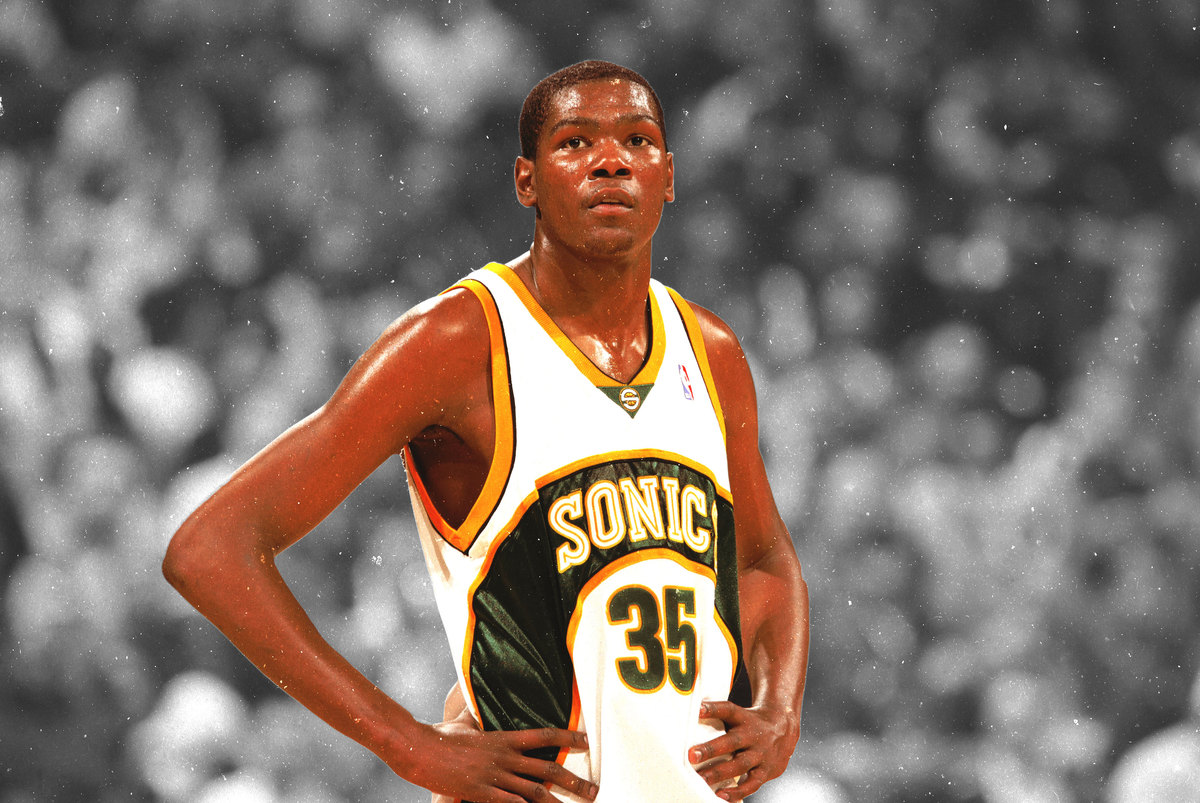
The story of the Seattle SuperSonics, often simply referred to as the Sonics, is one etched deeply into the cultural fabric of Seattle, a tale of soaring triumphs, passionate fandom, and ultimately, heartbreaking loss. For over 40 years, the Sonics were more than just a basketball team; they were a landmark, a community pillar, and an integral part of the Emerald City’s identity. Their unexpected departure in 2008 left a void that resonates to this day, impacting not just the local sports scene but also the city’s tourism, lifestyle, and sense of civic pride. This article delves into the rise and fall of this iconic National Basketball Association (NBA) franchise, exploring its legacy, the events leading to its relocation, and the enduring hope for professional basketball’s return to the Pacific Northwest.
A Legacy Forged in the Emerald City: Seattle and Its SuperSonics
From their inception in 1967, the Seattle SuperSonics quickly became synonymous with the vibrant, innovative spirit of Seattle. They were one of the city’s first major professional sports teams, offering a focal point for civic pride and community gathering. For generations of fans, attending a Sonics game wasn’t just about watching basketball; it was a cherished lifestyle experience, a chance to connect with fellow Seattleites, and witness athletic prowess unfold in their own backyard. The team’s presence elevated Seattle’s profile on a national stage, drawing visitors and attention to a city already known for its burgeoning tech industry and stunning natural beauty.
The Golden Era: Championship Glory and City Pride
The Sonics’ history is rich with memorable moments and legendary players. The team’s first true golden era arrived in the late 1970s, culminating in an NBA Championship victory in 1979. Led by coach Lenny Wilkens and a roster of talented players, the Sonics captured the hearts of the city, demonstrating the power of teamwork and perseverance. This championship wasn’t just a sports triumph; it was a moment of collective celebration for Seattle, uniting diverse communities under a shared banner of success. Such events often become tourist draws, with fans traveling to witness games, stay in local hotels, and explore the city’s attractions. The legacy of that championship team cemented the Sonics’ place in Seattle’s history, intertwining the team’s narrative with the city’s narrative of growth and achievement.
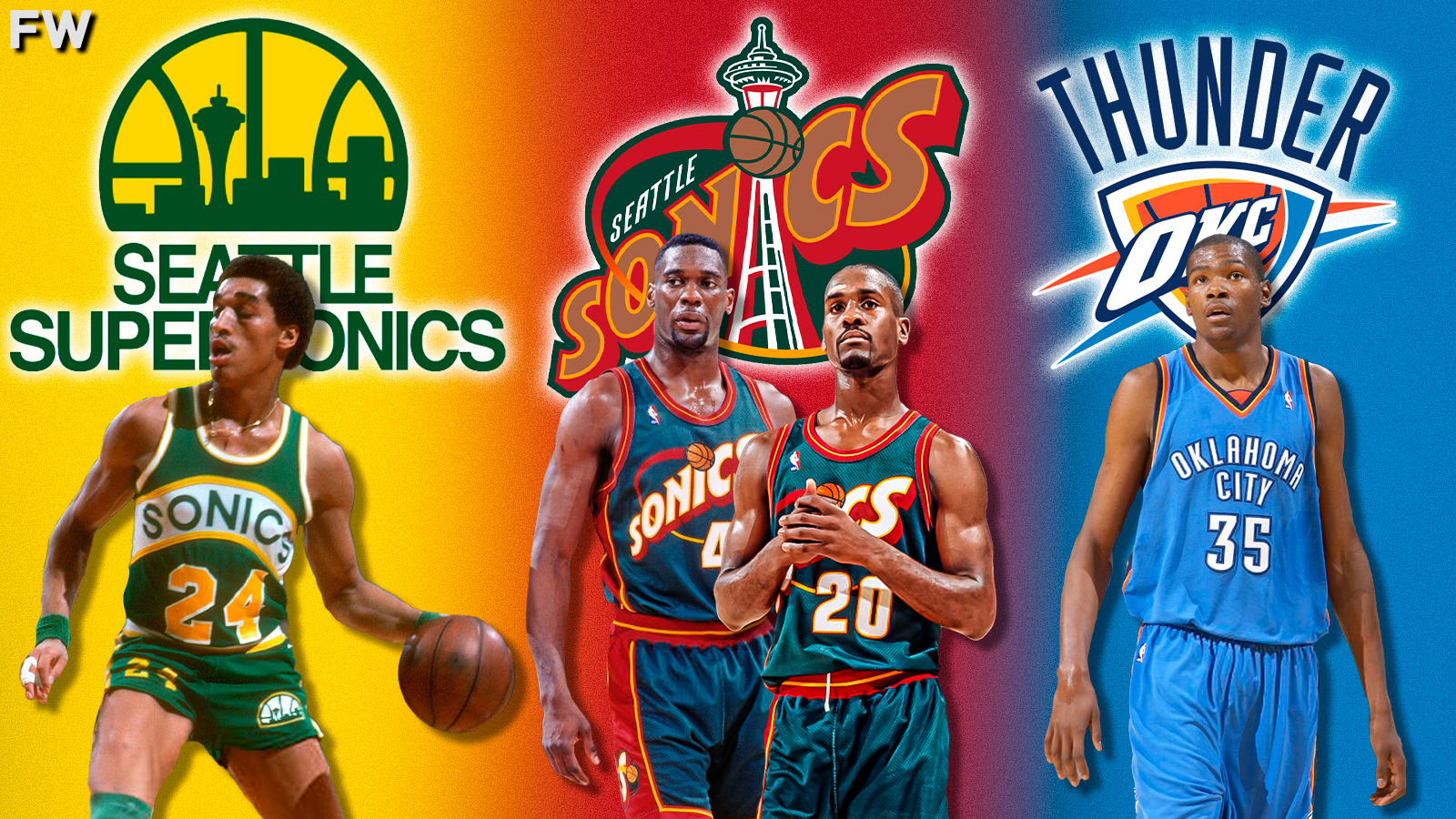
The 1990s brought another resurgence of Sonics’ fever, led by the dynamic duo of Gary Payton and Shawn Kemp. Their high-flying, electrifying style of play captivated fans, not only in Seattle but across the entire country. The team consistently ranked among the league’s elite, making deep playoff runs and reaching the NBA Finals in 1996. While they ultimately fell short against the legendary Chicago Bulls, this period solidified the Sonics’ status as a beloved institution. The energy surrounding these teams fueled local businesses, from sports bars to merchandise shops, and brought a vibrant buzz to Downtown Seattle on game nights. It was a lifestyle centered around anticipation, excitement, and communal pride, a quintessential part of being a Seattleite.
KeyArena: More Than Just a Basketball Court
Central to the Sonics’ story was their home, KeyArena. Located within the iconic Seattle Center grounds, in the shadow of the Space Needle, the arena itself became a landmark for fans. Originally built for the 1962 World’s Fair, it underwent significant renovations in the mid-1990s, transforming into a state-of-the-art facility for its time. KeyArena wasn’t just where games were played; it was a gathering place, a venue for concerts, events, and other community activities. It offered a unique experience for visitors, allowing them to not only enjoy a basketball game but also to explore the surrounding attractions like the Museum of Pop Culture (MoPOP) and Chihuly Garden and Glass.
The atmosphere within KeyArena on game nights was legendary. The roar of the crowd, the sea of green and gold, and the palpable energy created an unforgettable experience for both locals and tourists. For many, a trip to Seattle included catching a Sonics game, making it an attraction that bolstered the city’s tourism industry. The arena represented a tangible link between the city’s past and its present, a physical manifestation of its sporting legacy. Its close proximity to various accommodation options in Downtown Seattle made it incredibly convenient for out-of-town fans, further contributing to its role as a key piece of Seattle’s tourism infrastructure.
The Unraveling: Ownership, Arenas, and the Relocation Saga
Despite their rich history and passionate fanbase, the Seattle SuperSonics faced an increasingly precarious future in the early 2000s. The crux of the issue revolved around the aging KeyArena and the team’s ownership. While the arena had served the team well, it lacked the modern amenities and revenue streams (like luxury suites and naming rights) that had become standard in newer NBA venues. This put the Sonics at a financial disadvantage compared to other franchises, creating pressure for a new or significantly renovated facility. This often happens in major sports, where state-of-the-art facilities become central to a team’s long-term viability, impacting local economies and the viability of sports tourism.
The Fight to Stay: Community Efforts and Civic Engagement
In 2001, Howard Schultz, the chairman of Starbucks, purchased the Sonics. He initially intended to keep the team in Seattle and sought public funding for a new arena or significant upgrades to KeyArena. However, public sentiment in Washington state was largely against using taxpayer money for a privately owned sports venue. Despite various proposals and intense negotiations, a viable solution could not be reached. This deadlock created an environment of uncertainty that began to chip away at the bond between the team and the city. The community, fiercely loyal to their Sonics, launched numerous campaigns, petitions, and rallies, demonstrating an unwavering commitment to keeping the team in Seattle. These grassroots efforts showcased the deep emotional investment and the integral role the team played in the local lifestyle and identity.
The frustration over the arena situation eventually led Howard Schultz to sell the team in 2006. The buyers were a group of Oklahoma City businessmen led by Clay Bennett and his company, Professional Basketball Club LLC. While Bennett initially promised to make a “good faith effort” to keep the Sonics in Seattle, many fans and city officials harbored suspicions about the group’s true intentions. The sale itself became a landmark moment in the team’s history, signaling a potential shift that would ultimately change the landscape of sports in the Pacific Northwest.
The Move to Oklahoma City: A New Chapter, A Lingering Loss
The fears of Seattleites were soon realized. Despite efforts by local politicians, business leaders, and fervent fans, Clay Bennett’s group declared their intention to move the team to Oklahoma City. The final legal battle was bitter and protracted, with the city of Seattle suing to enforce the team’s lease at KeyArena. Ultimately, a settlement was reached in July 2008, allowing the team to relocate in exchange for a substantial payment to the city. The Seattle SuperSonics ceased to exist, and the franchise was rebranded as the Oklahoma City Thunder.
The relocation was a devastating blow to Seattle. It was more than just losing a sports team; it was losing a piece of the city’s identity, a beloved institution that had brought generations of joy and community spirit. The departure left a significant hole in the city’s sports travel and tourism landscape, as well as a lingering sense of betrayal among fans. The move also highlighted the complex interplay between sports franchises, civic pride, and economic realities, a cautionary tale for cities across the United States and Canada regarding the importance of arena deals and ownership stability. The empty feeling permeated the city, impacting the lifestyle of thousands who had built their weekends and social lives around Sonics games. For a city like Seattle, which thrives on innovation and community, the loss was a stark reminder of how quickly cherished landmarks and institutions can disappear.
The Lasting Impact: Seattle’s Sports Scene and Future Aspirations
The departure of the Seattle SuperSonics created a significant void in the city’s professional sports landscape. For years, Seattle was the largest major market in the United States without an NBA team. However, the resilient spirit of Seattleites, coupled with the city’s continuous growth and economic prosperity (driven by companies like Microsoft, Amazon, and Boeing), meant that the passion for sports never truly waned. The city channeled its energy into supporting its other successful franchises and pursuing new opportunities.
Seattle’s Post-Sonics Identity: New Teams, New Venues
In the wake of the Sonics’ departure, Seattle has successfully nurtured and welcomed new professional sports teams, showcasing the city’s enduring love for competitive athletics. The Seattle Storm of the Women’s National Basketball Association (WNBA), who also played at KeyArena, continued to thrive, winning multiple championships and providing a high-level basketball experience for fans. Their success highlighted the fact that basketball culture remained vibrant in Seattle, even without the NBA.
The city also boasts incredibly successful teams in other major leagues. The Seattle Seahawks (NFL) and the Seattle Sounders FC (MLS) both play at the impressive Lumen Field, drawing massive crowds and creating an electric game-day atmosphere. The Seattle Mariners (MLB) play at T-Mobile Park, another modern facility that hosts a significant number of visitors. These teams continue to fuel sports tourism in Seattle, with fans traveling from across the Pacific Northwest and beyond to experience games and explore the city.
Perhaps the most significant development in Seattle’s sports scene post-Sonics was the arrival of the Seattle Kraken, an NHL expansion team, in 2021. This brought a major professional sports league back to the renovated KeyArena, now known as Climate Pledge Arena. The multi-million dollar redevelopment transformed the old arena into a cutting-edge, sustainable venue, proving Seattle’s capability and commitment to housing a world-class sports franchise. The existence of this new, modern arena is a critical piece of the puzzle for any future NBA return.
A Call for Return: The Enduring Dream of NBA Basketball
Despite the successes of its other teams, the dream of an NBA team returning to Seattle remains powerfully alive. The fan base is still incredibly passionate, and the narrative of the Sonics’ departure is a constant undercurrent in local sports discussions. Many iconic figures, including legends like Bill Russell and Gary Payton, have expressed their support for an NBA return. The presence of Climate Pledge Arena, with its capacity and modern facilities, addresses one of the primary reasons for the original move.
Seattle’s economic growth and its status as a major global city make it an attractive market for the NBA. The league has openly acknowledged Seattle as a potential expansion or relocation candidate. The possibility of an NBA team returning continues to generate excitement and speculation, impacting local conversations about development, future tourism, and the city’s overall lifestyle. For many Seattleites, the return of the Sonics would not just be a sports event; it would be a rectification of a past injustice, a homecoming for a beloved piece of their collective identity, and a full circle moment for a city that never truly stopped believing in its SuperSonics.
Exploring Seattle Today: A City of Innovation and Untapped Sporting Potential
Even without the Sonics, Seattle remains a premier destination for travel and tourism, offering a unique blend of urban sophistication, natural beauty, and a thriving arts and culture scene. The city’s history with the Sonics is an interesting footnote for sports enthusiasts, but there’s so much more for visitors to discover. The presence of other major sports teams like the Seattle Kraken and Seattle Seahawks means that sports remain a significant draw, contributing to the city’s vibrant lifestyle and providing ample opportunities for booking accommodation and experiences.
Beyond Basketball: Seattle’s Must-Visit Attractions
For those visiting Seattle, the city offers an abundance of landmarks and attractions that showcase its diverse appeal:
- Space Needle: The iconic symbol of Seattle, offering breathtaking panoramic views of the city, Puget Sound, and the surrounding mountains. A visit here is a quintessential Seattle experience.
- Pike Place Market: A bustling public market known for its fresh seafood (including the famous flying fish!), local produce, artisan crafts, and quirky shops. It’s a feast for the senses and a great place to experience local culture and food.
- Museum of Pop Culture (MoPOP): Located at Seattle Center, this vibrant museum celebrates contemporary pop culture, from music and sci-fi to video games and fantasy.
- Chihuly Garden and Glass: A stunning exhibition of glass art by Dale Chihuly, set in a beautifully landscaped garden and conservatory, right next to the Space Needle.
- Smith Tower: A historic skyscraper offering a glimpse into Seattle’s past, with a charming observatory and speakeasy bar on its upper floors.
- Snoqualmie Falls: A short drive east of the city, these magnificent waterfalls offer a spectacular natural escape and stunning photo opportunities.
These attractions, combined with Seattle’s renowned culinary scene, vibrant arts community, and proximity to stunning natural landscapes, make it an ideal destination for various types of travel, from luxury travel to budget travel and family trips.
Planning Your Visit: Accommodation and Experiences in the Pacific Northwest
When planning a visit to Seattle, a wide range of accommodation options are available to suit every preference and budget. From upscale resorts and boutique hotels in Downtown Seattle to cozy apartments and villas in charming neighborhoods, visitors can easily find the perfect place to stay. Websites for booking and reviews are readily available to help travelers compare options and secure the best deals.
Seattle’s unique blend of culture, commerce, and natural beauty makes it a compelling destination. While the ghost of the Seattle SuperSonics may linger, the city has evolved, demonstrating resilience and an unwavering spirit. The story of the Sonics serves as a poignant reminder of the deep connection between a city and its sports teams, a connection that transcends mere games and becomes an integral part of its identity and lifestyle. The hope for NBA basketball’s return is a testament to this enduring bond, ensuring that the legacy of the Sonics, and the dream of their rebirth, continues to shape Seattle’s future. Whether you’re exploring the city’s landmarks, enjoying its vibrant culinary scene, or catching a game with one of its other fantastic teams, Seattle offers an experience that is truly unique and unforgettable, a city ready to welcome its next chapter, perhaps one that includes the thunderous roar of an NBA crowd once again.
LifeOutOfTheBox is a participant in the Amazon Services LLC Associates Program, an affiliate advertising program designed to provide a means for sites to earn advertising fees by advertising and linking to Amazon.com. Amazon, the Amazon logo, AmazonSupply, and the AmazonSupply logo are trademarks of Amazon.com, Inc. or its affiliates. As an Amazon Associate we earn affiliate commissions from qualifying purchases.