
Nestled in the breathtaking Pacific Northwest of the United States, Seattle, Washington, is a city renowned for its vibrant culture, innovative spirit, and, perhaps most famously, its persistent rain. Often dubbed the “Emerald City” for its lush, evergreen landscape, Seattle’s verdant beauty is a direct consequence of its frequently moist climate. Travelers planning a visit, or those simply curious about this unique destination, often wonder: why exactly does it rain so much in Seattle? While the city’s reputation for perpetual drizzle might be slightly exaggerated, there’s a compelling scientific and geographic explanation behind its characteristic weather patterns. Understanding these factors not only demystifies Seattle’s climate but also enriches the experience of visiting this captivating urban hub, offering insights into how to best enjoy its many attractions, come rain or shine. From planning your accommodation to choosing the right activities, embracing Seattle’s weather is key to a memorable trip.
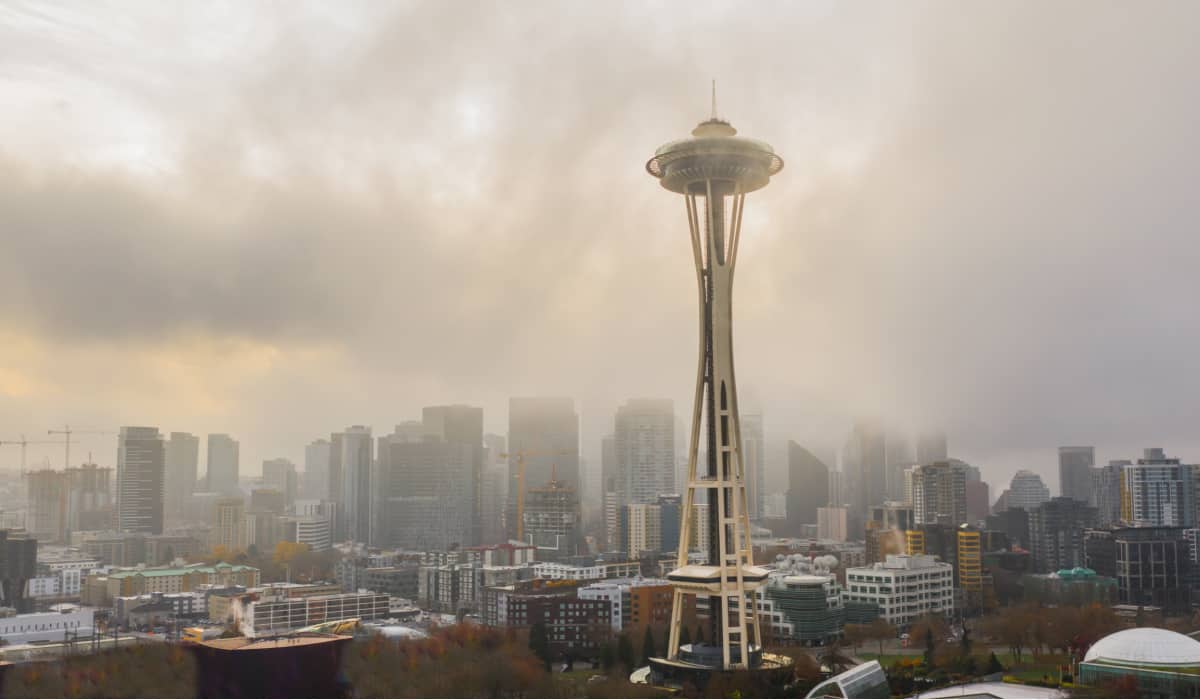
Unraveling Seattle’s Unique Climate
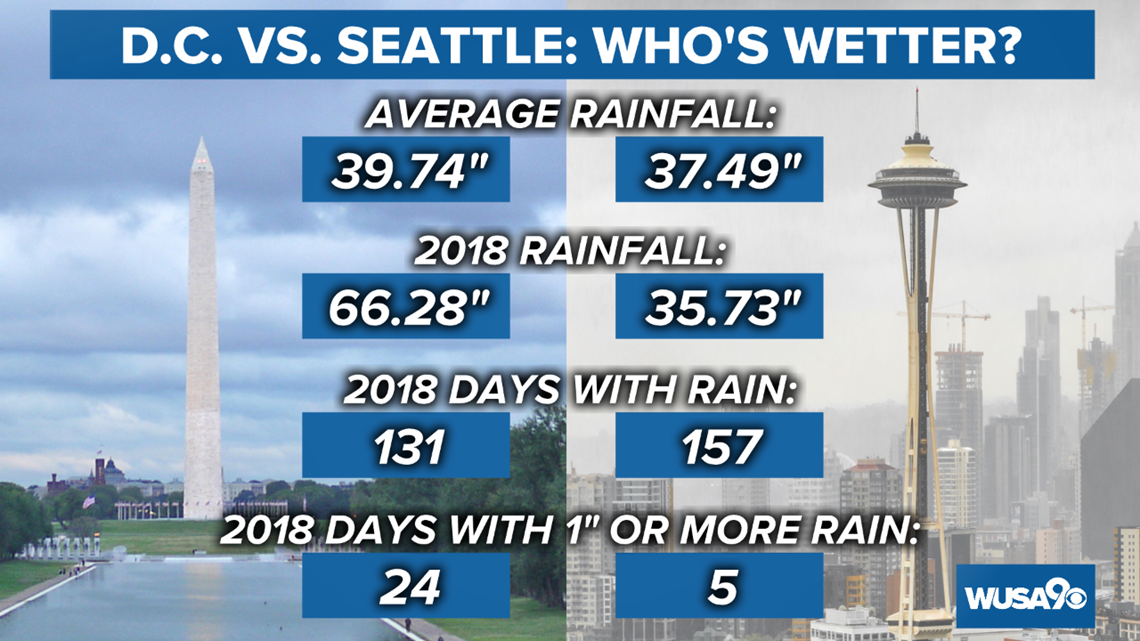
The perception of Seattle as a perpetually rainy city is rooted in a combination of its geographical location and prevailing atmospheric conditions. While it might not receive the highest annual rainfall in the U.S. (places like Hawaii and the southeastern states often surpass it in total inches), Seattle experiences a high number of “rainy days” – days with measurable precipitation. This distinction is crucial for understanding its climate and how it impacts the travel experience.
The Pacific Northwest’s Geographic Embrace
Seattle’s geography is the primary architect of its weather. The city sits on the eastern shores of Puget Sound, an intricate inlet of the Pacific Ocean. To its west, the majestic Olympic Mountains rise steeply, creating a significant rain shadow effect. To the east, the towering Cascade Range forms another formidable barrier. This unique topographical arrangement plays a critical role in shaping the regional weather.
The prevailing winds in the Pacific Northwest come from the west, carrying moisture-laden air directly from the vast Pacific Ocean. As this moist air encounters the Olympic Mountains, it is forced upwards. This process, known as orographic lift, causes the air to cool, condense, and form clouds, leading to precipitation on the western slopes of the mountains. By the time this air descends on the eastern side, over the Puget Sound basin where Seattle is located, much of its moisture has already been shed. This phenomenon creates a “rain shadow” effect, paradoxically making Seattle drier in terms of total rainfall than areas directly on the coast. However, the air still carries significant humidity and often encounters the Cascade Range further east, which traps additional moisture in the Puget Sound region.
Atmospheric Dynamics: Low-Pressure Systems and the Jet Stream
Beyond its geography, Seattle’s climate is heavily influenced by large-scale atmospheric patterns. During the cooler months, typically from October through May, the northern branch of the Pacific Jet Stream shifts southward. This shift directs a series of low-pressure systems and frontal storms from the Pacific Ocean directly towards the Pacific Northwest coast. These systems bring with them vast amounts of moisture, which, as explained earlier, gets processed by the mountain ranges.
The presence of these frequent low-pressure systems results in extended periods of cloudy skies and light precipitation. It’s not usually intense downpours that define Seattle’s rain, but rather a persistent, often misty, drizzle or light rain that can last for hours or even days. This continuous, gentle precipitation contributes to the high number of “rainy days” without necessarily accumulating exceptional amounts of water. The mild temperatures, influenced by the ocean, prevent this precipitation from frequently turning into snow in the lower elevations of the city, keeping it primarily as rain.
The Myth vs. The Reality: Precipitation vs. Rainy Days
It’s crucial to distinguish between total annual rainfall and the number of rainy days. While Seattle averages around 37 inches of rain per year, which is less than cities like New York City (around 50 inches) or Miami (around 60 inches), it experiences approximately 150-160 days with measurable precipitation annually. This high frequency of wet days, often characterized by overcast skies and light rain, is what gives Seattle its reputation.
For travelers, this means you’re more likely to encounter days where a light jacket or umbrella is useful, rather than days of torrential downpours that keep you indoors. The rain is typically soft and atmospheric, rarely disrupting daily activities or travel plans significantly. This nuance is important for setting realistic expectations and planning an enjoyable visit to the Emerald City.
Embracing the Emerald City’s Rainy Charm: A Traveler’s Guide
Visiting Seattle means accepting and often appreciating its unique climate. Rather than viewing the rain as a deterrent, savvy travelers see it as an integral part of the city’s character, contributing to its lush landscapes and cozy, inviting atmosphere. Seattle is expertly equipped to entertain visitors regardless of the weather, offering a wealth of indoor attractions and experiences that thrive in its misty environment.
Top Indoor Attractions and Experiences
Seattle boasts an impressive array of indoor attractions perfect for a rainy day. No trip to Seattle is complete without a visit to Pike Place Market, a bustling hub of fresh produce, artisan crafts, and famous fishmongers. Much of the market is covered, allowing visitors to explore its vibrant stalls, sample local delicacies, and soak in the lively atmosphere without getting wet.
For art and culture enthusiasts, the city offers numerous world-class museums. The Museum of Pop Culture (MoPOP), with its striking architecture and immersive exhibits on music, science fiction, and pop culture, is an absolute must-see. Nearby, the stunning Chihuly Garden and Glass showcases the breathtaking glass art of Dale Chihuly, offering both indoor galleries and a partially covered outdoor garden that sparkles even on a cloudy day.
History buffs can delve into the city’s past at the Museum of History & Industry (MOHAI) in South Lake Union, or explore the subterranean secrets of the city on the Underground Tour in Pioneer Square. The iconic Space Needle offers unparalleled panoramic views of the city, Puget Sound, and surrounding mountains from its indoor observation deck, providing a dramatic perspective even when shrouded in mist. Even something as simple as visiting the architecturally renowned main branch of the Seattle Public Library can be an engaging indoor experience.
Culinary Delights: Cozy Cafes and World-Class Dining
Seattle’s food scene is another major draw, and the rainy weather only enhances the appeal of its cozy cafes and exceptional restaurants. The city is the birthplace of Starbucks, and exploring its myriad coffee shops, from the original Starbucks at Pike Place Market to the impressive Starbucks Reserve Roastery, is a quintessential Seattle experience. These establishments offer warm havens to relax, people-watch, and savor expertly crafted beverages.
Beyond coffee, Seattle boasts an impressive culinary landscape, from fresh Pacific Northwest seafood to diverse international cuisines. Exploring neighborhoods like Capitol Hill, Ballard, or Fremont reveals countless inviting eateries, bars, and breweries. A rainy evening is the perfect excuse to indulge in a long, leisurely dinner, perhaps enjoying a bowl of cioppino or fresh oysters from Taylor Shellfish Farms, paired with a local craft beer or Washington State wine.
The Green Side: Outdoor Activities for Drier Moments

While rain is frequent, it’s rarely constant. Seattle often experiences breaks in the weather, with periods of drizzle giving way to misty, atmospheric conditions or even fleeting bursts of sunshine. These moments are ideal for exploring Seattle’s magnificent parks and natural beauty.
Discovery Park, the city’s largest urban park, offers miles of trails, stunning bluff views of Puget Sound, and a historic lighthouse. Walking amidst its evergreen forests on a misty day offers a uniquely serene and invigorating experience. The Washington Park Arboretum and its Japanese Garden provide tranquil escapes, where the foliage looks especially vibrant and refreshed after a light rain. Even a stroll along the waterfront at Pier 57 or a visit to the Hiram M. Chittenden Locks (commonly known as the Ballard Locks) can be enjoyable, allowing visitors to watch boats traverse between Puget Sound and Lake Union/Lake Washington, and observe salmon in the fish ladder, often with minimal exposure to the elements. The key is to be prepared and flexible, ready to seize any dry spell for an outdoor adventure.
Navigating Your Stay: Accommodation and Lifestyle in the Rain
Planning a trip to Seattle involves considering not just where you’ll go, but also where you’ll stay and what you’ll wear. The city’s climate influences these practical aspects of travel, making comfort and preparedness paramount for an enjoyable visit.
Choosing the Right Accommodation: Comfort and Convenience
When selecting hotels, resorts, or apartments in Seattle, consider amenities that enhance a cozy, comfortable stay, especially after a day out in potentially damp weather. Hotels with inviting lobbies, fireplaces, or on-site restaurants and bars can be particularly appealing. Many luxury and boutique hotels, such as the Fairmont Olympic Hotel or The Edgewater Hotel, offer sophisticated retreats where you can unwind. For those seeking more space or a longer stay, apartment-style accommodations or Airbnb rentals often provide a kitchen, which can be a boon for enjoying local market finds.
Location is also key. Staying near major attractions or public transportation hubs (Link Light Rail, bus lines) can minimize time spent walking in the rain. Neighborhoods like Downtown, Belltown, or South Lake Union offer excellent walkability to many indoor sights and dining options. Reviews on accommodation websites often mention the quality of indoor spaces and services, which can be particularly helpful for a Seattle trip.
Packing Smart: Essential Gear for Seattle Weather
“There’s no such thing as bad weather, only bad clothing,” is a mantra that rings true in Seattle. Packing appropriately is crucial for a comfortable visit. The most important items are a waterproof and windproof jacket (preferably with a hood) and comfortable, water-resistant shoes or boots. An umbrella is also a good idea, though many locals opt for a good hood as the light drizzle often makes umbrellas more cumbersome than helpful.
Layers are essential, as temperatures can vary, and indoor spaces are typically well-heated. Think quick-drying fabrics, and perhaps an extra pair of socks. While serious hiking gear isn’t necessary for urban exploration, if you plan to venture into the national parks or engage in more strenuous outdoor activities, pack accordingly. Remember, the goal is to stay dry and warm, allowing you to fully enjoy the city’s offerings without feeling restricted by the weather.
The Local Lifestyle: How Seattleites Thrive
Seattle residents have perfected the art of thriving in their city’s unique climate. Rather than shying away from the rain, they embrace it. The local lifestyle is characterized by an appreciation for the indoors – cozy cafes, vibrant arts scenes, and a strong sense of community that gathers in warmth. Yet, there’s also a deep connection to nature, with locals regularly venturing out for hikes, runs, and bike rides, rain or shine, often with the right gear.
This resilience and adaptability are part of Seattle’s charm. Visitors will notice that many outdoor activities, from dog walking to jogging, continue unabated. The rain is simply a part of life, fostering a unique culture of indoor pursuits paired with an enduring love for the lush, green outdoors. Adopting a similar mindset – prepared yet open to the elements – will allow travelers to truly experience Seattle like a local.
Beyond the Drops: Seattle’s Year-Round Appeal
While the rain is a defining characteristic, it’s important to remember that Seattle is a vibrant, dynamic city with year-round appeal. Its climate contributes to its unique character, fostering both natural beauty and a resilient, creative culture.
Seasonal Variations: When the Sun Shines Brightest
Despite its rainy reputation, Seattle experiences distinct seasons. The summer months, typically from July through September, are famously beautiful, with long, sunny days, low humidity, and mild temperatures. During this period, the city truly comes alive with outdoor festivals, waterfront activities, and bustling parks. The famous “June Gloom” often gives way to spectacular August and September weather, making these months prime time for visitors seeking sunshine.
Spring and fall offer a transition, with a mix of sun and showers, and vibrant displays of cherry blossoms or autumn foliage. Even in winter, while predominantly grey and wet, there are often crisp, clear days that offer stunning views of the snow-capped Olympic and Cascade mountains. Understanding these seasonal shifts can help travelers plan their visit to align with their preferred weather conditions.
The Impact on Nature: Lush Landscapes and Vibrant Ecosystems
The consistent moisture is directly responsible for the Pacific Northwest’s incredible natural beauty. Seattle is surrounded by verdant forests, sparkling lakes (Lake Union, Lake Washington), and the majestic Puget Sound. The evergreen trees, moss-draped branches, and thriving gardens are all products of this precipitation.
This lush environment not only provides stunning scenery but also supports a rich ecosystem. The waters around Seattle are home to diverse marine life, including salmon, orcas, and seals, making whale watching tours a popular activity, especially during migratory seasons. For nature lovers, the rain is not a hindrance but a vital element that cultivates the very landscapes they’ve come to admire.
Planning Your Perfect Seattle Getaway
Ultimately, the question of “Why does it rain so much in Seattle?” leads to a deeper appreciation of this city. It’s not just about the weather; it’s about how the weather has shaped the destination, its culture, and the experiences it offers. Whether you seek vibrant urban exploration, serene natural escapes, or world-class culinary adventures, Seattle has something for every traveler.
By understanding the geographical and atmospheric reasons for its rain, and by preparing with the right mindset and gear, visitors can fully immerse themselves in the Emerald City’s unique charm. So, pack your waterproofs, grab a coffee, and get ready to discover the magic of Seattle – where every drop of rain tells a story of natural beauty, innovation, and a vibrant lifestyle that thrives, beautifully, under cloudy skies.
LifeOutOfTheBox is a participant in the Amazon Services LLC Associates Program, an affiliate advertising program designed to provide a means for sites to earn advertising fees by advertising and linking to Amazon.com. Amazon, the Amazon logo, AmazonSupply, and the AmazonSupply logo are trademarks of Amazon.com, Inc. or its affiliates. As an Amazon Associate we earn affiliate commissions from qualifying purchases.