
Imagine unwinding after a day exploring the vibrant streets of Paris, trekking through the serene landscapes surrounding Kyoto, or basking in the sun on a luxurious Caribbean island. You return to your lavish suite, perhaps at the Grand Lux Resort or the elegant Azure Coast Hotel, and the ultimate indulgence awaits: a pristine, inviting spa tub. This vision of relaxation is a cornerstone of the luxury travel and accommodation experience, an amenity that transforms a mere stay into an unforgettable retreat. However, the allure of a spa tub hinges entirely on its cleanliness. Whether you’re a discerning traveler booking a villa for a long-term stay, a hotelier striving for impeccable guest satisfaction, or simply someone who appreciates the finer details of a well-maintained home, knowing how to properly clean a spa tub is not just a practical skill—it’s essential for upholding a standard of excellence and hygiene.

A spa tub, with its intricate network of jets and pipes, offers a unique challenge compared to a standard bathtub. These hidden pathways can become breeding grounds for bacteria, mold, and biofilm if not regularly and thoroughly cleaned. The water temperature and enclosed environment create ideal conditions for microorganisms to thrive, potentially diminishing the very relaxation and therapeutic benefits they are designed to provide. From a lifestyle perspective, a clean spa tub is synonymous with well-being, peace of mind, and the unadulterated enjoyment of a moment of self-care. This comprehensive guide will walk you through every step of transforming your spa tub from potentially problematic to perfectly pristine, ensuring every soak is a truly rejuvenating experience.
Why Proper Spa Tub Maintenance is Crucial for Your Travel Lifestyle
The modern traveler seeks more than just a bed; they seek an experience. From boutique hotels in Santorini to expansive resorts in Maui, the inclusion of a spa tub often elevates a property’s appeal, promising a touch of luxury and an opportunity for relaxation. For accommodations, maintaining these features impeccably is paramount to guest satisfaction, positive reviews, and ultimately, repeat business. For the individual, it’s about safeguarding health and maximizing the enjoyment of a cherished amenity.
The Allure of a Pristine Spa Experience
There’s an undeniable appeal to sinking into a warm, bubbling spa tub. It’s a moment of escape, a private oasis where daily stresses melt away. This is especially true when traveling, where a spa tub can offer a much-needed respite after a busy day of sightseeing at landmarks like the Sydney Opera House or exploring ancient ruins. Hoteliers and property managers understand that this sensory experience must be flawless. A sparkling clean tub, free of any unpleasant odors or visible grime, directly contributes to the perceived value and luxuriousness of a stay. Imagine booking a suite at the Venetian Grand Suites in Las Vegas, only to find the spa tub less than inviting. It immediately detracts from the entire experience.
A well-maintained spa tub enhances the aesthetic of a bathroom, signaling attention to detail and a commitment to guest comfort. It speaks volumes about the overall quality of the accommodation and its dedication to providing a premium lifestyle experience. Whether it’s a Swiss Alps Chalets offering post-ski relaxation or a beachfront villa in the Maldives for a romantic getaway, the spa tub is often a highlight, a place where memories are made. Ensuring its cleanliness is therefore not just about maintenance; it’s about preserving the magic of these moments.
Health and Hygiene: A Non-Negotiable Aspect of Accommodation
Beyond aesthetics and luxury, the most critical reason for diligent spa tub cleaning is health and hygiene. The warm, moist environment within a spa tub’s plumbing system is an ideal breeding ground for various microorganisms, including bacteria like Pseudomonas aeruginosa, which can cause skin rashes (folliculitis), and even Legionella bacteria, which can lead to Legionnaires’ disease if inhaled through aerosolized water. Biofilm, a slimy layer of bacteria and other microorganisms, can coat the interior of the pipes, protecting these pathogens from sanitizers and making them difficult to remove without specific cleaning protocols.
For travelers, staying in accommodations with high hygiene standards is paramount. A hotel’s reputation can be significantly impacted by even a single incident of poor sanitation. For properties, especially those catering to the luxury market or families, ensuring every amenity, particularly high-use features like spa tubs, meets stringent health standards is non-negotiable. Regular, thorough cleaning protects guests from potential infections, prevents the spread of pathogens, and ensures a safe and healthy environment. It’s an investment in guest safety and a core component of responsible tourism and accommodation management.
Essential Tools and Supplies for a Sparkling Spa Tub
Before embarking on the cleaning process, gather all necessary tools and supplies. Having everything at hand will make the task more efficient and less daunting.
- Specialized Spa Tub Cleaner: These cleaners are specifically formulated to break down biofilm and clean the internal plumbing system. Look for products that are biodegradable and safe for plumbing. Examples include Oh Yuk Jetted Tub Cleaner or Affresh Washer Cleaner (often repurposed for spa tubs).
- Household Bleach (Optional): While some prefer dedicated cleaners, a small amount of bleach can be effective for initial sanitization, but it’s crucial to follow instructions carefully and never mix it with other chemicals. Always ensure proper ventilation.
- White Vinegar: An excellent natural alternative for mild cleaning and mineral deposit removal, particularly useful for general upkeep.
- Baking Soda: A gentle abrasive and deodorizer, great for scrubbing surfaces.
- Soft Brushes and Sponges: You’ll need various sizes, including a dedicated brush for the jets and a soft sponge for the tub surface to avoid scratching.
- Microfiber Cloths: For polishing and drying surfaces.
- Protective Rubber Gloves: To protect your hands from cleaning solutions.
- Goggles: To protect your eyes from splashes of cleaning agents.
- Old Towels or Rags: For wiping up spills and drying.
- Bucket: To mix cleaning solutions if needed.
- Measuring Cups: For accurate dilution of cleaners.
- A Plunger (Optional): In case of minor clogs in the drain, though not typically needed for routine cleaning.
Always read the labels of your chosen cleaning products and follow their instructions meticulously. Ensuring proper ventilation during the cleaning process is also very important, especially when using strong chemicals like bleach or specialized tub cleaners.
Step-by-Step Guide to Deep Cleaning Your Spa Tub
A deep clean for a spa tub involves more than just wiping down surfaces. It requires flushing the internal system and meticulously cleaning every accessible part.
Preparing for the Cleanse: Initial Steps

- Remove Accessories: Before you begin, remove any headrests, bath caddies, toys, or temporary covers from the tub. These often harbor moisture and can be easily cleaned separately with a general all-purpose bathroom cleaner.
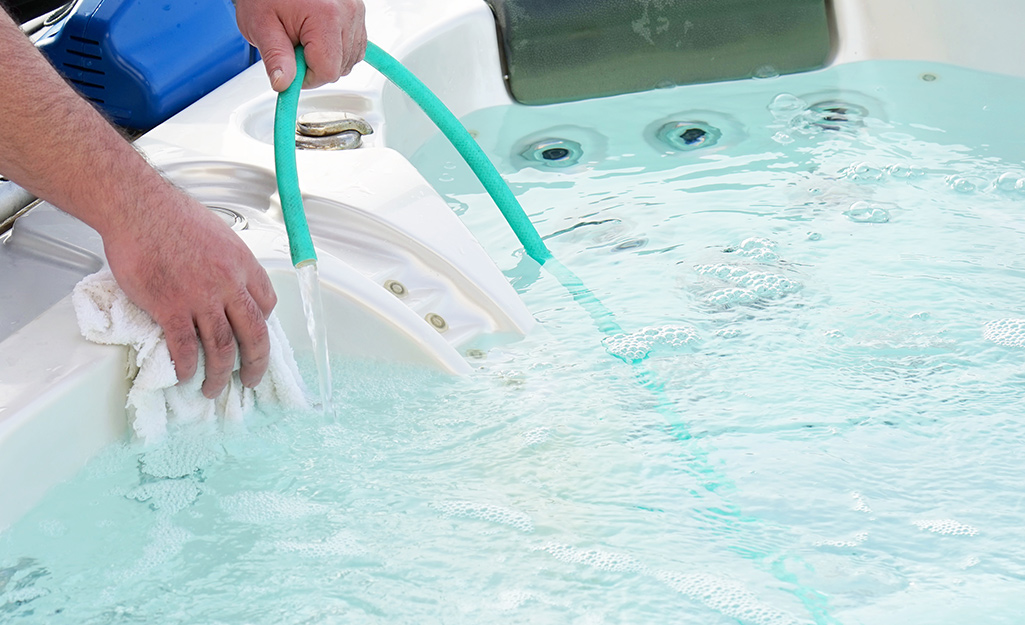
- Fill the Tub with Hot Water: Fill the spa tub with the hottest water available until the water level is a few inches above the highest jets. The hot water helps to loosen grime and activate cleaning solutions more effectively. For a standard-sized tub, this might mean filling it two-thirds to three-quarters full.
- Add Your Cleaning Agent: This is where your chosen cleaning solution comes into play.
- Specialized Cleaner: Follow the product’s instructions for the recommended amount. These are designed to penetrate and break down biofilm in the plumbing.
- Bleach (Optional): If using bleach, add about a half-cup to a cup (120-240 ml) of household bleach. Never mix bleach with any other cleaning product, especially those containing ammonia or acid, as this can create dangerous toxic fumes.
- White Vinegar (for light cleaning): For a milder, more natural approach or routine maintenance, add 2-3 cups (about 500-750 ml) of white vinegar.
Stir the water gently to ensure the cleaning agent is evenly dispersed.
The System Flush: Tackling the Hidden Dangers
This is the most critical step for cleaning the internal plumbing of your spa tub, which is often the source of hidden grime and bacteria.
- Run the Jets: Turn on the spa tub jets at their highest setting for 15-20 minutes. This allows the cleaning solution to circulate thoroughly through the entire system, reaching every pipe and jet. You might notice a surprising amount of murky water, flakes of biofilm, or even hair being expelled from the jets – this is a good sign that the cleaner is working. It’s often a revelation for hotel guests or those new to spa tub ownership how much unseen gunk accumulates.
- Drain the Tub: After the jets have run for the recommended time, turn them off and completely drain the tub. You’ll likely see a residue of dirty water and loosened debris at the bottom.
- Refill and Rinse (Important): It’s crucial to rinse the system. Refill the tub with clean, hot water, again covering the jets. Do not add any cleaning agents this time.
- Run Jets Again for Rinse Cycle: Turn the jets on again for another 10-15 minutes. This step is vital to flush out any remaining cleaning solution, debris, and lingering smells from the plumbing.
- Drain Completely: After the rinse cycle, drain the tub completely once more. At this point, the water should be significantly clearer than the first drainage.
Manual Scrubbing: Reaching Every Nook and Cranny
Once the internal system is flushed, it’s time to tackle the visible surfaces.
- Spray and Scrub the Tub Surface: Using an all-purpose bathroom cleaner or a paste made from baking soda and a little water, spray or apply to the entire surface of the tub. Pay special attention to the waterline, jet nozzles, and any areas where grime tends to build up. Use a soft sponge or cloth to scrub the acrylic or fiberglass surface. For tougher stains, a non-abrasive scrubber can be used, but always test in an inconspicuous area first to ensure it doesn’t scratch the finish.
- Clean the Jets and Air Intakes: This area is often overlooked. Take a small brush (an old toothbrush works well) and meticulously scrub around and inside each jet nozzle, as well as the air intake covers. Mineral deposits and soap scum can accumulate here, affecting the performance of the jets. For stubborn deposits, a bit of white vinegar can be effective.
- Wipe Down All Visible Fixtures: Don’t forget the faucet, handles, drain cover, and any other chrome or metal fixtures. Use a clean cloth and a mild bathroom cleaner to remove water spots and polish them to a shine. These details are important for the overall impression of cleanliness, particularly in a high-end suite in Dubai or a luxury rental property in Napa Valley.
Final Rinse and Exterior Care
Almost done! These final steps ensure the tub is perfectly clean and ready for use.
- Rinse the Tub Thoroughly: Once all scrubbing is complete, use a handheld showerhead or a clean bucket of water to thoroughly rinse down all internal surfaces of the tub. Make sure no cleaning solution residue is left behind. Let the water flow down the drain.
- Dry and Polish: Use clean microfiber cloths to dry the entire interior surface of the tub. Polish any chrome fixtures. Drying helps prevent water spots and mildew growth.
- Clean the Exterior: Wipe down the exterior skirt or tiling of the spa tub. For built-in tubs, clean the surrounding floor and wall areas. This completes the overall look of a spotless bathroom, which is a key element of the luxurious lifestyle and accommodation experience.
- Re-attach Accessories: Once everything is dry and sparkling, re-attach any accessories you removed earlier, ensuring they are also clean.
Maintaining Sparkle: Tips for Regular Spa Tub Upkeep
Regular maintenance is key to minimizing deep cleaning efforts and ensuring your spa tub is always ready for a relaxing soak. This is particularly important for properties that see frequent guest turnover.
Frequency and Routine: Preventing Buildup
- After Every Use (Quick Rinse): For personal use, a quick rinse of the tub with clean water after each bath can prevent soap scum and residue buildup. For high-traffic accommodations, this might not be feasible for guests, but staff should perform this.
- Weekly (Light Clean): For personal tubs, a weekly light clean with white vinegar or a mild cleaner (without running the jets) and a quick scrub of the surfaces is usually sufficient.
- Monthly (System Flush): For residential spa tubs, a full system flush using a specialized cleaner should be performed at least once a month, or more frequently if used often. For hotel suites or rental properties, this might need to be done bi-weekly or even weekly, depending on usage patterns and company policy. This prevents biofilm from taking hold.
- Quarterly (Deep Clean): A thorough deep clean, as outlined above, including meticulous scrubbing of jets and the entire tub, should be done quarterly, or more often for commercial use.
Common Issues and Troubleshooting
- Foul Odors: Persistent odors usually indicate biofilm buildup in the plumbing. Increase the frequency of your system flushes with a strong spa tub cleaner.
- Scum Line: This is often caused by bath oils, soaps, and body lotions. Regular wiping down of the tub after each use and using products specifically designed for spa tubs (low-foaming, non-oily) can help. White vinegar is excellent for removing existing scum lines.
- Mineral Deposits: Hard water can leave mineral deposits around jets and on surfaces. Regular use of vinegar in your cleaning routine can help prevent this. For severe buildup, a descaling product formulated for bathrooms might be needed.
- Weak Jets: If jets seem less powerful, check for blockages in the nozzles (hair, mineral buildup). A small brush or even a toothpick can help dislodge debris. Ensure the air intake for the jets is also clear.
- Discoloration: Some bath products or improper cleaning can lead to discoloration of the tub surface. Using appropriate cleaning agents and avoiding abrasive scrubbers will help preserve the tub’s finish.
Maintaining a spa tub to a high standard reflects a commitment to quality and luxury, whether it’s in a private home, a boutique hotel, or a vacation rental near Machu Picchu. By following these detailed steps and adhering to a consistent maintenance schedule, you ensure that every spa tub experience remains a truly relaxing, hygienic, and indulgent part of the sophisticated travel lifestyle. From the historic charm of Rome to the modern marvels of Dubai, a clean spa tub elevates any accommodation, making every trip, every stay, and every moment of relaxation, an uncompromised pleasure.
LifeOutOfTheBox is a participant in the Amazon Services LLC Associates Program, an affiliate advertising program designed to provide a means for sites to earn advertising fees by advertising and linking to Amazon.com. Amazon, the Amazon logo, AmazonSupply, and the AmazonSupply logo are trademarks of Amazon.com, Inc. or its affiliates. As an Amazon Associate we earn affiliate commissions from qualifying purchases.