
As the chill of winter deepens, a palpable sense of anticipation — tinged with caution — sweeps across the Lone Star State. Following an earlier brush with wintry conditions, Texas is once again bracing itself for what meteorologists are predicting will be a significant second winter storm. This impending weather event has profound implications for travel, accommodation, local tourism, and the everyday lifestyle of millions, both residents and visitors alike. For those planning a trip to the region or currently enjoying its diverse offerings, understanding the potential impacts and preparing accordingly is not just advisable, but essential.
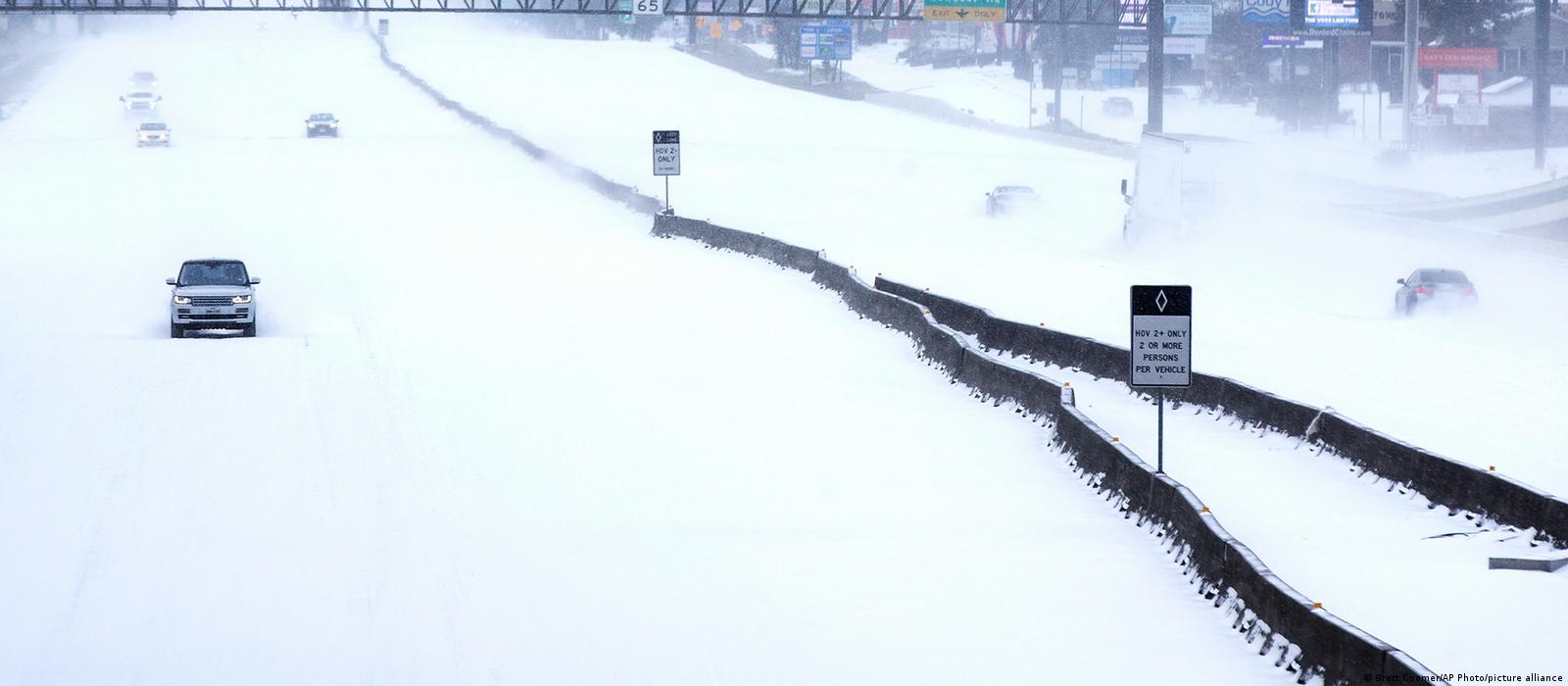
Texas, a state renowned for its sprawling landscapes, vibrant cities, and warm hospitality, is not typically associated with severe winter weather. However, recent years have shown its vulnerability to ice, snow, and dangerously low temperatures. This forecast storm brings with it the specter of travel disruptions, power outages, and the temporary closure of many beloved attractions, making it crucial for anyone connected to the state to stay informed and adapt their plans. From the bustling metropolitan hubs of Dallas and Houston to the cultural heart of Austin and the historic charm of San Antonio, the entire state is on alert. Our comprehensive guide delves into how this winter storm will shape the travel landscape, impact accommodations, influence local tourism, and necessitate adjustments to lifestyle choices, all while providing crucial tips for navigating the challenging days ahead.
Navigating the Storm: Travel Disruptions and Preparedness
The most immediate and widespread impact of a winter storm of this magnitude is invariably felt in the realm of travel. Whether by air or by road, the conditions expected across Texas can quickly render movement hazardous, if not impossible. Travelers planning to arrive in, depart from, or move within the state must exercise extreme caution and proactively prepare for significant delays and potential cancellations.
Roadways and Air Travel Under Threat
Driving conditions are expected to deteriorate rapidly across much of Texas. Major interstates such as I-35, which connects Dallas, Fort Worth, Austin, and San Antonio, and I-45, running between Dallas and Houston, are particularly vulnerable to ice accumulation. Even a thin glaze of ice can transform familiar highways into treacherous stretches, leading to widespread closures, accidents, and significant traffic congestion. For those contemplating road travel, checking real-time road conditions through the Texas Department of Transportation (TxDOT) website or local news advisories is paramount. Postponing non-essential travel until conditions improve is often the safest course of action.
Air travel is equally susceptible to the whims of winter weather. Major transportation hubs like Dallas/Fort Worth International Airport, George Bush Intercontinental Airport in Houston, and Austin-Bergstrom International Airport are likely to experience flight cancellations, delays, and diversions. Airlines typically issue travel waivers in advance of such storms, allowing passengers to rebook without penalty. It is crucial for travelers to monitor their flight status directly with their airline and to consider altering plans if their journey coincides with the peak of the storm. Being stranded at an airport during a severe weather event can be a frustrating and uncomfortable experience, especially if accommodations are fully booked.
Essential Travel Kits and Safety Precautions
For those who must travel, or those already on the road, preparing an emergency travel kit is a fundamental safety measure. This kit should include blankets or sleeping bags, extra layers of warm clothing, non-perishable food items, bottled water, a fully charged power bank for mobile devices, a first-aid kit, jumper cables, a flashlight with extra batteries, and a bag of sand or cat litter for tire traction. Keeping your vehicle’s fuel tank full is also crucial, not only to ensure mobility but also to provide a source of heat if stranded.
Beyond physical preparations, mental preparedness is key. Understanding the risks, adjusting expectations, and prioritizing safety over adherence to a rigid schedule can make a significant difference. Travelers should inform family or friends of their route and estimated arrival time, and be prepared to take shelter if conditions become too dangerous. Following the guidance of local authorities and emergency services is non-negotiable.
Accommodation and Resilience: Securing Your Stay
With widespread travel disruptions and potentially hazardous outdoor conditions, secure and comfortable accommodation becomes a top priority for both residents and visitors. The impending storm will undoubtedly test the resilience of Texas’ accommodation sector, from luxury resorts to budget-friendly motels.
Hotels as Havens: Emergency Bookings and Amenities
Hotels and other accommodation providers often play a critical role during severe weather events, serving as havens for those displaced or stranded. As the storm approaches, there’s likely to be a surge in demand for hotel rooms, particularly in cities and along major travel corridors. Travelers caught off guard or those proactively seeking a safer, warmer place to ride out the storm should aim to book accommodations well in advance. Last-minute availability, especially for popular options like suites or family-friendly hotels, may be scarce.
Major hotel chains such as Marriott International, Hilton Worldwide, and Hyatt Hotels often have robust emergency protocols, including backup generators to ensure heating and lighting, and in-house dining options to minimize the need for guests to venture outside. Many properties, especially upscale resorts or full-service hotels, will strive to maintain essential services and comfort, even if external conditions are severe. Budget-friendly options like Motel 6 or Embassy Suites might also be in high demand. When booking, inquire about specific storm-related policies, generator capacity, and available amenities. For those seeking more independent accommodations, checking with Airbnb or Vrbo hosts about their preparedness plans and cancellation policies is crucial. Private apartments and villas might offer more space but may lack the centralized emergency infrastructure of larger hotels.
Navigating Cancellations and Extended Stays
Travelers with existing bookings in Texas during the storm period should review the cancellation policies of their hotels, resorts, or vacation rentals immediately. Many properties offer more flexible cancellation terms during declared emergencies, but it’s important to understand the specifics. Travel insurance, if purchased, can be an invaluable asset in recouping non-refundable costs associated with cancelled trips or unexpected extended stays.

Conversely, some travelers may find themselves needing to extend their stay unexpectedly due to ongoing travel disruptions. It is advisable to communicate openly with your accommodation provider about potential extensions as early as possible. Hotels appreciate knowing guest intentions to manage their occupancy effectively. Be prepared for the possibility that your original room might not be available, necessitating a move to another room or even another property. Planning for an extended stay also means budgeting for additional nights, meals, and other incidentals, which can quickly add up, transforming a budget travel plan into a more costly endeavor.
Preserving the Experience: Tourism and Local Impacts
While the primary concern during a winter storm is safety, the implications for Texas’ vibrant tourism industry are significant. Many attractions, cultural sites, and dining establishments will either close or operate with limited services, altering the visitor experience dramatically.
Cities on Alert: Dallas, Houston, Austin, and San Antonio
Each of Texas’ major cities offers a unique array of attractions and activities that will be impacted by the storm. In Houston, the Space Center Houston and various museums are likely to announce temporary closures. The expansive Katy Freeway and other major arteries could become impassable, hindering access to anything that remains open. Visitors to Houston might find their plans to explore its rich cultural scene or attend sporting events severely curtailed.
Dallas, known for its upscale shopping, vibrant arts scene, and business focus, will see its Dallas Arts District quieted, and restaurant operations scaled back. The emphasis will shift from exploring the city’s landmarks to seeking warm, indoor comfort. In Austin, the live music capital, iconic venues on Sixth Street and elsewhere will likely cancel performances. Outdoor activities popular in the Texas Hill Country surrounding Austin will be entirely out of the question due to hazardous conditions.
San Antonio, with its historic Alamo and picturesque River Walk, faces a particular challenge. While the Alamo might have adjusted hours or closures, the River Walk, an outdoor attraction, will be largely inaccessible and unsafe during icy conditions. Its charm, which draws millions annually, will be temporarily overshadowed by the storm’s severity. Even coastal destinations like Galveston and South Padre Island, though less prone to heavy snow, can experience freezing temperatures and dangerous coastal conditions, impacting beach activities and seaside attractions.
Local Culture and Dining: Adapting to the Conditions
The heart of local culture often lies in its independent businesses, cafes, and restaurants. During a severe storm, many of these establishments will be forced to close, either due to safety concerns for staff and customers, or disruptions in supply chains and power. However, some resilient businesses may adapt, offering limited menus for takeout or delivery, or operating with reduced hours if power is maintained. This presents a unique opportunity for travelers to experience local cuisine in a different light, perhaps by ordering in and enjoying it from the warmth of their accommodation.
For visitors, experiencing Texas’ local culture during a winter storm means shifting focus from outdoor exploration to indoor engagement. This could involve enjoying hotel amenities, reading up on local history, or discovering digital resources that highlight the state’s vibrant heritage. It’s also an opportunity to support the local economy in different ways – through online purchases from local boutiques or by being generous with tips to staff who are working under challenging conditions. The spirit of Texas resilience, much like its hospitality, often shines brightest during adversity.
Lifestyle Adjustments: From Luxury to Emergency Preparedness
A severe winter storm demands significant lifestyle adjustments for everyone in its path. For travelers, this means a temporary shift from leisure-focused pursuits to essential preparedness and self-sufficiency. For residents, it’s a call to community and resourcefulness.
Financial Planning and Unexpected Costs
Regardless of whether one typically opts for luxury travel or is a seasoned budget traveler, a winter storm can introduce unexpected financial strains. Emergency accommodations, extended stays, cancelled flights, and the potential need to purchase extra supplies can quickly escalate costs. This underscores the importance of a contingency fund when traveling, particularly to regions prone to unpredictable weather. Travel insurance, as mentioned earlier, can mitigate some of these financial risks, covering everything from trip cancellations to emergency medical expenses. However, reviewing policy details thoroughly, especially concerning “acts of nature” or specific weather events, is crucial.
Furthermore, unexpected dining costs, transportation alternatives (like ride-sharing with surge pricing), and the need for new cold-weather gear if unprepared, can all add up. For families traveling with children or individuals requiring specific medical supplies, these considerations become even more critical. Prioritizing essential spending and making prudent financial decisions during the storm can alleviate significant stress.

Prioritizing Well-being and Community Support
Beyond financial and logistical concerns, prioritizing personal well-being is paramount. Staying warm, hydrated, and well-fed are basic necessities. If power outages occur, knowing how to safely use alternative heating sources (if available and approved for use in your accommodation) and having charged electronic devices for communication are vital. Limiting outdoor exposure to prevent frostbite and hypothermia is also extremely important.
The spirit of community often thrives during challenging times. For those in hotels or apartments, checking on neighbors, sharing resources if appropriate, and offering assistance can foster a sense of solidarity. Local communities across Texas are likely to organize warming shelters and provide aid to vulnerable populations. Staying informed through official channels, such as the National Weather Service and local emergency management agencies like Federal Emergency Management Agency (FEMA), will provide accurate and timely information on safety measures, resource availability, and road conditions. This collective approach to preparedness and mutual support exemplifies the strong community fabric often found in the Lone Star State.
As Texas prepares for a second winter storm, the focus shifts from the usual exploration of destinations and attractions to the critical aspects of safety, preparedness, and resilience. For travelers, this means diligent planning, flexible attitudes, and a heightened awareness of local conditions. For accommodation providers, it’s a test of emergency protocols and hospitality under pressure. For the tourism sector, it’s a temporary pause, with an eye towards recovery and renewed vibrancy. While the storm brings challenges, it also highlights the strength of Texas communities and the importance of preparedness in navigating the unpredictable forces of nature. Staying informed, prioritizing safety, and adapting plans accordingly will ensure that everyone, whether resident or visitor, can weather the storm with minimal disruption and look forward to enjoying all that Texas has to offer once the sun returns.
LifeOutOfTheBox is a participant in the Amazon Services LLC Associates Program, an affiliate advertising program designed to provide a means for sites to earn advertising fees by advertising and linking to Amazon.com. Amazon, the Amazon logo, AmazonSupply, and the AmazonSupply logo are trademarks of Amazon.com, Inc. or its affiliates. As an Amazon Associate we earn affiliate commissions from qualifying purchases.