
The allure of new destinations often comes with a curiosity about local customs, culinary delights, and sometimes, the legal nuances that shape a travel experience. For those planning a visit to the Lone Star State, a question that occasionally surfaces, especially in the context of evolving global conversations around wellness and natural substances, is: “Are mushrooms legal in Texas?” This seemingly simple query opens a fascinating discussion, particularly when distinguishing between common culinary fungi and those with psychoactive properties, like psilocybin mushrooms. Understanding the legal landscape is paramount for any responsible traveler, ensuring your journey through Texas remains enjoyable, safe, and entirely within legal bounds. Our exploration delves into the current laws, the broader implications for tourism and lifestyle, and what visitors need to know to navigate their experiences in this vibrant state.
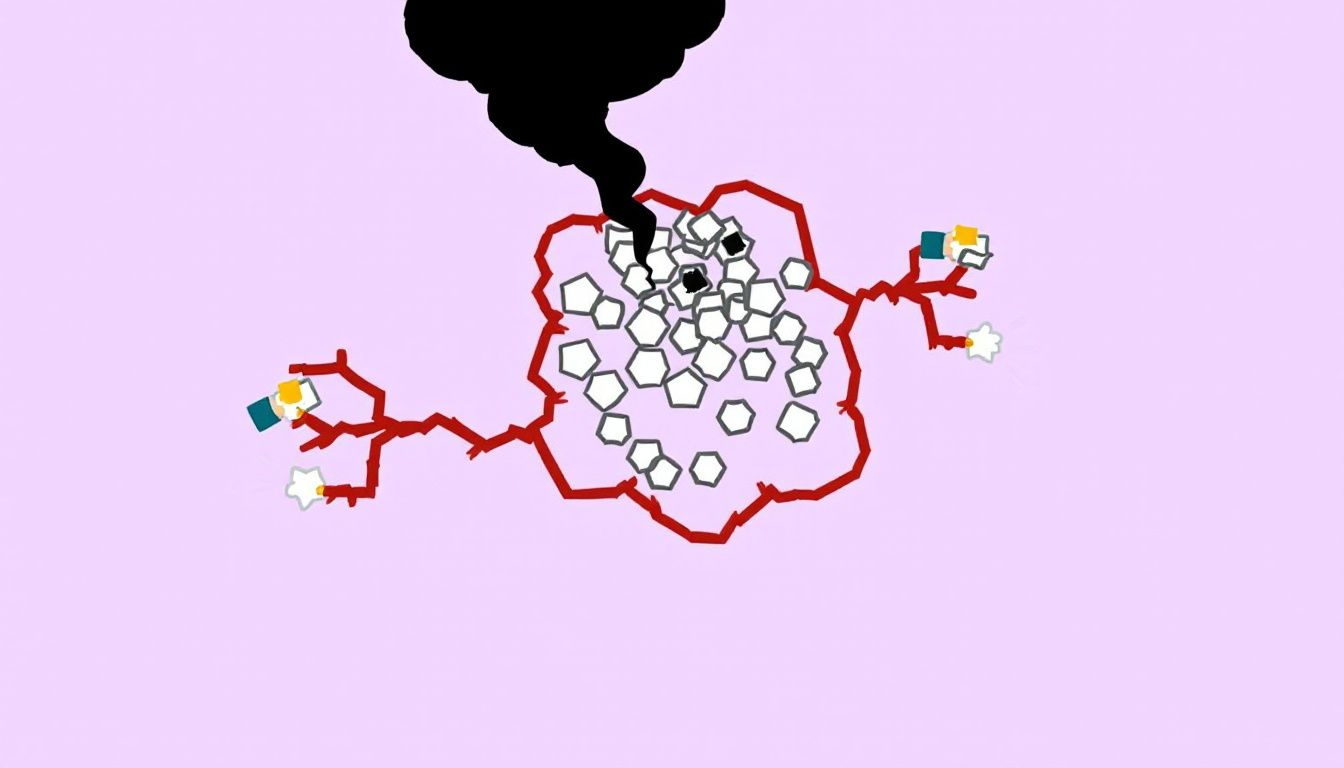
Navigating the Legal Landscape of Psilocybin in Texas
When the question of “legal mushrooms” arises, it typically refers to psilocybin-containing fungi, often colloquially known as “magic mushrooms.” These naturally occurring psychedelics have garnered significant attention for their potential therapeutic benefits, leading to a complex and often shifting legal status across the United States and globally. For anyone considering the legal implications while exploring Texas, a clear understanding of federal, state, and local regulations is essential. The state of Texas operates under a distinct set of laws that differ from some other parts of the country, making due diligence a critical component of responsible travel.
The Current Status: Federal and State Law
Under federal law, psilocybin remains classified as a Schedule I controlled substance according to the Controlled Substances Act. This classification, shared with substances like heroin and LSD, indicates a high potential for abuse and no currently accepted medical use. Consequently, the possession, sale, cultivation, or distribution of psilocybin mushrooms is illegal at the federal level. This federal prohibition casts a long shadow over state laws, meaning that even if a state were to decriminalize or legalize psilocybin, federal agents could still enforce federal law within that state’s borders.
At the state level, Texas aligns closely with federal prohibitions. Texas state law classifies psilocybin as a Penalty Group 2 controlled substance. This designation carries significant penalties, including felony charges for possession, which can range from two to twenty years in state prison and substantial fines, depending on the amount. Unlike some states that have enacted medical cannabis programs, Texas has not established a legal framework for the medicinal or recreational use of psilocybin. Travelers and residents alike must be aware that possessing psilocybin mushrooms in Texas is a serious offense with severe legal consequences.
Decriminalization Efforts and Local Ordinances
Despite the strict state and federal laws, a growing movement across the United States is advocating for the decriminalization or even legalization of psilocybin, often citing its potential for mental health treatment. This movement has seen success in various cities and states, leading to local ordinances that de-prioritize arrests for psilocybin possession. In Texas, several cities have taken steps towards decriminalization, signaling a shift in local attitudes, even if state law remains unchanged.
For example, the city of Austin, known for its progressive stance and “Keep Austin Weird” ethos, passed a resolution in 2020 that effectively decriminalized psilocybin and other entheogenic plants. This resolution directs the Austin Police Department to make arrests for psilocybin possession their lowest priority. Similarly, cities like Dallas, Denton, Killeen, and San Marcos have seen similar measures or discussions initiated to lessen penalties for natural psychedelics. Most recently, El Paso residents voted in favor of a similar proposition in 2024. However, it is crucial to understand that “decriminalization” is not “legalization.” These local ordinances typically mean that law enforcement may issue citations rather than making arrests for minor possession, but the substance remains illegal under state and federal law. This creates a complex patchwork of enforcement that can be confusing for visitors. Travelers should never assume that local decriminalization equates to a green light for possession or use, especially when venturing outside city limits or encountering federal jurisdiction.
The Distinction: Edible vs. Psychoactive Mushrooms
It is vital to clarify that the legal discussions above pertain specifically to psychoactive mushrooms containing psilocybin. Common culinary mushrooms, such as shiitake, oyster, portobello, and cremini, are entirely legal to buy, sell, cultivate, and consume in Texas and across the United States. These are readily available in grocery stores, farmers’ markets, and restaurants throughout the state, forming a delicious and healthy part of local cuisine. Many Texas chefs incorporate various mushroom varieties into their dishes, reflecting the rich agricultural diversity of the region.
The distinction is critical for travelers interested in local food experiences. There’s no legal issue with enjoying a mushroom and Swiss burger in Houston or a wild mushroom risotto in San Antonio. However, any attempt to forage for or purchase wild mushrooms must be done with extreme caution and expert knowledge, not only due to the risk of encountering psychoactive species but also because many non-psychoactive wild mushrooms can be highly poisonous. Foraging without proper identification skills is extremely dangerous and should be avoided. The focus of this article, and the general public’s query, primarily centers on the legal status of the psilocybin variety, and for those, the laws in Texas remain clear: they are illegal at both state and federal levels, with some local exceptions for enforcement priority.
Psilocybin and the Evolving World of Wellness Tourism
Beyond the strictly legal questions, the conversation around psilocybin in Texas touches upon a broader global trend: the intersection of natural substances, mental wellness, and the evolving landscape of tourism. As public perception shifts and scientific research reveals promising therapeutic applications for psychedelics, a new frontier in wellness and lifestyle travel is emerging. While Texas currently maintains strict laws, understanding these global movements can help travelers appreciate the context of local discussions and anticipate potential future changes that might impact how visitors engage with health and wellness offerings in destinations worldwide.
A New Frontier for Travelers and Local Culture
The growing interest in psilocybin often stems from its reported potential to offer profound experiences, facilitate personal growth, and aid in treating conditions like depression, anxiety, and PTSD. This has spurred a form of “psychedelic tourism” in regions where these substances are legal or decriminalized, such as parts of Central and South America, or certain states within the United States. Travelers seek out retreats and guided experiences for spiritual exploration or therapeutic purposes.
In Texas, while direct psilocybin tourism is not legally viable, the cultural conversation surrounding its potential impact is palpable. Cities like Austin, with its vibrant arts scene and focus on alternative lifestyles, naturally become hubs for dialogue about mental health, innovative therapies, and natural wellness solutions. This cultural undercurrent influences the types of wellness services available, from meditation retreats and yoga studios to increasingly sophisticated spa experiences, all designed to offer travelers a chance for introspection and rejuvenation. Visitors interested in holistic health will find an abundance of options that cater to mental and physical well-being, even if they don’t involve controlled substances. The local culture in many Texas cities is progressive, fostering an environment where conversations about diverse approaches to well-being are openly embraced, setting the stage for potential future shifts in policy.
Responsible Tourism and Ethical Engagement
For any traveler, especially when visiting a state with distinct legal and cultural norms, responsible tourism is paramount. This principle extends to understanding and respecting local laws, even when they differ from one’s home region or personal beliefs. Engaging ethically with any destination means prioritizing safety, legal compliance, and cultural sensitivity. For Texas, this implies a clear understanding that while discussions around psilocybin are evolving, the current legal framework prohibits its use outside very specific, limited research contexts.
Responsible travelers keen on exploring wellness should seek out legal and regulated avenues for their pursuits. Texas offers a wide array of legitimate wellness experiences, from serene retreats in the Texas Hill Country to cutting-edge medical facilities in Houston and Dallas. Choosing licensed practitioners, accredited facilities, and services that adhere strictly to local regulations not only ensures personal safety but also contributes positively to the local economy and community. When engaging with local culture, curiosity about traditional remedies or alternative wellness practices should always be balanced with respect for the legal boundaries and the well-being of the community.
Beyond the Buzz: Therapeutic Potential and Medical Research
The global interest in psilocybin is not merely recreational; it is deeply rooted in robust scientific research exploring its therapeutic potential. Studies from prestigious institutions worldwide are investigating psilocybin as a breakthrough therapy for severe depression, anxiety disorders, addiction, and end-of-life distress. These clinical trials, conducted under strict medical supervision, demonstrate promising results, leading to a re-evaluation of psilocybin’s classification and potential integration into mainstream medicine.
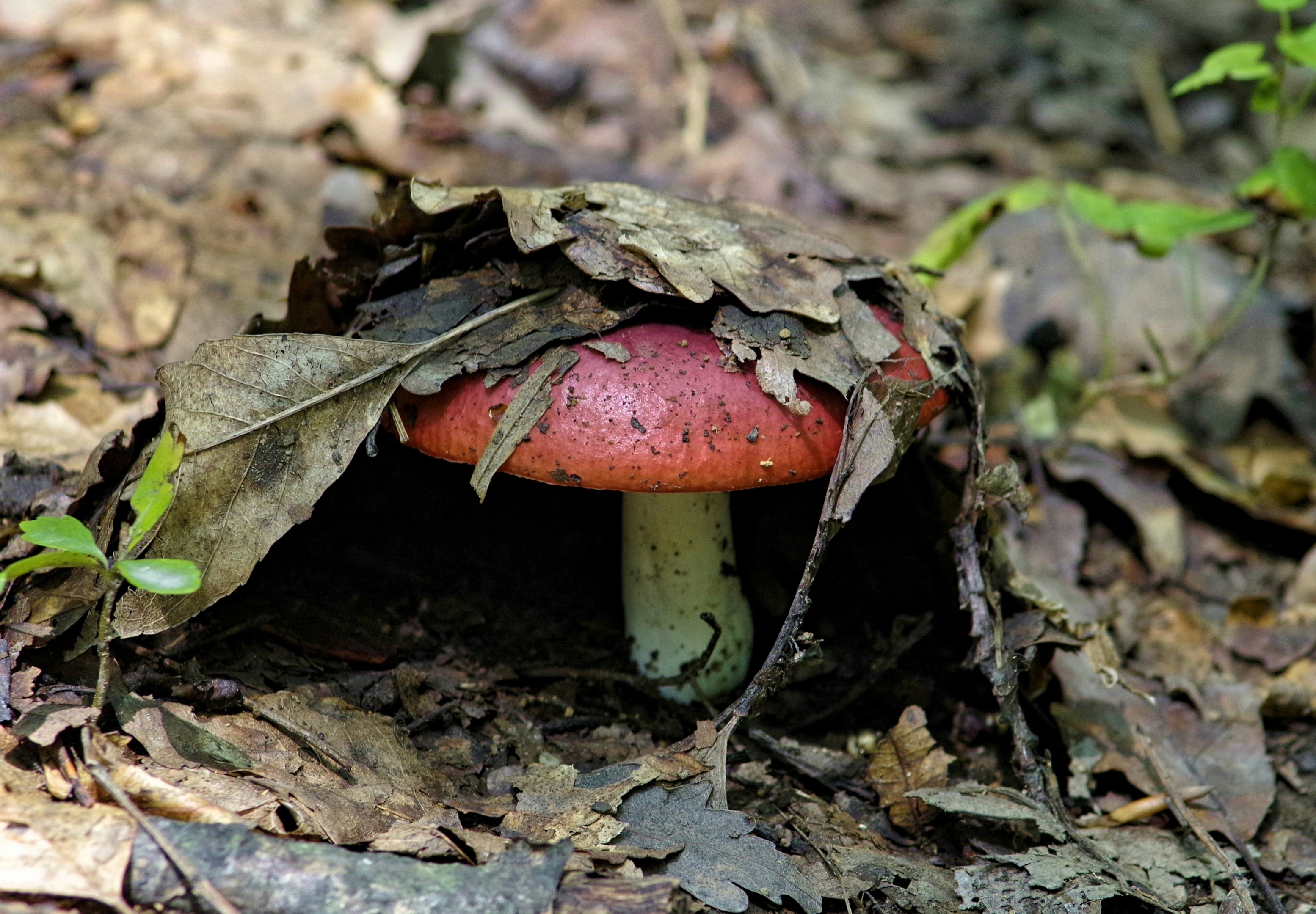
In Texas, while recreational or widespread medical use is not permitted, the state has shown some openness to exploring these advancements. In 2021, Texas passed House Bill 1802, which mandates a study on the therapeutic benefits of psilocybin for veterans with PTSD, to be conducted in partnership with a medical school or research institution. This legislative move, though limited, represents a significant step for Texas in acknowledging the medical potential of psilocybin. For travelers interested in the future of mental health and wellness, observing these developments in Texas offers a glimpse into how a traditionally conservative state is cautiously approaching innovative therapeutic avenues. It underscores a broader lifestyle trend where mental well-being is increasingly prioritized, and science-backed solutions are sought, even those from previously stigmatized sources.
Exploring Texas: Beyond the Conventional Itinerary
Texas is a vast and diverse state, offering an incredible array of experiences that cater to every type of traveler. From its sprawling natural landscapes to its bustling metropolitan centers, rich history, and unique cultural identity, there’s no shortage of adventures to embark upon legally and safely. Focusing on the myriad legitimate attractions allows visitors to fully appreciate the state’s charm without venturing into legal ambiguities. Whether you’re seeking outdoor thrills, historical insights, vibrant urban life, or luxurious relaxation, Texas delivers an unforgettable journey.
Natural Wonders and Cultural Hotspots
The geographical diversity of Texas is truly breathtaking. For nature enthusiasts, the state boasts magnificent national parks like Big Bend National Park, where the Chihuahuan Desert meets the Chisos Mountains, offering unparalleled hiking, stargazing, and river activities along the Rio Grande. Guadalupe Mountains National Park, home to the highest peak in Texas, features dramatic canyons, ancient fossil reefs, and diverse wildlife. Along the coast, Padre Island National Seashore offers miles of undeveloped beaches, perfect for birdwatching, shelling, and fishing.
Culturally, Texas is equally rich. San Antonio is a treasure trove of history, famously home to the Alamo and the picturesque San Antonio River Walk, lined with charming cafes and shops. Houston, a global city, offers world-class museums in its Museum District and is home to the Johnson Space Center, a must-visit for space aficionados. Dallas showcases impressive architecture, a vibrant arts scene, and upscale shopping, while Austin is the “Live Music Capital of the World,” offering an eclectic mix of music venues, food trucks, and outdoor activities. From the rodeos of Fort Worth to the beaches of Galveston and South Padre Island, there’s a distinct flavor for every traveler’s taste, all accessible through standard, legal means.
Planning Your Texas Adventure: Accommodation and Experiences
When planning your trip to Texas, consider the vast range of accommodation options that cater to every budget and style. From luxury resorts and boutique hotels in metropolitan areas like Dallas and Houston to cozy bed and breakfasts in the Hill Country and rustic cabins near national parks, Texas has it all. Websites dedicated to hotels and accommodation, like Life Out of the Box, offer comprehensive guides, reviews, and booking comparisons to help you find the perfect stay, whether it’s a family-friendly suite or a romantic villa. Many properties offer amenities that enhance the lifestyle aspect of your travel, such as spa services, gourmet dining, and guided tours to local attractions.
For unique experiences, consider guided culinary tours in Austin, horseback riding excursions in the countryside, or exploring the historic missions of San Antonio. Travel guides for Texas provide invaluable tips on everything from local transportation to dining recommendations and hidden gems. The state’s diverse tourism offerings ensure that you can craft an itinerary filled with memorable moments that are both enriching and fully compliant with local regulations.
Understanding Local Laws: A Key to Enjoyable Travel
Regardless of your destination, a fundamental aspect of enjoyable and stress-free travel is understanding and respecting local laws and customs. For Texas, this particularly pertains to substances, alcohol consumption, and general public conduct. Familiarizing yourself with state and local regulations before arrival can prevent misunderstandings and legal issues. Resources are readily available through official state tourism websites, local visitors’ bureaus, and reputable travel guides.
When planning activities, always check if permits are required for certain outdoor adventures, or if there are specific regulations regarding camping or drone usage in state parks. Being informed not only protects you but also contributes to the preservation of Texas’s natural beauty and cultural heritage. An informed traveler is a safe and respectful traveler, ensuring that your Texas adventure is positive, memorable, and free from any legal complications.
The Future Outlook: What Travelers Should Know
The legal status of psilocybin mushrooms in Texas is not static; it is part of a dynamic national and global conversation. As research continues to uncover the therapeutic potential of these substances and public opinion shifts, the legal landscape may evolve. For travelers, staying informed about these changes is crucial, especially if one is interested in the intersection of wellness, natural remedies, and travel. However, it is equally important to act based on current law, not anticipated future changes.
Anticipating Legislative Changes
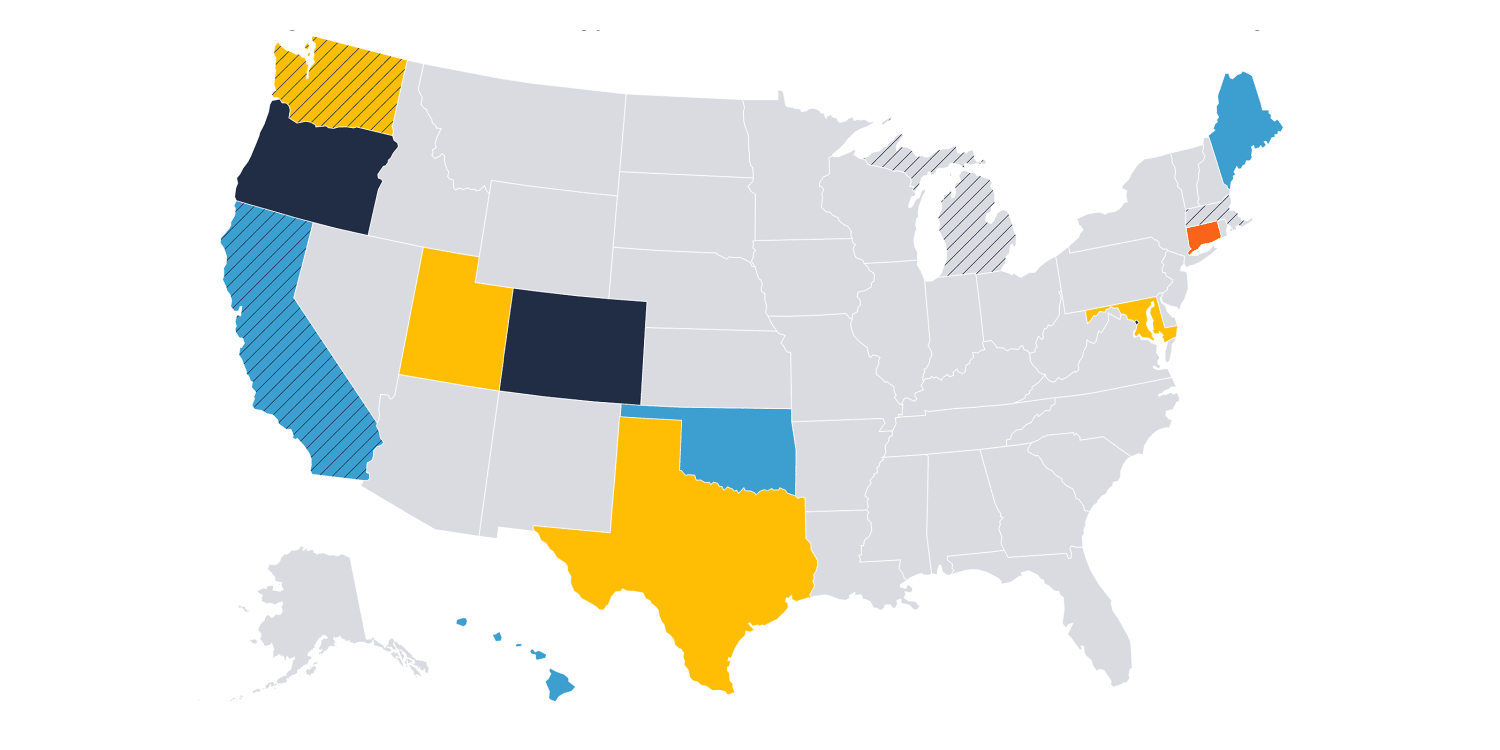
Across the United States, the trend towards re-evaluating drug policies, particularly concerning psychedelics, is gaining momentum. States like Oregon have legalized psilocybin for supervised therapeutic use, and many others are exploring similar paths or have broadly decriminalized entheogenic plants. While Texas has taken a more cautious approach, as evidenced by its limited study into psilocybin for veterans, this indicates an openness to evidence-based policy review. Future legislative sessions could see proposals for broader decriminalization, medical access, or even regulated therapeutic frameworks.
Travelers interested in the future of wellness tourism in Texas should monitor legislative updates from the Texas State Legislature and local city councils. However, it’s imperative to remember that legislative processes are often slow, and significant changes may take years to implement. Until new laws are explicitly passed and enacted, the current legal status remains in effect. Any change would also need to navigate federal prohibitions, creating a complex legal interplay.
Resources for Informed Decision-Making
For those seeking accurate and up-to-date information regarding drug laws in Texas, reliable resources are key. Official state government websites, legal aid organizations, and reputable news outlets are the best sources for current statutes and legislative developments. Avoid relying on anecdotal evidence or unofficial forums for legal advice. When planning a trip, particularly if you have specific concerns about local regulations, consulting with a legal professional specializing in Texas law can provide peace of mind and accurate guidance.
Furthermore, for travelers interested in general wellness and health, resources like Life Out of the Box provide extensive guides on healthy travel, mindful experiences, and finding reputable wellness services globally. Prioritizing well-being while adhering to legal and ethical standards is the hallmark of a savvy and responsible traveler.
Prioritizing Safety and Legal Compliance
Ultimately, the most important takeaway for anyone asking “Are mushrooms legal in Texas?” is the unwavering importance of safety and legal compliance. While culinary mushrooms are perfectly legal and delicious, psychoactive psilocybin mushrooms are currently illegal under Texas state and federal law, despite some local decriminalization efforts. Engaging with these substances carries significant legal risks and potential health hazards if sourced or used improperly.
For an unforgettable and trouble-free trip to Texas, focus on the incredible wealth of legal activities, attractions, and cultural experiences the state has to offer. From its iconic landmarks and stunning natural parks to its vibrant cities and diverse culinary scene, Texas provides a rich tapestry of adventures. By staying informed, making responsible choices, and respecting local laws, you can ensure your journey through the Lone Star State is safe, enriching, and truly memorable.
LifeOutOfTheBox is a participant in the Amazon Services LLC Associates Program, an affiliate advertising program designed to provide a means for sites to earn advertising fees by advertising and linking to Amazon.com. Amazon, the Amazon logo, AmazonSupply, and the AmazonSupply logo are trademarks of Amazon.com, Inc. or its affiliates. As an Amazon Associate we earn affiliate commissions from qualifying purchases.