
The question “Are there alligators in Texas?” often sparks a mix of curiosity and apprehension among travelers and residents alike. For those venturing into the diverse landscapes of the Lone Star State, the answer is a resounding yes. American Alligators are indeed a native and thriving species within specific regions of Texas, particularly in its eastern and coastal wetlands. Understanding their presence, habitats, and how to safely coexist with them is crucial for anyone planning to explore the state’s incredible natural beauty. This article serves as your comprehensive guide to discovering where these ancient reptiles reside, how to embark on a responsible wildlife adventure, and what travel and accommodation options await you in these unique Texan locales.
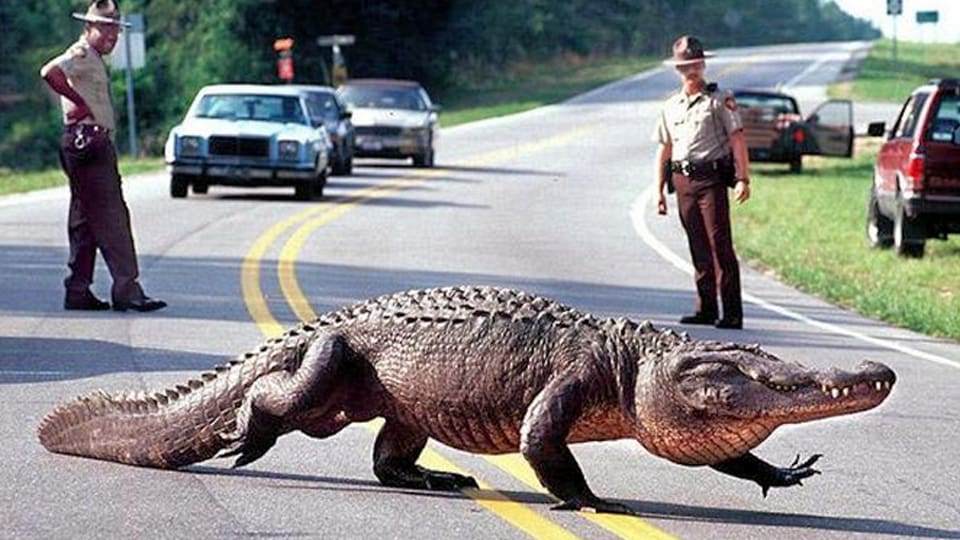
Texas is renowned for its vastness and varied ecosystems, ranging from arid deserts in the west to piney woods in the east, and expansive coastal plains. It’s within these water-rich environments that alligators find their ideal homes. Their presence contributes significantly to the state’s ecological tapestry, offering a glimpse into a prehistoric world. For travelers seeking authentic nature experiences, an alligator-aware trip to Texas promises an unforgettable journey into its wild heart.
The Lone Star State’s Hidden Reptilian Residents
Delving into the natural world of Texas reveals a fascinating array of wildlife, with the alligator standing out as one of its most iconic and formidable residents. These impressive reptiles, descendants of dinosaurs, play a vital role in maintaining the health of wetland ecosystems. For visitors and locals, encountering an alligator in its natural habitat can be both awe-inspiring and a stark reminder of the wildness that still thrives within the state.
Where Alligators Roam: Geographic Distribution
American alligators are most commonly found in the eastern third of Texas, a region characterized by its abundant bayous, swamps, rivers, and coastal marshes. This area, often referred to as East Texas and the Gulf Coast, provides the ideal freshwater and brackish water habitats that alligators require for survival, breeding, and hunting.
The dense network of rivers, bayous, and lakes forms the backbone of alligator territory. Key waterways where these creatures are frequently observed include the Trinity River, which winds its way from north Texas down to Galveston Bay, and the Neches River, a vital artery flowing through the Big Thicket region. Further west, the Brazos River, Texas’s longest river, also supports alligator populations in its lower stretches closer to the coast.
Beyond rivers, major lakes and reservoirs in East Texas are also known alligator havens. Lake Livingston, one of the largest reservoirs in Texas, and the Sam Rayburn Reservoir, a popular spot for fishing and boating, both host significant alligator populations, particularly in their shallower, marshier coves and inlets. The presence of alligators in these bodies of water underscores the need for recreational users to be vigilant and informed about their surroundings.
While most alligator sightings occur in these established natural environments, it’s not entirely unheard of for them to venture into more suburban or even urban areas, especially if there’s an accessible water body nearby, such as drainage ditches, retention ponds, or canals. These instances are less common but highlight the adaptability of alligators and the importance of respecting wildlife boundaries, even close to developed areas. Understanding these distribution patterns is the first step in planning a successful and safe visit to alligator country.
Planning an Alligator-Aware Texas Adventure
Embarking on a journey to witness alligators in their natural habitat can be an exhilarating experience, but it requires careful planning and a commitment to responsible wildlife tourism. Texas offers several exceptional locations where visitors can safely observe these magnificent creatures while also enjoying the broader natural beauty of the region.
Responsible Wildlife Tourism
The cornerstone of any wildlife viewing trip should be responsibility and respect for the animals and their environment. This means minimizing disturbance, maintaining a safe distance, and never interfering with natural behaviors. For alligator viewing, this ethos is particularly critical, given their power and predatory nature. The goal is to observe, appreciate, and learn, without impacting the welfare of the alligators or compromising human safety.
Best Places to Spot Alligators Safely
Texas boasts several designated wildlife refuges and state parks that provide ideal settings for observing alligators in a controlled and educational manner. These sites often feature elevated boardwalks, viewing platforms, and interpretative centers that enhance the experience while ensuring visitor safety.
One of the premier destinations is the Anahuac National Wildlife Refuge, located on the upper Texas Gulf Coast. This expansive refuge is a critical habitat for migratory birds and, crucially, a thriving home for American alligators. Visitors can drive the designated auto tour routes or explore walking trails, often spotting alligators basking along the banks of canals and ponds, especially during warmer months. The refuge also provides excellent opportunities for birdwatching, making it a dual attraction for nature enthusiasts.
Similarly, the Brazoria National Wildlife Refuge, also along the Gulf Coast, offers another fantastic opportunity for alligator viewing. Its diverse wetlands, bayous, and coastal prairies support a healthy alligator population. Like Anahuac, it provides accessible viewing points and trails, allowing for safe observation from a distance.
For those seeking a blend of coastal scenery and wildlife, Sea Rim State Park near Port Arthur is an excellent choice. This park, stretching five miles along the Gulf of Mexico, encompasses both marshlands and beachfront. Kayaking through its marsh unit can offer intimate wildlife encounters, including alligators, though guided tours are highly recommended for safety. The park’s diverse ecosystems also support numerous bird species, adding to its appeal.
Further inland, the sprawling Big Thicket National Preserve offers a different kind of experience. This biodiverse area, often called “America’s biological crossroads,” includes a mosaic of ecosystems from longleaf pine forests to cypress-lined bayous. Alligators inhabit its numerous waterways. Exploring the preserve via canoe or kayak on designated trails can provide sightings, but visitors should always be aware of their surroundings and follow park guidelines.
For a guaranteed and educational alligator encounter, Gator Country Adventure Park in Beaumont provides a unique experience. This park is home to hundreds of alligators and other reptiles, offering live shows, feeding demonstrations, and the chance to safely view these creatures up close. It’s an ideal option for families or those who prefer a more structured and interactive wildlife experience without the uncertainties of the wild.
Safety First: Coexisting with Alligators
While thrilling, an encounter with a wild alligator demands respect and adherence to safety protocols. Alligators are powerful apex predators, and understanding their behavior is key to a safe and enjoyable experience. The Texas Parks and Wildlife Department and various refuge authorities provide clear guidelines that all visitors should follow.
The most critical rule is: Do Not Feed Alligators. Feeding alligators, intentionally or unintentionally (by leaving food scraps or fish guts near water), habituates them to humans, causing them to lose their natural fear. This makes them more likely to approach people, leading to dangerous situations for both humans and the alligators, often resulting in the alligator needing to be removed or euthanized.
Keep Your Distance. Always maintain a safe and respectful distance from alligators, generally at least 30 feet (about 9 meters). If an alligator hisses, lunges, or displays other defensive behaviors, you are too close. Use binoculars or a telephoto lens for close-up views. Never approach an alligator, its nest, or its young. Female alligators are particularly protective of their hatchlings.
Be Aware of Your Surroundings. When recreating near water bodies known to harbor alligators, remain vigilant. Observe warning signs, avoid swimming or wading in murky waters, especially at dawn, dusk, or night when alligators are most active. Pay attention to sudden splashes or movements in the water.
Protect Pets and Children. Alligators can view small pets and children as potential prey. Always keep pets on a leash and away from the water’s edge in alligator country. Supervise children closely and educate them about alligator safety. Never allow them to play near unsupervised water bodies.

Following these guidelines ensures that your Texas adventure remains a cherished memory rather than a regrettable incident. Responsible tourism not only safeguards human visitors but also contributes to the conservation of these magnificent reptiles and their habitats.
Beyond the Alligators: Exploring Texas’s Natural Beauty
While alligators might be the initial draw for some, the regions they inhabit in Texas offer a wealth of other natural attractions and activities. East Texas and the Gulf Coast are rich in biodiversity, cultural heritage, and recreational opportunities, making them ideal destinations for extended travel experiences.
Connecting with Nature: Activities and Experiences
The wetlands, rivers, and coastal areas of East Texas provide a stunning backdrop for a variety of outdoor pursuits, catering to all ages and interests. These activities allow travelers to delve deeper into the region’s ecosystems, appreciating its beauty beyond its reptilian residents.
Kayaking and Canoeing are perhaps the most immersive ways to explore the bayous and waterways. Many state parks and wildlife refuges, including Sea Rim State Park and parts of the Big Thicket National Preserve, offer designated paddling trails. These trails wind through cypress swamps and marshlands, offering quiet observation of birds, turtles, and, yes, distant alligators. Rentals are often available through local outfitters, and guided tours can provide both safety and expert insights into the local flora and fauna.
Birdwatching is another immensely popular activity. The Texas Gulf Coast is a critical stopover point for millions of migratory birds along the Central Flyway. Refuges like Anahuac and Brazoria are world-renowned birding hotspots, where enthusiasts can spot everything from roseate spoonbills and whooping cranes to various raptors and shorebirds. The diversity of habitats ensures a vibrant birdlife throughout the year, with spring and fall migrations being particularly spectacular.
For those who prefer terra firma, Hiking and Biking Trails abound. Parks like Big Thicket offer miles of trails through varied landscapes, from pine forests to hardwood bottoms. These trails are perfect for leisurely strolls or vigorous rides, providing opportunities to observe smaller wildlife, native plants, and the serene beauty of the Texan wilderness. Always choose well-marked trails and be mindful of your surroundings, especially near water.
Fishing is a way of life in coastal Texas. The rivers, lakes, and coastal bays are teeming with freshwater and saltwater species. From bass fishing in Lake Livingston to redfish and speckled trout in Galveston Bay, anglers will find ample opportunities. Local guides can enhance the experience, providing insights into the best spots and techniques. However, anglers must be particularly cautious of alligators, especially when cleaning fish or handling catches near the water’s edge, as alligators are attracted to bait and fish.
Where to Stay: Accommodation Options Near Alligator Habitats
To fully embrace the natural wonders of alligator country, choosing the right accommodation is essential. The region offers a diverse range of lodging options, from comfortable hotels in charming towns to rustic cabins and campgrounds, catering to various travel styles and budgets.
In cities like Galveston, a historic island city on the Gulf Coast, travelers can find a wide array of hotels and resorts. Galveston combines beach access, historical landmarks, and proximity to major alligator habitats. Options range from luxury beachfront resorts like the San Luis Resort or Moody Gardens Hotel, Spa and Convention Center offering premium amenities and stunning views, to charming boutique hotels in the historic district. Many offer suites and family-friendly accommodations, making it a great base for exploring the nearby refuges and beaches.
Further east, cities like Beaumont and Port Arthur serve as excellent gateways to the Big Thicket National Preserve, Sea Rim State Park, and Anahuac National Wildlife Refuge. These cities offer a good selection of major hotel chains, providing comfortable and reliable stays. For instance, in Beaumont, you might find options like the Holiday Inn Hotel & Suites Beaumont Plaza or the Comfort Suites Beaumont, often featuring amenities like pools, fitness centers, and complimentary breakfast. They provide convenient access to local attractions and guided tours.
For a more immersive nature experience, consider cabin rentals and campgrounds within or adjacent to state parks and national preserves. Many Texas State Parks, such as Village Creek State Park near Lumberton, offer cabins, screened shelters, and campsites. These accommodations allow visitors to wake up to the sounds of nature, with easy access to hiking trails and paddling opportunities. Booking in advance, especially during peak seasons, is highly recommended.
Travelers on a budget or those seeking a unique stay can also explore boutique stays and apartment rentals found through various platforms. These options can provide a more local experience, often equipped with kitchens for self-catering, which can be a cost-effective choice for longer stays or family trips. Whether you prefer luxury travel or a more budget-conscious adventure, the regions surrounding Texas’s alligator habitats offer suitable accommodation to enhance your wildlife expedition.
Maximizing Your Texas Wildlife Expedition
To ensure your alligator-aware trip to Texas is as successful and enjoyable as possible, a few key considerations can significantly enhance your experience. From packing the right gear to understanding the best times to visit and savoring local flavors, these tips will help you make the most of your journey into the heart of Texan wilderness.
Essential Packing List for a Wildlife Trip
A well-prepared traveler is a happy traveler, especially when venturing into natural environments. For an alligator-aware expedition in Texas, certain items are indispensable:
- Binoculars: Crucial for observing alligators and other wildlife from a safe distance without disturbing them.
- Camera with a Telephoto Lens: To capture stunning wildlife photos without getting too close.
- Insect Repellent: Mosquitoes and other biting insects are prevalent in wetland areas, especially during warmer months.
- Sunscreen and Hat: The Texas sun can be intense, even on cloudy days.
- Comfortable Hiking Boots or Water Shoes: Depending on your planned activities, sturdy footwear is a must for trails or paddling.
- Lightweight, Breathable Clothing: Opt for quick-drying fabrics suitable for warm, humid conditions.
- Reusable Water Bottle: Stay hydrated while exploring.
- First-Aid Kit: For minor scrapes or bites.
- Field Guides: To help identify local birds, plants, and other wildlife.
Best Time to Visit for Wildlife Viewing
The timing of your visit can significantly impact your wildlife viewing success. Generally, spring (March-May) and fall (September-November) are considered the best seasons for an alligator-aware trip to Texas.
- Spring: Alligators become more active as temperatures rise, emerging from brumation (a reptile’s form of hibernation) to bask in the sun. This is also breeding season, offering opportunities to observe courtship behaviors. Spring also coincides with peak bird migration, making it a vibrant time for overall wildlife viewing. The weather is generally pleasant, with milder temperatures before the intense summer heat sets in.
- Fall: As temperatures cool down, alligators remain active, feeding heavily to prepare for winter. The cooler, less humid weather makes outdoor activities more comfortable. Fall migration also brings another wave of diverse bird species through the region.
- Summer (June-August): While alligators are highly active, the extreme heat and humidity can make extended outdoor exploration uncomfortable for visitors. Mosquito populations also peak. If visiting in summer, plan activities for early mornings or late afternoons.
- Winter (December-February): Alligator activity is significantly reduced as they enter brumation, often remaining submerged or in burrows. While you might spot one basking on a particularly warm day, sightings are less common. However, winter is excellent for waterfowl viewing in the coastal refuges.

Embracing Local Culture and Cuisine in East Texas
A trip to alligator country isn’t complete without indulging in the local culture and culinary delights. The region’s proximity to Louisiana means a strong influence of Cajun and Southern traditions, creating a unique Texan flavor.
Expect to find restaurants serving up hearty portions of fresh seafood, including Gulf shrimp, oysters, and various fish. Dishes often feature bold spices and rich flavors. Don’t miss the chance to try classic Texan comfort food with a coastal twist. From spicy gumbo and jambalaya to savory crawfish boils (when in season), the food scene is an integral part of the travel experience. Local eateries in towns like Orange, Port Lavaca, or Palacios offer authentic tastes of the region.
Beyond food, the small towns and communities in East Texas often boast a rich history, charming local shops, and friendly residents eager to share their heritage. Exploring these towns provides a refreshing contrast to the wilder landscapes, offering a complete travel experience that blends adventure with cultural immersion.
In conclusion, yes, alligators are very much a part of the Texan landscape, adding a thrilling dimension to its already diverse natural attractions. By understanding their habitats, practicing responsible tourism, and being prepared, travelers can enjoy an unforgettable journey into this unique corner of the Lone Star State, discovering not just its reptilian residents but also its profound natural beauty and welcoming local culture.
LifeOutOfTheBox is a participant in the Amazon Services LLC Associates Program, an affiliate advertising program designed to provide a means for sites to earn advertising fees by advertising and linking to Amazon.com. Amazon, the Amazon logo, AmazonSupply, and the AmazonSupply logo are trademarks of Amazon.com, Inc. or its affiliates. As an Amazon Associate we earn affiliate commissions from qualifying purchases.