
Navigating the complexities of healthcare, especially when it intersects with personal legal landscapes, can be a daunting experience. For those contemplating abortion access in Texas, the current legal framework presents significant challenges, often necessitating travel for care. This guide aims to provide a comprehensive look at the realities, focusing on the travel, accommodation, and lifestyle considerations involved in seeking abortion services outside of the Lone Star State, while remaining mindful of privacy and practical logistics.
Navigating Abortion Access: The Current Landscape in Texas
The legal environment surrounding abortion in Texas has undergone substantial changes, creating a highly restrictive landscape. Following the overturning of Roe v. Wade, Texas enacted a near-total ban on abortion, with very limited exceptions primarily to save the pregnant person’s life. This means that for the vast majority of individuals seeking abortion care within the state, legal options are virtually nonexistent. Understanding these stringent regulations is the first critical step for anyone facing this difficult decision.

The direct implication of these laws is that residents of Texas who require abortion services must almost invariably look beyond state borders. This necessity transforms a medical decision into a complex travel itinerary, involving considerations for destinations, transportation, accommodation, and financial planning. The journey becomes more than just a trip; it’s a strategic undertaking requiring careful thought and, often, external support. For those accustomed to planning leisure travel, the added layers of urgency, privacy, and emotional strain can make this particular type of journey uniquely challenging. However, with careful planning and awareness of available resources, it is possible to navigate this path effectively.
Understanding Texas’s Stance
Texas currently enforces some of the strictest abortion laws in the United States. The state’s Human Life Protection Act prohibits abortions from conception, with a narrow exception only when a physician determines that a medical emergency necessitates the procedure to save the life of the pregnant person. There are no exceptions for rape or incest. This near-total ban means that facilities within Texas are unable to provide most abortion services, pushing individuals to seek care elsewhere. This legislative environment has reshaped the landscape of reproductive healthcare, turning what was once a local medical procedure into an out-of-state journey for many. The implications extend beyond just the medical aspect, touching on personal finance, travel logistics, and the emotional well-being of those affected.
The Travel Imperative
Given the severe restrictions, traveling out of state is the primary avenue for Texans seeking abortion care. This isn’t just a matter of convenience but a legal necessity. The decision to travel for healthcare brings a host of logistical challenges. Where can one go? What are the laws in other states? How does one get there, and where can one stay? These questions become central to the process. The travel imperative transforms healthcare access into a journey that requires careful planning, often under stressful circumstances. From identifying potential destinations with more permissive laws to securing confidential accommodation, every step must be considered thoughtfully. It emphasizes the critical role that travel and accommodation planning plays in accessing essential healthcare for many.
Planning Your Journey: Destinations and Logistics
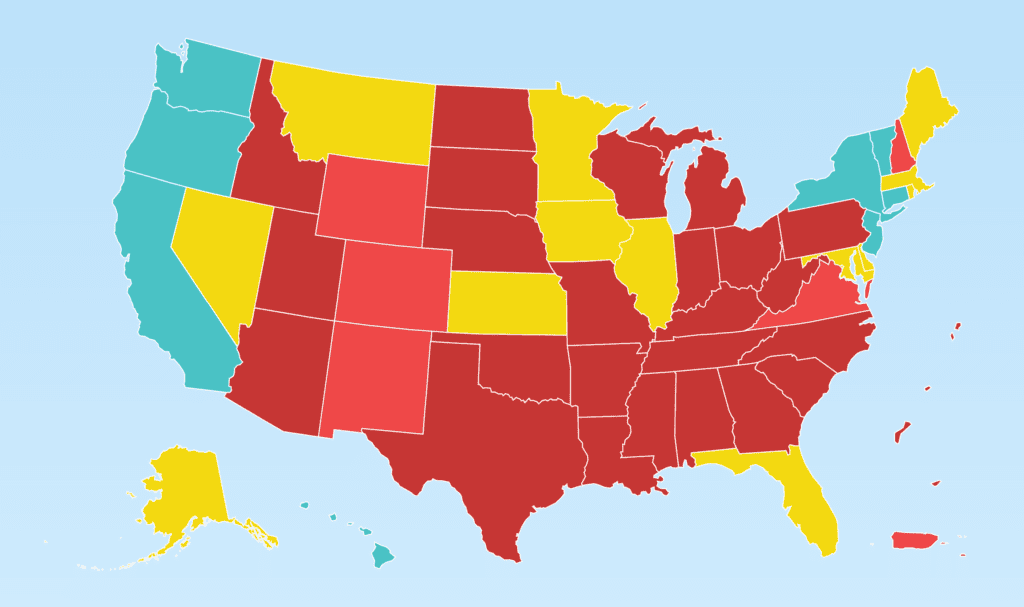
When planning a journey for abortion care, the destination is paramount. States bordering Texas or those a reasonable distance away with more protective abortion laws become primary targets. Each potential destination comes with its own set of legal frameworks, travel times, and accommodation options. Researching these factors is crucial for making an informed decision that balances accessibility with personal circumstances.
Beyond the destination, the logistics of travel involve careful consideration of transportation, budgeting, and maintaining privacy. This isn’t a typical vacation; efficiency, discretion, and comfort are key.
Neighboring States with Different Laws
Several states offer more accessible abortion services, making them potential destinations for Texans. Proximity often plays a significant role in reducing travel time and costs, though some individuals may opt for states further afield for reasons of privacy or specific clinic availability.
- New Mexico: As a direct neighbor to Texas, New Mexico has become a primary destination for those seeking abortion care. Its laws are significantly more permissive, ensuring broader access to services. Cities like Albuquerque and Santa Fe host clinics that serve a large number of out-of-state patients. The drive from major Texas cities such as El Paso to clinics in New Mexico can be relatively short, making it a logistically feasible option for many. When considering New Mexico, travelers should look into accommodation options ranging from standard hotels to more private short-term rentals, ensuring comfort and discretion for their stay.
- Colorado: While not directly bordering Texas, Colorado has established itself as a state with robust abortion protections, making it another viable destination. Cities like Denver and Boulder offer a range of clinics and support services. Traveling to Colorado typically involves a longer drive or a flight, which adds to the overall travel budget and time commitment. However, for those seeking more comprehensive services or extended privacy, the journey to Colorado can be a worthwhile option. Its stunning natural landscapes can also offer a quiet backdrop for reflection and recovery, blending a difficult medical journey with a serene environment.
- Kansas: Positioned north of Texas, Kansas represents a more complex but still accessible option. While its laws are not as permissive as New Mexico or Colorado, a statewide vote in 2022 affirmed the right to abortion, ensuring continued access. Clinics in cities like Wichita or Kansas City provide services, but travelers should be aware that the legal landscape can be subject to ongoing political debate. Planning a trip to Kansas requires careful attention to the specific clinic policies and appointment availability, as well as considering travel time and accommodation needs in the heartland.
Travel Considerations
Once a destination state is chosen, the practicalities of the journey come into focus. Each decision impacts the overall experience, budget, and peace of mind.
- Transportation: Driving vs. Flying: The choice between driving and flying often depends on distance, budget, and personal preference for privacy. Driving offers more control over the schedule and itinerary, and can be more discreet for those who prefer not to pass through airport security checks. It also allows for greater flexibility with luggage and personal items. For closer destinations like New Mexico, driving from major Texas cities like Dallas or Houston is often the most economical and practical choice. For destinations further afield, such as Colorado, flying might save significant time, though it introduces airport logistics and potentially less anonymity. When flying, consider booking flights at off-peak times and using carry-on luggage to streamline the process.
- Budgeting for Travel: Estimating Costs: Travel for abortion care involves more than just the medical procedure cost. It encompasses transportation (fuel, flights, rental car), accommodation (hotel or rental fees), food, and potentially lost wages. Creating a detailed budget beforehand is essential. Look for affordable hotel options or consider booking a stay for a longer period if recovery time is needed. Organizations specializing in abortion access often provide financial assistance for travel and accommodation, which can significantly alleviate the financial burden. Researching these resources early can be very helpful.
- Privacy and Discretion: Tips for Anonymous Travel: Given the sensitive nature of the trip, privacy is often a primary concern. When booking travel and accommodation, consider using discreet methods, such as booking directly through hotel websites rather than third-party sites that might share more data. If traveling with a companion, they can assist with bookings. Paying with cash or prepaid cards for some expenses can also add a layer of anonymity. Dressing inconspicuously, using generic luggage, and avoiding discussing the purpose of the trip with strangers are simple yet effective ways to maintain discretion during the journey. The goal is to blend in and minimize any unwanted attention, allowing for a focused and private experience.
Accommodation and Comfort: Finding Your Sanctuary
A safe, comfortable, and discreet place to stay is crucial when traveling for healthcare. It serves as a sanctuary for rest, recovery, and emotional support. The choice of accommodation can significantly impact the overall experience, offering a sense of normalcy and privacy during a challenging time.
Choosing the Right Stay
The type of accommodation you select should align with your needs for privacy, comfort, and duration of stay.
- Hotels: Comfort and Convenience: Traditional hotels offer a range of benefits, including amenities like room service, housekeeping, and front desk assistance. For a shorter stay, a reputable hotel provides a convenient and generally private environment. Look for hotels with good reviews for cleanliness and quietness. Consider boutique hotels or those slightly outside the immediate city center for more discretion. Many hotel chains like Marriott or Hilton offer consistent standards, and loyalty programs can sometimes provide perks that enhance comfort and convenience. When booking, choose options that allow for flexible cancellation policies, as plans can sometimes change unexpectedly.
- Short-Term Rentals: Apartments and Villas for Longer Stays: For those requiring a longer recovery period or desiring a more home-like environment, short-term rentals such as apartments or villas can be an excellent choice. Platforms like Airbnb or VRBO offer numerous options. An apartment provides a kitchen, allowing for home-cooked meals, which can be both cost-effective and comforting. The increased space and separation from other guests can also enhance privacy. When booking a rental, pay close attention to the host’s reviews, cancellation policy, and communication responsiveness. Ensure the location is convenient to the clinic and any other amenities you might need.
- Amenities to Look For: What Makes a Stay Easier: Beyond the basic room, certain amenities can significantly improve your comfort. A quiet room away from elevators or street noise is ideal. Access to Wi-Fi is essential for communication and entertainment. If driving, free parking is a valuable perk. For longer stays, an in-room refrigerator or a full kitchen can be incredibly helpful for managing meals and medications. Some hotels offer spa services or quiet lounge areas that can provide a calming retreat. Consider what amenities would best support your physical and emotional well-being during your stay.
Booking and Reviews: Tips for Secure and Discreet Bookings
When making reservations, prioritizing discretion and security is key. Use a personal email address and phone number for bookings, and if possible, book directly through the accommodation provider’s website rather than third-party aggregators, which sometimes share more data. Review platforms like TripAdvisor or Google Reviews can offer insights into the atmosphere and privacy levels of potential accommodations. Pay attention to comments regarding noise levels, customer service, and the general feeling of safety and seclusion. Opt for accommodations that emphasize guest privacy and have a professional demeanor, ensuring your stay is as undisturbed as possible.
Support, Resources, and Lifestyle Adjustments
Beyond the logistical planning, addressing the emotional and practical support aspects of traveling for abortion care is vital. This journey is often emotionally taxing, and having access to resources and a supportive environment can make a profound difference.
Financial Assistance and Practical Aid
The costs associated with out-of-state abortion care can be substantial, encompassing the procedure itself, travel, accommodation, and time off work. Fortunately, numerous organizations exist to provide financial assistance and practical aid. These include national abortion funds, local reproductive justice organizations, and travel-specific support networks. Researching and contacting these groups early in the planning process can significantly reduce the financial burden. They can often help with direct grants for procedures, travel vouchers, or even lodging arrangements, making the trip feasible for individuals who might otherwise be unable to afford it. Many also offer logistical support, such as help with appointment scheduling or transportation coordination.
Traveling with Support
Bringing a trusted companion – a partner, family member, or close friend – can provide invaluable emotional and practical support. They can assist with driving, navigating, managing logistics, and simply offering comfort during a challenging time. Having someone to share the journey with can alleviate stress and feelings of isolation. If traveling with a companion, ensure they are fully aware of the plan and are prepared to offer the necessary support without judgment. Their presence can transform a solitary, stressful trip into a more manageable experience, allowing you to focus on your well-being.
Post-Procedure Recovery and Rest
The period immediately following the procedure requires rest and recovery. This is where your chosen accommodation truly becomes a sanctuary. Plan for at least one full day of rest after the procedure before embarking on the journey home, especially if driving. Focus on gentle self-care: hydrate, eat nourishing food, and allow yourself to relax. The comfort of a quiet hotel room or private rental apartment can provide the ideal environment for recuperation. Avoid strenuous activities and give your body and mind the time they need to heal. This focus on post-procedure care is a critical lifestyle adjustment that should be factored into your travel itinerary.
Beyond the Medical: Exploring Local Options (Discreetly)
While the primary purpose of your trip is medical, incorporating small, discreet elements of local culture or quiet exploration can provide a welcome distraction and a sense of normalcy. This is not about tourism in the traditional sense, but about finding small comforts and moments of peace.
Quiet Exploration
If you feel up to it, a gentle walk in a local park, a visit to a quiet museum, or simply exploring a charming neighborhood on foot can offer a beneficial change of scenery. This isn’t about ticking off tourist attractions, but about finding solace in a new environment. For example, if you are in Denver, a stroll through the Denver Botanic Gardens or a quiet coffee shop in the Capitol Hill neighborhood could offer a moment of calm. In Albuquerque, the historic Old Town offers quaint shops and peaceful courtyards. These small excursions can provide a psychological break, reminding you that there is beauty and normalcy outside of the medical context of your visit.
Food and Local Culture
Experiencing local cuisine in a discreet setting can also be a source of comfort. Opt for a quiet restaurant, order takeout, or prepare a simple meal in your rental kitchen. Sampling local flavors can be a small way to engage with the destination in a positive, grounding manner. It’s a gentle reminder of the broader world and can provide a moment of enjoyment during a challenging time. Prioritize comfort food or dishes that are easy on your system. This humble indulgence can be a significant part of self-care.

Returning Home: Planning for a Smooth Departure
The journey home should be planned with the same care and consideration as the outbound trip. Ensure you have ample time to check out of your accommodation without rush. If driving, plan for sufficient breaks. If flying, arrive at the airport with plenty of time to spare, minimizing any potential stress. Make sure you have all necessary medications and comfort items for the trip. The goal is to make the return as smooth and uneventful as possible, allowing you to transition back to your daily life with minimal additional strain. Reflect on your journey and acknowledge your strength in navigating such a complex path.
In conclusion, while accessing abortion care in Texas is currently highly restricted, options exist through out-of-state travel. This journey requires careful planning, from selecting a destination with more permissive laws to organizing transportation and securing discreet accommodation. By leveraging available resources, considering practical logistics, and prioritizing personal comfort and privacy, individuals can successfully navigate this challenging but often necessary path. The focus remains on empowering individuals to make informed choices for their healthcare, supported by meticulous travel and lifestyle planning.
LifeOutOfTheBox is a participant in the Amazon Services LLC Associates Program, an affiliate advertising program designed to provide a means for sites to earn advertising fees by advertising and linking to Amazon.com. Amazon, the Amazon logo, AmazonSupply, and the AmazonSupply logo are trademarks of Amazon.com, Inc. or its affiliates. As an Amazon Associate we earn affiliate commissions from qualifying purchases.