
In an increasingly digitized world where virtually every aspect of our lives, from booking a luxury suite in Paris to managing complex business operations, has moved online, it’s natural to wonder about the accessibility of civic duties, especially voting. For globetrotting individuals, digital nomads, and those living a mobile lifestyle, the allure of casting a ballot from anywhere in the world, with just a few clicks, is undeniably strong. The convenience of online voting would seamlessly integrate with a life spent exploring Europe, delving into the vibrant cultures of Asia, or enjoying the sun-drenched beaches of Mexico. However, when it comes to the Lone Star State, the question “Can I vote online in Texas?” yields a straightforward answer: no.
Despite the rapid advancements in technology and the growing expectation for digital solutions in all sectors, traditional methods of voting remain firmly entrenched in Texas, as they do across the vast majority of the United States. This isn’t due to a lack of technological capability or a resistance to innovation on principle. Rather, it stems from a profound commitment to the security, integrity, and transparency of the electoral process—values that, for now, are deemed better protected by physical ballots and secure, in-person or mail-based systems. For those who frequently travel for leisure or work, or who are temporarily living outside the state’s borders, understanding the current landscape and available alternatives is crucial for exercising their democratic right.
The Digital Frontier of Democracy: An Overview
The concept of online voting, or “e-voting,” conjures images of effortless participation, allowing citizens to engage with their democracy from a hotel room in Tokyo, a mountain retreat in Colorado, or a coffee shop in Austin. This vision of hyper-convenience is particularly appealing to the modern traveler or expatriate, who might find themselves geographically distant from their home precinct during an election cycle. The desire for a seamless digital experience, mirroring how we manage our finances or book our next adventure, is understandable. Imagine completing a virtual check-in for your vote, much like you would for a flight to London.
However, the reality of implementing secure and universally accessible online voting systems is far more complex than it appears on the surface. While some nations have experimented with or adopted forms of online voting, particularly for specific demographics or types of elections, the United States has largely held back. This caution is rooted in deeply considered concerns about cybersecurity, voter authentication, and the fundamental trustworthiness of the election outcome. The stakes are incredibly high; the integrity of an election is paramount to a functioning democracy. Therefore, states like Texas prioritize tried-and-true methods that have established audit trails and clear mechanisms for verification, even if they sometimes feel less “modern” than our daily digital interactions.
Texas’s Stance on Online Voting: A Current Reality Check
To reiterate, the definitive answer for any Texas resident asking “Can I vote online?” is a resounding “no.” Texas law explicitly requires voters to cast their ballots either in person at a polling location or via a physical mail-in ballot. There are no provisions for general online voting through a web portal, email, or any other internet-based system for the vast majority of voters. This applies whether you’re a long-term resident of Dallas, a student temporarily residing in Houston, or an avid traveler exploring the vast landscapes of South America.
This adherence to traditional methods isn’t unique to Texas. Many states, including populous ones like California and Florida, share similar restrictions. The primary rationale consistently cited by election officials, cybersecurity experts, and legislative bodies revolves around the critical pillars of election security, integrity, and voter confidence. While digital technologies offer unparalleled convenience, they also introduce vulnerabilities that, if exploited, could undermine the very foundation of democratic elections. The challenge lies in creating a system that is both accessible and impervious to sophisticated attacks, a balance that has proven exceedingly difficult to achieve with current technology on a widespread scale.
Why the Resistance to Digital Ballots?
The reluctance to adopt widespread online voting in Texas and across the United States is driven by several key security and logistical concerns:
- Cybersecurity Risks: The internet is a vast and often vulnerable network. Online voting systems would be prime targets for hackers, both domestic and foreign, seeking to manipulate election outcomes, sow discord, or simply prove their capabilities. Protecting against advanced persistent threats, denial-of-service attacks, and sophisticated malware while ensuring every ballot is counted accurately and anonymously presents an enormous challenge. Even a perception of vulnerability could erode public trust.
- Voter Identity Verification: How can an online system definitively confirm that the person casting a ballot is indeed the registered voter and not an impostor, especially when that voter might be accessing the system from a different country or using public Wi-Fi? Traditional methods, like showing an ID at a polling place, provide a direct, albeit less convenient, form of verification. Ensuring one-person, one-vote online without compromising privacy is a complex puzzle.
- Ballot Secrecy and Coercion: A fundamental principle of democratic elections is the secret ballot. Online voting introduces new avenues for potential coercion or vote-buying, as it could be difficult to ensure that a voter is casting their ballot free from influence or observation, particularly if they are using a personal device in a less secure environment. The integrity of the vote depends on its secrecy.
- Auditability and Recounts: In the event of a close election or a dispute, the ability to conduct a reliable audit or recount is essential. Paper ballots provide a physical record that can be re-examined. Replicating this level of verifiable auditability in a purely digital system, where votes are cast and transmitted electronically, without creating new vulnerabilities for tampering, remains a significant hurdle.
- Digital Divide and Accessibility: While many assume universal internet access, a segment of the population still lacks reliable, affordable access to the internet or the digital literacy required to navigate an online voting platform. Implementing online voting universally could inadvertently disenfranchise these individuals, creating a new form of barrier to participation.
These challenges are not insurmountable in theory, and research into secure e-voting technologies continues globally. However, for a state like Texas, the current consensus is that the risks outweigh the benefits of convenience when it comes to the integrity of its elections.
Alternatives for the Texas Voter on the Go
For the traveler, the expat, or the student temporarily away from their home county in Texas, the inability to vote online doesn’t mean disenfranchisement. The state provides established and secure alternative methods that allow citizens to participate in elections, even when they cannot physically visit a polling station. Understanding these options is key for maintaining civic engagement while embracing a nomadic or travel-intensive lifestyle.
Absentee Voting and Mail-In Ballots
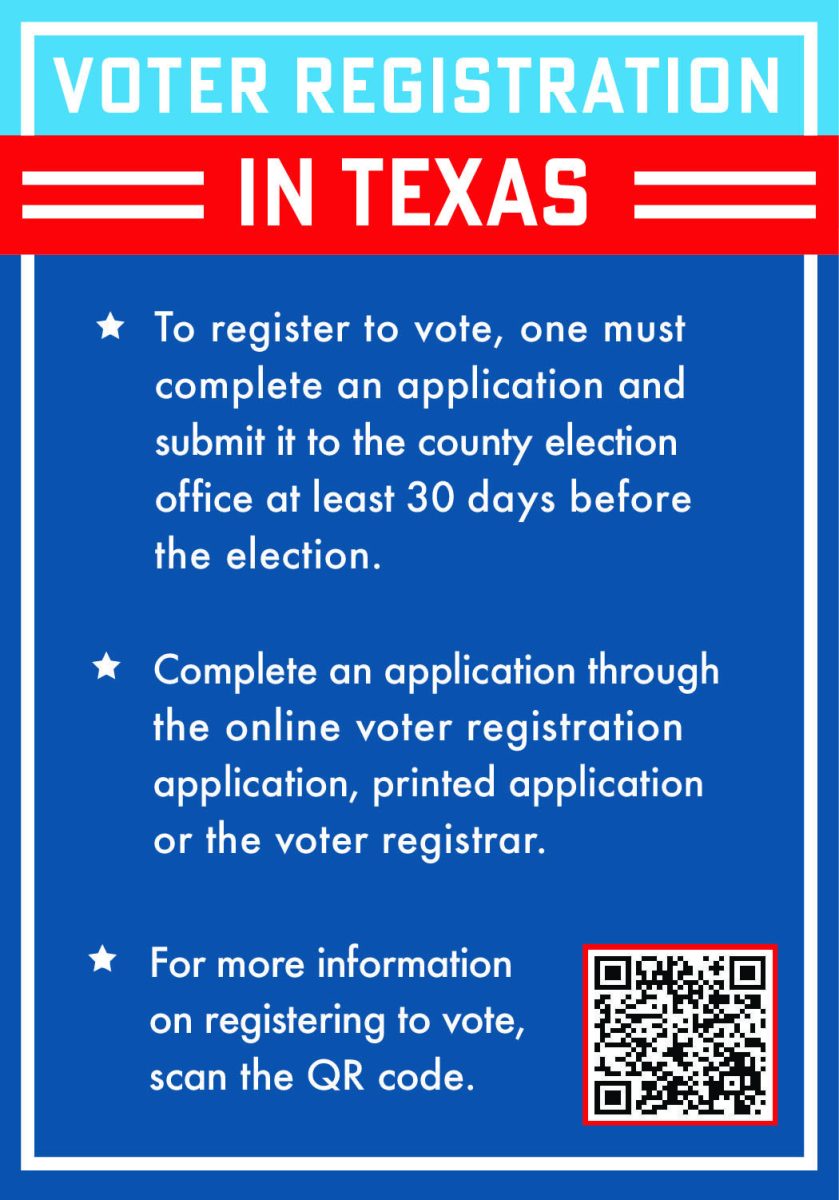
The most common alternative for eligible Texas voters unable to vote in person is casting a ballot by mail, often referred to as absentee voting. However, unlike some states which offer “no-excuse” absentee voting, Texas has specific eligibility requirements that a voter must meet to qualify for a mail-in ballot. These criteria are designed to ensure that mail voting is used by those genuinely unable to vote in person, rather than as a universal convenience.
Eligibility criteria for voting by mail in Texas typically include:
- Being 65 years of age or older on Election Day.
- Being sick or disabled (defined broadly to include physical conditions that prevent in-person voting).
- Being expected to give birth within three weeks before or after Election Day.
- Being confined in jail, but otherwise eligible to vote.
- Being out of the county of your registration on Election Day AND during the period of early voting by personal appearance. This last point is particularly relevant for travelers or those on extended trips outside their home county, whether within Texas or abroad.
To vote by mail, eligible individuals must first apply for a ballot by mail. This application typically requires specific information, including your full name, residence address, mailing address (if different), date of birth, and the reason for voting by mail. It must be submitted to the early voting clerk in your county of residence. Deadlines for submitting these applications are strict, often falling several weeks before Election Day, so early planning is absolutely essential for travelers. Once the application is approved, a physical ballot will be mailed to the address provided, which can then be completed and returned via postal service. This process underscores the need for a stable mailing address, even for those constantly on the move, or careful coordination with a trusted contact who can forward mail. Cities like San Antonio or El Paso have detailed election administration websites that provide specific forms and dates.
Military and Overseas Voters (FVAP)
For Texas citizens serving in the uniformed services, members of the merchant marine, their eligible family members, and U.S. citizens residing outside the United States, there are specific provisions designed to facilitate voting. The Federal Voting Assistance Program (FVAP) is a federal program that helps these individuals register to vote and request absentee ballots.
Under FVAP, these voters generally use a form called the Federal Post Card Application (FPCA) to register and request their ballot. The FPCA allows voters to request absentee ballots for all federal, state, and local elections in which they are eligible to vote for the entire calendar year. What’s particularly relevant for this demographic is that while they still cast a physical ballot (mailed back to Texas), the delivery of the ballot itself can often occur electronically. This means the election official might email or fax the blank ballot to the overseas or military voter, who then prints it, marks it, and mails it back. This is an important distinction: it’s electronic delivery of a blank ballot, not electronic casting of a vote via an online system.
The FVAP website (FVAP) is an invaluable resource, providing state-specific information, forms, and assistance for military and overseas voters. Whether you’re stationed in Germany, working in Australia, or backpacking through New Zealand, this program aims to ensure your voice is heard in Texas elections. It represents a critical bridge between civic duty and a life lived far from home, acknowledging the unique challenges faced by those serving or living abroad.
The Future of Voting: Bridging Technology and Trust
While online voting as a widespread, secure system remains a distant prospect for Texas and most of the United States, the conversation around modernizing elections is ongoing. Technological advancements are continuously being explored, with pilot programs and research initiatives looking into various solutions. Some states, for instance, have explored limited uses of blockchain technology for military and overseas voters, aiming to enhance security and transparency, though these are typically not full “online voting” systems in the sense of a web portal for all citizens.
The future of voting will likely involve a careful, incremental approach, balancing the undeniable convenience of digital tools with the paramount need for security, accessibility, and public trust. Innovations in secure identity verification, encrypted data transmission, and auditable digital trails could, one day, make more widespread electronic voting a reality. However, the path there is long and fraught with challenges, requiring rigorous testing, robust cybersecurity infrastructure, and a broad consensus across political divides.
For those embracing a travel-centric lifestyle, the evolution of voting technology holds particular significance. A future where secure online voting is a reality would eliminate many of the logistical hurdles currently faced by travelers, expats, and digital nomads. Imagine being able to cast your vote for local elections in Austin while enjoying the vibrant street life of Barcelona, or influencing state-level decisions in Texas from a remote resort in Thailand. This seamless integration of civic responsibility with a global lifestyle is the ultimate aspiration for many.
Until that future arrives, the key for any Texas voter, especially one who is frequently on the move, is proactive engagement. This means staying informed about election dates, understanding the eligibility requirements for absentee or mail-in ballots, and planning well in advance to ensure your application and completed ballot reach election officials by the specified deadlines. Whether you are temporarily residing in another state like New York, visiting family in Canada, or embarking on an extended backpacking trip across Africa, your right to participate in the democratic process in Texas remains intact, provided you navigate the existing systems effectively.
In conclusion, while the dream of truly voting online in Texas remains a futuristic concept rather than a present reality, the state offers established, secure methods for citizens to exercise their franchise. For the modern traveler, understanding and utilizing these traditional pathways—particularly mail-in ballots for those who qualify and the specific provisions for military and overseas voters—is essential for staying connected to your community and contributing to its future, no matter where your adventures take you. Your civic duty, like your spirit of exploration, knows no bounds.
LifeOutOfTheBox is a participant in the Amazon Services LLC Associates Program, an affiliate advertising program designed to provide a means for sites to earn advertising fees by advertising and linking to Amazon.com. Amazon, the Amazon logo, AmazonSupply, and the AmazonSupply logo are trademarks of Amazon.com, Inc. or its affiliates. As an Amazon Associate we earn affiliate commissions from qualifying purchases.