
For travelers and residents alike, understanding the local laws of any destination is paramount to a seamless and enjoyable experience. When it comes to firearm ownership and carry, the United States presents a complex mosaic of state-specific regulations. Among these, Texas has long stood out for its robust support of Second Amendment rights, culminating in significant legislative changes in recent years. Specifically, the question of whether one can conceal carry in the Lone Star State without a permit is a frequent inquiry for those planning a visit or considering relocation.

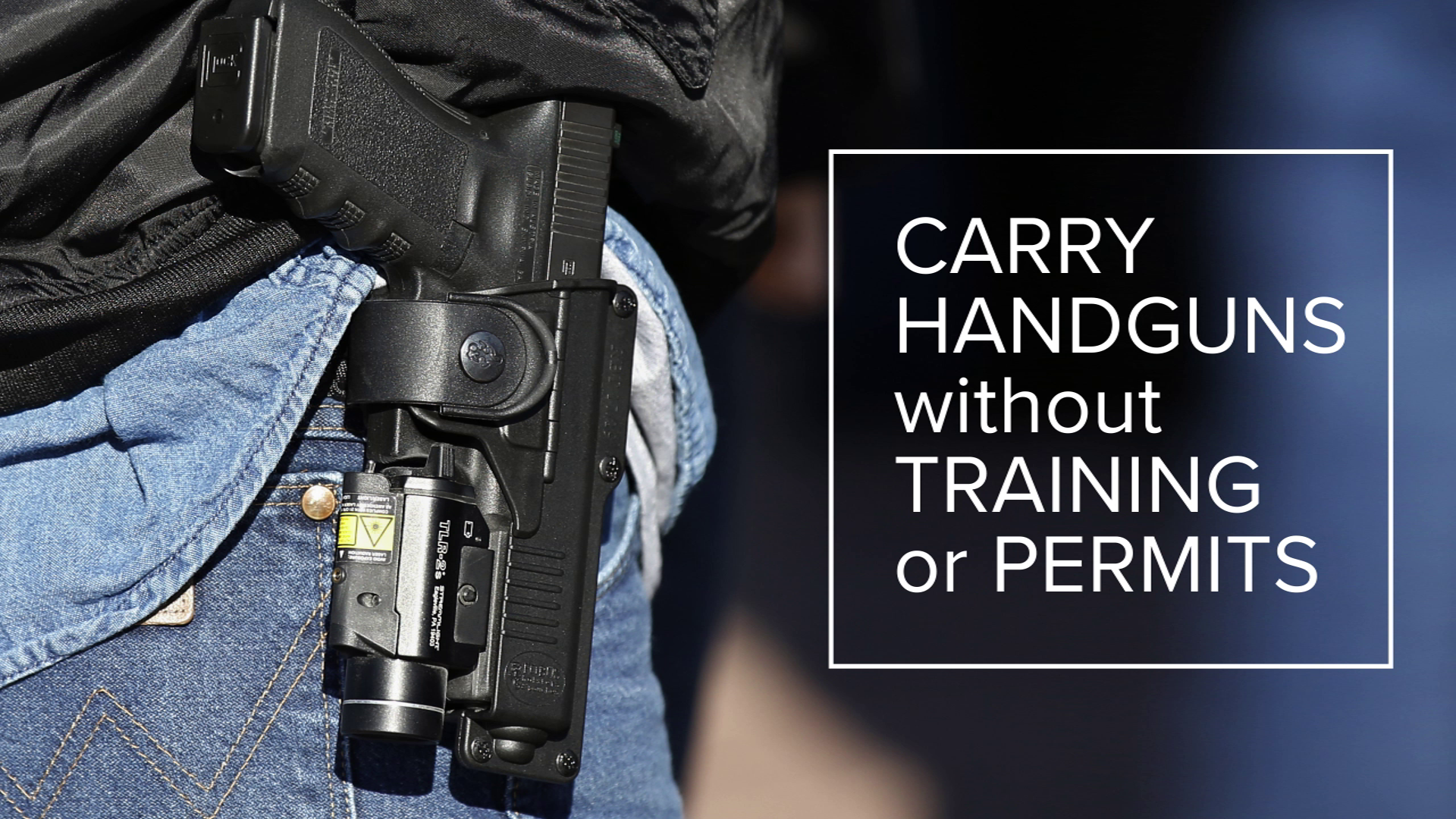
The answer, in short, is yes, with important caveats and responsibilities. As of September 1, 2021, Texas officially became a permitless carry state for handguns, allowing eligible individuals to carry a handgun in most public places without first obtaining a License to Carry (LTC). This monumental shift, enacted through House Bill 1927 (HB 1927), significantly altered the landscape of gun laws in Texas, impacting everything from casual sightseeing in Austin to business stays in Dallas or exploring the vibrant culture of Houston.
This comprehensive guide aims to demystify permitless carry in Texas, providing essential information for responsible gun owners, curious travelers, and anyone interested in understanding this significant aspect of Texas law. We’ll explore the nuances of HB 1927, detailing who can carry, where they can carry, and the critical responsibilities that come with this freedom. Whether you’re planning a vacation to San Antonio’s historic River Walk or simply navigating daily life, knowing these laws is crucial for a safe and informed experience.
Understanding Texas’ Permitless Carry Law: A New Era for Handgun Owners
The passage of HB 1927 marked a pivotal moment in Texas gun rights, championed by the Texas Legislature and signed into law by Governor Greg Abbott. Prior to this, individuals generally needed an LTC to openly or covertly carry a handgun in public. The new law, often referred to as “constitutional carry” by proponents, extends this right to most law-abiding citizens aged 21 or older who are not otherwise prohibited from possessing a firearm under state or federal law. This means that for many, the administrative step of applying for and receiving an LTC is no longer a prerequisite for carrying a handgun.
However, “permitless” does not mean “lawless.” The law comes with stringent requirements and significant restrictions that must be understood and respected. It’s not an invitation for irresponsible gun ownership but rather a recognition of a constitutional right, coupled with the expectation of personal accountability. For anyone venturing into the vast landscapes and bustling cities of Texas, a thorough grasp of these details is absolutely essential.
Eligibility Requirements for Permitless Carry
While the requirement for a permit has been removed for handgun carry, eligibility is not universal. The law specifies who can carry a handgun without an LTC, and these criteria largely mirror existing prohibitions on firearm possession. Key eligibility requirements include:
- Age: Individuals must be at least 21 years old. This is a strict requirement, with very limited exceptions for active-duty military personnel.
- Legal Possession: The individual must be legally entitled to possess a firearm under both federal and Texas state law. This means they must not have a felony conviction, certain misdemeanor convictions (including family violence), or be subject to a protective order.
- No Prohibitions: Individuals cannot be prohibited from possessing a firearm due to a conviction for certain violent misdemeanors within the last five years, or any other disqualifying factor outlined in Texas Penal Code § 46.02, which covers unlawful carrying weapons. This includes being subject to a restraining order or having a history of mental health commitments that would disqualify them.
- Manner of Carry: The handgun must be carried either openly in a holster or concealed. Unlike long guns, open carry of handguns without an LTC must be done in a belt or shoulder holster. For concealed carry, there are no specific holster requirements, but the firearm must remain out of plain sight.
It’s important to note that these eligibility rules apply to carrying the handgun. Simply possessing a handgun in one’s home or vehicle has generally been permissible for law-abiding citizens in Texas even before HB 1927. The permitless carry law specifically addresses carrying a handgun on or about one’s person in public.
Where You Can and Cannot Carry
Understanding the restrictions on where you can and cannot carry a handgun is arguably the most critical aspect of permitless carry. Even with the new law, many locations remain off-limits, and violating these restrictions can lead to serious legal consequences. These prohibited places are often designated for public safety or due to the sensitive nature of the location.
Common places where permitless carry is prohibited include:
- Schools and Educational Institutions: On the premises of a school or an educational institution, including sporting events or interscholastic events.
- Polling Places: On the premises of a polling place on the day of an election or while early voting is in progress.
- Courts and Government Offices: On the premises of any government court or offices utilized by the court. This includes the Capitol Building in Austin.
- Airports: In the secured areas of an airport, typically past the TSA checkpoint. General airport property might be permissible, but strict Federal Aviation Administration regulations apply to air travel itself.
- Racetracks: On the premises of a racetrack.
- Correctional Facilities: On the premises of a correctional facility.
- Hospitals and Nursing Homes: On the premises of a hospital, mental hospital, or nursing home, unless you have written authorization.
- Amusement Parks: On the premises of an amusement park such as Six Flags Over Texas.
- Places of Worship: This is a nuanced area. While generally allowed, many places of worship may post signs prohibiting firearms.
- Businesses with 51% Alcohol Sales: Any business that derives 51% or more of its income from the sale of alcoholic beverages for on-premises consumption (bars). These establishments are typically marked with a prominent “51%” sign.
- Federal Buildings: Federal Government properties, such as post offices, courthouses, and military bases, are always off-limits for firearms, regardless of state law.
- Private Property with Proper Signage: Perhaps one of the most significant restrictions is the right of private property owners to prohibit firearms on their premises. Property owners can post “30.06” signs for concealed carry and “30.07” signs for open carry (referencing sections of the Texas Penal Code). These signs carry the force of law, and ignoring them can lead to trespass charges. For businesses, a “30.05” sign (for unlicensed carry) is also prevalent. Travelers should be vigilant for these signs at hotels, restaurants, shops, and other private venues.
It is crucial for anyone carrying a handgun to be aware of these restrictions and to avoid carrying in prohibited areas. Ignorance of the law is not a valid defense.
Essential Considerations for Travelers and Visitors to Texas
For those planning to visit Texas, especially from other states, the permitless carry law adds another layer of complexity to trip planning. Understanding how your home state’s laws interact with Texas law, and the federal regulations that supersede state rules, is vital for avoiding legal complications during your travels.
Reciprocity and Out-of-State Permits
Prior to permitless carry, reciprocity agreements with other states were a primary concern for out-of-state LTC holders. These agreements allowed individuals with a valid permit from their home state to carry in Texas under specific conditions. With the advent of permitless carry, this landscape has changed somewhat.
If you are an out-of-state resident who meets Texas’s eligibility requirements (e.g., 21 years old, no disqualifying criminal history), you can generally carry a handgun in Texas without an LTC, just like a Texas resident. However, if you possess a valid LTC or equivalent permit from your home state, it can still offer advantages, particularly when traveling to other states that recognize Texas’ LTC.
More importantly, some out-of-state residents might not meet Texas’s permitless carry requirements but might still be able to carry under a reciprocity agreement if they possess their home state’s permit. For example, if your home state allows 18-20 year olds to obtain a permit, and Texas has reciprocity with that state, you might be able to carry a handgun with your home state’s permit, even if you don’t meet Texas’ 21-year-old permitless carry age requirement. This is a complex area, and consulting the Texas Department of Public Safety website or a legal professional is always recommended for specific situations.
Traveling Within Texas: Navigating Diverse Landscapes
Texas is a vast state, offering everything from metropolitan landmarks like The Alamo in San Antonio and the Houston Museum District to natural wonders like Big Bend National Park and the beaches of South Padre Island. When traveling across these diverse destinations, the same carry laws generally apply, but the practical implications can vary.
Urban areas, with their higher concentration of businesses and events (like the State Fair of Texas or sports stadiums), will likely have more “no guns” signs. Many private businesses, hotels, and restaurants will choose to exercise their right to prohibit firearms. Always be on the lookout for these signs, as violating them can lead to a criminal trespass charge.
When visiting state parks or public lands managed by the Texas Parks and Wildlife Department, carrying a handgun (either openly in a holster or concealed) is generally permitted for eligible individuals, as long as it’s not a prohibited area (e.g., a specific building on the property). However, federal lands, such as national parks or forests, operate under federal regulations, which may differ and generally require adherence to the laws of the state where the park is located. Always verify the specific rules for federal properties.
Federal Laws and Specific Locations
Beyond state laws, federal regulations impose a separate set of restrictions on firearm carry. These laws apply nationwide and supersede state laws in certain contexts. Key areas affected by federal law include:
- Airports and Aircraft: As mentioned, security checkpoints and secured areas of airports are federal no-go zones for firearms, enforced by the TSA. Firearms can be transported on aircraft only if unloaded, declared, and placed in a locked, hard-sided container in checked baggage.
- Federal Buildings: All federal government buildings, including post offices, federal courthouses, Internal Revenue Service offices, and national parks (with specific caveats regarding carrying in certain federal park buildings), strictly prohibit firearms.
- Native American Reservations: Tribal lands are considered separate jurisdictions and have their own laws, which may or may not align with Texas state law. It’s crucial to research the specific tribal laws if you plan to visit a reservation.

For international travelers, the complexities are even greater. Non-citizens generally face significant restrictions on firearm possession in the United States, and obtaining a permit or carrying a firearm is exceptionally difficult, if not impossible, for most tourists.
Training, Safety, and Legal Nuances: Beyond the Permit
While Texas has eliminated the permit requirement for carry, it has not eliminated the need for responsible gun ownership, comprehensive training, and a deep understanding of the law. In fact, many argue that permitless carry makes these aspects even more critical.
The Value of Handgun Licensing (LTC) Even Without a Requirement
Despite permitless carry, obtaining a Texas License to Carry (LTC) still offers several distinct advantages that are worth considering for both residents and frequent visitors:
- Enhanced Reciprocity: An LTC facilitates legal carry in more states that have reciprocity agreements with Texas, expanding your ability to carry across state lines. This is a significant benefit for anyone who travels extensively.
- Less Restrictive Carry Locations: LTC holders can carry in some locations that are off-limits to permitless carriers. For example, specific provisions in the Alcoholic Beverage Code and other statutes allow LTC holders more latitude in certain establishments, provided they do not consume alcohol.
- Legal Protections: In certain legal encounters or traffic stops, presenting an LTC can sometimes streamline interactions with law enforcement, signaling a documented history of training and background checks.
- Training and Education: The process of obtaining an LTC requires completing a state-mandated training course. This course covers firearm safety, proper use, storage, and crucial legal aspects of self-defense and carrying, providing invaluable knowledge even for experienced gun owners.
- Purchase Benefits: An LTC can sometimes serve as an alternative to a background check (NICS check) when purchasing firearms from a licensed dealer, though this varies and dealers may still conduct one.
For tourists and individuals new to firearm ownership, completing an LTC course, even if not strictly required for carry, offers a structured path to responsible gun ownership and ensures a foundational understanding of Texas law.
Understanding Self-Defense Laws: Use of Force
Carrying a handgun, with or without a permit, comes with the profound responsibility of understanding when and how to use it legally. Texas has robust self-defense laws, often referred to as “Stand Your Ground” laws, which permit individuals to use deadly force in certain situations without a duty to retreat. However, the legal justification for using a firearm in self-defense is complex and highly scrutinized.
Key principles of Texas self-defense law (Texas Penal Code, Chapter 9) include:
- Reasonable Belief: The force used must be based on a reasonable belief that it is immediately necessary to protect oneself or a third party from another’s use or attempted use of unlawful force.
- Deadly Force: Deadly force is justified only when there is a reasonable belief that it is immediately necessary to protect oneself or a third party from deadly force, or to prevent the imminent commission of specific violent crimes (e.g., murder, sexual assault, robbery).
- No Duty to Retreat: If you are legally present at a location where you have a right to be and are not engaged in criminal activity, you generally have no duty to retreat before using force, including deadly force, if you reasonably believe it is necessary to protect yourself or others.
Misinterpreting or misapplying these laws can lead to severe criminal charges. Responsible gun owners invest time in understanding these legal frameworks, often through specialized training, legal seminars, or by consulting with attorneys familiar with Texas firearm law. This knowledge is far more valuable than the permit itself.
Staying Informed and Up-to-Date
Firearm laws can change, and interpretations can evolve. For anyone carrying a handgun in Texas, whether a resident or a visitor, staying informed is an ongoing responsibility. Reliable sources for up-to-date information include:
- The Texas Department of Public Safety website, which provides official guidance on LTC and permitless carry laws.
- The Texas Legislature online portal for tracking new bills and legislative changes.
- Reputable Second Amendment advocacy groups like the NRA or Gun Owners of America, which often provide summaries and analyses of legal changes.
- Consulting with a qualified Texas attorney specializing in firearm law.
Ignoring updates or relying on outdated information can lead to inadvertent violations, underscoring the importance of proactive education.
Navigating Texas as a Responsible Gun Owner or Traveler
The freedom to permitless carry in Texas is intertwined with the state’s vibrant tourism industry and diverse lifestyle options. From exploring historic sites like the Texas Ranger Hall of Fame and Museum to enjoying modern attractions such as the Dallas World Aquarium, visitors and residents will encounter a variety of environments where understanding carry laws is key to a hassle-free experience.
Planning Your Trip Around Firearm Laws
For travelers, firearm carry should be an integral part of trip planning. Before embarking on a Texas adventure:
- Research Specific Destinations: Identify any specific attractions, venues, or areas you plan to visit that might have “no guns” policies. Many museums, theaters, and private resorts will prohibit firearms on their property.
- Understand Accommodation Policies: If you’re staying in a hotel, apartment, or villa, familiarize yourself with their firearm policy. While some may allow legal carry, others may strictly prohibit it, especially if they cater to families or international guests.
- Transportation Considerations: If flying, review TSA regulations for firearms in checked baggage. When driving, ensure proper storage if traveling through states with different carry laws, or if the firearm will be left unattended in a vehicle.
- Concealed vs. Open Carry: While permitless open carry is allowed in a holster, concealed carry is often preferred by those who wish to maintain a lower profile, especially in urban or family-oriented settings. Your choice of carry method should align with your personal comfort, safety protocols, and the specific environment.
Responsible travel means being prepared, and that includes understanding and adhering to all relevant laws, not just those concerning firearms.
Engaging with Local Businesses and Culture
One of the unique aspects of Texas culture is the prevalence of private property rights. This translates directly into the ability of businesses and private property owners to dictate whether firearms are allowed on their premises. This is why paying attention to signage is paramount.
- “No Guns” Signs: Look for specific signs like “30.06,” “30.07,” or “30.05” signs (referencing Texas Penal Code sections for concealed, open, and unlicensed carry, respectively). A simple “No Firearms Allowed” sign can also suffice for unlicensed carry if clear and conspicuous.
- Respect Private Property: Even if a business doesn’t post a specific sign, if they verbally ask you to remove a firearm, it’s best to comply or leave the premises to avoid a potential trespass charge. The spirit of permitless carry rests on responsible behavior and respect for both individual rights and private property.
- Local Culture and Norms: While legally permissible, openly carrying a handgun in some parts of Texas, particularly in more metropolitan and liberal-leaning areas, may attract attention or make some individuals uncomfortable. Responsible carriers often weigh these social dynamics against their legal right.
Ultimately, navigating Texas with a handgun requires not just legal compliance but also a degree of social awareness and respect for the diverse perspectives within the state.
Conclusion
The answer to “Can you conceal carry in Texas without a permit?” is a resounding yes for eligible individuals, thanks to HB 1927. This landmark legislation reflects Texas’ deep-rooted commitment to Second Amendment rights, simplifying the process for many law-abiding citizens to exercise their right to self-defense.
However, the permitless carry law is not a blanket authorization without responsibility or restriction. It comes with crucial eligibility requirements, strict prohibitions on where one can carry, and the absolute necessity of understanding Texas’ self-defense laws. For travelers and those integrating into the Texas lifestyle, awareness of federal laws and the rights of private property owners is equally vital.
While an LTC is no longer mandatory for carrying a handgun in Texas, the benefits of obtaining one, particularly in terms of enhanced training and broader reciprocity, remain significant. Whether you choose to carry with or without a permit, the bedrock principles of firearm safety, legal knowledge, and responsible conduct are non-negotiable. By adhering to these guidelines, individuals can confidently and lawfully exercise their rights while enjoying all that the great state of Texas has to offer.
LifeOutOfTheBox is a participant in the Amazon Services LLC Associates Program, an affiliate advertising program designed to provide a means for sites to earn advertising fees by advertising and linking to Amazon.com. Amazon, the Amazon logo, AmazonSupply, and the AmazonSupply logo are trademarks of Amazon.com, Inc. or its affiliates. As an Amazon Associate we earn affiliate commissions from qualifying purchases.