
Embarking on a journey, whether it’s an exciting family vacation, a crucial business stay, or a solo adventure, should be a time filled with anticipation, discovery, and relaxation. However, the unexpected can sometimes derail even the most meticulously planned trips. For those considering or currently enjoying the diverse landscapes and vibrant cities of the Lone Star State, a seemingly distant concern – the existence of a warrant – can transform a dream itinerary into a stressful ordeal. This guide delves into understanding how a warrant in Texas might impact your travel plans, offering insights into prevention, checks, and what to do if you find yourself in such a situation. We aim to equip you with the knowledge to ensure your Texas experiences remain focused on its rich culture, breathtaking landmarks, and unforgettable destinations.

Navigating the Lone Star State: Why a Warrant Could Impact Your Texas Journey
Texas beckons with an array of attractions, from the bustling metropolises of Dallas and Houston to the historic charm of San Antonio and the live music capital of Austin. It boasts everything from the serene beaches of the Gulf Coast to the majestic expanses of Big Bend National Park. Whether you’re planning a luxury travel escape to a high-end resort in Dallas, a budget travel road trip through the Hill Country, a family trip to a theme park, or a business stay in a downtown hotel, unexpected legal issues can cast a long shadow over your itinerary.
The Unexpected Obstacle to Seamless Travel
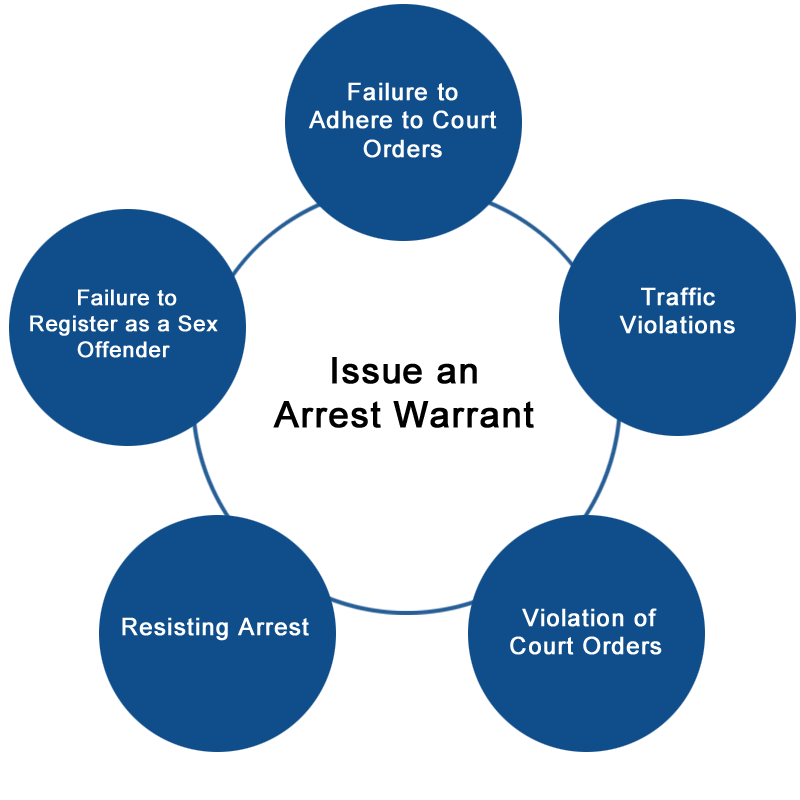
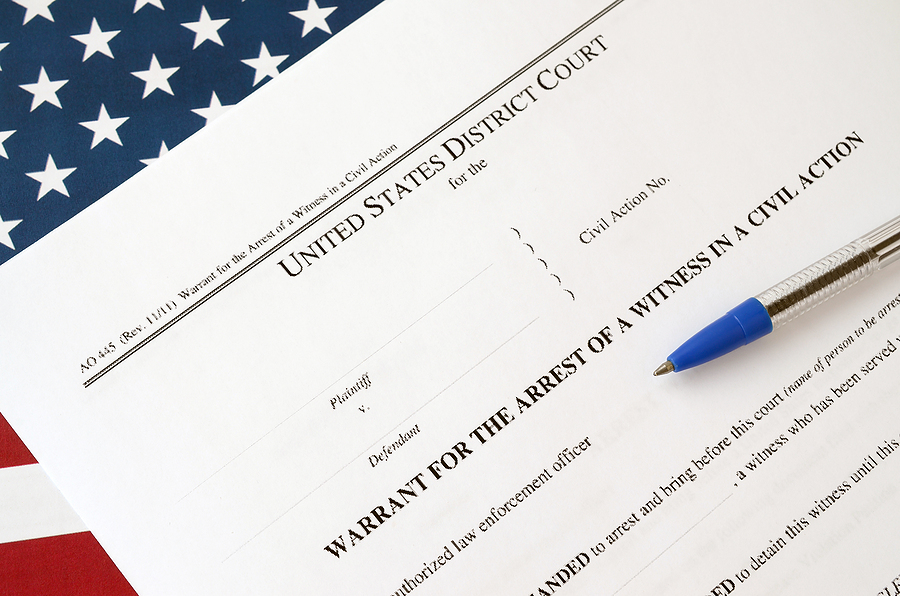
At its core, a warrant is a legal document issued by a judge that authorizes law enforcement to take a specific action. Most commonly for travelers, this refers to an arrest warrant, which gives police the authority to apprehend an individual. Warrants can stem from a variety of causes: unpaid traffic tickets, failure to appear in court for a minor infraction, or more serious criminal allegations. While you might assume such concerns only apply to residents, out-of-state travelers are just as susceptible, especially if a prior visit to Texas resulted in an unresolved legal matter.
Imagine you’re driving through Texas on your way to visit The Alamo or the Riverwalk in San Antonio, or perhaps heading to a Space Center Houston tour. A routine traffic stop for a minor infraction – perhaps an expired registration from your home state or a forgotten turn signal – could reveal an active warrant. This isn’t just a minor inconvenience; it can lead to immediate arrest, detention, and the complete disruption of your travel plans. Your prepaid accommodation, flights, and planned activities could all be forfeited, transforming your joyous tourism adventure into a legal nightmare. The consequences can extend to issues with rental car agreements, delays at airports, or even difficulties during routine identification checks in public spaces.
Understanding Different Types of Warrants in a Travel Context
Warrants come in several forms, and understanding the distinctions can help clarify potential impacts on your Texas lifestyle exploration:
- Arrest Warrants: These are issued when there’s probable cause to believe an individual has committed a crime. If you’ve ever had a legal issue in Texas – even years ago – and failed to resolve it, an arrest warrant might be pending.
- Bench Warrants: Often issued when someone fails to appear in court as required. This is a common pitfall for out-of-state visitors who might have received a traffic ticket or other minor citation and mistakenly thought they could ignore it after leaving the state. A minor speeding ticket in a small Texas town, if not addressed, can easily escalate into a bench warrant.
- Traffic Warrants: Specifically for unpaid traffic tickets or failure to appear for traffic violations. These might seem trivial, but they are a primary reason travelers encounter unexpected legal issues. Many Texas municipalities participate in “warrant roundups,” where law enforcement actively seeks individuals with outstanding traffic warrants. Being pulled over during one of these times, even for something unrelated, could lead to immediate arrest if your name is on the list.
It’s also crucial to distinguish between a warrant issued in Texas and one from another state. While a Texas warrant gives law enforcement within the state the authority to arrest you, warrants from other states might have different implications. Many states have agreements to extradite individuals for serious offenses, but for minor infractions like traffic warrants, local Texas authorities may not act on an out-of-state warrant unless it’s a significant felony or you’re already in custody for a Texas offense. However, the presence of any warrant can flag you in national databases, potentially causing delays or issues with ID checks at airports or during law enforcement interactions, even if an immediate arrest isn’t the primary goal of the local officer.
Proactive Steps for a Worry-Free Texas Adventure
The key to enjoying all that Texas has to offer – from its historic architecture to its vibrant food scene – lies in proactive planning. Just as you’d check hotel reviews or compare flight options, ensuring a clear legal standing is a vital step for any responsible traveler.
Prior Research: Checking for Warrants Before You Go
Before you pack your bags for the Sixth Floor Museum in Dallas, the Fort Worth Stockyards National Historic District, or the serene beaches of Padre Island National Seashore on South Padre Island, it’s wise to investigate any potential legal issues. Unfortunately, there’s no single, comprehensive national or statewide public database for warrants that is easily accessible and reliable for private citizens. Here’s what you can do:
- County and Municipal Websites: Many local courts in Texas (county clerk offices, justice courts, municipal courts) maintain online databases or public records searches where you might be able to find information about outstanding warrants. However, these are often specific to that jurisdiction. If you’ve traveled extensively in Texas, checking every county and city you’ve visited could be impractical.
- Official Court Records: Websites like “Odyssey Portal” are used by many Texas counties for court case search, but they may not explicitly list active warrants. You might find records of cases that are pending or have led to warrants.
- Avoid Unofficial “Warrant Check” Sites: Numerous third-party websites claim to offer warrant checks. Many of these are unreliable, outdated, or scam-oriented. Relying on them for critical legal information is ill-advised.
- The Most Reliable Method: Consult an Attorney: For the most accurate and confidential information, your best course of action is to contact a licensed attorney in Texas. An attorney can legally access court records, municipal databases, and other official sources to determine if there are any outstanding warrants under your name without alerting authorities to your inquiry. This is particularly crucial if you suspect a warrant might exist. An attorney can also provide guides on how to resolve the issue before it impacts your travel. This proactive step is an investment in your peace of mind and the smooth progression of your trip.
Ensuring Your Vehicle and Documentation Are in Order
Many travel-related warrant encounters occur during routine traffic stops. Therefore, ensuring your vehicle and personal documentation are impeccable is a straightforward preventative measure.
- Valid Driver’s License and Vehicle Registration: Ensure your driver’s license is current and valid. If you’re driving your own car, confirm its registration and insurance are up-to-date and easily accessible. Expired documents are a common reason for traffic stops, which can then uncover a warrant.
- Rental Car Vigilance: If you’re using a rental car for exploring destinations like the scenic Hill Country with its wineries in Fredericksburg or historic dance halls in Luckenbach, remember that you are still responsible for adhering to all traffic laws. Ensure the rental agreement and proof of insurance are always in the vehicle. While the car itself won’t have a warrant associated with you, your actions while driving it can lead to one.
- Obey Traffic Laws: This seems obvious, but it’s the simplest way to avoid police interaction. Adhere to speed limits, use turn signals, and avoid distracted driving. Even minor infractions can give law enforcement a reason to pull you over, leading to a license and warrant check. Be mindful that traffic laws can vary slightly from state to state and even between different municipalities within Texas.
When the Unexpected Happens: Dealing with a Warrant While Traveling in Texas
Despite your best efforts at prevention, unforeseen circumstances can arise. Knowing how to react if you discover you have a warrant while actively traveling in Texas can make a significant difference in the outcome.
What to Do if You’re Stopped or Detained
If you are pulled over by law enforcement or detained for questioning in Texas and learn there’s an active warrant for your arrest:
- Remain Calm and Cooperate: Do not argue, resist, or attempt to flee. This can lead to additional charges and escalate the situation. Follow the officer’s instructions.
- Identify Yourself: Provide your driver’s license, vehicle registration, and proof of insurance when requested.
- Do Not Make Incriminating Statements: You have the right to remain silent. Politely state that you wish to speak with an attorney before answering any questions about the alleged offense.
- Expect Arrest: If there’s an active warrant, you will likely be arrested. You’ll be taken to a local detention facility, booked, and processed. This will inevitably disrupt your travel plans, potentially causing you to miss flights, forfeit hotel or accommodation booking, and interrupt your exploration of famous places like New Braunfels or Marfa in West Texas.
Seeking Legal Counsel: Your Best Travel Companion in Such Situations
The moment you become aware of a warrant, or if you are arrested, contacting a Texas attorney is paramount.
- Immediate Assistance: An attorney can work quickly to understand the nature of the warrant, contact the appropriate court, and explore options for your release (e.g., setting a bond). They can also explain the charges against you and outline your legal rights.
- Navigating the System: The legal system can be complex and intimidating, especially when you’re far from home. A local attorney is familiar with Texas laws, court procedures, and local prosecutors. They can represent you in court, potentially without requiring you to return immediately, thus minimizing further disruption to your life and future travel plans.
- Minimizing Impact: While an arrest is a significant disruption, an attorney’s timely intervention can help mitigate its long-term effects. They can help resolve the warrant efficiently, reducing the amount of time you spend detained and working towards a resolution that allows you to continue your journey or return home as quickly as possible. This is vital whether you’re on a quick weekend getaway or a planned long-term stay.
Beyond Warrants: General Tips for a Smooth Texas Travel Experience
While dealing with warrants is a serious matter, many other general legal and practical tips can contribute to a safe and enjoyable Texas travel experience. Thinking broadly about responsible tourism enhances the overall lifestyle of your trip.
General Legal Awareness for Travelers
States and even individual cities within Texas can have specific laws that differ from what you might be accustomed to.
- Local Ordinances: Be aware of local laws regarding public consumption of alcohol (e.g., “open container” laws), noise ordinances, and even specific parking rules. These are often enforced, and violations can lead to citations or, if ignored, potentially warrants.
- Gun Laws: Texas has distinct gun laws, including permitless carry for eligible individuals. If you are traveling with firearms, ensure you understand and comply with all state and federal regulations, particularly concerning transportation and carrying in specific locations.
- Drug Laws: Penalties for drug offenses in Texas can be severe, even for small amounts of marijuana. Do not assume that laws regarding substances like cannabis are the same as in your home state or other states you’ve visited.
Embrace the Texas Spirit Responsibly
Texas is a state of immense beauty, vibrant history, and welcoming people. From its vast nature preserves to its urban suites and apartments offering top-tier amenities, there’s an experience for every type of traveler.
- Be Respectful: Immerse yourself in the local culture, enjoy the legendary Texas barbecue and diverse food, and visit historical landmarks. Being a respectful and law-abiding visitor ensures positive interactions and memories.
- Alcohol Consumption: While enjoying the nightlife in Austin or a relaxed evening in Fredericksburg’s wine country, remember that public intoxication laws are enforced. Always arrange for a designated driver or use rideshare services.
- Travel Insurance: For any unexpected disruptions, including those not legal in nature (like medical emergencies or trip cancellations), comprehensive travel insurance is always a wise investment. While it won’t resolve a warrant, it can help cover non-refundable costs associated with sudden changes to your itinerary.
In conclusion, the prospect of having a warrant in Texas might seem daunting, but with a proactive approach, diligent research, and an understanding of the legal landscape, you can ensure your Texas journey remains an enriching and trouble-free adventure. By taking steps to prevent issues, knowing how to check for potential problems, and understanding the proper course of action if an unexpected situation arises, you can fully embrace the unique charm and grandeur of the Lone Star State, creating memories that will last a lifetime without any legal detours.
LifeOutOfTheBox is a participant in the Amazon Services LLC Associates Program, an affiliate advertising program designed to provide a means for sites to earn advertising fees by advertising and linking to Amazon.com. Amazon, the Amazon logo, AmazonSupply, and the AmazonSupply logo are trademarks of Amazon.com, Inc. or its affiliates. As an Amazon Associate we earn affiliate commissions from qualifying purchases.