
Embarking on a journey through the vast and vibrant landscapes of the Lone Star State promises an unforgettable experience, whether you’re drawn to the bustling urban centers, the serene beauty of the Texas Hill Country, or the historical echoes of its past. From the vibrant live music scene of Austin to the historic Alamo in San Antonio, the cultural richness and diverse attractions of Texas beckon millions of visitors each year. However, amidst planning your itinerary, booking your luxury hotels or cozy vacation rentals, and mapping out your culinary adventures, a seemingly minor detail about vehicle regulations can often be overlooked: the requirement for a front license plate.

For many travelers and new residents, the question, “Do I need a front license plate in Texas?” arises as a point of confusion or even mild frustration. While some states have done away with the front plate requirement, Texas staunchly maintains this stipulation. Understanding this specific regulation is not just about adhering to the letter of the law; it’s about ensuring a smooth, hassle-free travel or residency experience in a state that prides itself on both its expansive freedom and its distinct traditions. A simple oversight could lead to an unexpected traffic stop, a fine, and a disruption to your carefully planned exploration of this magnificent state. This comprehensive guide will delve into the nuances of Texas’s front license plate law, explain why it’s crucial for every driver to be aware, and offer practical advice to ensure your journey through Texas remains focused on discovery and enjoyment, not legal woes.
Understanding Texas Law: The Mandate Explained
The requirement for a front license plate in Texas is not a new or obscure rule; it’s a well-established component of the state’s transportation code. For anyone driving a registered vehicle within the state, whether you’re a long-time resident of Houston or just passing through El Paso, compliance is mandatory. This regulation is particularly relevant for those coming from states that do not require a front plate, as they might mistakenly believe the rule is universal or easily waived.
What the Law States
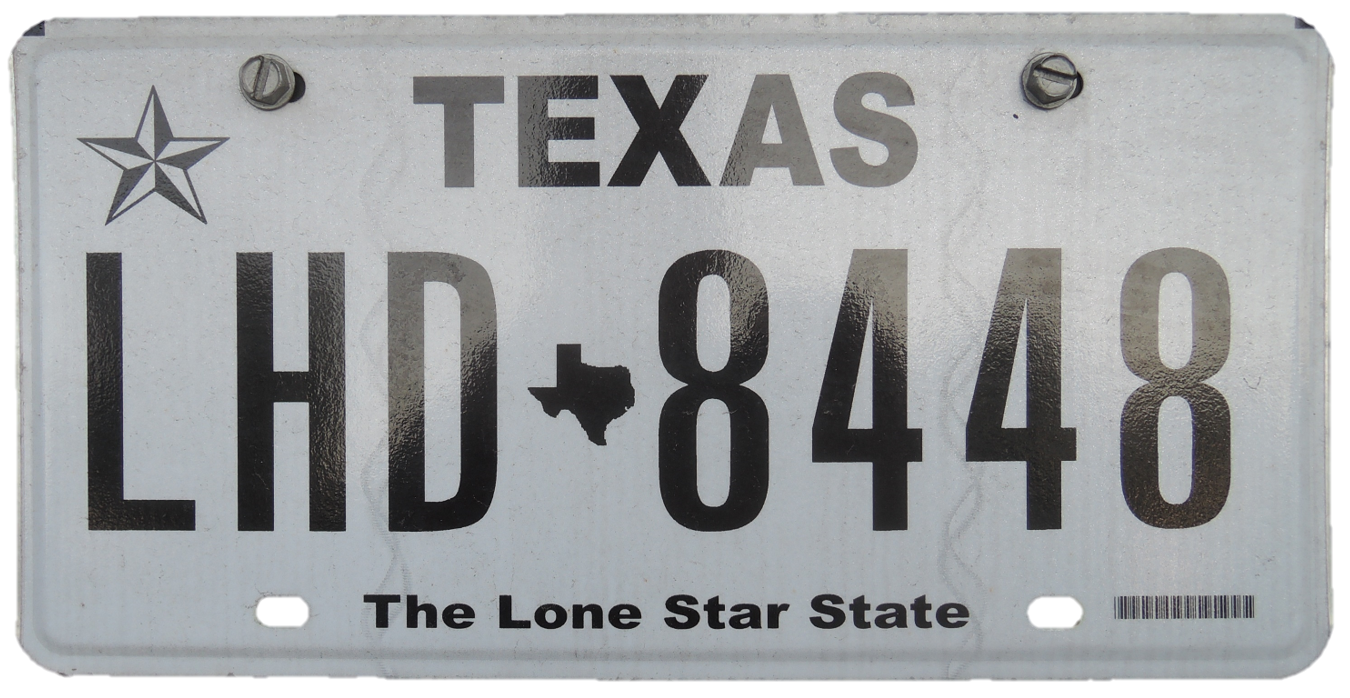
According to the Texas Transportation Code, Section 504.943, a passenger vehicle must display two license plates: one at the front of the vehicle and one at the rear. Both plates must be securely attached to the vehicle in a horizontal position and be clearly visible. The law specifies that the plates should be at least 12 inches from the ground but no more than 48 inches from the ground. They must also be kept clean and free from any material that might obstruct their legibility, such as dirt, covers, or frames that obscure numbers or letters. The only exceptions to this rule are specific types of vehicles, such as motorcycles, antique vehicles (with certain restrictions), or trailers, which typically only require a single plate on the rear. However, for the vast majority of passenger cars, trucks, and SUVs, the dual plate requirement is absolute.
This regulation applies to all vehicles registered in Texas, as well as any out-of-state vehicle operating within Texas that would ordinarily be required to display a front plate in its home state. If you’re driving a vehicle registered in a state that does require two plates, Texas law expects you to have both displayed correctly. If your home state does not require a front plate, then Texas will generally honor that, provided your vehicle is properly registered in that state. This is a critical distinction, especially for those embarking on extensive interstate travel or considering a move to the Lone Star State.
Why the Second Plate?
The reasoning behind requiring two license plates is multifaceted, primarily revolving around law enforcement and public safety. A front license plate provides an additional means of vehicle identification, which is invaluable in numerous situations:
- Law Enforcement: Police officers can identify vehicles from both the front and rear, which is crucial in pursuits, traffic stops, and identifying vehicles involved in crimes or hit-and-run incidents. It provides a visual identifier that can be seen even if the rear of the vehicle is obscured or if the vehicle is approaching.
- Toll Roads and Automated Systems: Many modern urban areas, including Dallas, Houston, and Austin, rely on automated toll collection systems. Front plates facilitate easier and more accurate electronic tolling, particularly when a vehicle is moving quickly or when rear license plates might be obscured by towing equipment or bicycles.
- Parking Enforcement: For parking authorities, a front plate offers an extra layer of identification, aiding in the enforcement of parking regulations and the tracking of illegally parked vehicles.
- Security: In certain security scenarios, particularly around high-traffic areas or landmarks like the Texas State Capitol or Space Center Houston, immediate vehicle identification from multiple angles enhances overall safety protocols.
For residents and travelers alike, understanding this rationale can help contextualize the regulation, shifting it from an arbitrary rule to a logical safety and enforcement measure designed to benefit everyone on the road.
Impact on Travelers and Tourists
For those planning a memorable Texas vacation, whether it’s exploring the historic Sixth Floor Museum at Dealey Plaza in Dallas, enjoying the Riverwalk in San Antonio, or hiking through Big Bend National Park, the front license plate rule might seem like an inconsequential detail. However, neglecting it can swiftly turn a delightful journey into an unexpected administrative headache.
Navigating Rental Cars and Personal Vehicles
The impact of the front license plate law varies depending on whether you’re driving your personal vehicle or a rental car.
- Personal Vehicles (Out-of-State): If you’re driving your own car into Texas from another state, the key factor is your home state’s regulations.
- If your home state requires a front plate: You must have it displayed when driving in Texas. Failure to do so will put you in violation of Texas law, despite your vehicle being registered elsewhere. Before hitting the road, double-check that your front plate is properly affixed and visible.
- If your home state does NOT require a front plate: Generally, Texas law will defer to your home state’s regulations. As long as your vehicle is legally registered in a state that only issues one plate (e.g., Arizona, Florida, Michigan, Pennsylvania), you are typically exempt from the Texas front plate requirement. However, it’s always wise to carry proof of your vehicle’s registration, especially if you anticipate extended stays or potential interactions with law enforcement.
- Rental Cars: This is where it gets simpler for most tourists. Reputable car rental agencies operating in Texas will provide vehicles that are compliant with Texas law. This means any vehicle you rent from a major company within the state will already have both front and rear license plates installed. You shouldn’t have to worry about this detail if you’re flying into Dallas/Fort Worth International Airport or George Bush Intercontinental Airport and picking up a car. The concern primarily arises if you’re renting from an individual through a peer-to-peer car-sharing service, where the owner might not be as diligent about compliance. Always verify the vehicle’s adherence to local laws, especially if you’re renting outside traditional agencies.
Interstate Travel Considerations
For travelers embarking on extensive road trips across multiple states, the varying license plate laws can be a confusing patchwork. Imagine driving from a state that doesn’t require a front plate, like Florida, through states that do, and eventually into Texas. While Texas generally respects the laws of your home state regarding license plate display, understanding this nuance is crucial.
The principle is one of reciprocity: Texas expects you to obey the laws of your vehicle’s registration state. If your vehicle is registered in a single-plate state, you are generally fine. However, if your vehicle is registered in a two-plate state but you have only one plate displayed, you could face consequences in Texas. This emphasizes the importance of knowing your own state’s rules and ensuring your vehicle complies with them before you even cross the Texas border. It’s a small detail that can have a big impact on your peace of mind as you drive through areas like Fort Worth’s Stockyards National Historic District or along the Gulf Coast near Galveston.
Consequences of Non-Compliance: Don’t Let a Plate Ruin Your Trip
Ignoring the front license plate rule in Texas isn’t just a minor technicality; it can lead to tangible and often inconvenient consequences that can detract from your travel experience. When you’re dreaming of exploring Guadalupe Mountains National Park or enjoying the beaches of South Padre Island, the last thing you want is a legal interruption.

Fines and Citations
The most immediate consequence of failing to display a front license plate in Texas is receiving a traffic citation. This offense is typically categorized as a misdemeanor, specifically a “failure to display two license plates.” The fine associated with this violation can vary by jurisdiction within Texas, but generally ranges from $200 to $300, sometimes more once court fees and other administrative costs are added. This amount can quickly eat into your vacation budget, perhaps forcing you to reconsider that exquisite dinner or an extra night at a boutique hotel.
In some cases, especially if it’s your first offense and you are polite with the officer, you might receive a warning. However, relying on a warning is risky and not a recommended strategy. Law enforcement officers are within their rights to issue a citation, and in busy areas like Dallas or Houston, where traffic stops are frequent, the chances of being pulled over for this infraction increase. It’s an easily avoidable fine that can put a damper on your financial planning for your trip.
Potential Delays and Hassle
Beyond the monetary fine, a traffic stop for a missing front license plate can cause significant delays and unnecessary stress. Imagine you’re on a tight schedule, perhaps heading to Six Flags Over Texas with excited kids or trying to catch a flight from Austin-Bergstrom International Airport. A routine traffic stop, even for a minor infraction, can take 15-30 minutes, or even longer depending on the circumstances.
This unforeseen stop can disrupt your itinerary, cause you to miss reservations, or simply inject a dose of frustration into an otherwise pleasant day. Furthermore, if there are any other issues (e.g., expired registration, an out-of-date driver’s license, or even just general confusion about your out-of-state plates), a minor stop can escalate into a more complicated situation. For travelers, time is often a precious commodity, and wasting it on a preventable legal issue is far from ideal. The peace of mind that comes with knowing your vehicle is fully compliant allows you to focus on the wonders of Texas, from the Dallas Arts District to the serene beauty of Padre Island National Seashore.
Practical Advice for a Smooth Texas Experience
Ensuring your vehicle is compliant with Texas license plate laws is a straightforward process that requires only a moment of attention before or during your trip. Taking these simple steps will help you avoid unnecessary stress and allow you to fully immerse yourself in the rich experiences Texas has to offer.
Ensuring Your Vehicle is Compliant
The best offense is a good defense, and in this case, that means verifying your vehicle’s license plate status before you hit the road.
- For Texas-Registered Vehicles: If your vehicle is registered in Texas, simply ensure that both your front and rear plates are securely attached, clearly visible, and free from any obstructions. This is a basic requirement for all Texas drivers.
- For Out-of-State Vehicles:
- Check your home state’s laws: Confirm whether your state requires one or two license plates. This is the fundamental piece of information you need.
- Display accordingly: If your home state requires two plates, make sure both are on your vehicle before you enter Texas. If your vehicle is from a single-plate state, you are generally fine without a front plate in Texas.
- Carry proof of registration: Regardless of your home state’s rule, having your current vehicle registration readily available in your glove compartment is always a good practice. It quickly verifies where your vehicle is registered and what the relevant plate requirements are, should you be stopped.
- Rental Vehicles: When picking up a rental car within Texas, rest assured that the agency will have ensured compliance. However, if you are renting from an individual or a service that allows owners to list their private vehicles, a quick visual check for both plates can offer peace of mind.
What to Do If You’re Unsure
Sometimes, despite your best efforts, you might find yourself in a gray area or simply forget to check.
- If you realize you’re non-compliant: If you’re driving into Texas from a two-plate state but only have one, and you recognize this after crossing the border, your options are limited but important.
- Acquire a temporary solution: Some drivers might opt for a temporary, non-permanent solution to display their front plate, such as using zip ties or a magnetic mount, if their vehicle doesn’t have a factory-drilled mounting spot. While this might not be ideal or fully compliant with “securely attached” definitions, it can be a temporary measure to avoid an immediate citation. However, the best approach is to have a proper mounting solution installed.
- Seek professional help: If your vehicle lacks a front mounting bracket, visit a local auto parts store or a car dealership in Texas. They can often install a proper bracket for a minimal fee, ensuring full compliance.
- If you are pulled over: Remain calm and cooperative. Present your driver’s license, registration, and insurance. Explain your situation clearly and respectfully. If you are from a single-plate state, calmly explain that your vehicle is registered in a state that does not require a front plate. Most officers are understanding, especially if you can provide documentation.
By being prepared and informed, you can dedicate your energy to discovering the unique charm of places like Magnolia Market at the Silos in Waco or enjoying a live show in Austin, rather than worrying about vehicle regulations.
Beyond the Plate: Enjoying the Lone Star State
While the front license plate requirement might seem like a minor administrative detail, understanding and complying with it is a foundational step towards a truly enjoyable experience in Texas. This knowledge empowers you to navigate the state’s roads with confidence, free from the worry of unexpected traffic stops or fines. Instead of fretting over legalities, you can direct your full attention to the myriad of adventures that await you.
Imagine yourself cruising through the sprawling desert landscapes leading to Big Bend National Park, where epic vistas and challenging trails promise unforgettable memories. Or perhaps you’re exploring the historic missions of San Antonio, soaking in the vibrant culture of the Riverwalk, and indulging in authentic Tex-Mex cuisine. In Houston, the wonders of Space Center Houston and the city’s world-class museums call, while Dallas offers a cosmopolitan blend of arts, shopping, and dynamic nightlife in its Dallas Arts District.
For those seeking outdoor pursuits, the tranquil beauty of the Texas Hill Country invites exploration of charming small towns, vineyards, and scenic drives. Along the coast, the sun-kissed shores of South Padre Island offer relaxation and water sports, while Padre Island National Seashore provides a unique habitat for wildlife and pristine beaches. Each of these destinations offers a distinct flavor of Texas, contributing to the state’s reputation as a top-tier travel destination.
By ensuring your vehicle is compliant with local laws, you’re not just avoiding trouble; you’re investing in an uninterrupted and enriched travel experience. This allows you to fully engage with the local culture, savor the legendary Texas barbecue, cheer on your favorite sports team, or simply enjoy the open road. From staying in meticulously chosen resorts and experiencing budget accommodations that still offer comfort, to navigating the cities and exploring rural gems, every aspect of your Texas adventure becomes smoother when you handle the minor details like vehicle registration and plate display.
So, as you finalize your plans, pack your bags, and prepare for an incredible journey through the Lone Star State, remember to glance at your vehicle’s front end. A properly displayed front license plate is a small act of due diligence that paves the way for boundless exploration and cherished memories, ensuring that your story of Texas is one of pure adventure and delight, free from unnecessary detours.
LifeOutOfTheBox is a participant in the Amazon Services LLC Associates Program, an affiliate advertising program designed to provide a means for sites to earn advertising fees by advertising and linking to Amazon.com. Amazon, the Amazon logo, AmazonSupply, and the AmazonSupply logo are trademarks of Amazon.com, Inc. or its affiliates. As an Amazon Associate we earn affiliate commissions from qualifying purchases.