
When planning a trip, or simply exploring the myriad facets of destinations worldwide, most travelers focus on the picturesque landscapes, vibrant cultural experiences, delectable local cuisine, and comfortable accommodations. We seek out the best hotels, explore famous landmarks, and delve into the unique lifestyle a new place offers. However, for the truly discerning and curious traveler, understanding a destination often goes beyond the surface-level attractions. It involves grasping the essence of its legal framework, historical narrative, and the social fabric that shapes its identity. This deeper dive often leads to questions about sensitive yet fundamental aspects of a society, such as its criminal justice system. One such question that frequently arises about the United States, and specifically about the Lone Star State, is: “Does Texas have the death penalty?”
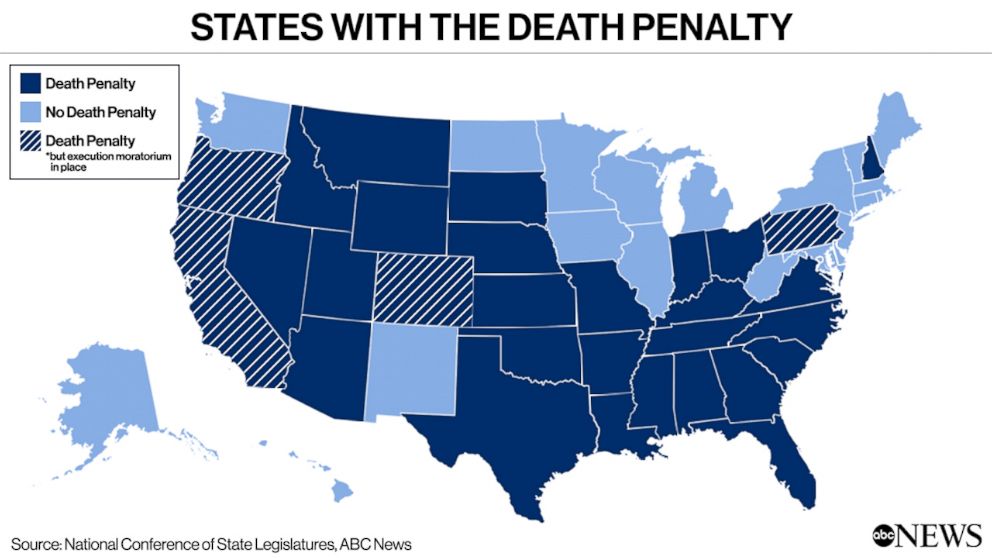
The straightforward answer is yes, Texas does have the death penalty. In fact, it is one of the states that most frequently utilizes capital punishment, making it a significant, albeit somber, aspect of its modern judicial landscape. For those considering travel to Texas, or simply those with an interest in global legal systems and their cultural contexts, understanding this facet provides a crucial lens through which to view the state. It’s not a tourist attraction, nor something that most visitors will directly encounter, but it is an undeniable part of the state’s story and its approach to justice. As we explore the vibrant cities like Austin, Houston, Dallas, and San Antonio, marvel at the historic Alamo, or venture into the natural wonders of Big Bend National Park, it’s worth acknowledging the multifaceted nature of this vast and complex state.
Texas’s Stance: A Deep Dive into its Legal Framework
The death penalty in Texas is not merely a legal provision; it’s a deeply entrenched part of its judicial history and social identity. To understand its presence today, we must first look back at how capital punishment has evolved in the state.
A Historical Perspective: The Evolution of Capital Punishment in Texas
The concept of capital punishment in Texas predates its statehood. During the era of the Texas Republic (1836-1845), executions were carried out, reflecting the harsh realities and legal norms of the time. Upon joining the United States in 1845, Texas continued to employ capital punishment, with hanging being the primary method. Early executions were often local affairs, conducted at the county level and sometimes drawing public spectators.
A significant shift occurred in 1923 when Texas transitioned from hanging to electrocution. This change aimed to standardize the process and make it less public. The state also centralized executions, moving them from individual counties to a single location: the state penitentiary in Huntsville. This centralization marked a more modern approach to capital punishment administration.
The latter half of the 20th century brought further pivotal changes. In 1972, the United States Supreme Court issued a landmark ruling in Furman v. Georgia, which effectively placed a moratorium on capital punishment nationwide, citing concerns about its arbitrary application. Texas, like other states, ceased executions. However, this pause was temporary. States soon revised their capital sentencing statutes to address the Supreme Court’s concerns, ensuring more consistent application.
In 1976, the Supreme Court reinstated the death penalty with its decision in Gregg v. Georgia, affirming that capital punishment was constitutional if applied under specific guidelines designed to prevent arbitrary imposition. Texas was quick to respond, enacting new laws that outlined specific aggravating factors that could make a crime eligible for the death penalty. These laws included a bifurcated trial process – one phase to determine guilt, and another to determine punishment – and appellate review. The first execution in Texas after the moratorium occurred in 1982, marking the beginning of its modern era of capital punishment, which now uses lethal injection as the method.
The Modern Era: How Capital Punishment Operates Today
Today, capital punishment in Texas is governed by a detailed legal framework primarily outlined in the Texas Penal Code and the Texas Code of Criminal Procedure. Only specific, egregious capital offenses are eligible for the death penalty. These typically include murder committed under aggravating circumstances, such as:
- The murder of a peace officer or firefighter in the line of duty.
- Murder committed during the commission or attempted commission of another felony (e.g., robbery, kidnapping, sexual assault, arson).
- Murder for remuneration (hiring someone to commit murder or committing murder for hire).
- Murder while escaping or attempting to escape from a penal institution.
- Murder of a child under ten years of age.
- Multiple murders.
Once a person is convicted of a capital felony, the punishment phase of the trial begins. During this phase, the jury must answer two key questions:
- Future Dangerousness: Is there a probability that the defendant would commit criminal acts of violence that would constitute a continuing threat to society?
- Mitigating Evidence: Taking into consideration all of the evidence, including the circumstances of the offense, the defendant’s character and background, and the personal moral culpability of the defendant, does a sufficient mitigating circumstance or circumstances exist to warrant a sentence of life imprisonment without parole rather than a death sentence?
If the jury unanimously answers yes to the first question and no to the second, a death sentence is imposed. If they cannot agree, or if the answers lead to a different conclusion, a life sentence without parole is given.
Executions are carried out by the Texas Department of Criminal Justice (TDCJ) at the Huntsville Unit in Huntsville, Texas. Inmates sentenced to death are housed on Death Row, also located in Huntsville. The process involves extensive appeals through both state and federal courts, including the Texas Court of Criminal Appeals (the highest criminal court in Texas) and potentially the United States Supreme Court. This lengthy legal process means that many years, often decades, can pass between conviction and execution.
Beyond the Law Books: The Cultural and Social Context in the Lone Star State

Understanding the legal framework is just one piece of the puzzle. The death penalty in Texas also carries significant cultural and social weight, influencing perceptions of the state both domestically and internationally.
Public Opinion and the “Tough on Crime” Image
Texas has long cultivated an image of being “tough on crime,” and its consistent application of the death penalty is a prominent reflection of this stance. Public opinion within the state has historically shown strong support for capital punishment, although recent trends, mirroring national sentiment, indicate a slight decline in unwavering support and an increase in preference for life without parole in certain circumstances. This “tough on crime” philosophy is deeply intertwined with a broader cultural narrative of self-reliance, justice, and swift retribution that resonates with many Texans.
This policy position shapes how Texas is perceived. For some, it reinforces an image of a state committed to upholding law and order, while for others, particularly international observers or those from states without capital punishment, it can evoke strong moral and ethical concerns. When traveling to Texas, while the death penalty isn’t something tourists directly encounter, being aware of this significant aspect of its judicial system provides a more complete picture of the state’s values and priorities. It contributes to understanding the unique political and social landscape that differentiates Texas from other parts of the United States.
Exploring Texas: Understanding its Diverse Facets
It is crucial to balance this serious discussion with the vibrant reality of Texas as a premier travel destination. While capital punishment is a serious element of its legal system, it does not define the entire state or the experiences awaiting visitors. Texas is an incredibly diverse state, rich in history, culture, and natural beauty, offering an immense array of experiences that captivate travelers from all walks of life.
Consider the thriving music scene in Austin, often dubbed the “Live Music Capital of the World,” where visitors can enjoy everything from blues to country in iconic venues or even historic spots like Gruene Hall. Explore the historical significance of San Antonio’s River Walk and the solemn beauty of The Alamo. In Houston, you can delve into space exploration at the NASA Johnson Space Center or immerse yourself in art and culture in its world-class museums. Dallas and Fort Worth offer a blend of modern sophistication, Western heritage, and historical insights, like those found at the George W. Bush Presidential Center.
Beyond its bustling cities, Texas boasts breathtaking natural landscapes. From the expansive wilderness of Big Bend National Park in West Texas to the stunning canyons of Palo Duro Canyon State Park in the Panhandle, and the beautiful coastal areas like Padre Island National Seashore or Galveston Island along the Gulf Coast, there’s an adventure for every nature lover. Even El Paso offers a unique blend of Texan and Mexican culture at the crossroads of two nations.
These varied experiences highlight that while the death penalty is a serious and significant aspect of Texas’ legal system, it is just one component of a much larger, incredibly rich, and diverse state. Travelers who understand this dichotomy gain a more profound appreciation for the destination.
For the Curious Traveler: What This Means for Your Texas Experience
For many travelers, a journey is not just about relaxation or ticking off landmarks; it’s about connecting with a place on a deeper level. Understanding the full spectrum of a destination, including its legal and social frameworks, can significantly enrich this experience.
Responsible Tourism and Local Insights
Engaging in responsible tourism extends beyond environmental considerations; it also involves being informed about the local culture, societal norms, and even the legal system. For a traveler visiting Texas, knowing about the death penalty isn’t about seeking out related experiences, but rather about having a more complete and nuanced understanding of the destination. It’s about appreciating the complexities and contradictions that make a place unique.
This knowledge fosters a sense of informed curiosity. It allows travelers to engage more thoughtfully with local news, historical narratives, and conversations they might overhear. It encourages a respect for the local jurisdiction and an awareness that every state or country has its own distinct way of life and legal operations, often rooted in specific historical contexts and cultural values. For those who seek genuine local insights and wish to avoid superficial interactions, being aware of these deeper societal aspects is invaluable.
The Broader Picture: Texas Beyond Stereotypes
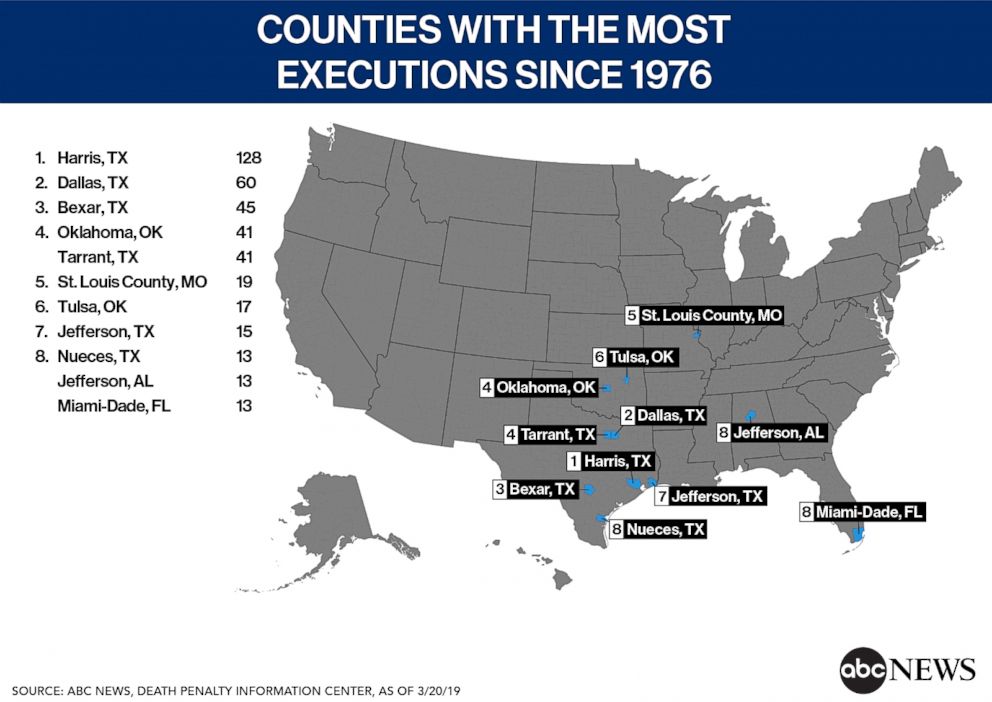
Texas is often subject to various stereotypes, from cowboys and oil tycoons to its “tough on crime” image. While these elements are certainly part of its history and identity, they are far from the complete picture. The state is a dynamic blend of traditional and modern, rural and urban, conservative and progressive. Its cities are hubs of innovation, arts, and culinary excellence, attracting diverse populations from around the globe. Its vast landscapes offer everything from arid deserts to lush forests and vibrant coastlines.
By understanding the historical and contemporary realities of topics like the death penalty, travelers can move beyond these stereotypes. They can recognize Texas as a complex entity where a strong stance on criminal justice coexists with booming tech industries, world-class universities, a thriving arts scene, and incredibly hospitable communities. Exploring the magnificent Texas State Capitol in Austin gives a glimpse into its governance, but understanding the broader legal landscape paints a more robust image.
In conclusion, yes, Texas does have the death penalty, and it is a topic of significant historical and contemporary importance within the state. For the curious traveler, this fact doesn’t detract from the countless incredible experiences Texas has to offer. Instead, it serves as a reminder that every destination has layers. Embracing this complexity, from the lively River Walk in San Antonio to the solemn history of The Alamo, and yes, even understanding its judicial policies, allows for a richer, more informed, and truly immersive travel experience in the Lone Star State. So, pack your bags, prepare for adventure, and approach Texas with an open mind, ready to appreciate all its diverse facets.
LifeOutOfTheBox is a participant in the Amazon Services LLC Associates Program, an affiliate advertising program designed to provide a means for sites to earn advertising fees by advertising and linking to Amazon.com. Amazon, the Amazon logo, AmazonSupply, and the AmazonSupply logo are trademarks of Amazon.com, Inc. or its affiliates. As an Amazon Associate we earn affiliate commissions from qualifying purchases.